For shoppers who plan to keep a vehicle for the long haul, the real test is not the new-car smell but how gracefully it can rack up hundreds of thousands of miles. Some models are now statistically far more likely to cross the 300,000‑mile mark with routine care, turning a big upfront purchase into a long-term asset instead of a short-lived expense.
Drawing on large-scale reliability data and high-mileage ownership records, I focus here on the vehicles that consistently show up at the top of longevity rankings, the traits they share, and how to think about 300,000 miles as a realistic benchmark rather than a fantasy reserved for outliers.
How analysts identify true 300,000‑mile contenders
When I talk about vehicles that can “hit 300,000 miles with ease,” I am not relying on a handful of anecdotal odometer photos. The most credible lists come from databases that track millions of used-car transactions and service histories, then calculate what share of a given model actually reaches very high mileage. One prominent analysis of more than 260 million vehicles looked at how many examples of each model were still on the road after 250,000 miles, then projected which ones were most likely to keep going toward 300,000 miles based on their survival rates and maintenance patterns, an approach that underpins rankings of the longest-lasting cars and trucks such as the longest-lasting cars study.
Those datasets tend to agree on a few core signals. Models that dominate the upper tiers usually combine conservative engineering, long production runs with incremental updates instead of constant redesigns, and powertrains that have been proven across multiple vehicles in the same family. Analysts also flag that high-mileage champions often show lower-than-average accident rates and ownership turnover, which suggests that buyers who choose them are more likely to maintain them carefully and keep them for many years, a pattern reflected in the high average age and mileage of vehicles in the high-mileage sample.
Toyota’s durability edge: hybrids, SUVs, and trucks
When I scan the longevity rankings, Toyota models dominate the list of vehicles most likely to sail past 300,000 miles, and the pattern is not subtle. In one recent breakdown of the top 20 longest-lasting vehicles, Toyota and its luxury sibling Lexus accounted for a clear majority of the entries, with several models posting more than 2.5 times the average likelihood of reaching 250,000 miles, a gap that grows even more pronounced as analysts extrapolate toward 300,000 miles in the vehicle longevity rankings. The Toyota Sequoia, for example, has repeatedly landed at or near the top of these lists, with a projected lifespan that stretches well beyond 300,000 miles when maintained according to schedule, and the Toyota Land Cruiser and Toyota Tundra are often close behind in the same datasets.
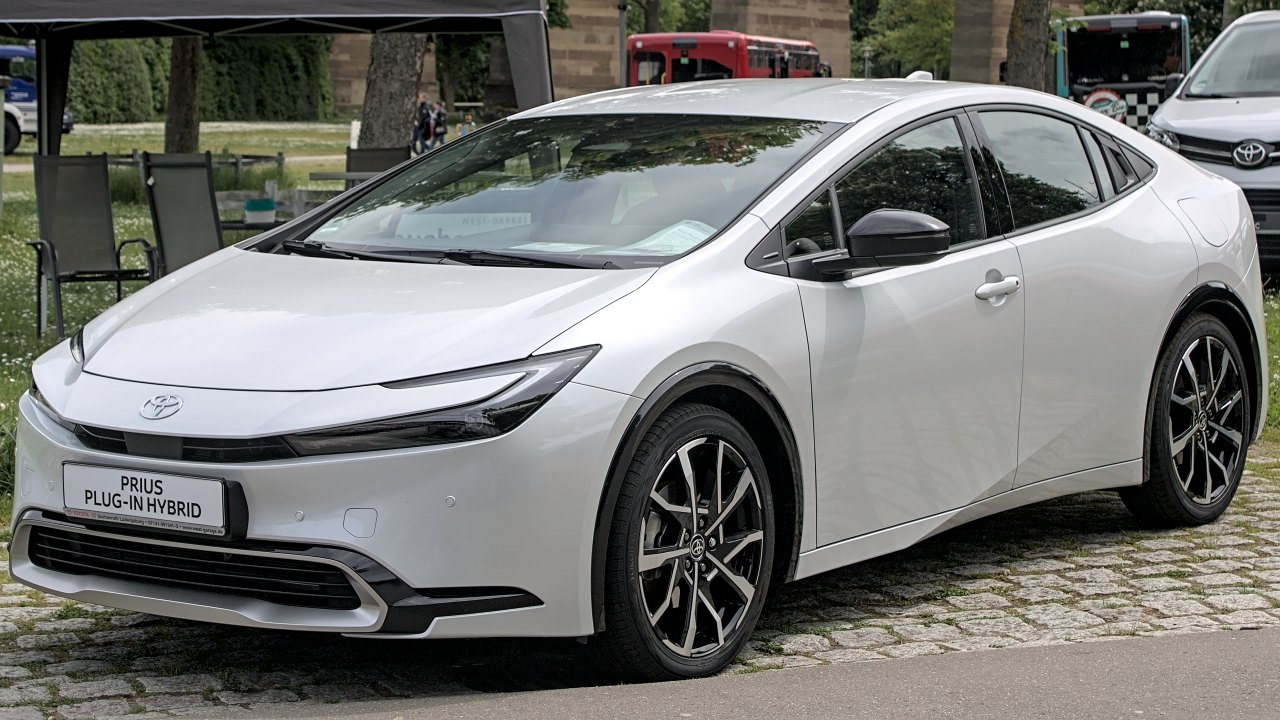
Hybrids are no longer the fragile newcomers they once seemed, and Toyota’s hybrid systems in particular now show up as some of the most durable powertrains in the fleet. The Toyota Prius and Toyota Highlander Hybrid have appeared among the highest-mileage vehicles in long-term studies, with a significant share of examples surpassing 200,000 and 250,000 miles without major drivetrain failures, a trend highlighted in the hybrid longevity analysis. That same research notes that hybrid battery replacements are less common than many shoppers fear, and that the most robust hybrid models often outlast comparable gasoline-only vehicles, which is why analysts now include them among the most likely candidates to reach 300,000 miles in regular use.
Full-size pickups and SUVs built for the long haul
Heavy-duty work vehicles are designed to absorb abuse, and the data shows that some full-size pickups and body-on-frame SUVs convert that rugged engineering into exceptional lifespans. In the same high-mileage studies, the Ford F‑350 Super Duty, Chevrolet Silverado 2500HD, and GMC Sierra 2500HD rank among the trucks with the highest share of examples crossing 250,000 miles, with projected lifespans that can extend toward 300,000 miles and beyond when owners stay on top of fluid changes and wear items, as reflected in the truck longevity rankings. These models often use understressed diesel or large-displacement gasoline engines paired with heavy-duty transmissions, a combination that tends to age more gracefully under towing and hauling loads than smaller, highly boosted powertrains.
Large SUVs that share platforms with these trucks also show up repeatedly in the high-mileage data. The Chevrolet Suburban, GMC Yukon XL, and Ford Expedition are among the sport-utility vehicles that analysts identify as especially likely to surpass 250,000 miles, with a meaningful subset of the fleet projected to reach 300,000 miles based on survival curves in the SUV longevity section. Their ladder-frame construction, relatively simple suspension designs, and widespread parts availability all contribute to that staying power, and the fact that many serve as family haulers rather than work trucks can mean less severe duty cycles than their pickup counterparts, which further improves their odds of aging well.
Standout sedans and crossovers that quietly run forever
Not every 300,000‑mile candidate is a hulking truck or off-road SUV. Several mainstream sedans and crossovers have quietly built reputations as long-distance specialists, often by pairing modest power with conservative engineering. The Toyota Camry and Honda Accord, for instance, consistently appear among the longest-lasting passenger cars in large-scale reliability studies, with a notable share of vehicles surpassing 200,000 and 250,000 miles and a smaller but still significant fraction projected to reach 300,000 miles, a pattern documented in the passenger-car rankings. Their naturally aspirated four-cylinder engines, widely used automatic transmissions, and relatively light curb weights all reduce mechanical stress, which helps explain why so many older examples remain in daily service.
Compact and midsize crossovers built on similar mechanical foundations show the same tendency to age gracefully. The Toyota RAV4, Honda CR‑V, and Subaru Outback are among the crossovers that analysts flag as strong bets for long-term ownership, with above-average survival rates past 200,000 miles and projected lifespans that can approach 300,000 miles when owners follow basic maintenance schedules, as reflected in the crossover and SUV data. These models typically use proven engines and transmissions that have been refined over multiple generations, and their popularity ensures a deep supply of replacement parts and independent mechanics familiar with their quirks, which keeps repair costs manageable even as the odometer climbs.
What separates 300,000‑mile vehicles from the rest
Across all of these categories, the vehicles that most often reach 300,000 miles share a few technical and ownership traits that go beyond brand reputation. On the engineering side, the standouts tend to avoid cutting-edge complexity in favor of robust, well-understood components, such as port-injected engines instead of high-pressure direct injection, conventional automatic transmissions instead of early dual-clutch units, and mechanical all-wheel-drive systems with clear service intervals. Analysts who compiled the high-mileage rankings note that models with long production runs and limited year-to-year changes often perform better in the durability statistics, since manufacturers have more time to address early issues and suppliers can refine parts over millions of units, a pattern visible across the top-ranked vehicles.
Owner behavior is just as important. The same datasets show that high-mileage vehicles are more likely to have had consistent maintenance histories, fewer owners, and lower rates of severe accidents, all of which correlate with better odds of reaching 300,000 miles, as highlighted in the methodology notes. That means the models listed here are not magic; they simply give drivers a wider margin for error. When a vehicle starts with durable hardware, a conservative design, and a track record of surviving past 250,000 miles in large numbers, regular oil changes, timely fluid services, and prompt attention to small problems can realistically turn 300,000 miles from an aspirational target into an expected part of the ownership experience.