Power in 1950s America was not just a political or industrial idea, it was something you could see and hear in chrome, tailfins, and big displacement engines. The decade’s most memorable American cars turned raw horsepower into a rolling status symbol, shaping how drivers thought about speed, style, and success. When I look back at those machines now, I see the blueprint for everything that followed in performance culture, from muscle cars to modern supercharged SUVs.
These were not delicate toys. They were heavy, loud, and often extravagant, yet they captured a national mood that mixed postwar optimism with a hunger for technological dominance. The cars that defined power in that era did more than go fast in a straight line, they sold a story about who Americans believed they were, and who they wanted to become.
The birth of American power: from Rocket 88 to early performance icons
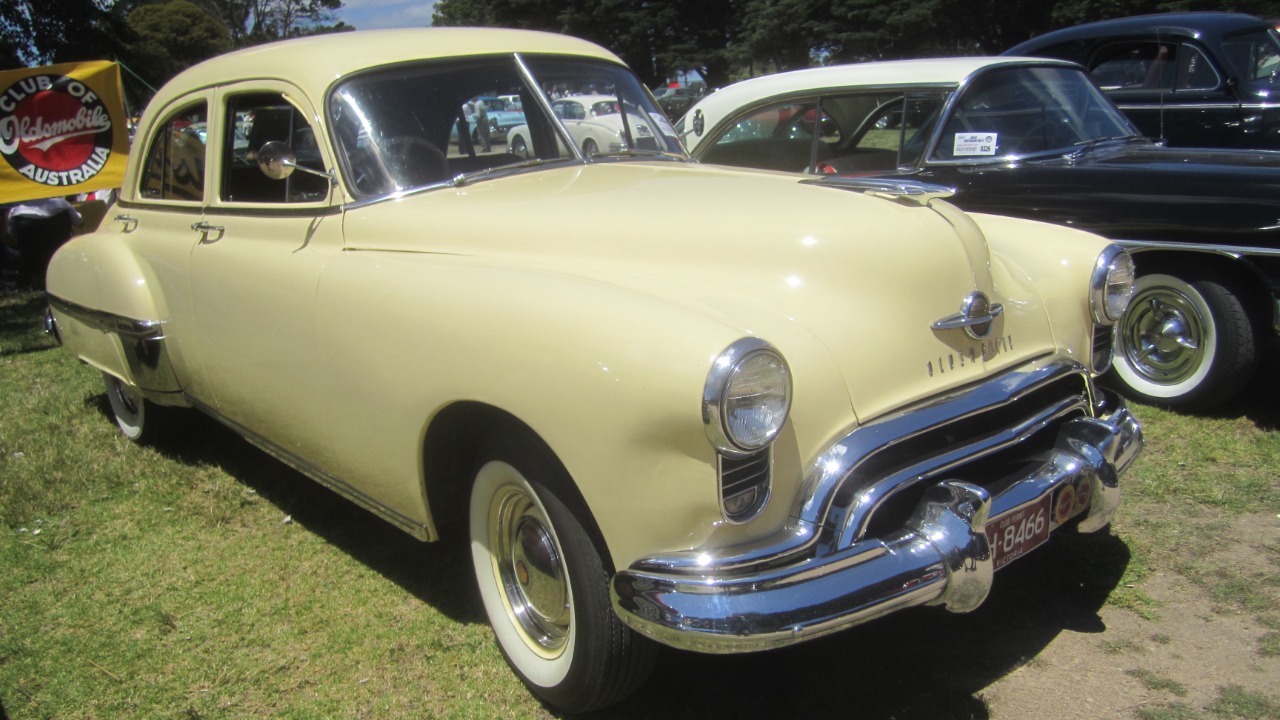
If there is a single model that signals the modern American obsession with power, it is the 1949 Oldsmobile Rocket 88, a car that arrived just ahead of the 1950s and set the tone for the decade. It combined a relatively light body with a strong overhead valve V8, and it quickly became a favorite in early stock car racing, where its mix of speed and durability stood out. In later analysis of the segment’s Origins and Opinions on the Oldsmobile Rocket 88, enthusiasts often point to this car as the first real template for the American performance formula that would dominate the 1960s.
What made that formula so potent was not just the engine, but the idea that power should be accessible to regular drivers rather than reserved for exotic racers. The Rocket 88 showed that a full-sized American car could be both practical and genuinely quick, and it encouraged other manufacturers to treat horsepower as a selling point instead of a technical footnote. As I see it, that shift in mindset is what allowed the 1950s to become a proving ground for bigger V8s, stronger drivetrains, and the kind of straight-line acceleration that would later define the muscle car era.
Chrome, fins, and the theater of speed
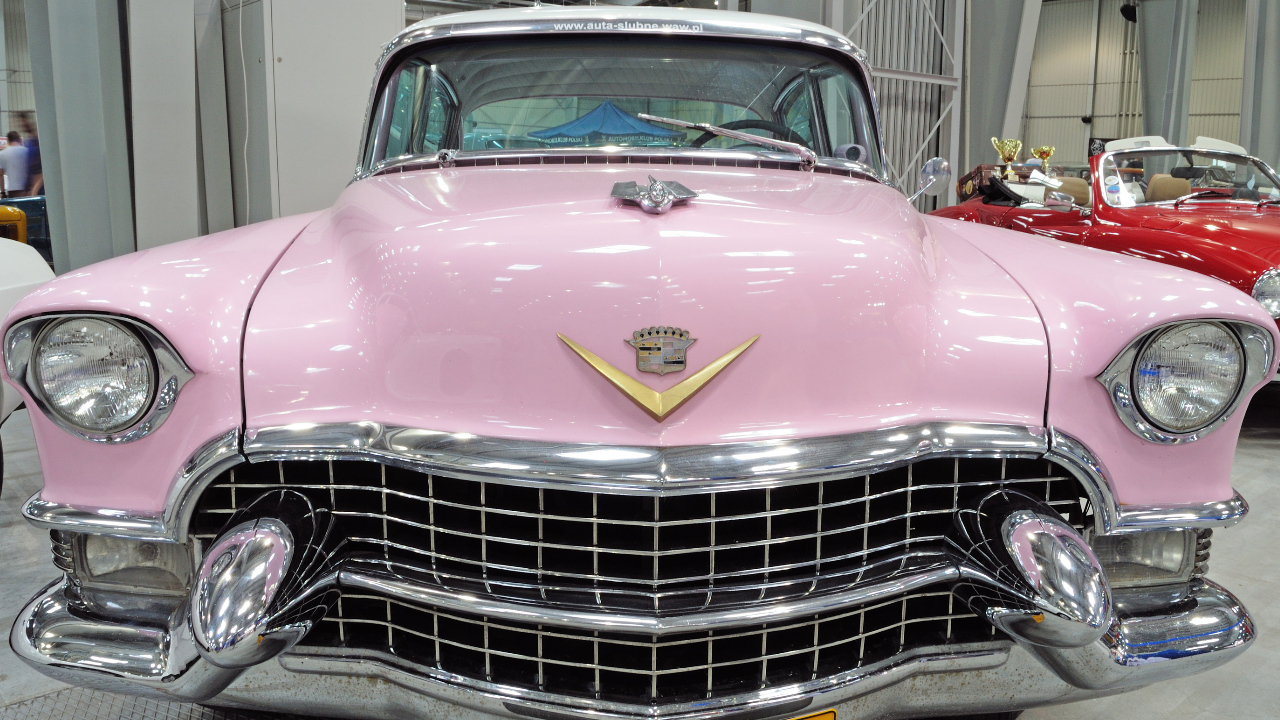
By the middle of the decade, power was no longer just under the hood, it was written across the sheet metal in bright, unapologetic styling. Automakers leaned into a space age aesthetic, with long bodies, sweeping lines, and tailfins that looked ready to leave orbit. If you wanted a car that seemed to double as a rocket on wheels, you could look to the 1957 Lincoln Premi, a model that enthusiasts still describe as a machine that looked like it could serve as both spaceship and nightclub. That sense of visual drama is captured in modern retrospectives on the Lincoln Premi and other powerful 1950s American cars, where styling and speed are treated as inseparable parts of the story.
In my view, those chrome-heavy designs were a kind of theater, a way of making mechanical strength visible from a block away. The fins and glittering grilles did not add horsepower, but they told everyone on the street that the driver had bought into a culture of power and progress. The 1950s highway, lined with cars that looked like rolling sculptures, became a stage where families, returning veterans, and new suburban homeowners could perform their own version of the American dream, one V8 at a time.
Quiet war for speed: the fastest American cars of the decade
Behind the styling spectacle, a quieter competition was unfolding between Detroit’s engineering teams. While marketing departments talked about comfort and convenience, the real bragging rights were being settled in quarter-mile times and top speed runs. Retrospective breakdowns of the fastest American cars of the 1950s describe the era as a “quiet war not for luxury, but for speed beneath the chrome and tail,” and that phrase captures the tension perfectly. Underneath the polished exteriors, automakers were pushing compression ratios, experimenting with multi-carb setups, and learning how to keep big engines cool at sustained high speeds.
What strikes me is how this arms race unfolded largely out of sight of regulators or formal performance classes, long before emissions rules or safety standards reshaped the industry. The 1950s power cars were heavy, often softly sprung, and not remotely nimble by modern standards, yet they delivered a kind of straight-line authority that felt unmatched on American roads. That quiet war for speed laid the groundwork for the more explicit horsepower battles of the 1960s, and it taught buyers to read spec sheets, memorize engine codes, and treat acceleration figures as a form of personal identity.
Luxury, price tags, and the Crown Jewels of 1950s America
Power in the 1950s was not only about how fast you could get to the next stoplight, it was also about how much you could afford to spend on the privilege. Some of the decade’s most potent cars were also its most expensive, built in small numbers for buyers who wanted exclusivity as much as performance. Modern enthusiasts still track the Most Expensive American Cars of the era, highlighting how limited production runs, advanced engineering, and lavish interiors combined to create rolling status symbols that only a few could park in their driveways.
Those high-end machines now sit at the top of collector wish lists, often grouped with what some commentators call the Crown Jewels of midcentury motoring. When I look at discussions of the Top Valuable Collector Cars and what drives the value, a pattern emerges. Rarity, design innovation, and period-correct powertrains all matter, but so does the story each car tells about American ambition. A 1953 Studebaker Commander, for example, may not have been the loudest or most flamboyant car of its time, yet its clean lines and forward-looking engineering now make it a touchstone for collectors who see it as proof that power can be expressed through restraint as well as excess.
Why 1950s power still matters on today’s roads
When I drive or even just watch modern performance cars, I can still feel the shadow of those 1950s power icons. The idea that a family sedan should have a strong engine, that a luxury coupe should be as fast as it is comfortable, and that styling should hint at what lurks under the hood, all trace back to that formative decade. Contemporary commentators who revisit the most powerful American cars of the 1950s and the broader field of fast American machines from that era are not just indulging nostalgia, they are mapping the DNA of today’s performance market.
In the end, the American cars that defined power in the 1950s did something deceptively simple: they made speed feel like a birthright rather than a luxury. Whether we are talking about the pioneering Oldsmobile Rocket 88, the extravagant Lincoln Premi, or the carefully preserved Crown Jewels that now cross auction blocks, each of these machines carries a piece of the story of how the United States learned to express confidence, wealth, and technological prowess through the automobile. That is why, even in an age of electric torque and digital dashboards, the roar of a midcentury V8 still feels like the sound of a country discovering just how far it could go.