Electric performance cars now dominate the headlines, yet the most rewarding machines to drive still burn fuel and talk to your fingertips. The best of them are compact, communicative and focused on the person behind the wheel rather than on lap-time bragging rights or battery capacity. I am interested in the modern driver’s cars that keep that connection alive without straying into six-figure, all-electric hyper territory.
These are the coupes, hot hatches and sports sedans that put steering feel, balance and involvement ahead of raw numbers. They are not anti-tech or anti-EV, but they show how carefully honed Internal Combustion Engine hardware can still deliver a kind of feedback that even the most advanced software struggles to replicate.
Why ICE still matters for people who love to drive
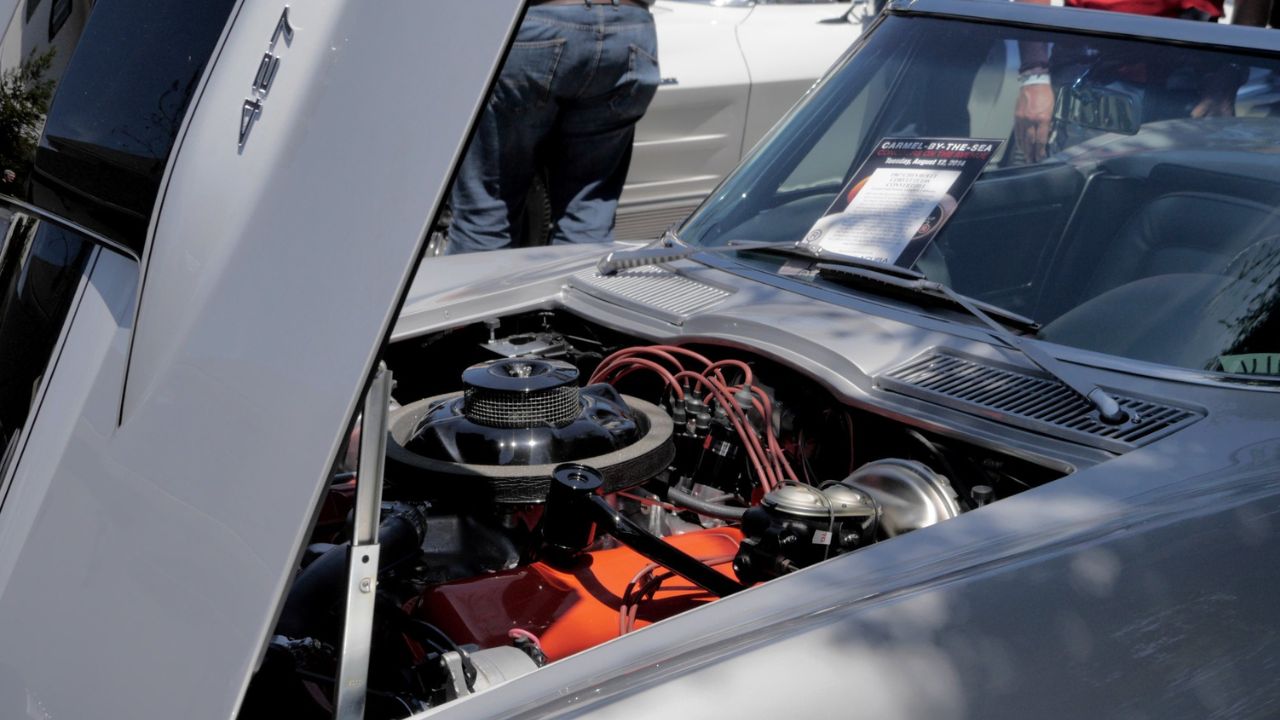
For anyone who cares about how a car feels from the driver’s seat, the basic layout of an Internal Combustion Engine still shapes the experience. An ICE (Internal Combustion Engine) car carries a heavy lump of metal in the nose, which gives it a front-heavy balance that can be tuned to rotate on the brakes or lean on the front axle in a way keen drivers understand instinctively. Reporting on parking structures notes that ICE vehicles typically have a front-heavy center of gravity because the engine sits ahead of the cabin, while battery-electric models distribute their mass in a more even slab under the floor, which changes how they load up a corner and how they stress the surface beneath them.
That difference in weight distribution is not just an engineering footnote, it is part of why some drivers still prefer a well set up petrol car. Guidance from Hyundai on the shift to electrification makes the point that ICE vehicles remain a deliberate choice for people who have not switched to electric vehicles, and that choice is often about feel rather than cost alone. When I look at the cars enthusiasts single out as “pure” to drive, from the Lotus Elise and its harder-edged sibling to compact performance sedans, they tend to be relatively light, front-engined or mid-engined ICE machines that use their mass and mechanical grip to talk clearly through the steering and seat.
Compact coupes and sports cars that put feel first
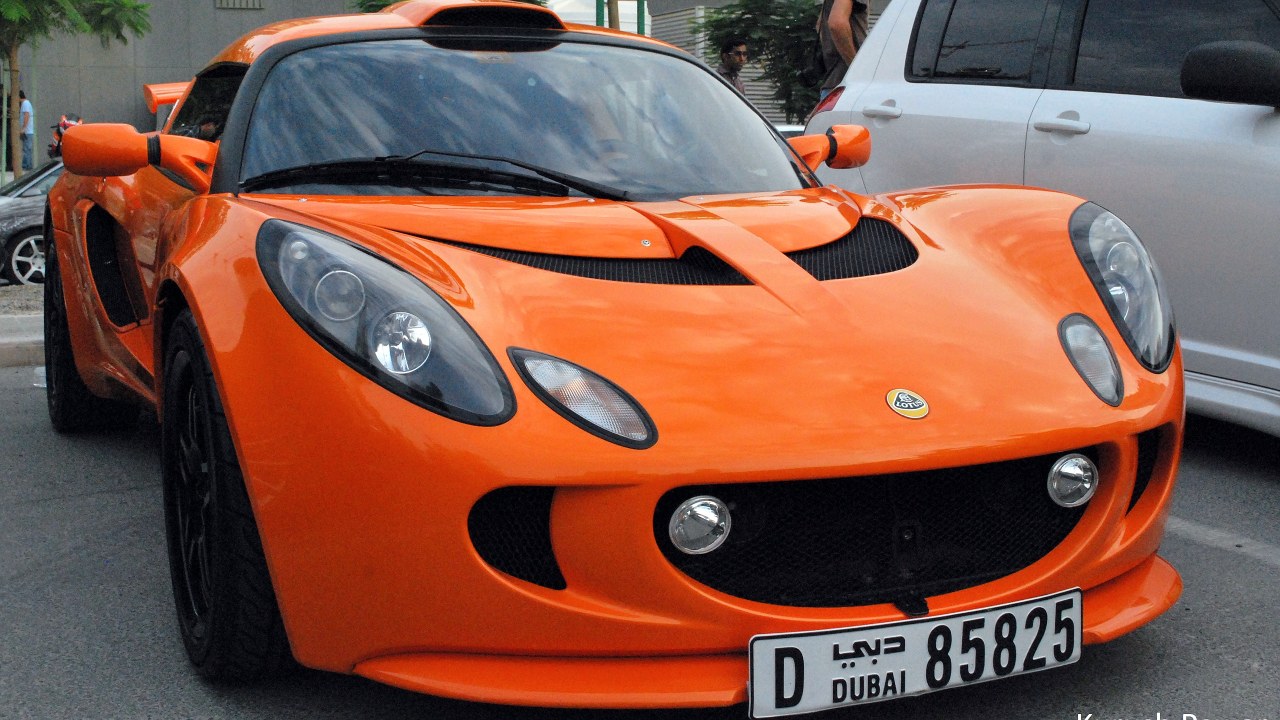
At the purist end of the spectrum sits the 2006 Lotus Exige, a car that still serves as a benchmark for how much feedback you can extract from a small footprint and modest power. In period testing, the related Lotus Elise was described as “probably the purest driver’s” car available, and the Exige simply sharpened that recipe with more aero and focus. The review’s description of the Exige as “as pure as it gets” was not about straight-line speed, it was about how little filtered the sensations between the front contact patches and your hands, and how the bodywork and wings were there to help generate more downforce rather than to flatter a heavy chassis.
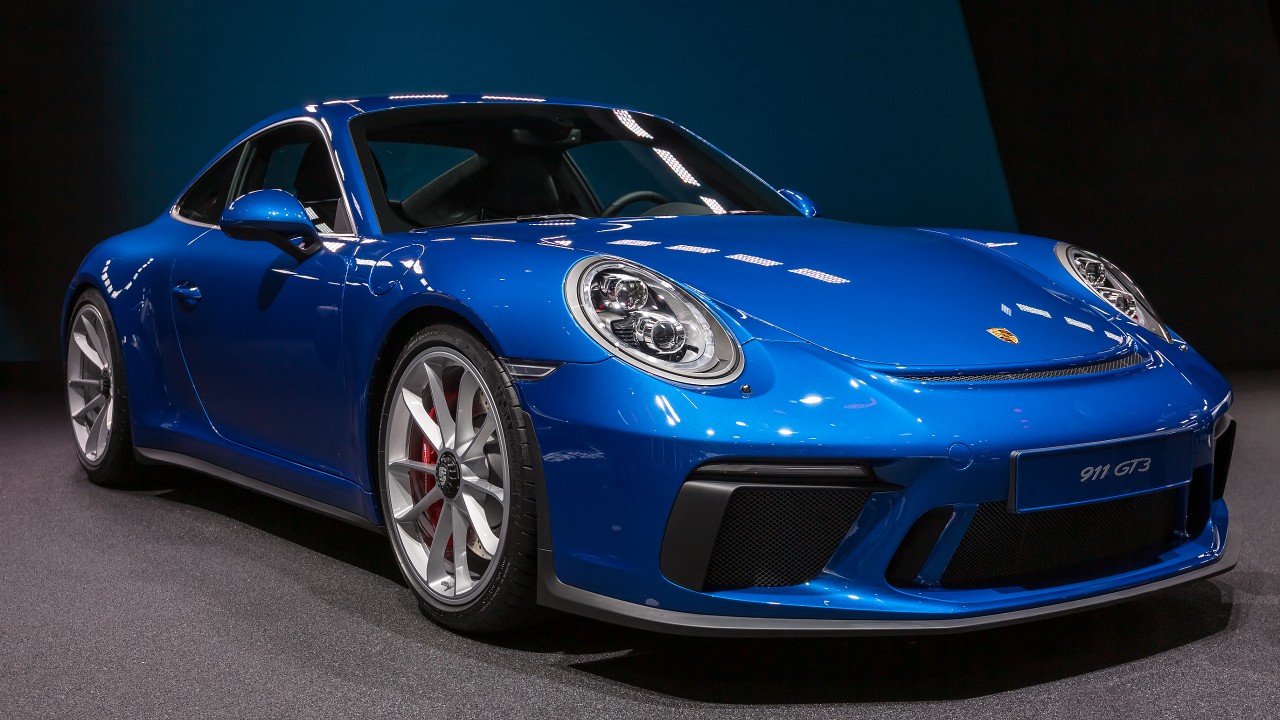
Modern coupes have inevitably grown larger and more complex, but some still chase that same clarity. The Porsche 718 Cayman, for instance, keeps the engine behind the seats and ahead of the rear axle, which gives it a natural balance that rewards precise inputs. Dealer comments on a related 911 GT3 describe that car as a “track-focused icon” that “defines the GT3 driving experience,” and even in a brief sales blurb you can see how much emphasis Porsche places on steering feel and high-rev engagement rather than just on numbers like 911 G or top speed. When I drive a compact coupe that has been engineered with that mindset, I am reminded that the best driver’s cars are not defined by their spec sheets but by how they respond when you lean on them through a series of bends.
Hot hatches and sedans that keep the everyday fun
For many enthusiasts, the most realistic way to enjoy that kind of involvement is with a hot hatch or compact sedan that can carry people and luggage during the week and still make a back road feel special. Recent rankings of the most fun cars to drive put the Hyundai i20 N and Honda Civic Type R right near the top, alongside icons like the Mazda MX-5 and various Porsche models. That list is telling, because it mixes front-drive hatchbacks with rear-drive roadsters and shows that layout matters less than the commitment to sharp responses and a playful chassis. The Civic Type R in particular has been singled out repeatedly, with one assessment arguing that if we are talking about the best manual transmission in cars today, the one in the current Civic Type is “tops,” and that a single shift will spoil other manuals for you.
The Civic Type R’s reputation goes beyond its gearbox. Another deep dive into the greatest cars of the last decade notes that “With the Civic Type” R, Honda has somehow created one of the most loved and simultaneously hated cars of its generation, precisely because it is so unapologetically focused on the driver. That same spirit runs through other everyday performance heroes. A comparison of super sedans points out that the BMW M3 has long been seen as BMW’s purest driver’s car, but that this mantle has effectively passed to the smaller M2 if you want something compact and focused yet still need a back seat. Commentary on the broader BMW M range even suggests that “You” should choose BMW M if driving dynamics are your absolute priority and you are a purist at heart, which is exactly the mindset that keeps these ICE sedans relevant in a world of silent, instant-torque EVs.
When grand tourers and exotics still reward the driver
Not every engaging driver’s car is small or affordable. Some of the most interesting modern machines are big-power grand tourers that still manage to feel alive rather than aloof. The Aston Martin DBS Superleggera is a good example. In a First Drive review, its steering feel and driving dynamics were praised, even as the writers noted that the DBS sits more on the grand touring side of the spectrum than the pure sports car end. That balance is important. It shows that even in a car designed to cross continents at high speed, engineers can still prioritize feedback and a sense of connection rather than insulating the driver completely.
At the more attainable end of the performance ladder, there is a whole ecosystem of used cars that can reach 150 mph yet are celebrated less for their top speed than for the way they involve you. One guide to affordable used performance cars makes the point that these vehicles are not just about reaching high speeds, they provide an exhilarating and engaging driving experience. That same philosophy underpins lists of the top non-electric cars on sale, where models like the Peugeot 208 in 1.2 Puretech 100 Allure Premium trim, with a list price of £23,150, are highlighted not because they are the fastest but because they blend efficiency with a surprisingly entertaining chassis. When I look across this spectrum, from a Lotus Exige to a Peugeot supermini, the common thread is simple: the best modern driver’s cars that are not EV hypermachines still put the human in the loop, and they are all the better for it.