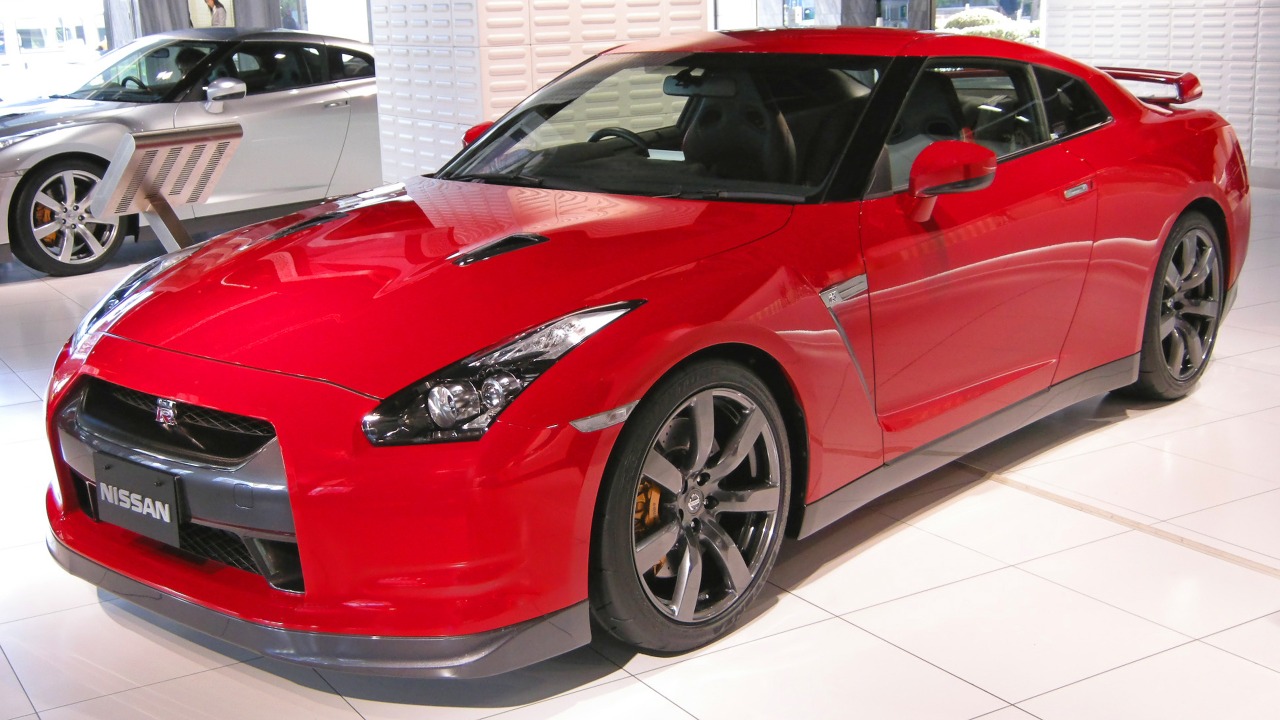
The Nissan GT-R has been haunting supercar showrooms for nearly two decades, and the unsettling part for its rivals is that the basic recipe has barely changed while the performance gap has not closed. Even as prices for the latest model have climbed, the car still delivers the kind of pace and poise that forces far more expensive machinery to justify its existence.
What keeps this veteran relevant is not nostalgia but a ruthless blend of engineering, real-world speed and a cult following that treats every new rival as just another target. I see the GT-R less as an aging icon and more as a benchmark that quietly reminds the market how much performance you can still buy for the money.
Supercar numbers without the supercar invoice
The core of the GT-R’s menace is simple: it offers supercar performance at what began as sports car pricing, and even after years of inflation it still undercuts many of the cars it can embarrass. When the R35 arrived, its twin-turbo V6, all-wheel drive and launch control delivered acceleration that matched or beat exotic brands costing far more, a pattern that detailed comparisons of supercar performance at sportscar prices have repeatedly underlined. That basic equation has not changed, even if the sticker has.
Prices for the current car have risen sharply, and owners are the first to point it out. One widely shared discussion of the 2024 model notes that the GT-R now costs $122,885, more than $50,000 above where the base price started, yet the car still looks broadly similar to early R35s, a point that fuels debate about value in threads dissecting how the GTR has evolved. Even so, enthusiasts comparing lap times and acceleration figures keep coming back to the same conclusion: to match a GT-R’s pace, you are usually shopping in a much higher tax bracket, which is exactly why it still unnerves cars twice the price.
A design that looks fast and feels brutal
Price alone would not keep the GT-R relevant if the car did not look and feel like a weapon. The R35’s styling has always been divisive, but that is part of its power: it is not trying to be pretty, it is trying to look fast. Reports on the car’s design describe a distinctive and aggressive shape that demands attention, with a wide stance, sharp creases and functional aero that all serve the same purpose, to make the car stable and effective at high speed, a point underscored in assessments of the GT-R R35’s aesthetics and performance.
From behind the wheel, that aggression turns into a kind of mechanical theater that owners relish. Enthusiasts describe the thrill of pressing the start button and hearing the engine clatter into life, a raw, industrial soundtrack that matches the car’s brutal Japanese styling and sets the tone for the drive, as captured in first-hand impressions of What makes the GT-R feel so special. I find that combination of unapologetic looks and visceral noise is exactly what many modern, more polished supercars have lost, and it is a big part of why the GT-R still feels like a threat rather than a fashion accessory.
Engineering that keeps aging on its own terms
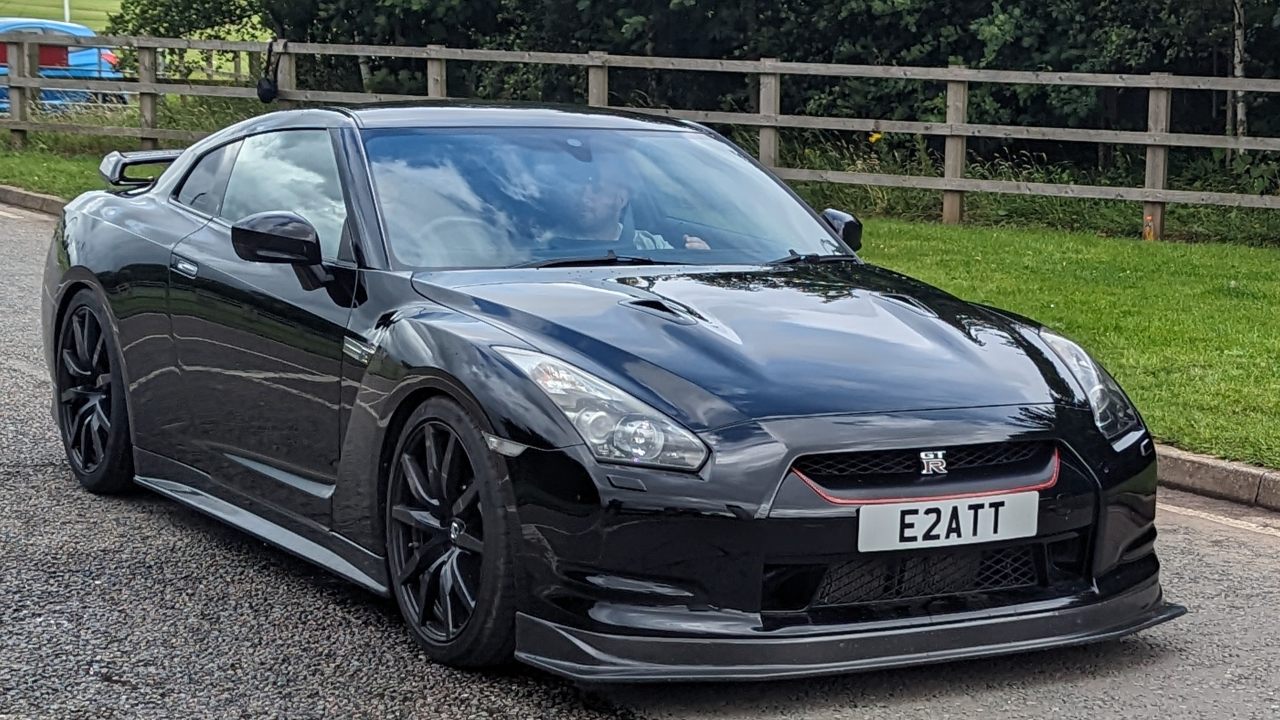
Underneath the drama, the GT-R’s engineering has quietly evolved to stay relevant without losing its identity. Unlike earlier Skyline-based GT-Rs, the R35 was designed as a standalone model and offered worldwide, with a sophisticated all-wheel-drive system and constant updates to its electronics and chassis that kept it comparable with newer competition, a development path outlined in technical histories that note how Unlike its predecessors, it was positioned from the start as a global high-tech flagship. That global focus helped Nissan refine the car through facelifts and mechanical tweaks rather than full reinvention, preserving the core formula while sharpening the edges.
Enthusiast breakdowns of the R35’s strengths point to the same ingredients: relentless acceleration, huge tuning potential and a chassis that flatters ordinary drivers yet rewards experts, which is why lists of Reasons Why The Nissan GT-R Is Awesome keep resurfacing even as the car ages. I see that as the secret to its longevity: the hardware was overbuilt from day one, so incremental improvements in power, grip and software have kept it competitive long after most platforms would have felt obsolete.
A cult market that refuses to let it fade
The final piece of the puzzle is the market itself, which has turned the GT-R into a kind of modern classic while it is still in production. Used prices for clean R35s remain stubbornly high, with owners noting that it is hard to find a stock 2013 or newer car with low mileage for under the $75k mark, and challenging readers to name another supercar that costs similar money yet delivers comparable performance, as one detailed discussion of CBA and later models makes clear. That kind of residual strength is not just about scarcity, it is about a community that believes the car still punches above its weight.
Owners and fans treat the GT-R as “Godzilla,” a nickname that captures how it looms over the performance landscape and still wins comparison tests against newer rivals, a theme explored in deep dives into why Godzilla still wins. From my perspective, that mythology feeds back into the market: every time a GT-R humbles a more expensive car on track or in a straight line, it reinforces the idea that this is the smart buyer’s supercar. As long as that perception holds, the Nissan GT-R will continue to unsettle cars that cost twice as much, not because it is the newest thing, but because it still delivers the kind of unfiltered speed and value that modern exotics struggle to match.