The era of radical Chevy power, spanning from the late 1960s to the early 1970s, marked a transformative period in American automotive history. During these years, Chevrolet emerged as a titan in the muscle car segment, crafting machines that became synonymous with raw power and exhilarating performance. The combination of iconic models, groundbreaking technologies, and a vibrant cultural backdrop created an automotive landscape that is still celebrated today.
The Rise of Muscle Cars
The muscle car phenomenon exploded in the 1960s and 1970s, capturing the imagination of American consumers and reshaping the automotive industry. The post-World War II economic boom led to a surge in disposable income, and young Americans were eager for speed and style. This era was characterized by a shift in consumer preferences toward powerful, performance-oriented vehicles that offered not just transportation but an expression of freedom and rebellion.
Several key factors contributed to the popularity of high-performance vehicles during this time. The expanding highway system and a culture increasingly enamored with speed and power fueled demand for muscle cars. Additionally, the introduction of affordable performance options allowed a broader demographic to access these exhilarating machines. Chevrolet strategically positioned its offerings to stand out against competitors like Ford and Pontiac, which were also vying for dominance in this burgeoning market.
Iconic Models of the Era
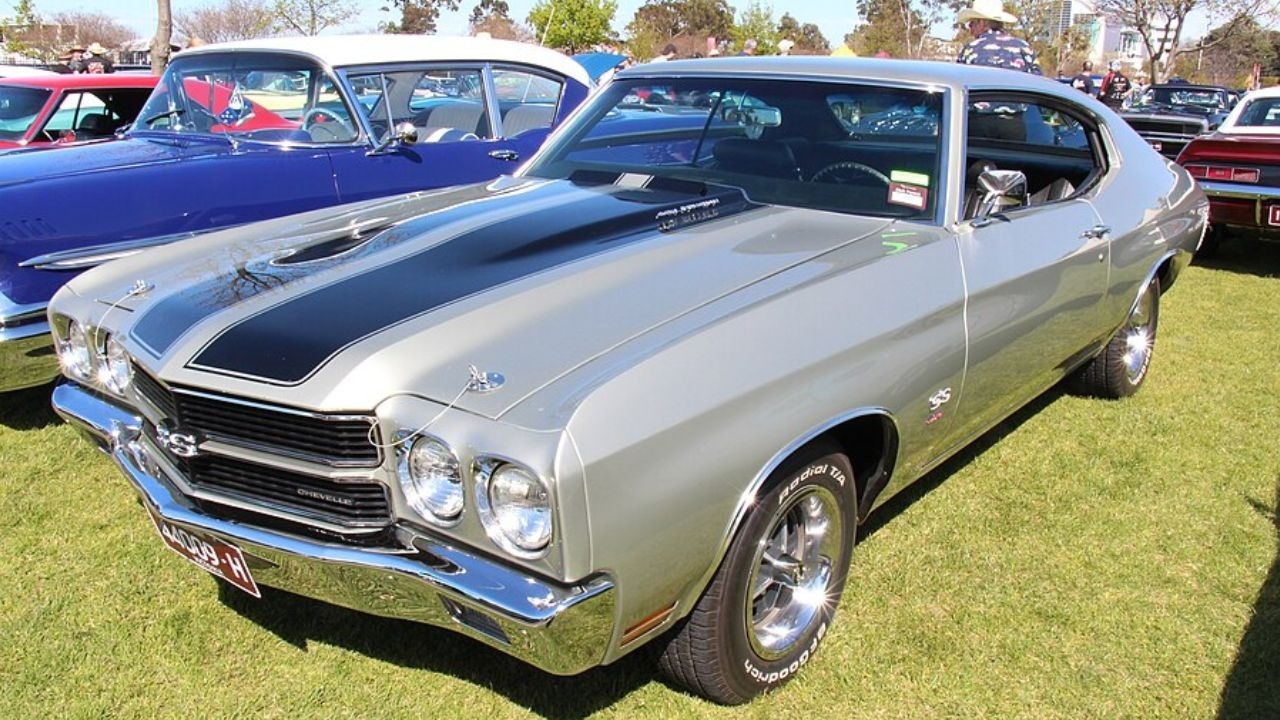
Among the standout models of the muscle car era, the Chevy Camaro, Chevelle SS, and Corvette hold legendary status. The Camaro, introduced in 1966, quickly became known for its aggressive styling and impressive performance. With options like the 396 cubic inch V8, it offered a thrilling driving experience that appealed to a new generation of car enthusiasts. The Chevelle SS, particularly the 1970 model equipped with the 454 V8, delivered jaw-dropping horsepower and acceleration that solidified its place in muscle car history.
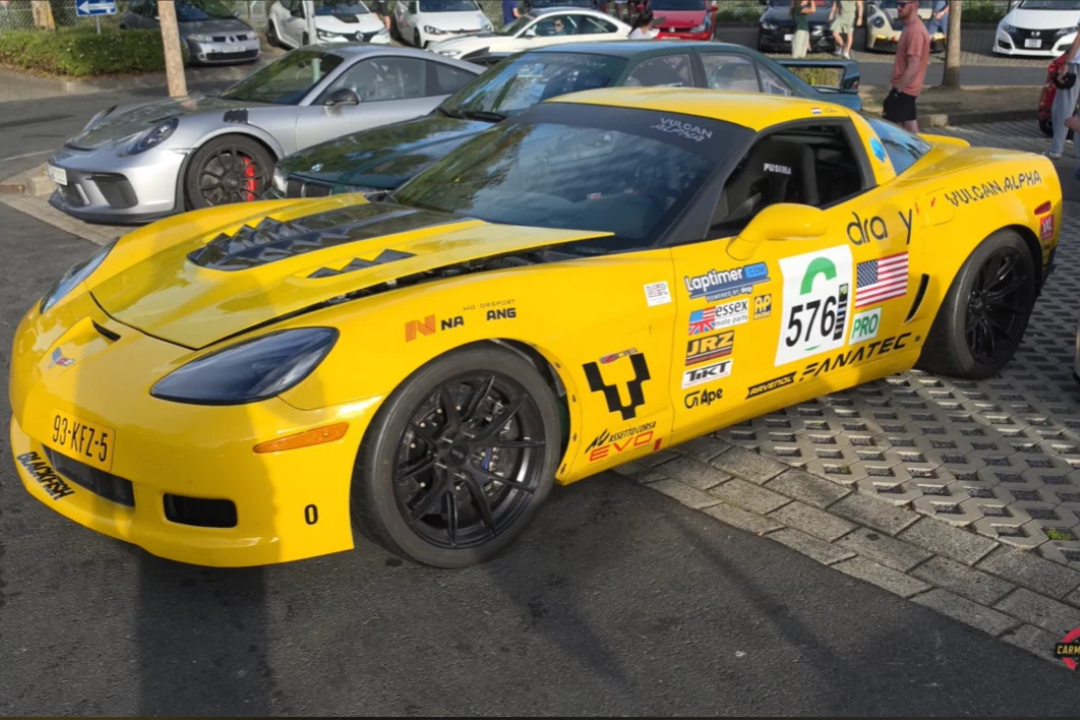
The Corvette, often regarded as America’s sports car, also played a significant role in this transformative period. With its sleek design and powerful engines, including the iconic L88 V8, the Corvette represented both luxury and performance. Limited editions and special packages, such as the Z28 and the SS models, further fueled interest among collectors and enthusiasts, creating a vibrant aftermarket culture and a desire for unique performance enhancements.
Technological Innovations
Chevrolet’s commitment to performance was evident in its introduction of high-performance engines, notably the legendary 427 and 454 cubic inch V8s. These engines were not just about raw power; they were engineered with precision to deliver exceptional performance on the street and the track. The 427 was particularly notable for its versatility, powering everything from the Corvette to the Chevelle SS, and establishing a reputation for reliability and speed.
Advances in suspension and braking systems also played a critical role in enhancing performance. Chevrolet invested significantly in developing better handling and control through innovations such as the F41 performance suspension package. This package included features like heavy-duty shocks and springs, which allowed muscle cars to corner more effectively, thus appealing to those who desired a complete driving experience. Furthermore, the influence of racing and motorsports cannot be understated; the lessons learned on the racetrack often translated into enhancements for consumer vehicles, helping to drive innovation within the industry.
Cultural Impact and Popularity
The impact of muscle cars on American pop culture during this era was profound. Films like “Bullitt” and “American Graffiti” showcased the allure of powerful vehicles, embedding them into the national consciousness as symbols of freedom and rebellion. The roaring engines and high-speed chases captivated audiences, turning models like the Camaro and Corvette into icons. The music of the time, particularly rock and roll, often celebrated the open road and the thrill of driving, further romanticizing the image of the American muscle car.
Advertising strategies also played a crucial role in capturing the spirit of the time. Chevrolet’s marketing campaigns highlighted the excitement and performance of their vehicles, often featuring them in action-packed scenarios that resonated with the adventurous spirit of the youth. Slogans and taglines positioned Chevy as the choice for those seeking both excitement and style, creating a lasting brand identity that continues to influence consumer perceptions today.
The Transition and Decline
Despite the explosive growth of muscle car culture, several factors led to the decline of radical Chevy power by the mid-1970s. Increasing government regulations aimed at improving vehicle safety and reducing emissions imposed significant challenges for manufacturers. The introduction of the Corporate Average Fuel Economy (CAFE) standards forced automakers to rethink their designs, often prioritizing efficiency over performance. The oil crises of the 1970s further exacerbated this shift, as skyrocketing fuel prices made gas-guzzling vehicles far less appealing to consumers.
As a result, Chevrolet and other manufacturers began to pivot away from high-performance models, focusing instead on more practical and fuel-efficient vehicles. The muscle car era, once characterized by roaring V8 engines and aggressive styling, gave way to a new generation of compact cars that prioritized economy over speed. This transition marked a significant turning point in the automotive landscape, as consumer preferences evolved in response to changing economic realities.
Legacy and Revival
The legacy of 1960s and 1970s Chevrolets remains influential in the automotive industry today. The spirit of the muscle car has been revived in recent years, with modern interpretations of classic designs appearing in Chevrolet’s lineup. The Camaro, for instance, has seen a resurgence since its reintroduction in 2009, blending retro styling cues with modern performance technology. Similarly, the Corvette continues to evolve, pushing boundaries with models like the mid-engine C8 introduced in 2020, which offers unprecedented performance and handling capabilities.
Enthusiast communities and events celebrating the legacy of radical Chevy power have also flourished. Car shows, meet-ups, and online forums allow fans to connect, share stories, and showcase their vehicles. Organizations like the National Corvette Museum and various muscle car clubs keep the passion alive, ensuring that the legacy of these powerful machines is not forgotten. The culture of customization and restoration also thrives, with many enthusiasts dedicating time and resources to preserving and enhancing these classic vehicles, demonstrating that the allure of radical Chevy power endures.
More from Fast Lane Only
- Unboxing the WWII Jeep in a Crate
- 15 rare Chevys collectors are quietly buying
- 10 underrated V8s still worth hunting down
- Police notice this before you even roll window down
*Research for this article included AI assistance, with all final content reviewed by human editors.