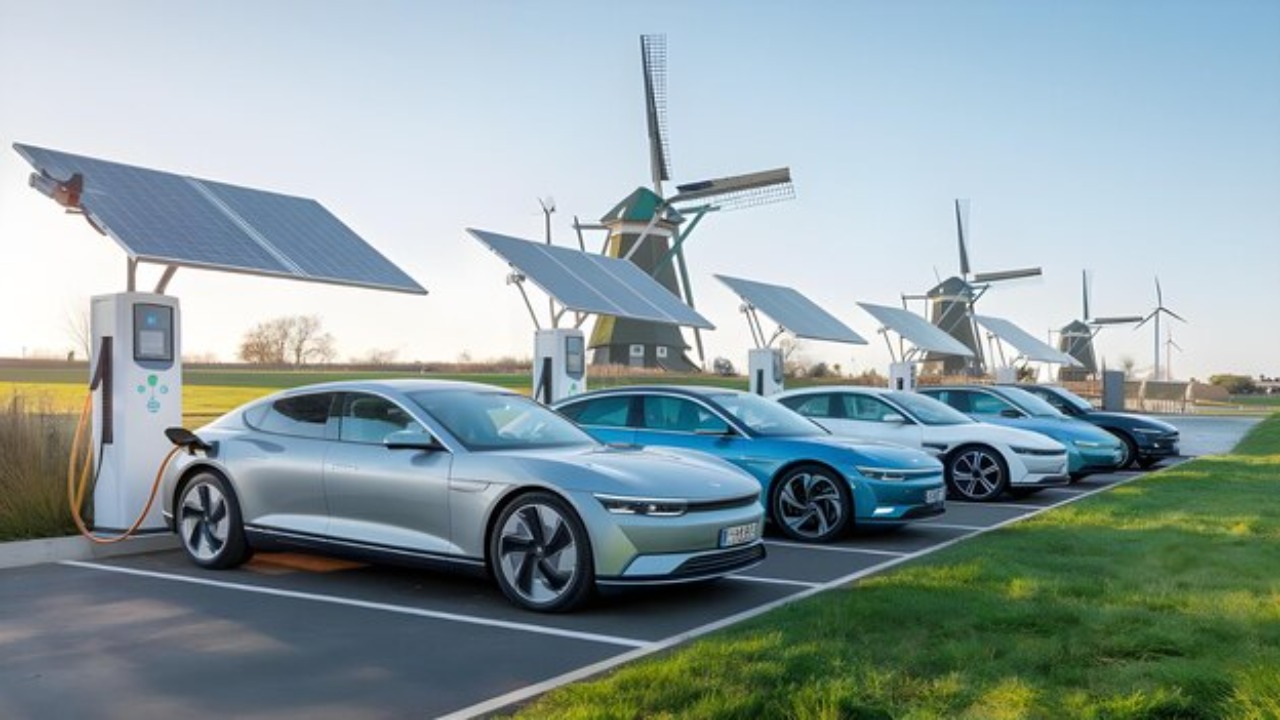
The rapid growth of electric vehicles (EVs) has sparked a corresponding surge in the development of EV charging networks. As automakers and governments push for a greener future, the business model behind these networks is evolving to meet increasing demand and technological advancements. The complexities and opportunities within the business side of EV charging networks are multifaceted, reflecting a dynamic industry in transition.
The Growth of EV Charging Infrastructure
Market Demand and Expansion
The increasing popularity of electric vehicles has created a significant demand for robust and accessible charging infrastructure. As consumers become more environmentally conscious and opt for EVs, the need for a widespread network of charging stations becomes apparent. Government incentives and regulations play a crucial role in this expansion. For example, in the United States, federal tax credits and state-level incentives encourage both consumers to purchase EVs and businesses to invest in charging infrastructure. These policies aim to accelerate the deployment of networks that can support the growing number of electric vehicles on the road.
Additionally, the push for zero-emission vehicles in Europe has led to stringent regulations that require automakers to sell a certain percentage of EVs, further driving the need for comprehensive charging solutions. This has resulted in a flurry of activity as companies race to establish networks capable of supporting an electric future. Public-private partnerships are increasingly common, with governments collaborating with private enterprises to develop and expand charging infrastructure.
Investment and Funding
Investment in EV charging networks comes from diverse sources, reflecting the industry’s wide appeal. Public-private partnerships often provide the foundation for funding, combining government resources with private sector expertise and capital. For example, the UK government has partnered with companies like BP and Shell to expand its charging network, leveraging both public funding and private investment.
Venture capital and investor interest are also significant drivers of growth. Companies like ChargePoint and EVgo have attracted substantial funding rounds, underscoring the strong investor confidence in the sector’s potential. These investments are crucial for scaling operations, developing new technologies, and increasing the density of charging stations in key markets. As the industry matures, the financial landscape will likely continue to evolve, with new funding mechanisms and investment opportunities emerging.
Business Models and Strategies
Revenue Streams
The business models supporting EV charging networks are diverse, with companies exploring various revenue streams to sustain and grow their operations. The most common models include pay-per-use and subscription services. Pay-per-use models offer flexibility for occasional users, while subscription services, such as those offered by Electrify America, provide regular users with cost-effective charging options.
Beyond these primary revenue streams, charging network operators are exploring additional income sources. For instance, partnerships with retail locations can drive traffic to businesses while offering convenient charging solutions to customers. Value-added services, such as reservation systems and integrated payment solutions, also present opportunities for revenue generation and customer engagement.
Partnerships and Collaborations
Strategic partnerships are essential for the success and expansion of EV charging networks. Alliances between automakers, energy providers, and technology companies facilitate the development of integrated solutions that enhance user experience and operational efficiency. Companies like Tesla have set a precedent with their Supercharger network, demonstrating the advantages of vertical integration in the EV market.
Collaborations with local governments and real estate developers offer additional benefits, allowing charging networks to access prime locations and tap into municipal resources. These partnerships can also help address regulatory challenges and streamline the deployment of new infrastructure. By working together, stakeholders can create a cohesive ecosystem that supports the widespread adoption of electric vehicles.
Technological Innovations and Challenges
Advancements in Charging Technology
The EV charging industry is witnessing rapid technological advancements aimed at improving efficiency and user experience. Innovations such as ultra-fast charging and wireless charging solutions are at the forefront, promising to reduce charging times and enhance convenience for EV owners. Tesla’s V3 Supercharger stations, for example, can provide up to 75 miles of range in just five minutes, setting a new standard for charging speed.
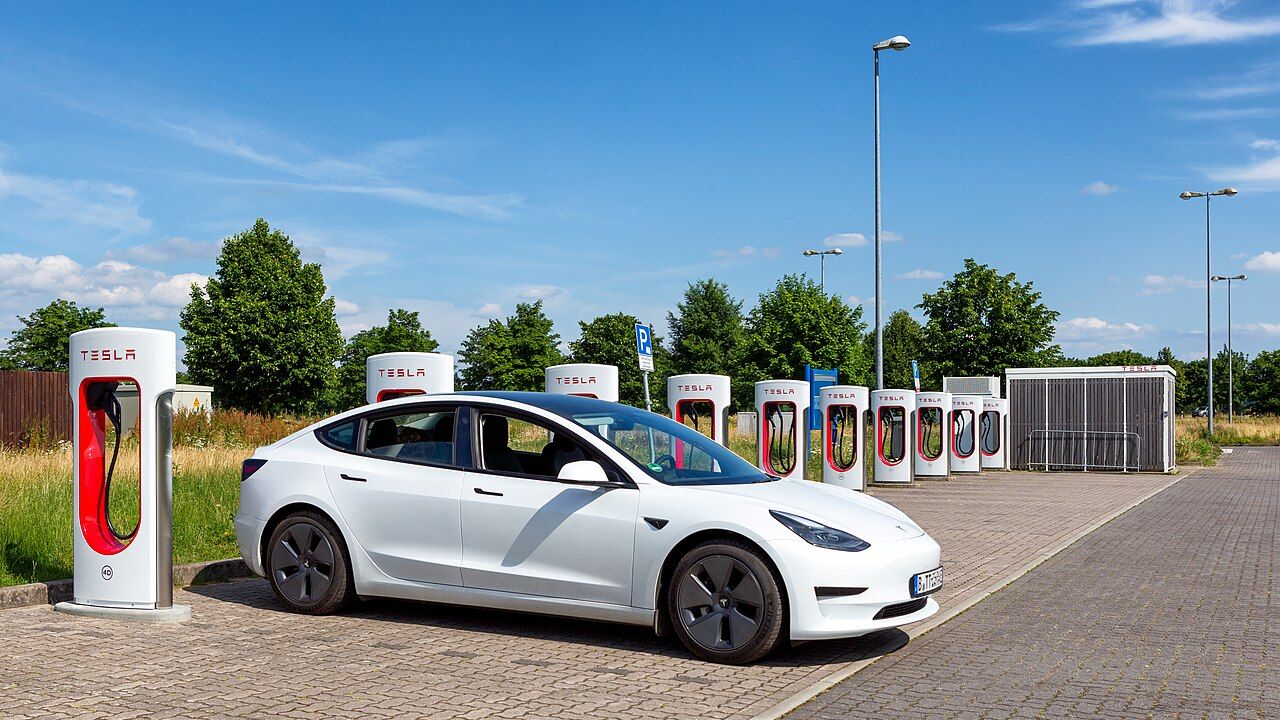
Smart grids and renewable energy sources play a vital role in optimizing charging networks. By integrating renewable energy, such as solar and wind, operators can reduce the carbon footprint of charging stations and offer more sustainable solutions. These advancements not only improve the environmental impact of EVs but also enhance grid stability and efficiency.
Addressing Infrastructure Challenges
Deploying charging stations poses several logistical challenges, particularly in urban and rural areas. Urban environments often face space constraints and regulatory hurdles, while rural areas may lack the necessary infrastructure to support extensive networks. Companies like ChargePoint are working to overcome these challenges by developing scalable solutions that can be adapted to various settings.
Standardization and interoperability are also critical factors in the growth of charging networks. Ensuring that different charging stations and vehicles are compatible is essential for a seamless user experience. The development of universal charging standards, such as the Combined Charging System (CCS), is helping to address these issues, promoting a more interconnected and user-friendly network.
Competition and Market Dynamics
Key Players and Market Share
The EV charging market is highly competitive, with a mix of established companies and innovative startups vying for market share. Leading players like Tesla, ChargePoint, and EVgo dominate the landscape, leveraging their extensive networks and technological expertise to maintain a competitive edge. Tesla’s proprietary Supercharger network is a significant differentiator, offering unique advantages to its customers.
However, new entrants and startups are challenging traditional business models with innovative approaches and technologies. Companies like Ionity, a joint venture between major automakers, are rapidly expanding their networks across Europe, emphasizing ultra-fast charging and strategic location placement. This competition drives innovation and ultimately benefits consumers by providing more options and better service quality.
Global Market Trends
EV charging network development varies significantly across regions, influenced by local market conditions and regulatory environments. North America, Europe, and Asia each present unique challenges and opportunities for network operators. In North America, the vast geographic area and diverse regulations require tailored approaches, while Europe’s stringent emissions targets drive rapid infrastructure expansion.
Asia, particularly China, represents a significant growth market due to its large population and government support for EV adoption. International policies and agreements, such as the Paris Agreement, also impact the competitive landscape by encouraging countries to invest in sustainable transportation solutions. As a result, companies must adapt to regional differences while maintaining a global perspective to succeed in this dynamic industry.
Future Outlook and Opportunities
Predicted Market Growth
The future of EV charging networks appears promising, with forecasts predicting substantial growth in the coming years. As EV adoption continues to rise, the demand for charging infrastructure will follow suit. According to BloombergNEF, global EV sales are expected to reach 10 million by 2025, necessitating a corresponding expansion of charging networks.
Technological breakthroughs, such as advancements in battery technology and autonomous charging systems, may further accelerate market growth. As consumer behavior shifts towards more sustainable options, companies that invest in innovative solutions and customer-centric services will likely thrive in this evolving landscape.
Sustainability and Environmental Impact
Charging networks play a crucial role in advancing sustainable transportation goals by supporting the transition to electric vehicles. By integrating renewable energy sources and optimizing grid efficiency, these networks can significantly reduce the carbon footprint associated with vehicle charging. Initiatives like the Greenlots partnership with Shell aim to create more sustainable charging solutions by incorporating solar energy and energy storage technologies.
As the industry progresses, the potential to further reduce environmental impact and enhance sustainability will grow. Companies that prioritize eco-friendly practices and invest in sustainable technologies will be well-positioned to lead the charge towards a greener future.