Chrysler has long been a symbol of resilience and innovation in the American automotive industry. Despite facing numerous challenges and market fluctuations, the company has continually reinvented itself to stay relevant and competitive. This exploration delves into the reasons behind Chrysler’s persistent evolution and its impact on the automotive landscape.
The Historical Context of Chrysler’s Transformations
Founded in 1925 by Walter Chrysler, the company quickly marked its presence in the automotive world with innovative designs and engineering feats. The introduction of the Chrysler Six, with its advanced hydraulic brakes and high-compression engine, set a new standard in the industry. This initial success laid the groundwork for a reputation built on innovation and quality, helping the company flourish in its early years.
The 1970s, however, brought significant challenges. As the oil crisis hit and consumer preferences shifted toward more fuel-efficient vehicles, Chrysler faced severe financial difficulties. By 1979, the company was on the brink of collapse, prompting a historic $1.5 billion bailout from the U.S. government. This intervention, coupled with the introduction of the K-cars and the minivan, helped Chrysler recover, demonstrating its ability to adapt and survive in a changing landscape.
The merger with Daimler-Benz in 1998 was a pivotal moment in Chrysler’s history. The strategic alliance aimed to create a global automotive powerhouse, combining German engineering prowess with American design and marketing. While the merger initially promised growth and innovation, cultural clashes and strategic misalignments led to a rocky partnership. By 2007, Daimler divested its stake, yet the experience left a lasting influence on Chrysler’s strategic outlook.
Market Pressures and Consumer Preferences
Consumer demands have continually evolved, pushing Chrysler to keep pace with changing tastes and preferences. During the 1980s and 1990s, the rise of SUVs and minivans saw Chrysler capitalizing on this trend with models like the Dodge Caravan and Jeep Grand Cherokee. These vehicles became synonymous with Chrysler’s ability to meet consumer needs, reinforcing its position in the market.
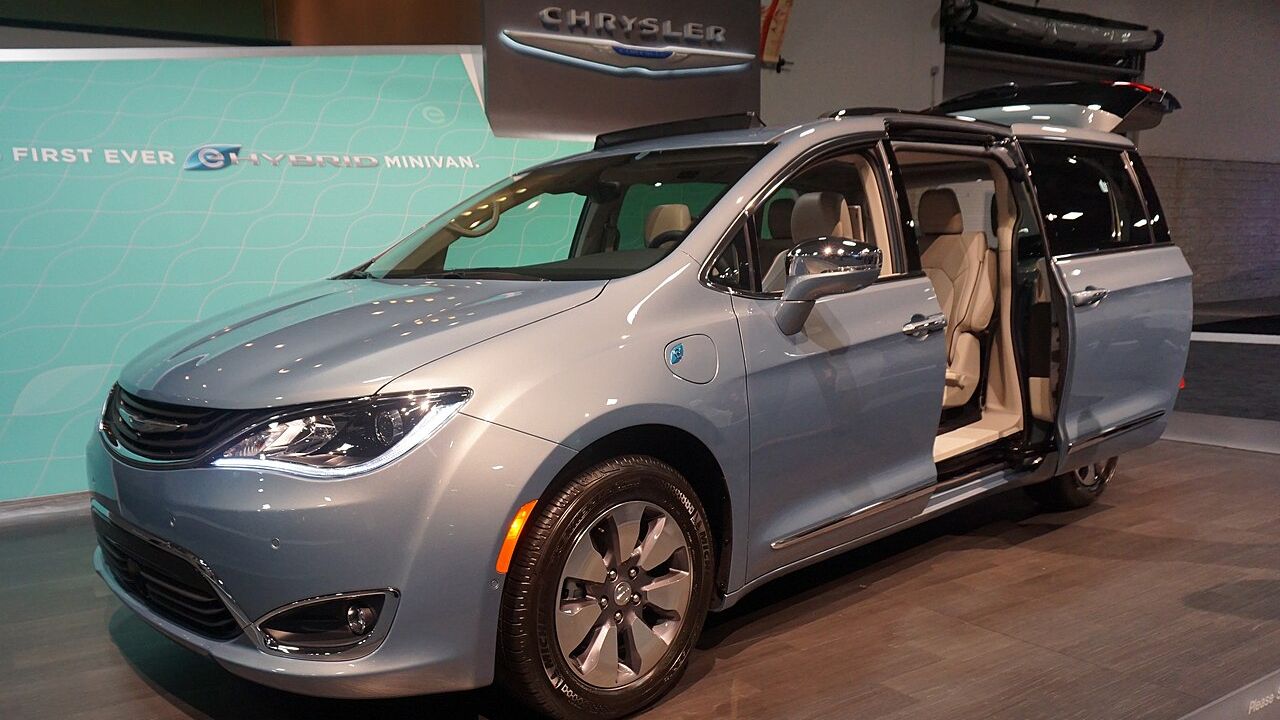
The global automotive landscape has intensified competition, with manufacturers from Asia and Europe entering North American markets. To maintain its market share, Chrysler has had to innovate and streamline its operations, focusing on efficiency and customer satisfaction. The introduction of models like the Chrysler Pacifica Hybrid showcases how the company has responded to competitive pressures while addressing the growing demand for eco-friendly vehicles.
Environmental regulations have further shaped Chrysler’s strategies. As governments worldwide impose stricter emissions standards, Chrysler has invested in cleaner technologies and sustainable practices. The shift towards electrification is evident in Chrysler’s commitment to producing electric vehicles (EVs), such as the upcoming fully electric Jeep models, aligning with its sustainability goals.
Technological Advancements and Innovation
Embracing new technologies has been crucial for Chrysler’s longevity. The company has consistently integrated cutting-edge advancements into its vehicles, enhancing both performance and safety. For instance, Chrysler’s adoption of advanced driver-assistance systems (ADAS) has improved the driving experience, offering features like adaptive cruise control and lane-keeping assist in models such as the Chrysler 300.
The move towards electric and autonomous vehicles marks a significant shift in Chrysler’s innovation strategy. Collaborations with tech giants like Waymo have propelled Chrysler into the autonomous vehicle space, with the Chrysler Pacifica Hybrid serving as the platform for Waymo’s self-driving technology. This partnership underscores Chrysler’s commitment to staying at the forefront of automotive innovation.
Strategic collaborations have also played a vital role in enhancing Chrysler’s capabilities. Partnerships with suppliers and tech companies have enabled Chrysler to access new technologies and improve its manufacturing processes. These alliances have helped the company maintain its competitive edge while exploring new growth opportunities.
Corporate Strategy and Leadership
Chrysler’s ability to navigate turbulent times can be attributed to visionary leadership and strategic decision-making. Leaders like Lee Iacocca and Sergio Marchionne have been instrumental in steering the company through crises and driving its reinvention. Their bold strategies and willingness to innovate have left a lasting impact on Chrysler’s corporate culture.
Financial restructuring has been a recurring theme in Chrysler’s history. The company’s ability to secure funding and manage its finances effectively has been crucial to its survival. The 2009 bankruptcy and subsequent acquisition by Fiat marked another turning point, leading to the creation of Fiat Chrysler Automobiles (FCA) and providing the financial stability needed for future growth.
Brand identity and marketing have also been central to Chrysler’s strategy. The company has effectively leveraged its American heritage and reputation for quality to appeal to a diverse consumer base. Marketing campaigns highlighting Chrysler’s commitment to innovation and performance have resonated with consumers, strengthening its brand image.
The Future of Chrysler
Looking ahead, Chrysler’s future vehicle lineup promises exciting innovations. The company plans to expand its electric vehicle offerings, with models like the electric Jeep Wrangler and Chrysler Airflow Concept signaling its commitment to sustainable mobility. These advancements will play a crucial role in meeting the evolving demands of consumers and environmental regulations.
Despite its successes, Chrysler faces significant challenges. The rapid pace of technological advancement and evolving consumer expectations require continuous adaptation. Additionally, the global economic landscape and geopolitical tensions may impact Chrysler’s operations and supply chain. The company must remain agile and innovative to navigate these challenges effectively.
Chrysler’s long-term vision focuses on sustainable growth and technological leadership. By prioritizing innovation and customer satisfaction, Chrysler aims to solidify its position as a leader in the automotive industry. The company’s strategic goals include expanding its electric vehicle lineup, enhancing its manufacturing processes, and fostering strategic partnerships to drive future success.