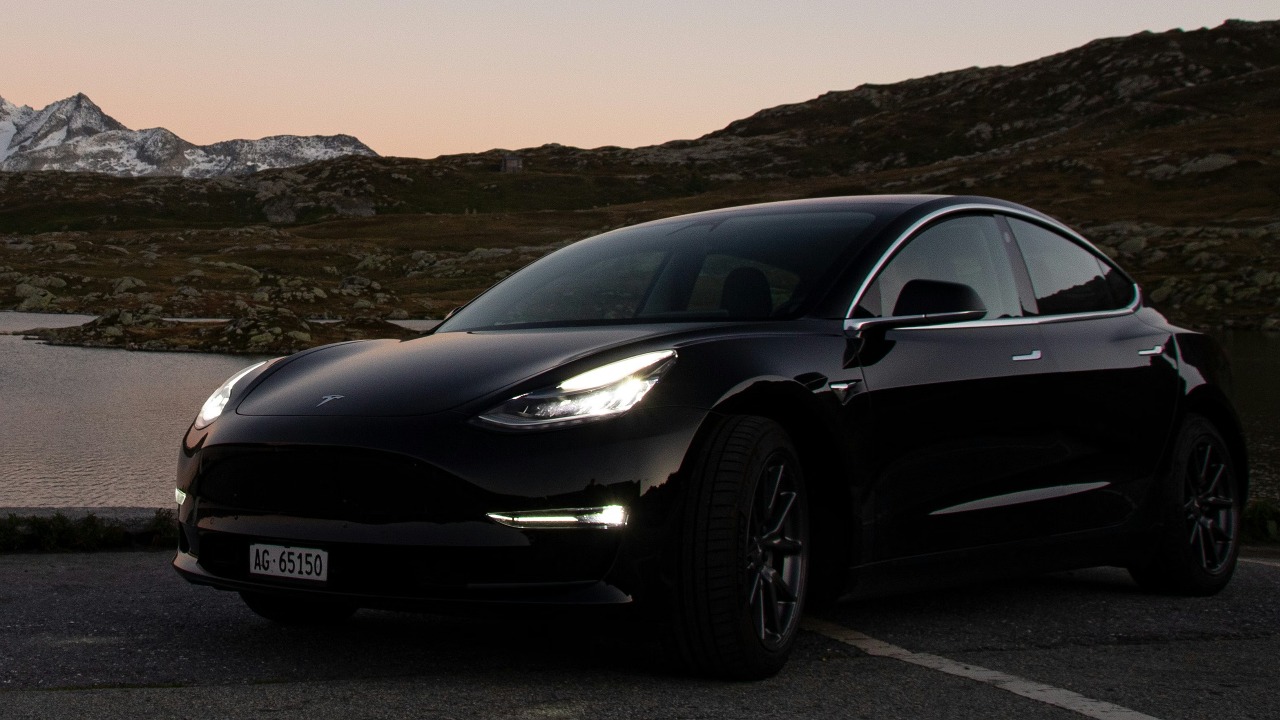
Automakers are quietly stripping out familiar features as they race toward a more software-driven, electrified future, and many of the changes will be impossible to miss by 2026. Some of the most recognizable parts of a car’s interior and exterior are being redesigned, digitized, or removed entirely, replaced by touchscreens, apps, and sensors that promise convenience but also raise new questions about cost, safety, and control.
As I look across current model updates and regulatory timelines, a clear pattern emerges: hardware that can be simulated in software is on the chopping block, and anything that complicates emissions, safety, or manufacturing is under pressure. What replaces those pieces is not always better or worse, but it is almost always more connected, more automated, and more tightly integrated with the rest of the vehicle.
Physical buttons and knobs give way to screens and software
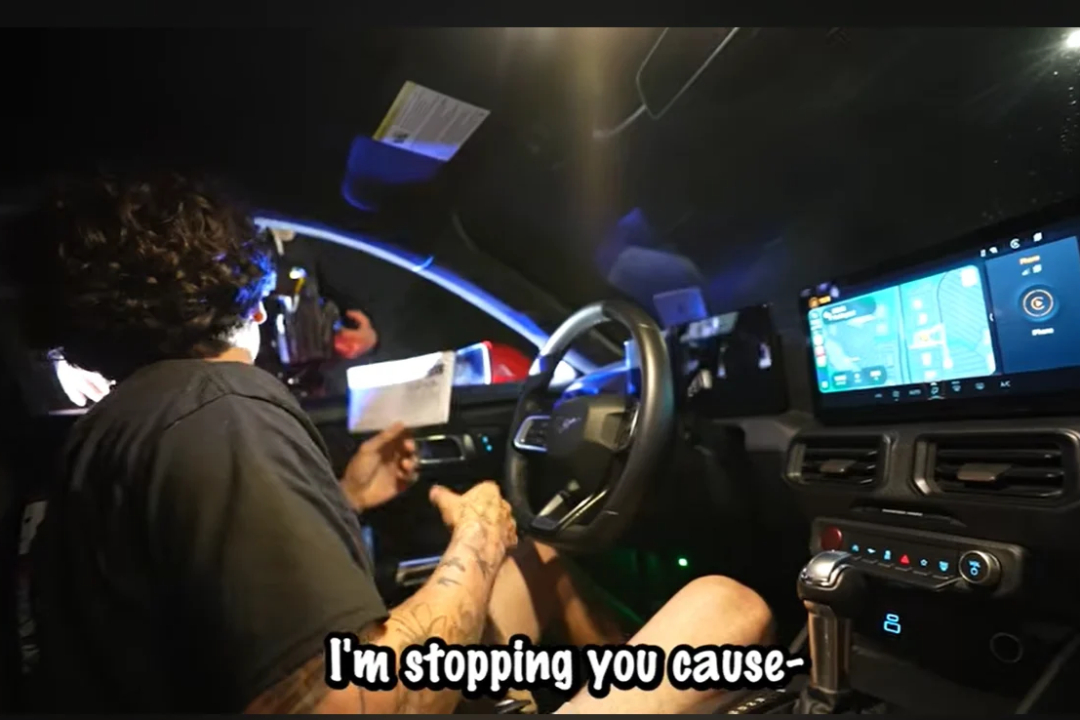
The most visible shift inside new cars is the retreat of physical controls in favor of large touchscreens and capacitive panels. Traditional knobs for climate, audio, and drive modes are disappearing as automakers consolidate functions into central displays and steering‑wheel touch surfaces, a trend that has accelerated with the latest generations of electric vehicles and premium SUVs. By the middle of the decade, it will be difficult to buy a mainstream model without a tablet‑style interface dominating the dashboard, with only a handful of safety‑critical buttons left behind.
Manufacturers argue that this consolidation cuts costs, simplifies wiring, and allows them to update interfaces over the air, turning the cabin into a software platform rather than a fixed set of switches. Newer systems layer in voice assistants and contextual menus so drivers can adjust navigation, media, and vehicle settings through a single screen instead of hunting for scattered controls, a direction reflected in recent infotainment rollouts and over‑the‑air upgrade programs documented in connected‑car coverage. At the same time, safety researchers and regulators have begun scrutinizing how much attention these touch‑heavy layouts demand, and some brands have already walked back the most aggressive designs by restoring key physical buttons after customer complaints, a reminder that the march toward all‑screen interiors is not entirely frictionless.
Traditional keys, gauges, and shifters are replaced by digital controls
Mechanical keys, analog gauges, and bulky shift levers are rapidly becoming artifacts of an earlier automotive era. Many new models now ship with keyless entry and push‑button start as standard equipment, and several brands are rolling out phone‑based digital keys that let owners unlock and drive their cars using a smartphone app. By 2026, I expect the classic metal key to be largely confined to entry‑level trims and older used vehicles, as manufacturers lean into app‑centric ownership and subscription‑based access features that are already described in connected‑service reporting.
Inside the cabin, analog speedometers and tachometers are giving way to fully digital instrument clusters that can reconfigure themselves for navigation, driver‑assistance views, or energy‑use data. Paired with compact electronic shifters or steering‑column toggles, these screens free up space for storage and wireless charging pads while also tying the driving experience more tightly to the vehicle’s software stack, a shift that aligns with the broader move toward centralized computing described in software‑defined vehicle analysis. The trade‑off is that failures or bugs can now knock out critical information or controls in one stroke, which is why regulators and safety advocates are watching digital clusters and shift‑by‑wire systems closely as they become the default rather than the exception.
CD players, standalone navigation, and some radio features fade into the cloud
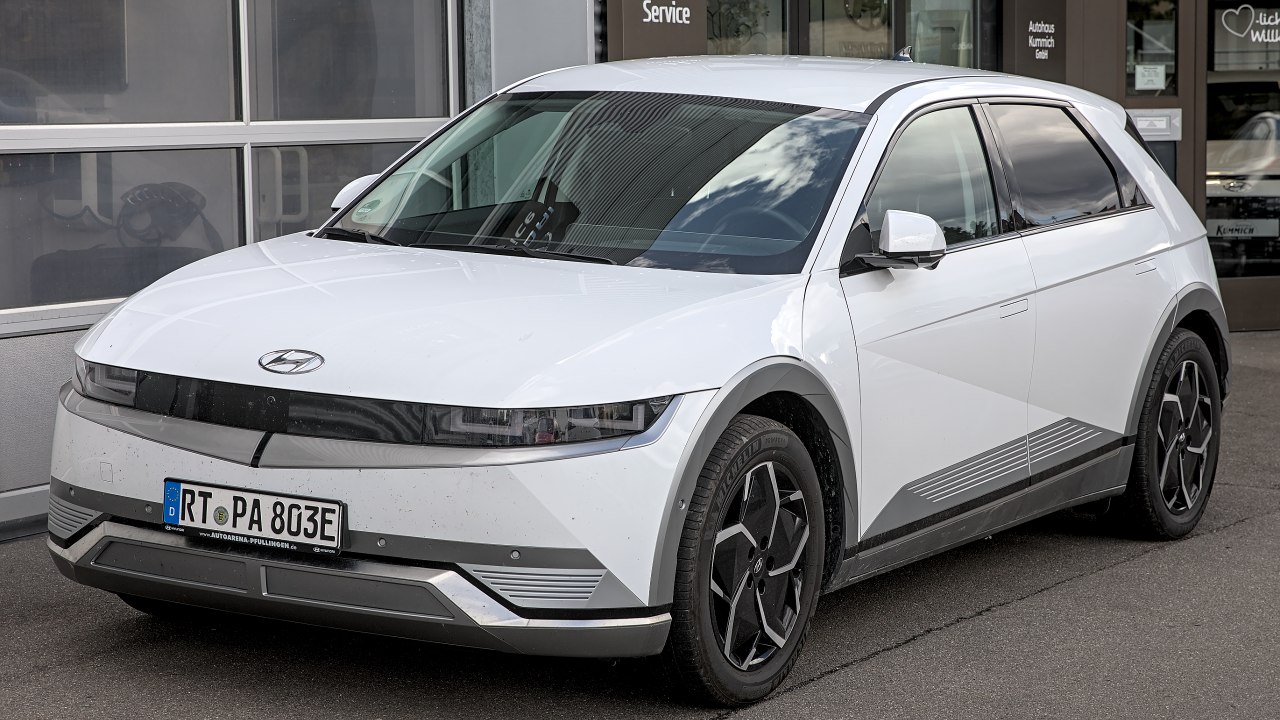
In‑car entertainment is undergoing its own quiet reset as physical media and proprietary navigation systems give way to streaming and smartphone projection. Factory CD players have already vanished from most new vehicles, and by 2026 they will be effectively extinct in mainstream lineups, replaced by Bluetooth audio, USB‑C ports, and native apps that stream music and podcasts over cellular connections. Even built‑in navigation is losing ground to Apple CarPlay and Android Auto, which mirror phone‑based maps and traffic data on the dashboard screen, a shift that has been documented in infotainment feature breakdowns and recent owner‑satisfaction surveys.
Radio is changing as well, with some automakers experimenting with removing AM tuners from electric vehicles because of interference issues and packaging constraints. That move has already triggered pushback from emergency‑management officials and lawmakers who view AM broadcasts as a critical backup channel, prompting proposals that would require carmakers to keep the feature or provide equivalent access to emergency alerts, as outlined in regulatory filings. Even where AM and FM remain, the emphasis is shifting toward internet‑delivered audio and personalized content, which ties drivers more tightly to subscription services and over‑the‑air updates than to the simple knobs and presets that once defined in‑car listening.
Manual transmissions, hydraulic controls, and some engine tech lose ground to automation
Under the skin, the march toward automation and electrification is sidelining several mechanical staples that once defined how a car felt to drive. Manual transmissions are the most visible casualty: as automatic gearboxes, dual‑clutch units, and single‑speed EV drivetrains dominate, the number of new models offering a clutch pedal has shrunk to a niche list of performance cars and enthusiast‑oriented trims. Industry sales data and model‑year updates tracked in transmission availability reports show that by the middle of the decade, three‑pedal options will be rare enough that many younger drivers will never learn to operate one.
Other analog systems are being replaced by electronically controlled alternatives that integrate more easily with driver‑assistance features. Hydraulic power steering has largely given way to electric power steering that can be tuned in software and linked to lane‑keeping systems, while traditional vacuum‑based engine controls are being supplanted by drive‑by‑wire throttles and brake‑by‑wire setups in hybrids and EVs. These changes support advanced driver‑assistance systems and over‑the‑air calibration tweaks described in safety‑technology research, but they also mean that more of the car’s core behavior depends on sensors, code, and remote updates rather than purely mechanical linkages that a local shop can diagnose with basic tools.
Side mirrors, spare tires, and simple safety gear give way to sensors and software
Even the exterior hardware that drivers have taken for granted is starting to change as automakers chase efficiency and advanced safety ratings. Traditional side mirrors add aerodynamic drag and wind noise, so several manufacturers have begun testing camera‑based mirror systems that use small exterior pods and interior screens to show what is alongside and behind the vehicle. Regulatory approvals for these digital mirrors vary by market, but the direction of travel is clear in concept vehicles and limited‑run production models highlighted in camera‑monitoring system filings, and by 2026 more regions are expected to allow them as full replacements for glass mirrors.
At the same time, cost and packaging pressures are pushing spare tires out of many trunks, replaced by tire‑repair kits and roadside‑assistance programs. Automakers argue that eliminating the spare saves weight and frees up space for batteries or third‑row seating, a rationale that aligns with the efficiency and range targets detailed in electric‑vehicle technical summaries. Safety equipment is evolving too: basic backup cameras are now mandatory on new passenger vehicles in the United States, and automakers are layering on parking sensors, cross‑traffic alerts, and automated emergency braking that rely on radar and cameras rather than driver judgment alone, a progression documented in advanced‑braking commitments. As these systems become standard, older habits like shoulder‑checking alone or relying solely on mirrors will increasingly be supplemented, and sometimes overridden, by software that decides when a warning or automatic intervention is necessary.
More from Fast Lane Only: