Performance parts, flashy body kits, and custom paint can feel like easy ways to make a car stand out, but the market usually punishes those choices when it is time to sell. Buyers shopping used vehicles tend to pay more for originality, reliability, and clean history, which means certain popular modifications can drain thousands from resale value far faster than owners expect. I want to walk through the specific upgrades that most reliably scare off buyers and dealers, and why the data and expert guidance point toward restraint rather than radical customization.
Why most aftermarket mods drag prices down
The core problem with heavy customization is simple: the more a car reflects one person’s taste, the fewer people will want to pay top dollar for it later. I see this pattern repeated across guidance for sellers, where experts stress that buyers usually prefer stock vehicles because they are easier to insure, easier to finance, and less likely to hide abuse. One detailed look at resale notes that even seemingly practical upgrades like aftermarket alarm systems or professional audio can either help or hurt value depending on how cleanly they are installed and how reversible they are, which underlines how sensitive the market is to anything that deviates from factory specification on Aftermarket parts.
Across broader Analysis of resale trends, the pattern is consistent: modifications rarely increase value and often make a car harder to sell at any price. One breakdown of “Do Aftermarket Parts Affect Car Resale Value, Complete Impact Analysis” from Aug 26, 2025, highlights that extreme visual or performance changes are red flags for many shoppers, who read them as signs of hard driving or future repair headaches. Another guide focused on “Auto Modifications That Can Ruin Your Car, Value” from Eastern Shore Luxury Cars, dated Mar 4, 2024 and March 5th, 2024, reinforces that point by warning that aggressive changes can shrink the pool of interested buyers and push dealers to discount trade-in offers heavily.
Body kits, spoilers, and other styling that buyers hate
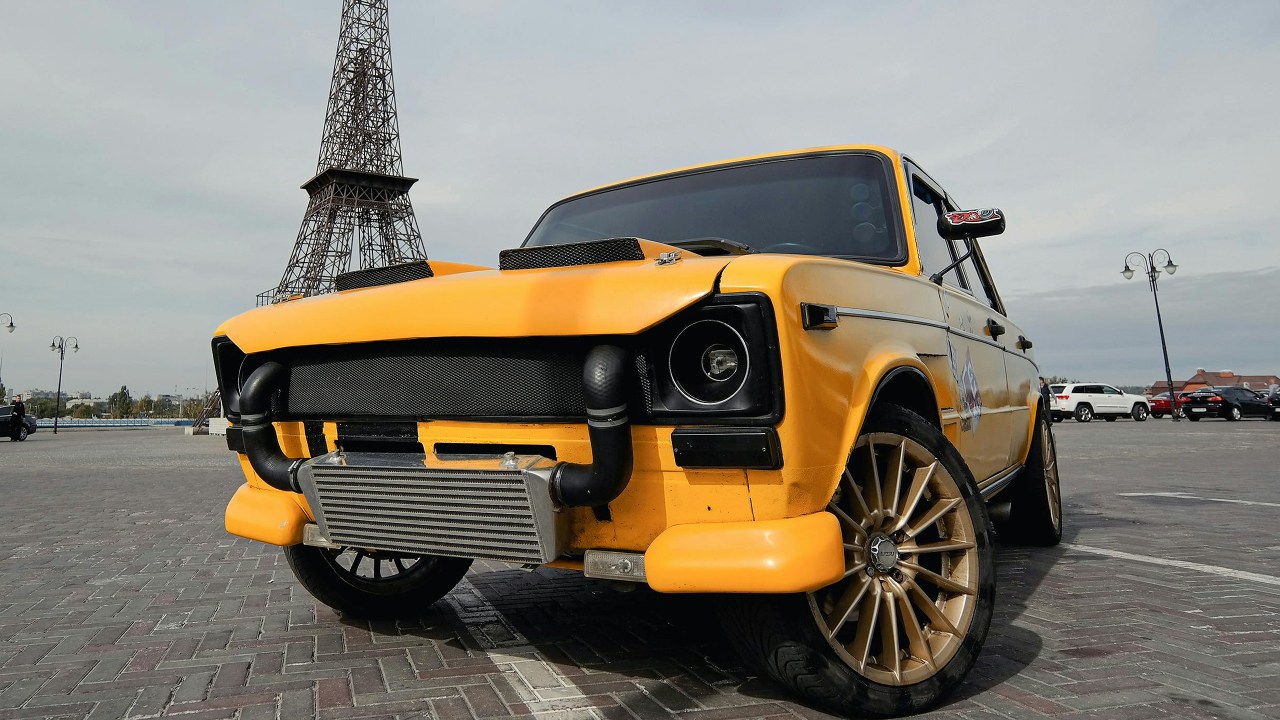
Few upgrades tank resale faster than body modifications that dramatically change how a car looks. Big wings, aftermarket bumpers, and flared fenders might appeal to a niche crowd, but most used buyers want clean lines and factory proportions. A guide on “What Are the Top, Car Modifications That Affect Resale Value” from Nov 5, 2021 singles out Body modifications, noting that “Your” new spoiler or hood might not match the next owner’s taste and can actually make the car look older or cheaper than a stock example from the same model year. When I look at used listings, I see that heavily kitted compact cars, like a Honda Civic with an oversized wing and aftermarket front fascia, often sit longer and sell for less than unmodified equivalents.
Survey data on disliked upgrades backs up that impression. A detailed guide on modifications that devalue cars, published Aug 21, 2024, lists a range of cosmetic changes under a table titled “First up: The mods we love to hate,” and shows how certain Modification types are widely unpopular among drivers. The same pattern appears in a breakdown of how car add-ons affect resale, which notes that body kits and cheap interior accents can drag down value because they are often poorly fitted and hard to reverse without repainting or replacing panels. When a buyer sees mismatched paint around a replaced bumper or side skirt, they may also worry about hidden crash damage, which further depresses offers.
Oversized rims, noisy exhausts, and other daily-drive killers
Some of the most common mods that owners love are exactly the ones that make a car less livable for the next person. Oversized Rims are a prime example: they can look dramatic in photos, but they usually add weight, hurt ride quality, and increase the risk of bent wheels and damaged suspension on rough roads. A dealer advisory on value-killing upgrades explicitly calls out Oversized Rims as one of five modifications that are not worth the money, warning that buyers see them as a sign of potential alignment issues and higher tire replacement costs. When I compare trade-in quotes, it is common to see dealers discount cars on huge aftermarket wheels because they plan to swap them back to stock before retailing.
Noisy exhaust systems fall into the same category of “fun for the owner, frustrating for everyone else.” A guide on how add-ons affect resale points to noisy mufflers as a clear negative, grouping them with body kits and aftermarket wheels as changes that can decrease a car’s resale value. Another detailed look at “6 Auto Modifications That Can Ruin Your Car, Value” from Eastern Shore Luxury Cars notes that loud exhausts can raise concerns about emissions compliance and prior aggressive driving, which makes cautious buyers walk away. When a used Subaru WRX or Volkswagen Golf GTI shows up with a droning exhaust and lowered suspension, many mainstream shoppers simply move on to a quieter, stock example, which forces sellers to cut prices to attract a smaller enthusiast audience.
Custom paint, wraps, and interior tweaks that scare off buyers
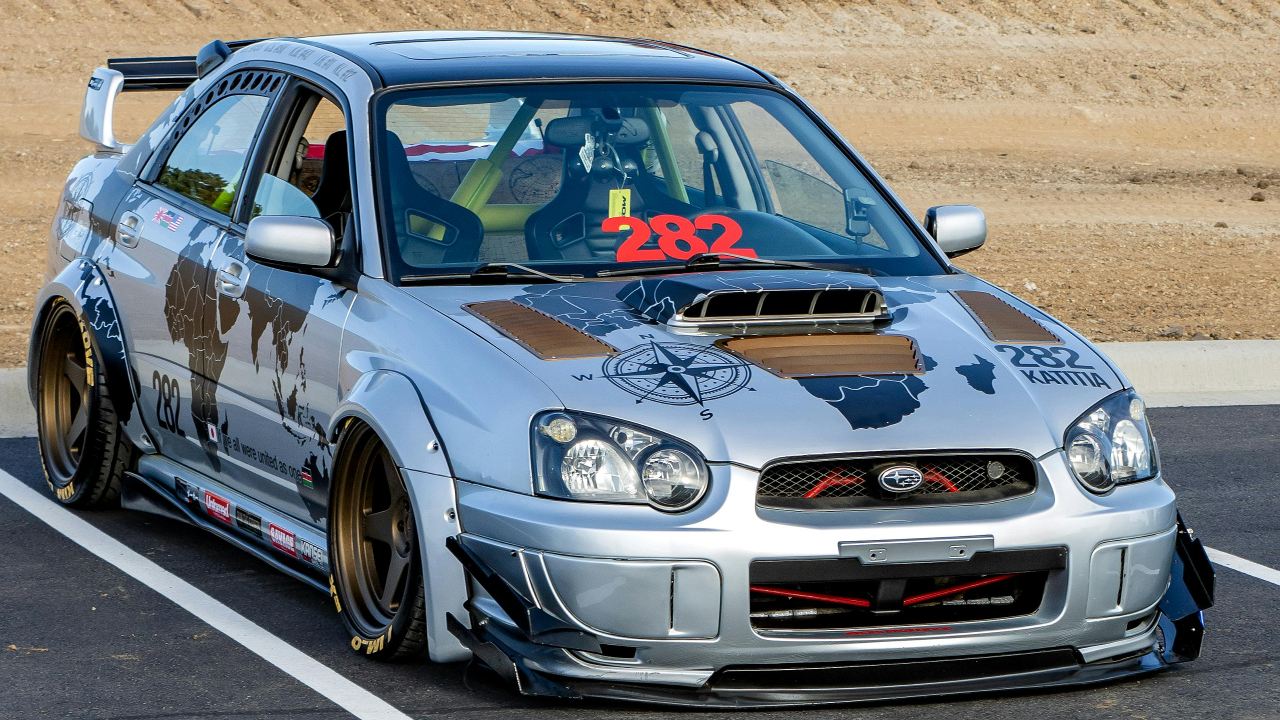
Paint originality is one of the most underrated drivers of resale value, especially on newer or higher end cars. A detailed breakdown from Oct 20, 2025 on “6 Car Mods That Hurt Resale Value (And 5 That Improve It)” notes under the heading “Decreases value, Custom” that non factory paint and wraps are a major turn off for many buyers, who worry about what the new finish might be hiding. The same piece emphasizes that “What” really matters is that original paint is a key point of value, particularly on enthusiast models where collectors track panel repaints closely. When I look at used BMW M3 or Porsche 911 listings, cars with factory paint in good condition routinely command a premium over those with custom colors or full body wraps, even when the modified cars look more dramatic in photos.
Interior changes can be just as damaging, especially when they involve cutting or drilling into factory panels. A guide on how car add-ons impact resale warns that cheap interior accents, such as stick on trim, aftermarket gauges, or bright colored seat covers, can make a cabin feel lower quality and harder to restore to stock. Another analysis of “Do Aftermarket Parts Affect Car Resale Value, Complete Impact Analysis” highlights that poor installation quality is a major red flag, and interior mods are where sloppy work is most visible. When a buyer opens the door and sees mismatched stitching, exposed wiring for a custom audio system, or holes from removed phone mounts, they often assume the rest of the car has been treated with the same lack of care, which drags down offers.
Engine, suspension, and electrical mods that hint at trouble
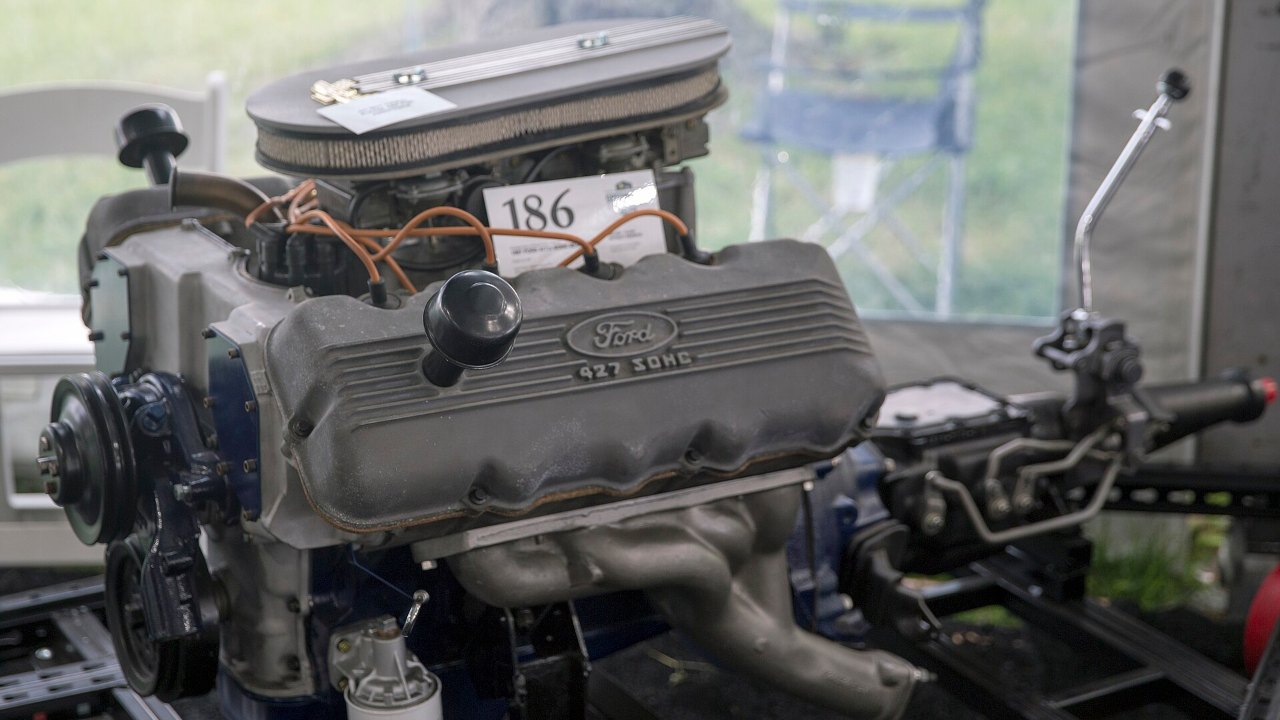
While cosmetic changes are easy to spot, the modifications that worry serious buyers most are often under the skin. Engine tunes, turbo upgrades, and aggressive suspension setups can transform how a car drives, but they also raise questions about reliability and warranty coverage. A detailed guide on “What Are the Top, Car Modifications That Affect Resale Value” from Nov 5, 2021 notes that many buyers specifically want stock engines for reliability, and that performance mods can suggest the car has been driven hard. Another analysis from Oct 20, 2025 on value hurting upgrades reinforces that “Decreases” in value are common once a car has even a few simple bolt on parts, because potential buyers picture track days and street racing rather than gentle commuting.
Electrical changes are another quiet resale killer. Aftermarket alarm systems and professional audio can be selling points when they are installed cleanly, but they can also create a maze of non factory wiring that scares off both buyers and mechanics. A detailed look at how modifications affect resale from Mar 16, 2025 warns that poorly executed changes to a car’s electrical system can lead to complications and increased maintenance costs, especially when installers tap into factory harnesses without proper protection. Another section of the “Crash & Burn” guidance on value killing upgrades highlights “Poorly Executed Mods Even” as a specific risk, noting that sloppy work can damage components and even void warranties. When I see a used car with a hacked in remote start, aftermarket alarm, and custom stereo, I know many buyers will either demand a steep discount or walk away entirely because they do not want to inherit someone else’s wiring experiment.
For owners who care about resale, the pattern across all this reporting is clear: subtle, reversible changes are safest, while extreme or poorly installed mods are almost guaranteed to cost money at trade in time. The market consistently rewards originality, clean workmanship, and factory engineering, and it punishes anything that hints at abuse, future repair bills, or one person’s very specific taste. Before bolting on the next part, it is worth asking not just how it will look or sound today, but how it will read to the next buyer who has plenty of unmodified alternatives to choose from.