The Chevrolet 454 SS pickup started life as a short-lived, straight-line bruiser with a simple mission: put big-block power back in a half-ton truck. Three decades later, that single-minded formula has turned a once-niche performance package into one of the more quietly appreciated modern collectibles, with values and attention rising as enthusiasts search for analog muscle in unexpected places. What began as a modest production run of sport trucks has become a case study in how limited numbers, clear identity, and nostalgia can reframe a workhorse-based vehicle as a desirable toy.
What happened
When Chevrolet introduced the 454 SS for the 1990 model year, the concept was straightforward. Engineers took the regular-cab, short-bed C1500 pickup, dropped in the 7.4‑liter V8 from the heavy-duty lineup, and paired it with a 3.73 rear axle and a beefed-up suspension. In its first year, the truck produced 230 horsepower and 385 pound-feet of torque, delivered exclusively through a three-speed automatic and rear-wheel drive. The idea was to revive the spirit of 1970s big-block Chevelle and Camaro models, only this time in a full-size truck shell.
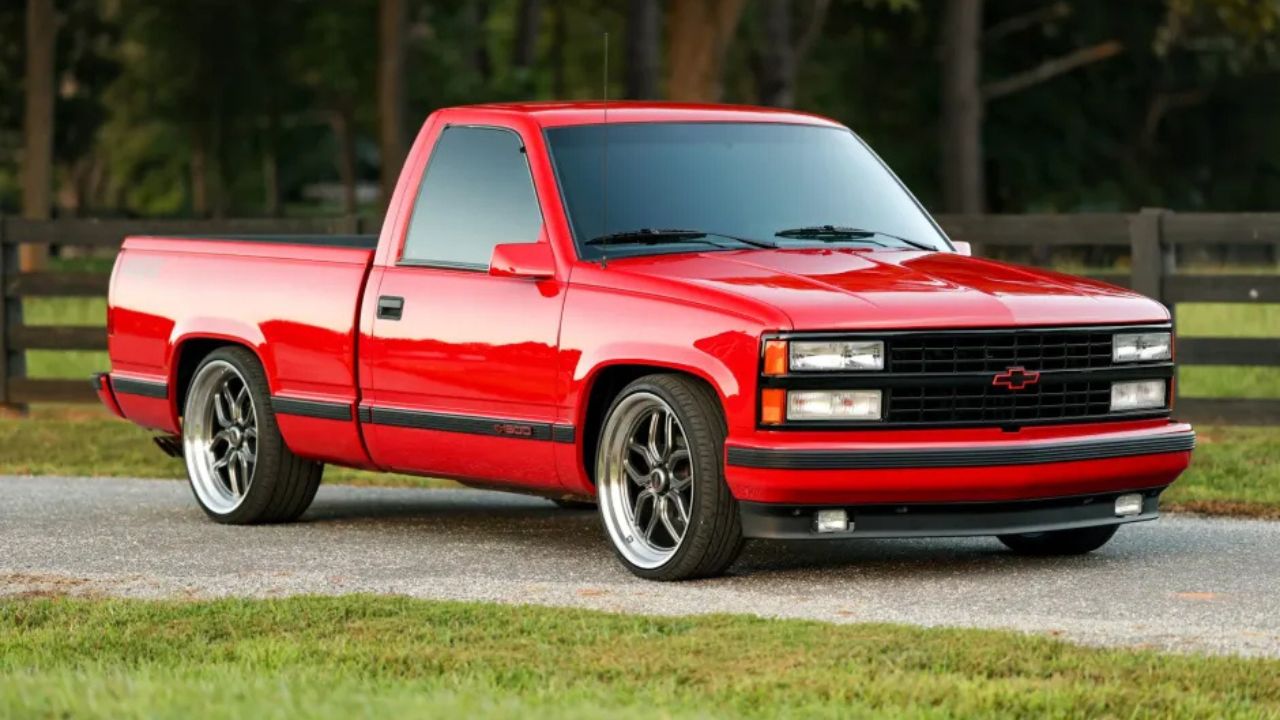
The package was deliberately focused. The 454 SS arrived only as a two-wheel-drive, regular-cab short bed, painted black with distinctive graphics and specific 15‑inch wheels. Inside, the truck carried a simple bench seat and a column shifter. Equipment leaned more toward performance than convenience, with a sport suspension, quick steering, and larger brakes relative to the standard half-ton. It was, in effect, a muscle car that happened to have a bed.
Production remained limited by design and by price. The 454 SS carried a substantial premium over a standard C1500, which kept volumes in check and ensured it never became a common sight even when new. Over its brief run, Chevrolet added colors and incremental improvements, but the basic recipe of a big-block, short-wheelbase, rear-drive truck did not change. That consistency has helped the model retain a clear identity as a performance special rather than a trim package.
At the time, the truck fit into a small but growing performance pickup niche. Ford had the F‑150-based Lightning, GMC offered the turbocharged Syclone and later the Typhoon SUV, and Dodge would eventually bring out the V10-powered Ram SRT‑10. Within that group, the 454 SS was the most old-school of the bunch, relying on displacement and gearing instead of forced induction or high-revving engines. The simplicity did not make it the quickest of the field, but it did make the experience easy to understand and to modify.
For years after production ended, the 454 SS sat in a kind of used-truck limbo. Many examples were driven hard, customized, or used as daily transportation. Prices dipped into accessible territory, and the truck was more likely to appear at local cruise nights than at high-end auctions. Only recently has it begun to move into a different tier of attention, with collectors re-evaluating its place among modern performance vehicles.
Why it matters
The shift in perception around the 454 SS reflects broader changes in the collector market. As buyers who grew up in the late 1980s and 1990s gain spending power, interest has expanded beyond traditional muscle cars into the vehicles that filled posters and video games from that era. A performance pickup with a giant displacement figure on the fender fits that memory perfectly. The truck now appears on lists of modern vehicles that enthusiasts are quietly targeting, with the 454 SS singled out among dream cars collectors are starting to chase before prices climb further.
Part of the appeal comes from the mechanical character that newer vehicles struggle to replicate. The 7.4‑liter V8 delivers its power with a broad, heavy surge, accompanied by the kind of exhaust note that only a big-block can produce. The three-speed automatic keeps the engine in its torque band rather than chasing fuel economy, and the short wheelbase gives the truck a lively, sometimes unruly feel on throttle. In an era when even performance trucks rely on turbocharging, ten-speed automatics, and complex drive modes, the 454 SS offers a straightforward, analog experience.
Rarity also plays a role. While the exact production figures vary by year and configuration, the total number of 454 SS trucks built remains modest compared with mainstream pickups. Survivors that have not been heavily modified, repainted, or rusted out are even thinner on the ground. Collectors increasingly prize originality, which means trucks that still wear their factory wheels, decals, and interior trim command a premium. The limited palette of colors and options makes it easier to judge authenticity, which reassures buyers who are wary of clones or heavily altered examples.
Design has aged in the truck’s favor as well. The square-shouldered GMT400 body, with its clean lines and relatively low beltline, has gained a following among enthusiasts who see it as the bridge between classic boxy pickups and today’s bulkier designs. The 454 SS treatment, with its monochrome paint, body-colored grille, and subtle graphics, gives the truck a purposeful look without the excess of later sport packages. It reads as period correct but not cartoonish, which helps it appeal to both nostalgia-driven buyers and those who simply like restrained styling.
The 454 SS also sits at the intersection of two hot segments: performance vehicles and trucks. Pickup values in general have risen as collectors recognize that work vehicles can also be historic artifacts. Special-edition trucks, from off-road models to limited-run appearance packages, have begun to attract the same attention once reserved for muscle coupes. The 454 SS, with its clear performance intent and limited production, benefits from that trend while also standing apart from more utility-focused variants.
Another factor is usability. Compared with many classic cars, a 1990s half-ton pickup offers modern-enough ergonomics, parts availability, and road manners to handle occasional use without drama. Air conditioning, power accessories, and relatively straightforward maintenance make the 454 SS less intimidating for owners who want to drive their vehicles rather than keep them as static investments. That practicality broadens its appeal beyond hardcore collectors to enthusiasts who might otherwise shop for a late-model Camaro or Corvette.
What to watch next
The key question for anyone tracking the 454 SS is how far its values will climb relative to other performance trucks and to traditional muscle cars. Early signs suggest a steady upward trajectory rather than a sudden spike. Auction results and private-sale chatter point to strong money for low-mile, original examples, especially those with complete documentation and unmodified drivetrains. At the same time, driver-quality trucks with higher mileage still trade at accessible levels, which keeps the model visible at shows and meets instead of locking it away in collections.
Condition and originality will likely become more important as interest grows. Many 454 SS trucks have lived through periods of customization, including lowered suspensions, aftermarket wheels, and engine modifications. While those changes reflected the tastes of earlier owners, the current market tends to reward trucks that remain close to factory specification. Buyers are increasingly cautious about vehicles that have been repainted or heavily altered, both because of authenticity concerns and because returning them to stock can be costly.
Enthusiasts should also watch how the broader performance truck segment evolves. The resurgence of interest in models like the first-generation Ford SVT Lightning, the GMC Syclone, and later Ram SRT‑10 pickups creates a rising tide that can lift all boats. If those trucks continue to gain recognition and value, the 454 SS stands to benefit as a foundational entry in the genre. Conversely, if the market cools on high-horsepower trucks in favor of SUVs or other niches, appreciation could slow.
Regulatory and cultural shifts may further shape the truck’s future. As cities and countries tighten emissions rules and public attitudes toward large-displacement engines change, vehicles like the 454 SS could face more restrictions on where and how they are used. That potential limitation might discourage some buyers, but it could also sharpen the truck’s appeal as a symbol of a bygone era of unfiltered V8 power. Enthusiasts who want to experience that character firsthand may feel pressure to act sooner rather than later.
More from Fast Lane Only