Across independent shops and dealership bays, Honda’s K-series engines have earned a reputation that keeps mechanics talking long after the last bolt is torqued. The family that powers everything from older Civic Si models to current CR-Vs is widely regarded as one of the few modern four-cylinders that can take real abuse and still rack up high mileage. That quiet consensus in service departments is now shaping how buyers, tuners, and used-car shoppers think about long-term reliability.
What happened
When technicians praise a powerplant, they usually start with what they see on the lift. With the K-series, the pattern is consistent: clean internals, even compression, and minimal wear on engines that have spent years in commuter traffic or on the rev limiter at track days. Many shops report K24 units in Accord and CR-V duty running well past 200,000 miles with original bottom ends, provided owners keep up with oil changes and basic cooling-system care.
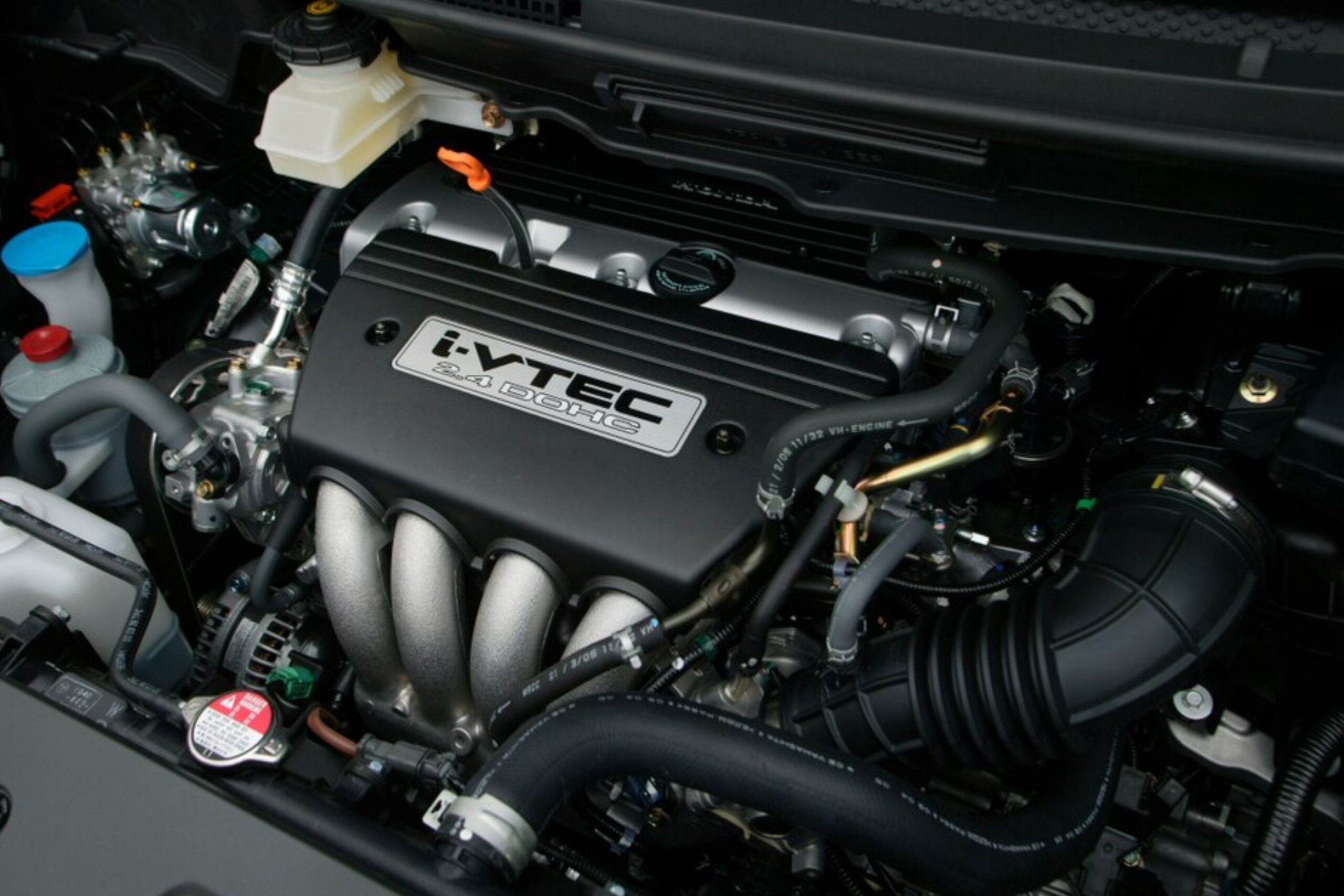
The design helps explain why. The K-series arrived with an aluminum block and head, chain-driven dual overhead cams, and Honda’s i-VTEC system that can adjust both cam phasing and lift. In practice, that combination allows the engine to breathe efficiently at low rpm while still making strong power near redline. Mechanics point to the chain drive and relatively stout bottom end as reasons they rarely see catastrophic timing failures or thrown rods in stock applications.
On the service side, the layout is straightforward. Spark plugs, coils, and accessory belts are accessible, and the timing chain does not require the regular replacement intervals that older belt-driven setups demanded. Independent garages often note that a K-series valve adjustment or water pump job is time consuming but not exotic, which keeps labor costs predictable and reduces the temptation for owners to skip maintenance.
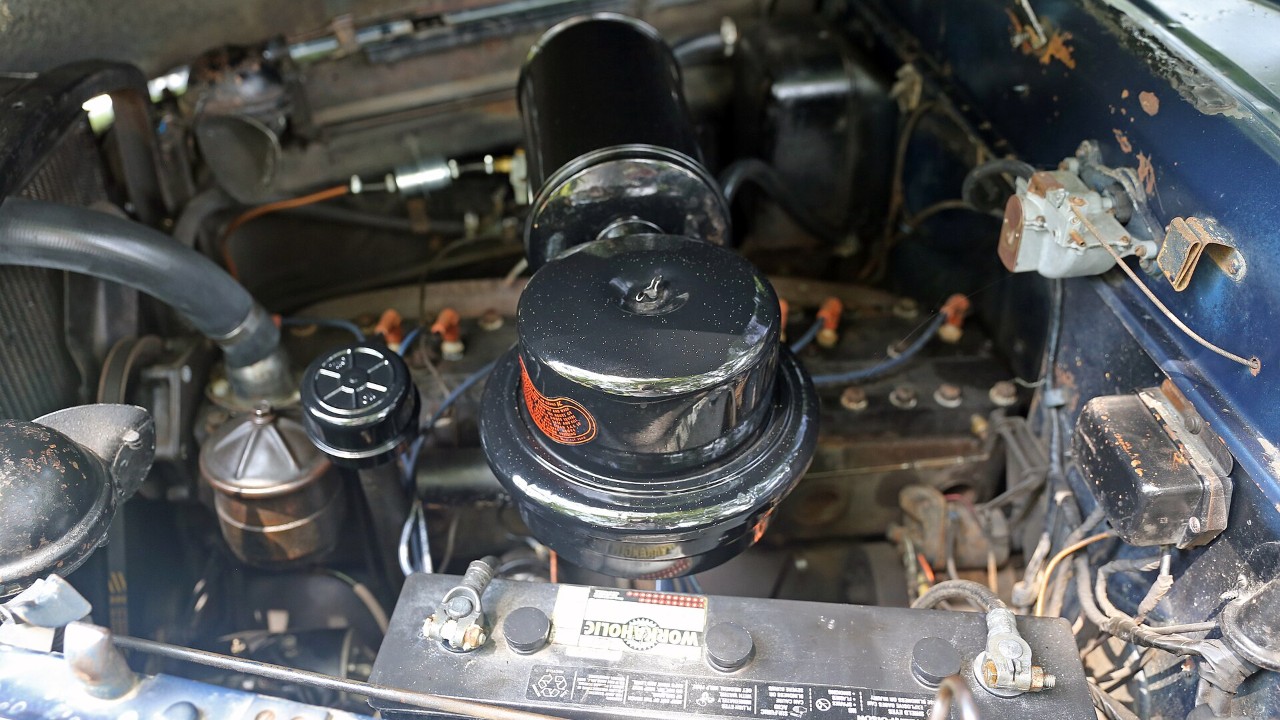
Oil service is another area where the engines earn goodwill in the bay. The K-series in a 2017 Civic, for example, uses a spin-on filter that is easy to reach from below, which encourages frequent changes. Guides that walk owners through choosing the best oil filter for that Civic often emphasize how consistent filtration and correct bypass pressure help these engines maintain stable oil pressure at high rpm. Mechanics see the result when they pull valve covers and find minimal varnish and sludge even on higher mileage cars.
Real-world use has stress-tested the design beyond daily commuting. Track-day drivers and autocrossers have long favored K20 and K24 swaps because the engines tolerate sustained high revs and repeated heat cycles. Many tuners run bolt-on modifications and modest forced induction on stock long blocks, reporting that the engines handle moderate boost without the ringland failures or bearing issues that plague some competitors. In shops that cater to enthusiasts, it is common to see K-series builds that combine junkyard short blocks with refreshed heads and upgraded oiling, then rack up thousands of hard miles.
Even when problems do arise, they tend to be manageable rather than terminal. Some K-series variants have known issues with oil consumption as valve seals age, and others can develop timing chain rattle if owners ignore oil changes. Yet technicians often describe these as repairable annoyances, not signs that the engine is fundamentally fragile. A chain, tensioner, or seal job is far cheaper than an engine replacement and usually restores the powerplant to normal service.
Why it matters
That durability has real economic consequences for owners. In the used market, Civics, Accords, and CR-Vs with K-series engines often command a premium because buyers trust that a well-maintained example can run far beyond the mileage where other brands start to feel tired. Mechanics who perform pre-purchase inspections frequently advise customers that a clean K24 with documented oil changes is a safer bet than a lower-mileage turbo engine from a rival brand with a patchy service history.
For households that keep cars for a decade or more, the equation is straightforward. An engine that can survive 250,000 miles with only routine service spreads the cost of ownership over a longer period. Fewer major failures mean fewer surprise repair bills, which matters for families who rely on a single vehicle for commuting and school runs. Independent shops often see K-series Hondas come in for suspension refreshes or rust repair long before the engine itself shows signs of giving up.
The reputation also influences how enthusiasts allocate their budgets. Instead of reserving thousands of dollars for an engine rebuild, K-swap builders often spend on chassis upgrades, brakes, and tuning, confident that a stock long block will withstand track use at moderate power levels. That confidence has turned the K-series into a default choice for engine swaps into older Civics, Integras, and even non-Honda platforms, which further reinforces the perception of toughness every time a converted car survives another race weekend.
From a broader industry perspective, the ongoing praise highlights a contrast with some newer powertrains that chase efficiency and power density with complex turbocharging and high-pressure fuel systems. While the K-series is hardly primitive, its naturally aspirated architecture avoids some of the failure points that mechanics associate with modern small-displacement turbos. Fewer moving parts in the intake tract, no turbo bearings to cook under heat, and simpler exhaust routing all reduce the number of ways an engine can fail as it ages.
Shops also see the impact on maintenance culture. Owners who hear from their mechanic that their engine is a strong long-term bet are more likely to invest in preventative work instead of trading in at the first sign of trouble. That keeps older Hondas on the road, which has environmental implications as well. Extending a vehicle’s life reduces the frequency of new-car production and the associated manufacturing footprint, even if the older car lacks the latest fuel efficiency gains.
For Honda, the goodwill built by the K-series carries over into newer models that no longer use the same engine architecture. Buyers who had positive experiences with a K24-powered Accord often return to showrooms expecting similar longevity from current turbocharged or hybrid powertrains. Mechanics play a quiet role here, since their informal endorsements during routine service visits shape how owners talk about the brand with friends and family.
What to watch next
The key question for many technicians is how long the K-series era can continue to influence Honda’s engineering choices. As regulations push automakers toward downsized turbo engines and electrification, naturally aspirated four-cylinders with simple layouts are becoming rarer. Mechanics are already comparing the service records of newer Honda turbo engines with the older K-series, watching for whether the same pattern of high-mileage reliability emerges or if new failure modes appear.
Another area to watch is how the aftermarket evolves around aging K-series fleets. As more engines cross the 200,000 mile mark, demand is growing for high-quality replacement components, from timing chains and tensioners to upgraded oil pumps. Independent suppliers are racing to offer parts that match or exceed original equipment standards, and mechanics are paying close attention to which brands hold up in real-world use. The engines’ popularity in swaps also means that salvage-yard pricing and availability will shape future projects.
Maintenance practices will continue to be a dividing line between engines that live and engines that fail early. Shops already encourage K-series owners to stick with quality oil and filters, monitor coolant levels, and address small leaks before they become serious. As more DIY owners turn to online guides for service procedures, the accuracy of that information will influence outcomes. Mechanics are likely to see a split between well-maintained examples that keep running smoothly and neglected cars that develop preventable issues like timing chain stretch or clogged oil passages.
There is also a generational shift underway in who drives and maintains these cars. Younger enthusiasts are discovering K-powered Civics and Accords as affordable entry points into performance driving, often buying vehicles that are already on their second or third owner. How that new wave treats the engines, whether with careful maintenance or hard use without upkeep, will determine how long the K-series legend lasts in workshops.
More from Fast Lane Only