Chevrolet’s history of performance was shaped by one of the most important engineering decisions the company ever made: creating the small-block V8. Introduced in the 1950s, this compact and powerful engine changed the direction of Chevrolet vehicles for decades. Its influence reached sports cars, muscle cars, trucks, and racing machines around the world.
A Risky Engine Project Changed Chevrolet’s Future
In the early 1950s, Chevrolet faced growing competition from manufacturers developing more powerful and advanced engines. The company needed a new powerplant that could deliver stronger performance while remaining affordable and efficient for everyday vehicles.
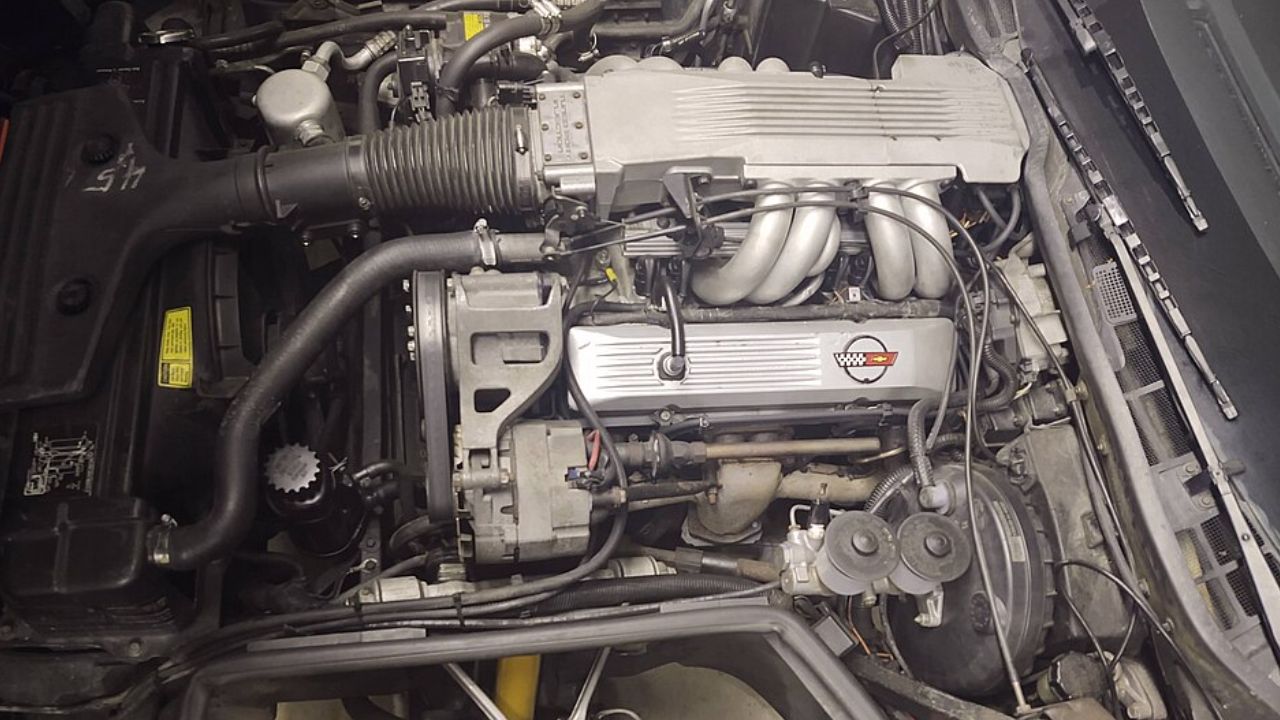
Chevrolet engineers chose a different approach by developing a lightweight small-block V8 instead of relying on larger traditional engine designs. Introduced in 1955, the 265 cubic-inch V8 featured a compact layout, overhead valves, and modern engineering that made it easier to produce and adapt.
The decision was a major gamble because Chevrolet was moving away from familiar engine designs. However, engineers believed a smaller and lighter V8 could provide better performance while improving vehicle balance.
That choice created one of the most successful engine families in automotive history.
Versatility Made the Small-Block a Legend
The greatest strength of Chevrolet’s small-block V8 was its ability to work in countless applications. Its compact dimensions allowed it to fit into a wide range of vehicles, from everyday passenger cars to high-performance sports models.
The engine became a key part of Chevrolet’s performance identity through vehicles such as the Corvette, Camaro, Chevelle, Nova, and various pickup trucks. Each model demonstrated the engine’s ability to provide reliability, power, and adaptability.
Unlike specialized engines designed for only one purpose, the small-block could be modified for different needs. Enthusiasts could build mild street engines, powerful racing combinations, or dependable daily drivers using the same basic architecture.
This flexibility helped the engine remain relevant through changing automotive trends.
Racing Turned Engineering Into Performance
Chevrolet’s involvement in motorsports helped prove the strength of the small-block V8. Racing provided engineers with valuable information about durability, airflow, cooling, and performance improvements.
The Corvette became one of the most important examples of how racing experience influenced production vehicles. Improvements developed through competition helped Chevrolet create faster and more capable road cars.
Drag racers and performance enthusiasts also embraced the small-block because of its strong aftermarket support. The engine’s simple design allowed builders to experiment with different parts and create impressive levels of horsepower.
Success on the track strengthened Chevrolet’s reputation and showed that the company could compete with the best performance manufacturers.
A Decision That Defined Chevrolet Performance
The small-block V8 became more than just an engine—it became the foundation of Chevrolet’s performance legacy. Its design philosophy influenced generations of vehicles and helped establish the brand as a leader in affordable performance.
Modern Chevrolet performance engines continue following many principles introduced by the original small-block: compact design, strong power delivery, and engineering flexibility.
Collectors, racers, and enthusiasts still celebrate the engine because it represents one of the smartest decisions Chevrolet ever made.
The decision to create the small-block V8 shaped generations of performance cars by giving Chevrolet a foundation that could evolve for decades. What began as an engineering gamble became a lasting symbol of innovation, speed, and American automotive creativity.
More from Fast Lane Only
- Unboxing the WWII Jeep in a Crate
- 15 rare Chevys collectors are quietly buying
- 10 underrated V8s still worth hunting down
- Police notice this before you even roll window down
*Research for this article included AI assistance, with all final content reviewed by human editors