Chevrolet’s reputation as a performance brand did not happen by accident. It was forged in the 1960s, an era when horsepower wars, racetrack rivalries, and showroom bragging rights all converged under the hood. The small-block and big-block V8s that filled Chevelles, Camaros, and Corvettes turned everyday family cars into cultural touchstones and reshaped how American drivers thought about speed.
Those engines still define how enthusiasts talk about Chevrolet performance. Their architecture, sound, and tuning philosophy echo through modern V8s, and the cars they powered remain some of the most sought-after machines from the muscle car age.
From workhorse to weapon: how Chevrolet engines evolved in the 1960s
At the dawn of the decade, Chevrolet already had a strong foundation with its small-block V8, introduced in the mid 1950s. By the early 1960s this compact, lightweight design had become a canvas for engineers who kept pushing displacement and compression higher. The 283 cubic inch V8 gave way to the 327, then the 350, each step adding more power while keeping the basic architecture familiar to mechanics and tuners.
The 327 in particular became a legend. In Corvettes and Novas it offered a balance of rev-happy character and everyday drivability that helped cement Chevrolet’s performance image. Later, the 350 cubic inch version would become one of the most widely used American V8s, and enthusiasts still cite it among the best V8 engines for modification and reliability. The continuity of that small-block design meant that what engineers learned in racing could quickly filter into street cars.
Chevrolet did not stop at small displacement. As the horsepower race intensified, the brand expanded into big-block territory with engines like the 396, 427, and 454 cubic inch V8s. These powerplants were physically larger, heavier, and brutally effective. In mid-size cars such as the Chevelle SS and full-size models like the Impala SS, they delivered straight-line performance that matched or exceeded many dedicated sports cars of the era.
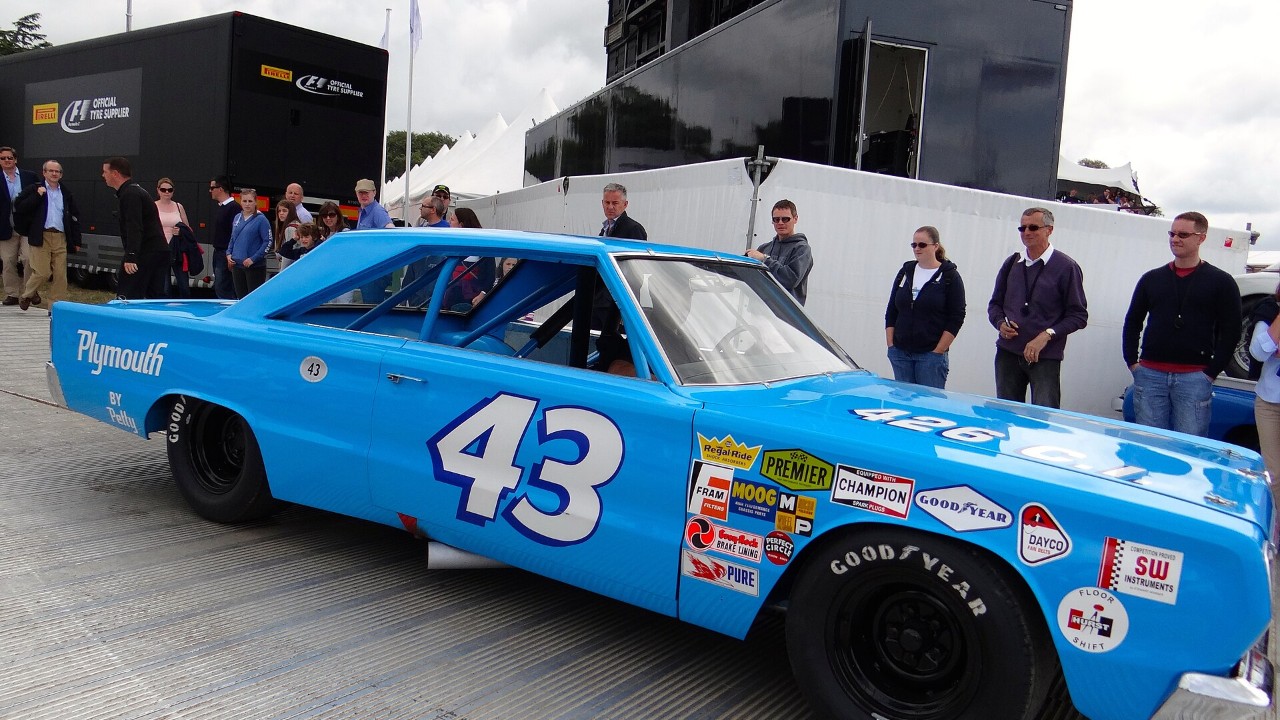
What changed in the 1960s was not just displacement, but intent. Chevrolet began to design engines specifically to win on drag strips and NASCAR ovals, then packaged those same engines in showroom cars. High-lift camshafts, high-flow cylinder heads, and multiple carburetor setups turned what had been workhorse V8s into weapons tailored for performance buyers.
Iconic 1960s Chevrolets that turned engines into legends
The engines of the 1960s cannot be separated from the cars they powered. Models that are now considered among the coolest cars of that decade earned their status largely because of what sat under the hood. The first-generation Camaro, introduced for 1967, offered a range of V8s that escalated from mild to wild, culminating in big-block SS and COPO variants that turned the compact pony car into a serious drag strip contender.
The Chevelle Super Sport told a similar story. Early in the decade it relied on small-block power, but as Chevrolet’s big-block program matured the Chevelle SS 396 became one of the defining muscle cars of the period. The combination of a mid-size chassis and a torque-rich big-block engine made it accessible, fast, and easy to modify, which kept it in the enthusiast spotlight long after production ended.
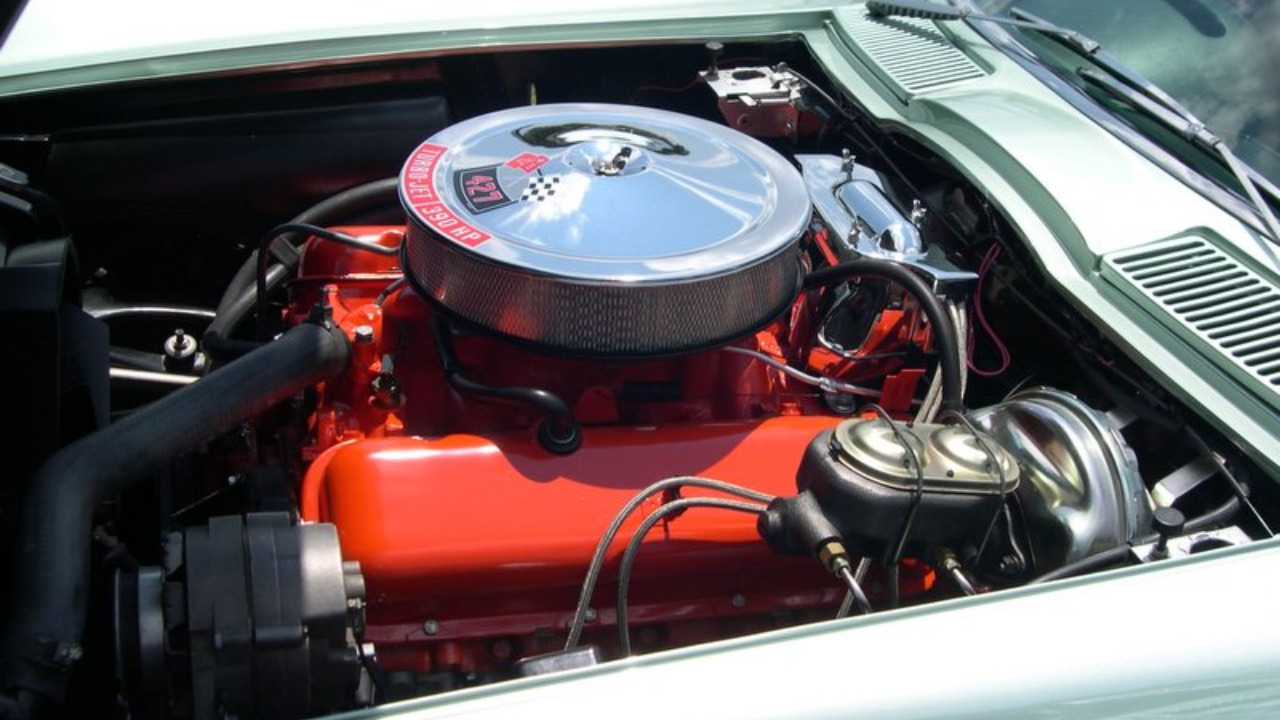
Then there was the Corvette, Chevrolet’s halo car and test bed for its most advanced engines. Throughout the 1960s the Corvette evolved from a stylish sports car into a genuine performance benchmark, thanks to high output small-blocks and, later, the 427 big-block. These engines gave the Corvette the acceleration and top speed it needed to compete with European sports cars while maintaining the distinct character of American V8 power.
Even outside Chevrolet’s own lineup, General Motors used related engine technology to build performance halos. Oldsmobile, for instance, developed its own high output V8s for models like the 4-4-2 and other specialty cars. Some of these, such as a little-remembered Oldsmobile project that enthusiasts now describe as a ghost performance car, showed how GM divisions experimented with shared engineering to chase speed and prestige.
Racing, regulation, and the rise of the Chevrolet performance culture
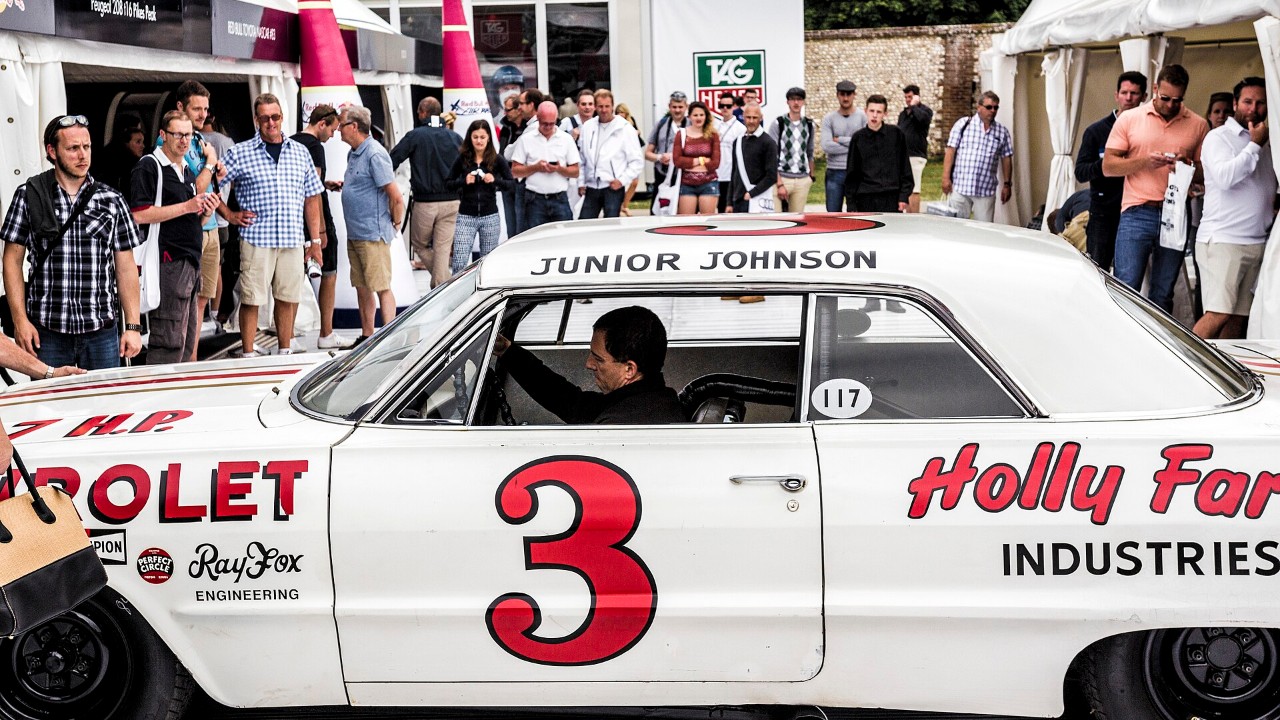
Chevrolet’s 1960s engines were shaped by competition as much as by marketing. Drag racing and stock car racing provided real-world laboratories where engineers could test new components under extreme conditions. Lessons from the strip and the oval influenced cylinder head designs, intake manifolds, and bottom-end durability that later appeared in production engines.
Regulators and insurance companies were also paying closer attention. High advertised horsepower figures and aggressive performance packages attracted scrutiny from safety advocates and policymakers. As the decade closed and emissions and fuel economy rules tightened, Chevrolet had to balance raw output with new technical and legal demands. This tension pushed engineers to think more creatively about efficiency, combustion, and weight reduction, skills that would carry into the 1970s and beyond.
The engines also sparked a culture. Street racing scenes, dealership-backed performance tuning, and an exploding aftermarket all revolved around Chevrolet V8s. Because the small-block design was relatively simple and widely available, owners could swap, rebuild, and upgrade their engines with parts sourced from local speed shops. That accessibility made Chevrolet power the default choice for countless hot rods and kit cars, not just factory muscle.
Why 1960s Chevrolet engines still matter to enthusiasts and engineers
More than half a century later, the engines that defined Chevrolet performance in the 1960s still influence how people build and buy performance cars. Many modern crate engines trace their lineage directly to the small-block architecture of that era. The basic bore spacing, pushrod layout, and compact dimensions remain attractive because they offer a blend of power potential and packaging flexibility that newer designs sometimes struggle to match.
Collectors and restorers continue to chase period-correct powertrains for first-generation Camaros, Chevelles, and Corvettes. Matching-numbers engines can dramatically increase a car’s value, which keeps demand high for original 327, 350, and 427 blocks and heads. At the same time, some builders choose modern internals inside classic castings, creating restomods that look vintage but perform closer to contemporary standards.
The cultural memory of those 1960s engines also shapes how automakers market performance today. References to heritage V8s, retro-inspired badges, and limited-edition packages all lean on nostalgia for the muscle car era. Even specialty programs across General Motors, such as later Firebird and Camaro projects that led to cars like the Firehawk V8, draw on the idea that a powerful, tunable V8 remains central to the brand’s identity.
For engineers, the legacy is more technical. The 1960s proved that modular, scalable engine families could serve everything from full-size sedans to sports cars and trucks. That lesson lives on in current engine strategies, where shared blocks and components support a wide range of outputs and applications while controlling development costs.
What the future holds for Chevrolet’s classic performance heritage
As the industry moves toward electrification and stricter emissions standards, the role of traditional V8 engines is changing. Chevrolet has already introduced electric platforms and downsized turbocharged engines, yet the brand continues to support enthusiasts who want classic V8 power through crate motors and restoration parts. The 1960s engines act as both a benchmark and a marketing tool, reminding buyers that performance is part of Chevrolet’s DNA even as technology shifts.
In the near term, that heritage is likely to live on in several ways. Factory-backed continuation parts programs keep original-spec components available for restorers. High performance crate engines that echo the displacement and character of 1960s small-blocks and big-blocks give builders an easy path to period-style power with modern reliability. Track-focused special editions, whether powered by internal combustion or electric motors, will continue to reference iconic names and engine codes from that decade.
Longer term, the 1960s performance era may become a reference point for how brands manage transitions. Just as Chevrolet once shifted from basic workhorse V8s to purpose-built performance engines, it now faces a shift from combustion to electrified drivetrains. The lesson from the past is that engineering clarity and emotional appeal can coexist. The engines that built Chevrolet’s performance reputation did more than move cars quickly. They created stories, communities, and expectations that still guide how drivers judge performance today.
More from Fast Lane Only
- Unboxing the WWII Jeep in a Crate
- 15 rare Chevys collectors are quietly buying
- 10 underrated V8s still worth hunting down
- Police notice this before you even roll window down
*Research for this article included AI assistance, with all final content reviewed by human editors