The story of a Chevrolet project car that nearly went a different way is not just about metal and horsepower. It shows how a single planning decision can redirect money, traffic, and expectations in a growing community, and how a brand’s local footprint can hinge on zoning lines and neighborhood pushback.
Here, a once-uncertain Chevrolet plan has lined up with a broader reshaping of commercial land, illustrating how local government and auto retail ambitions intersect at the edge of a booming suburb.
How a zoning vote reshaped the Chevrolet project’s trajectory
The turning point for the Chevrolet project car story came not in a design studio but in a county commission chamber. Manatee County commissioners approved a rezoning request that cleared the way for a new car lot along State Road 64 near Lakewood Ranch, a fast-growing corridor where residential rooftops have been rising faster than commercial options. The decision effectively signaled that the next major dealership site, widely expected to be tied to a Chevrolet franchise, would shift toward this stretch of SR 64 rather than remain confined to older auto rows closer to Bradenton.
The rezoning converted land that had been set aside for other commercial uses into a site suitable for a full-scale auto dealership, with showrooms, service bays, and expansive inventory parking. According to the county action, the property near Lakewood Ranch was reclassified to allow automotive sales, a use that had previously been restricted. That change gave the Chevrolet project a new, more flexible canvas after earlier concepts had run into questions about traffic and compatibility with nearby neighborhoods.
Residents along the corridor had raised concerns about congestion on SR 64 and the visual impact of a large car lot. Commissioners weighed those objections against the argument that a modern dealership, built under current design standards, could act as a gateway project for the eastern approach to Lakewood Ranch. The board ultimately sided with the development team, approving the rezoning that now appears to set the stage for a Chevrolet presence along the highway. The plan, described in county documents and local coverage of the rezone car lot, marked a clear pivot away from earlier, more tentative site concepts.
For Chevrolet, the shift toward SR 64 reflects a broader industry trend. Dealers are chasing rooftops and income growth, and Lakewood Ranch has become one of the most active master-planned communities in Florida. A project car or halo model may grab attention on the showroom floor, but the real calculation behind the scenes turns on access, visibility, and the ability to draw service customers from a wide radius. The rezoning gave the brand that opportunity in a corridor that had been under-served by major auto retailers.
From near-miss to strategic foothold in a growing corridor
The Chevrolet project nearly took a different path when alternative locations were still in play. Earlier discussions had focused on infill sites closer to existing commercial clusters, which would have limited the scale of the dealership and constrained test-drive routes and truck access. Those locations also carried higher land costs and tighter buffers with established neighborhoods, adding political risk for both the brand and county leaders.
By redirecting toward SR 64 near Lakewood Ranch, the project moved into an area where the comprehensive plan already envisioned more intensive commercial use. The shift reduced the likelihood of future land use conflicts and allowed planners to integrate the dealership into a broader pattern of big-box retail, medical offices, and service businesses that are emerging along the corridor. The result is a more coherent commercial spine that matches the eastward push of residential development.
The decision also matters for the local tax base. A full-line Chevrolet store, with sales, parts, and service operations, typically generates significant sales tax and tangible personal property tax revenue. Locating that activity near Lakewood Ranch keeps those dollars within Manatee County and positions the corridor as a regional auto destination rather than a pass-through route to larger markets. The rezoning effectively locked in that potential after months when the project’s future location, and even its viability, appeared uncertain.
Traffic engineers will still face pressure to manage the added vehicle trips that come with a dealership of this scale. The SR 64 corridor already carries commuter flows between Lakewood Ranch, Bradenton, and Interstate 75. The approved plan anticipates turn lanes, signal timing adjustments, and internal circulation that keeps car-carrier trucks and service traffic from clogging residential access points. Those details will shape how residents experience the project day to day, long after the ribbon-cutting and early promotional events have faded.
Why the Chevrolet decision resonates beyond car buyers
The new direction for the Chevrolet project car is about more than one brand’s local footprint. It underscores how auto retail decisions now function as anchors for suburban growth. A dealership of this scale draws suppliers, detailers, aftermarket shops, and even quick-service restaurants that cluster nearby to capture the same customer base. In that sense, the rezoning near Lakewood Ranch is a seed for a broader commercial ecosystem.
For residents, the stakes are mixed. On one hand, a nearby Chevrolet store shortens the distance for service appointments and puts more vehicle options within a short drive. On the other, neighbors worry about night lighting, test drives on residential streets, and the long-term visual character of a corridor that once felt semi-rural. The commission’s decision signals that SR 64 is firmly on a path toward urbanized commercial frontage, with the dealership functioning as a visible marker of that transition.
The project also highlights how automakers and dealers are adjusting to shifts in consumer behavior. Even as online research and digital retail tools grow, buyers still want to see and drive vehicles in person, especially performance-oriented project cars and special editions that showcase a brand’s engineering. A modern Chevrolet facility near Lakewood Ranch can support that experiential side of the business while integrating service bays designed for increasingly complex vehicles that blend internal combustion, advanced electronics, and, eventually, electrified powertrains.
Local government, in turn, gains a case study in how land use decisions can either support or constrain that evolution. By approving the rezoning, commissioners signaled a willingness to accommodate large-format auto retail in areas that are still building out, rather than confining dealerships to older commercial strips. That approach may encourage other brands to scout similar sites, accelerating the transformation of SR 64 into a regional auto corridor.
What the next phase could look like for Chevrolet and Lakewood Ranch
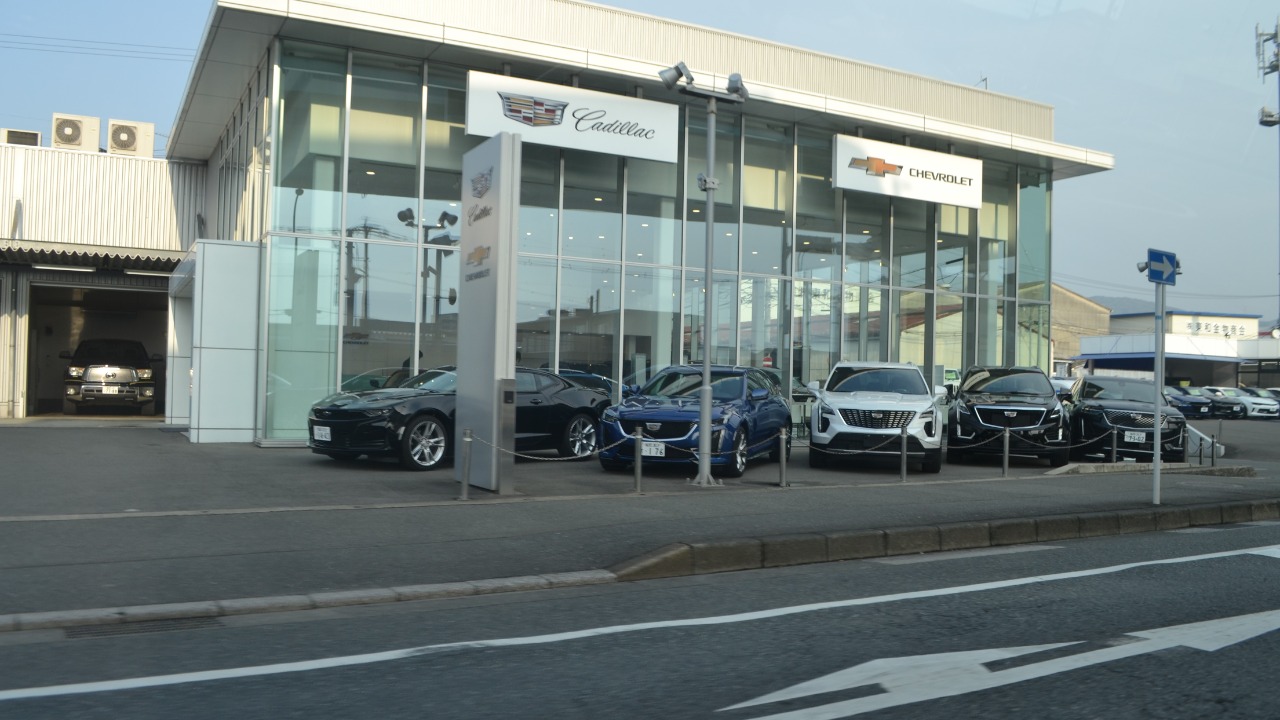
With the zoning hurdle cleared, the Chevrolet project enters a more technical but equally consequential phase. Site planning, architectural design, and permitting will determine how the dealership sits on the land, how it looks from the road, and how it connects to surrounding development. Expect a focus on glassy showrooms, branded signage, and service facilities that can handle high throughput without bleeding noise and light into adjacent properties.
Stormwater management and landscaping will be central to the next round of approvals. The SR 64 corridor includes sensitive drainage patterns, and county standards require on-site retention and buffering that can soften the visual impact of large parking fields. How the Chevrolet project balances display needs with these environmental and aesthetic requirements will influence public perception long after construction wraps up.
On the business side, the dealership’s success will hinge on how quickly it can tap into Lakewood Ranch’s growing population and the broader Manatee and Sarasota markets. A strong launch, with clear service offerings and competitive pricing, could establish the store as the default option for Chevrolet buyers in the region. That, in turn, would validate the commission’s decision to rezone the site and could spur additional investment along the corridor.
If sales and service volumes meet expectations, other automakers may follow, seeking adjacent or nearby sites along SR 64. That scenario would transform the area into a multi-brand auto hub, concentrating traffic but also consolidating vehicle shopping into a single destination. If the project underperforms, critics of the rezoning will likely point to empty asphalt and underused buildings as evidence that the county moved too quickly.
More from Fast Lane Only
- Unboxing the WWII Jeep in a Crate
- 15 rare Chevys collectors are quietly buying
- 10 underrated V8s still worth hunting down
- Police notice this before you even roll window down
*Research for this article included AI assistance, with all final content reviewed by human editors