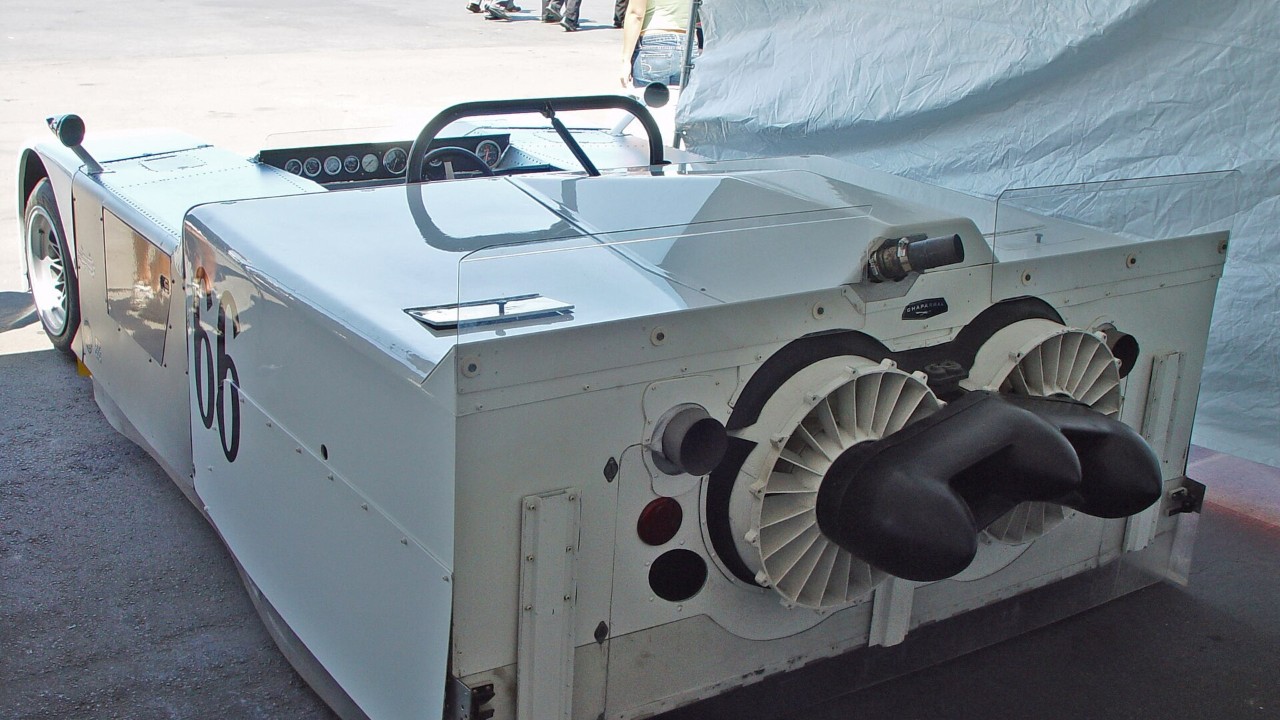
Not every classic car earned instant admiration from collectors. Some lived quietly in the shadows of more famous models, appreciated mainly by loyal owners who understood their strengths. As automotive tastes evolved, these overlooked vehicles gradually gained recognition for their styling, engineering, rarity, or historical importance. Today, they have become respected classics that many enthusiasts wish they had noticed much sooner.
Hudson Hornet
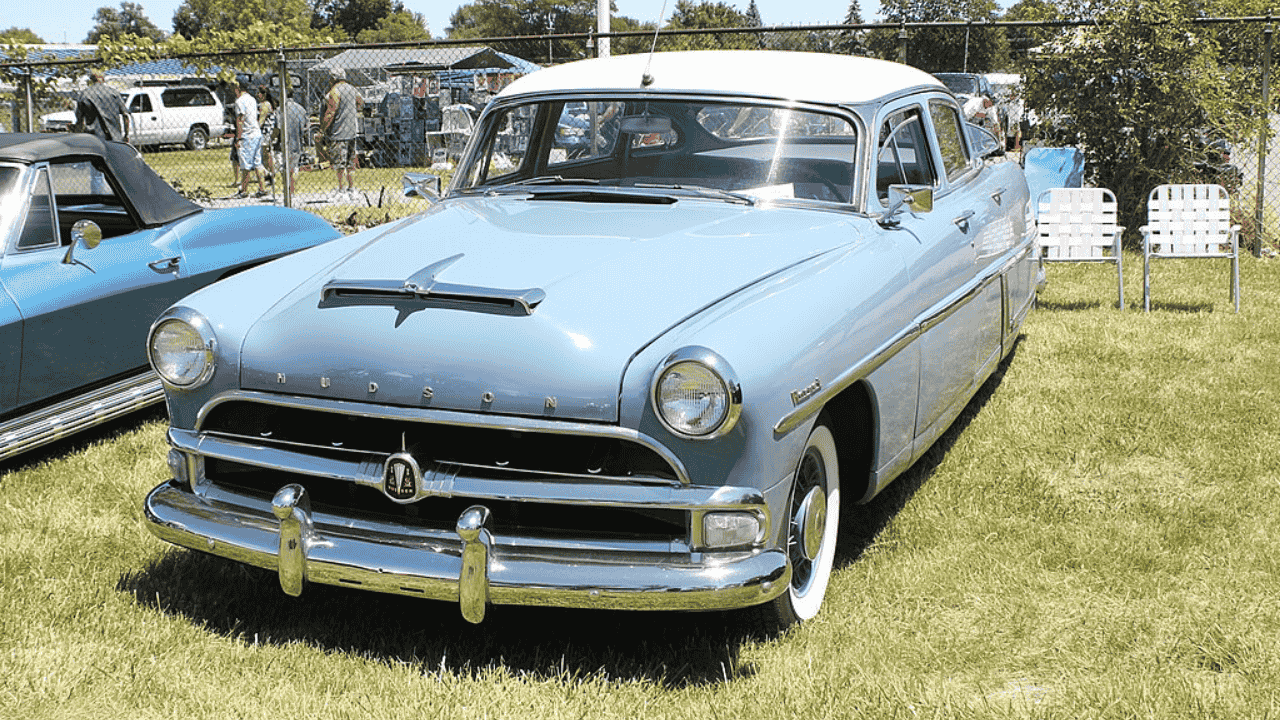
The Hudson Hornet earned success in motorsports and introduced innovative step-down construction, yet it spent many years receiving less collector attention than other American performance icons. Owners appreciated its strong engineering and distinctive styling long before the broader market caught on. As enthusiasts rediscovered its racing heritage and historical significance, the Hornet finally gained the admiration it had deserved from the beginning.
Mercury Monterey (1956)
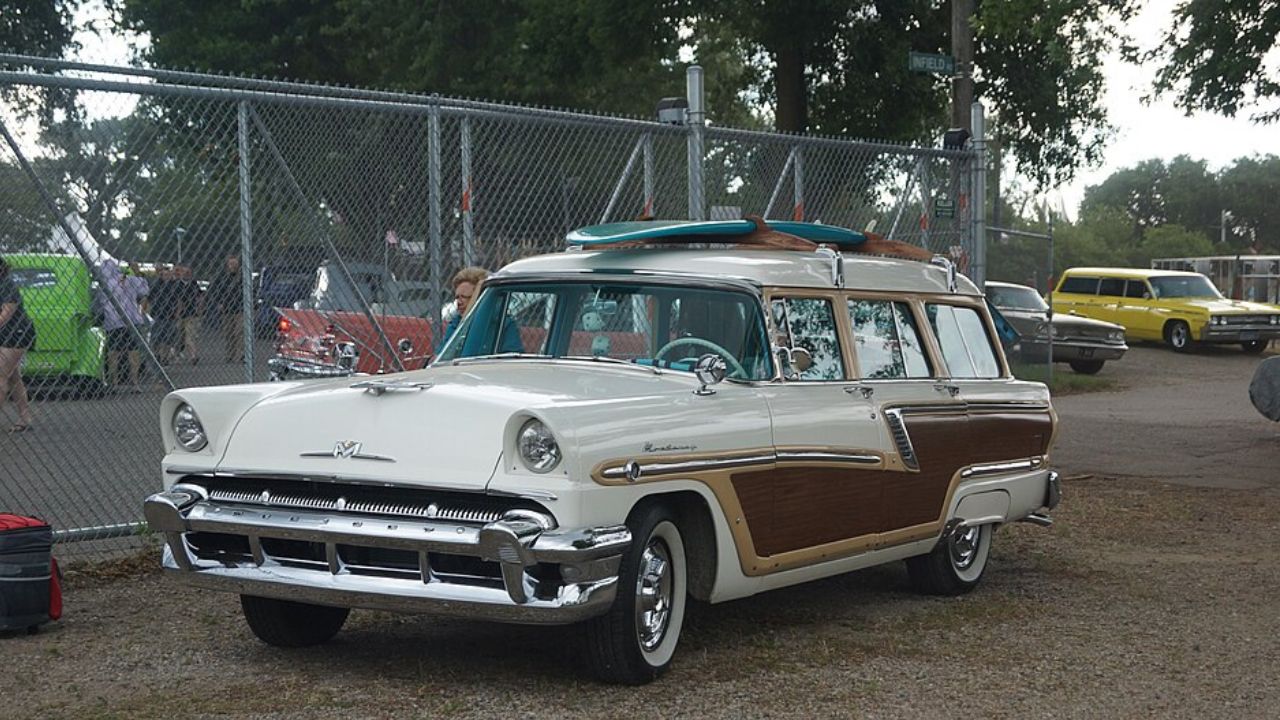
The 1956 Mercury Monterey often found itself overshadowed by Ford and Lincoln despite offering handsome styling, dependable V8 performance, and comfortable road manners. Its sweeping body lines and tasteful chrome have aged remarkably well, helping modern collectors appreciate its understated elegance. Today, the Monterey represents one of the most rewarding full-size American classics for enthusiasts looking beyond the obvious choices.
Rambler American
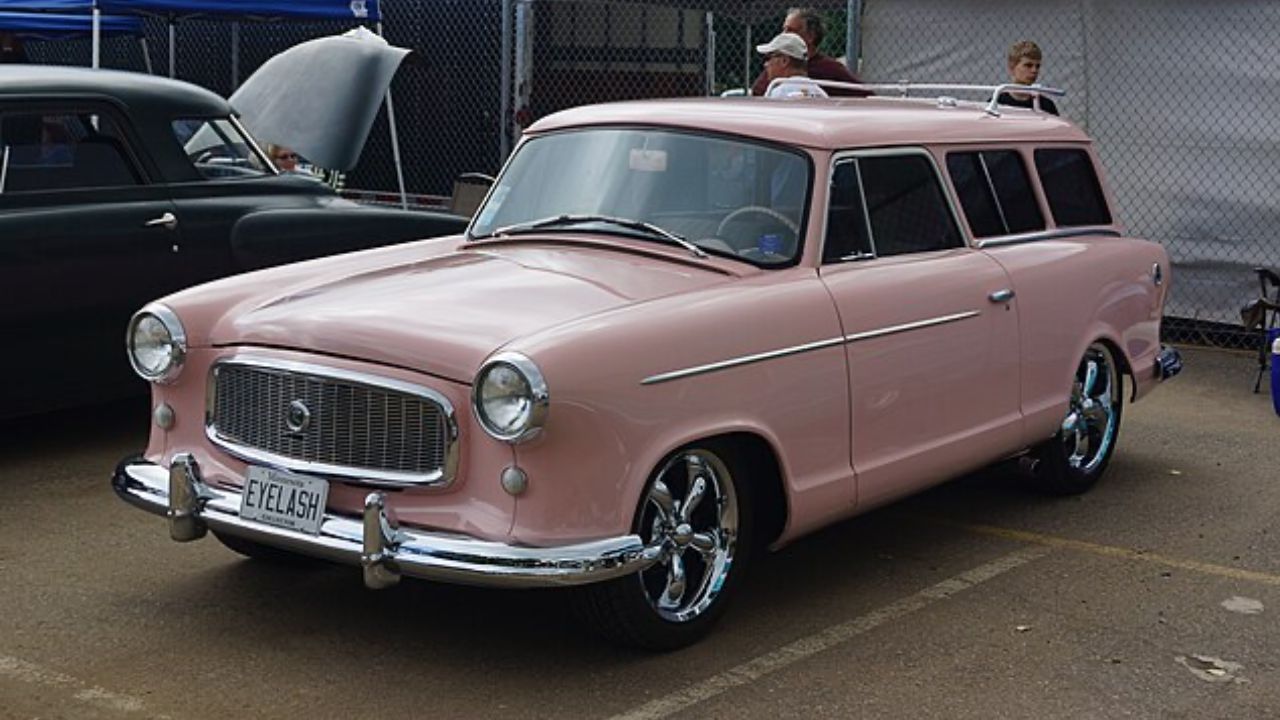
The Rambler American was designed with practicality and affordability in mind, making it easy to overlook during the muscle car era. However, its dependable engineering, compact dimensions, and honest simplicity have earned growing respect among collectors. Owners value its approachable maintenance and period charm, proving that not every rewarding classic needs dramatic styling or overwhelming horsepower to become desirable.
Lancia Flavia Coupe
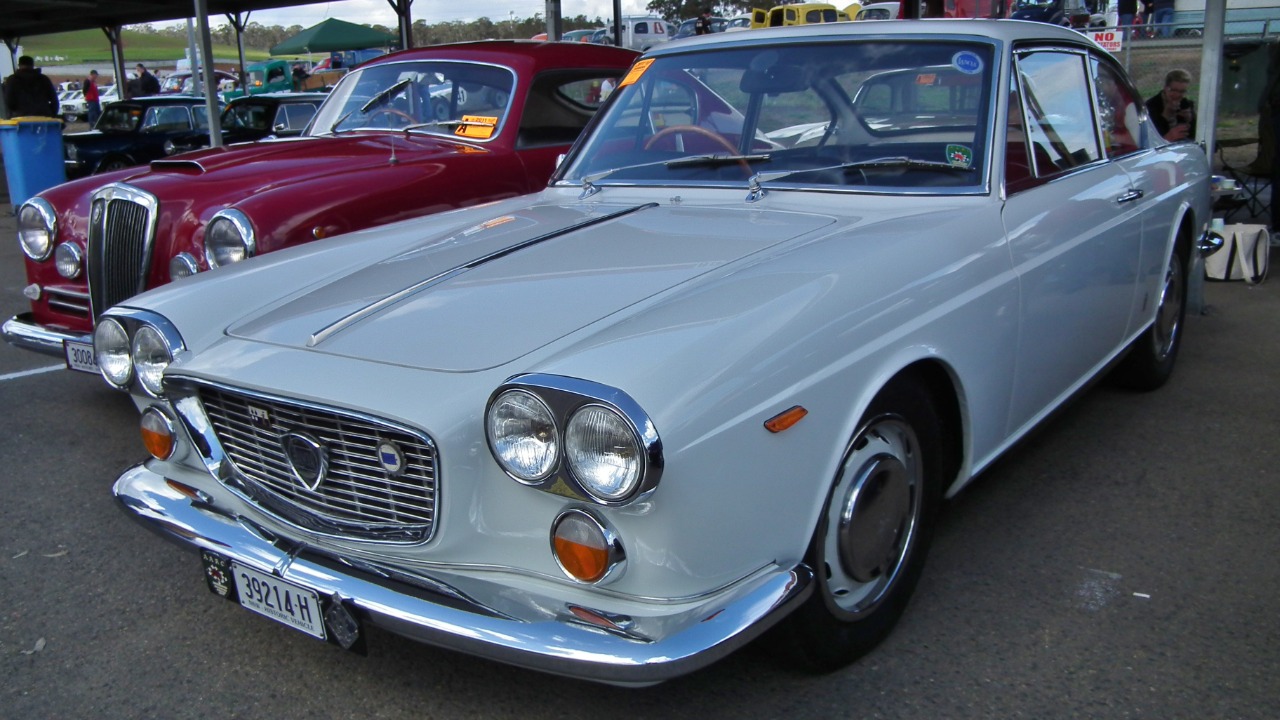
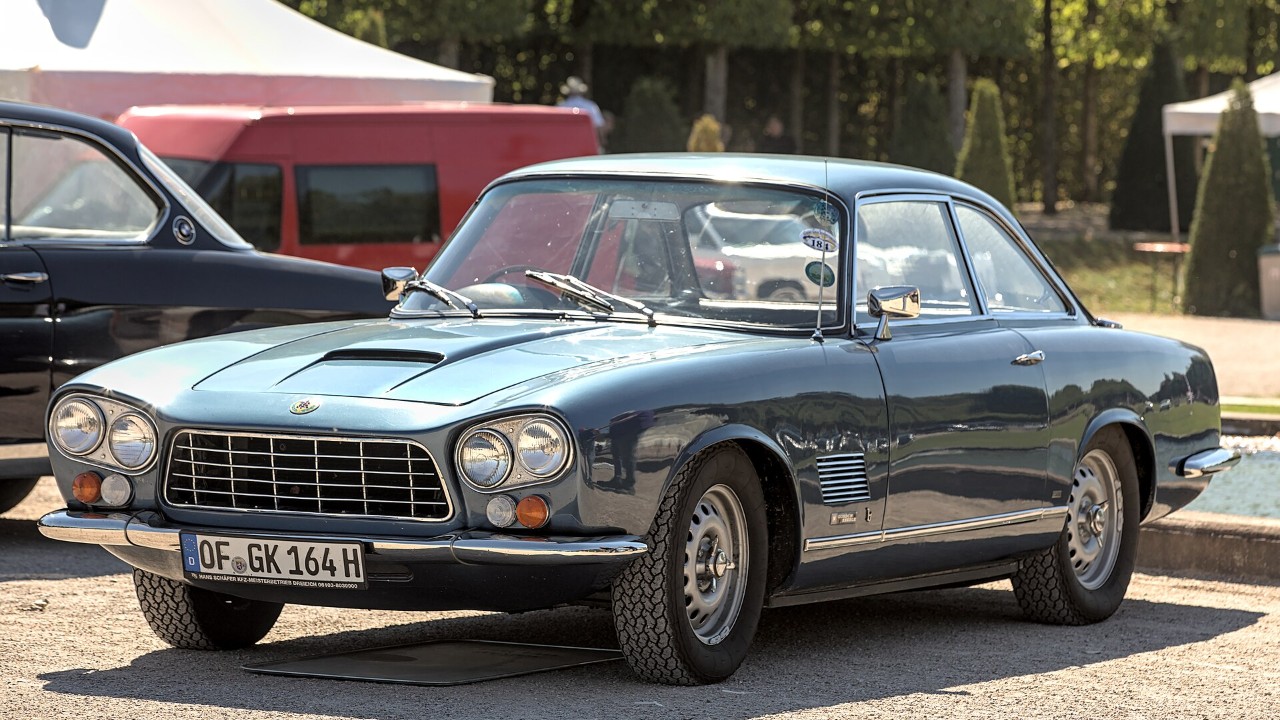
The Lancia Flavia Coupe quietly introduced advanced engineering, including front-wheel drive and a horizontally opposed engine, while wearing elegant coachwork. It remained relatively unknown outside dedicated enthusiast circles for decades, but collectors have gradually recognized its technical innovation and refined driving experience. Today, the Flavia Coupe stands as one of Italy’s most underrated grand touring classics.
Oldsmobile Vista Cruiser
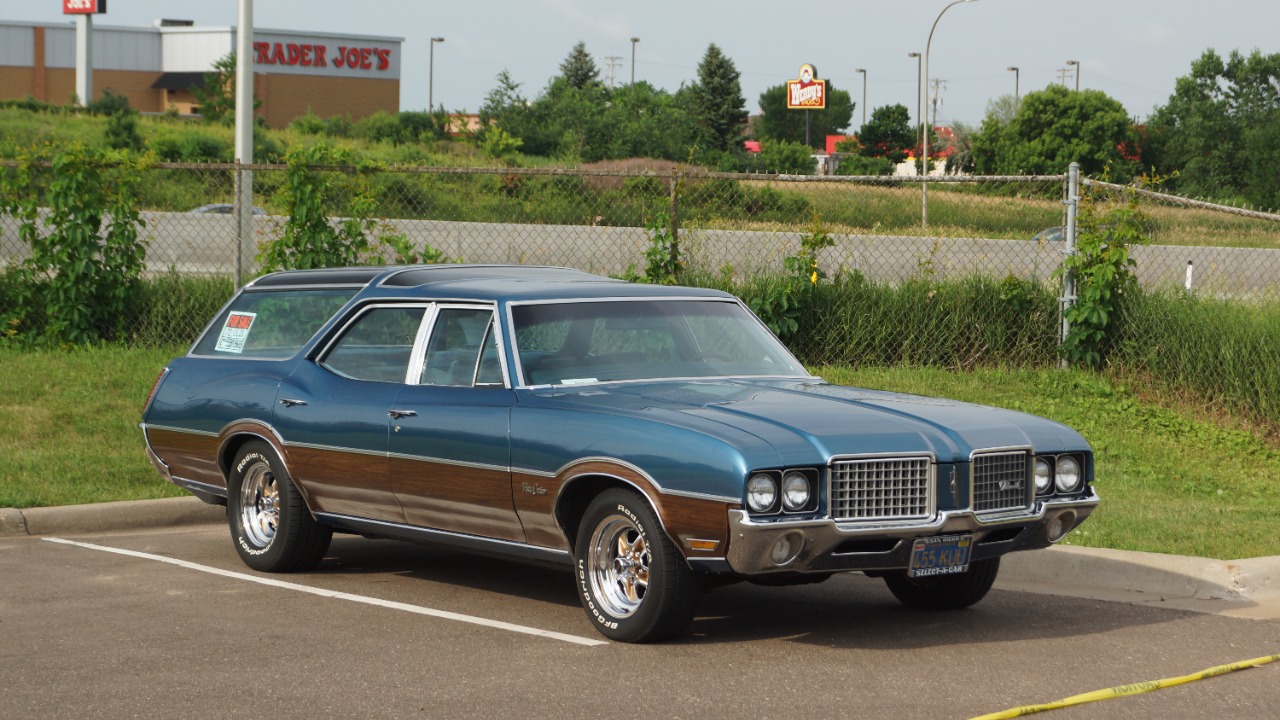
The Oldsmobile Vista Cruiser spent much of its life serving families, leaving few people to imagine it would become collectible. Its signature raised roof and panoramic glass created a distinctive appearance unlike any other station wagon. Modern enthusiasts appreciate its nostalgic charm, practicality, and unique design, transforming the Vista Cruiser into a beloved classic that quietly earned widespread admiration.
Peugeot 404 Cabriolet
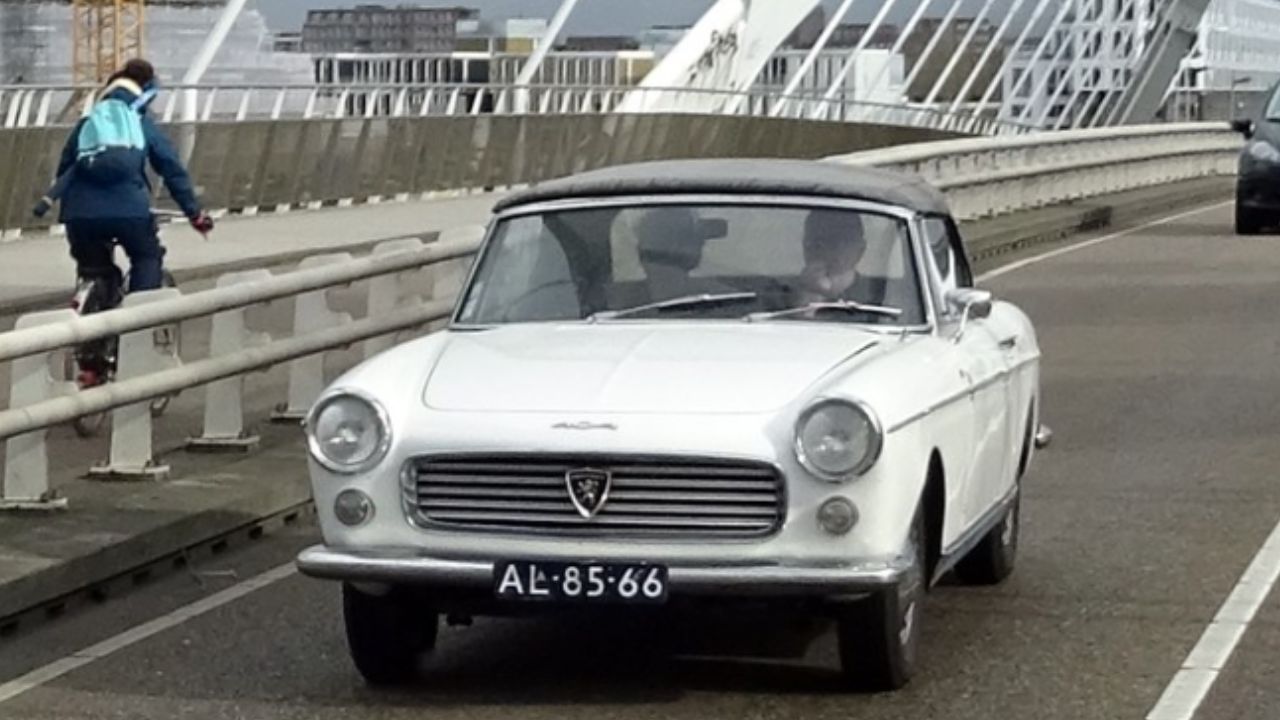
The Peugeot 404 Cabriolet combined graceful Pininfarina styling with dependable French engineering, yet it remained overlooked compared with better-known European convertibles. Owners appreciated its comfortable touring ability and elegant proportions for years before collectors began taking notice. Today, surviving examples are admired for their rarity, understated beauty, and timeless character that has only improved with age.
Ford Galaxie 500 XL
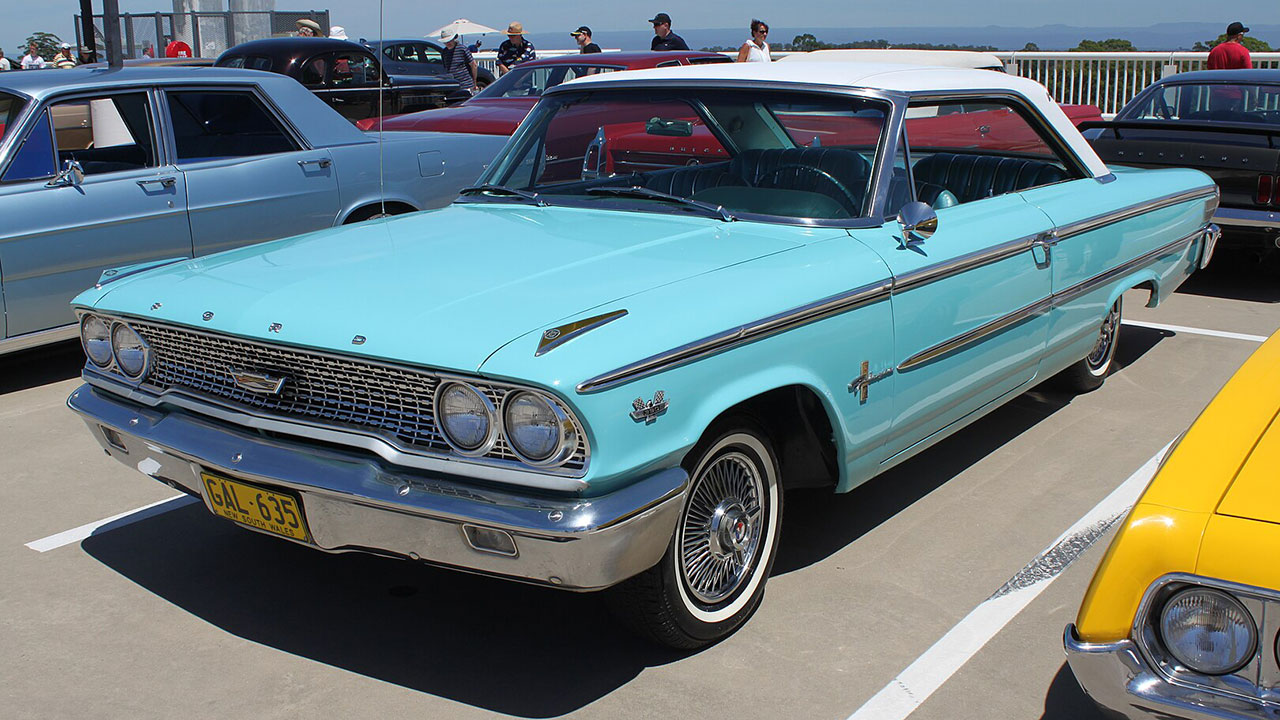
The Ford Galaxie 500 XL delivered smooth V8 performance and impressive comfort, but it often stood behind Mustangs and Thunderbirds in collector conversations. As appreciation for full-size American classics has grown, enthusiasts have rediscovered its stylish design and relaxed grand touring personality. The Galaxie now enjoys the recognition that its combination of elegance and capability has always deserved.
Opel Kadett Rallye
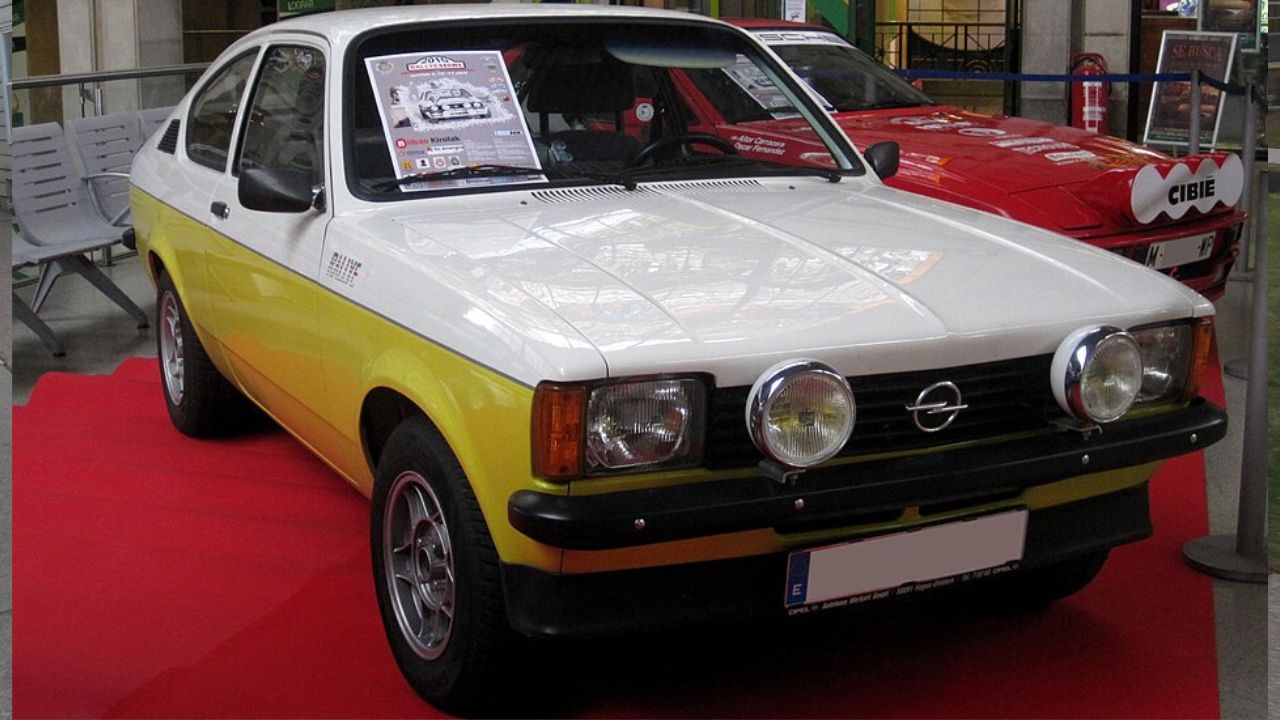
The Opel Kadett Rallye offered engaging performance and lightweight handling, but its modest size kept it from receiving widespread attention outside dedicated enthusiast groups. Owners admired its lively character and straightforward engineering long before collector interest increased. Today, the Kadett Rallye is appreciated as a charming European classic that proves driving enjoyment is not measured solely by horsepower.
Chrysler New Yorker (1965)
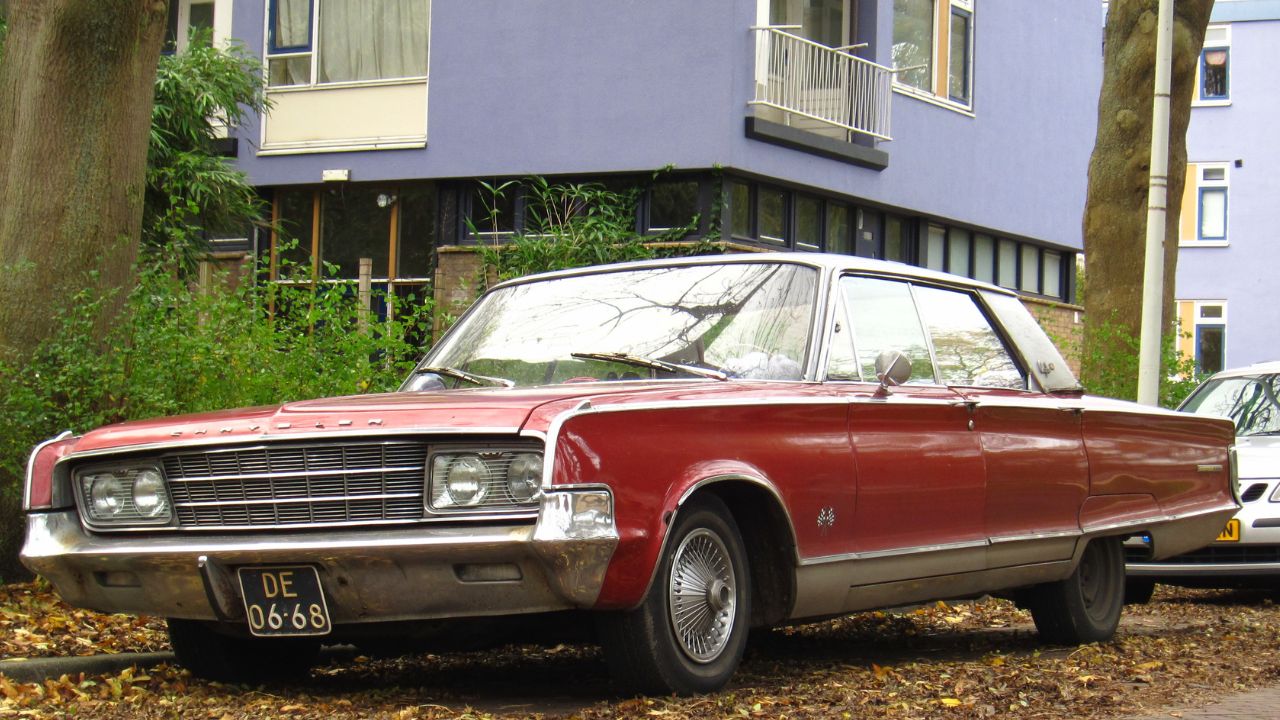
The 1965 Chrysler New Yorker represented American luxury through refined styling, spacious interiors, and smooth V8 power. Overshadowed by flashier contemporaries, it quietly provided comfortable long-distance travel with understated sophistication. Modern collectors increasingly admire its elegant proportions and exceptional craftsmanship. The New Yorker has become one of those classics whose appeal grew steadily as automotive tastes matured.
Saab 96
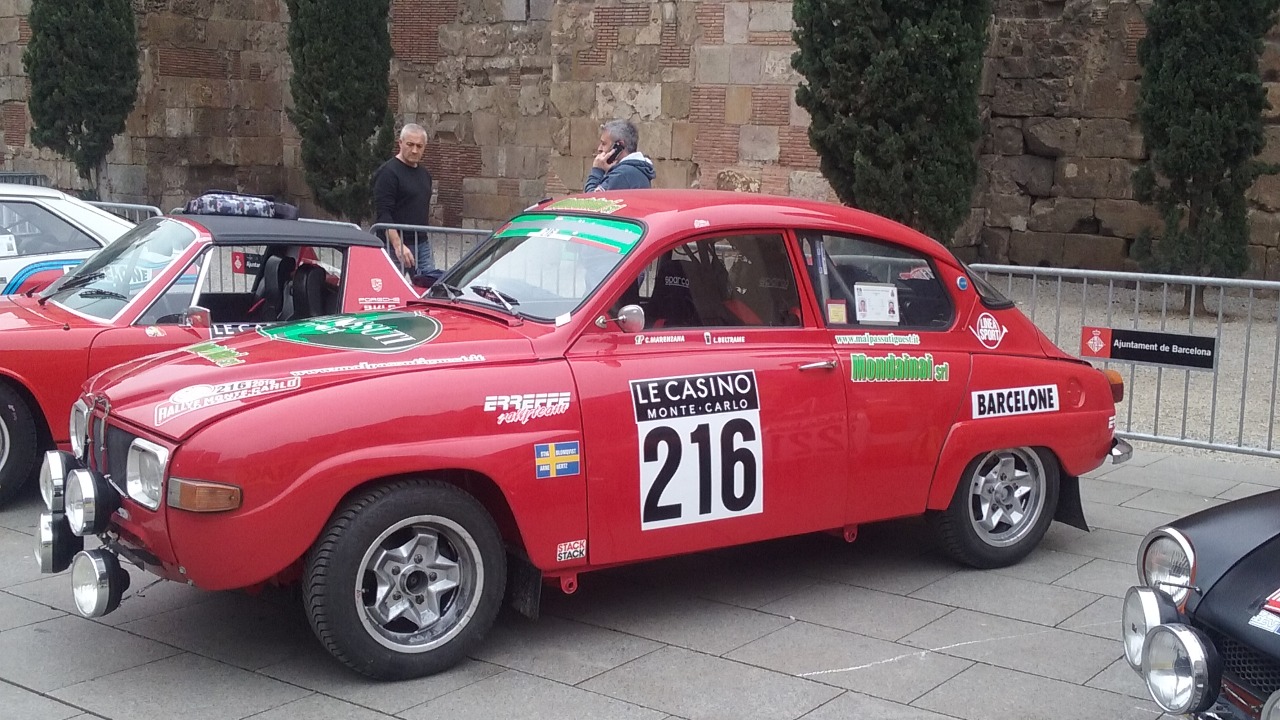
The Saab 96 stood apart through innovative engineering, dependable construction, and unmistakable Scandinavian design. Although unconventional compared with mainstream automobiles, owners appreciated its durability and distinctive personality from the beginning. Over time, collectors came to recognize its originality and historical importance within Saab’s development. Today, the 96 enjoys a level of respect that was slow to arrive but thoroughly deserved.
Studebaker Hawk

The Studebaker Hawk carried bold styling and strong performance during a difficult period for its manufacturer, causing many buyers to overlook its qualities. Limited production and unique design eventually attracted collectors searching for something beyond Detroit’s familiar offerings. Owners have long valued its individuality, while today’s enthusiasts increasingly recognize the Hawk as one of Studebaker’s greatest achievements.
BMW 3.0 Bavaria
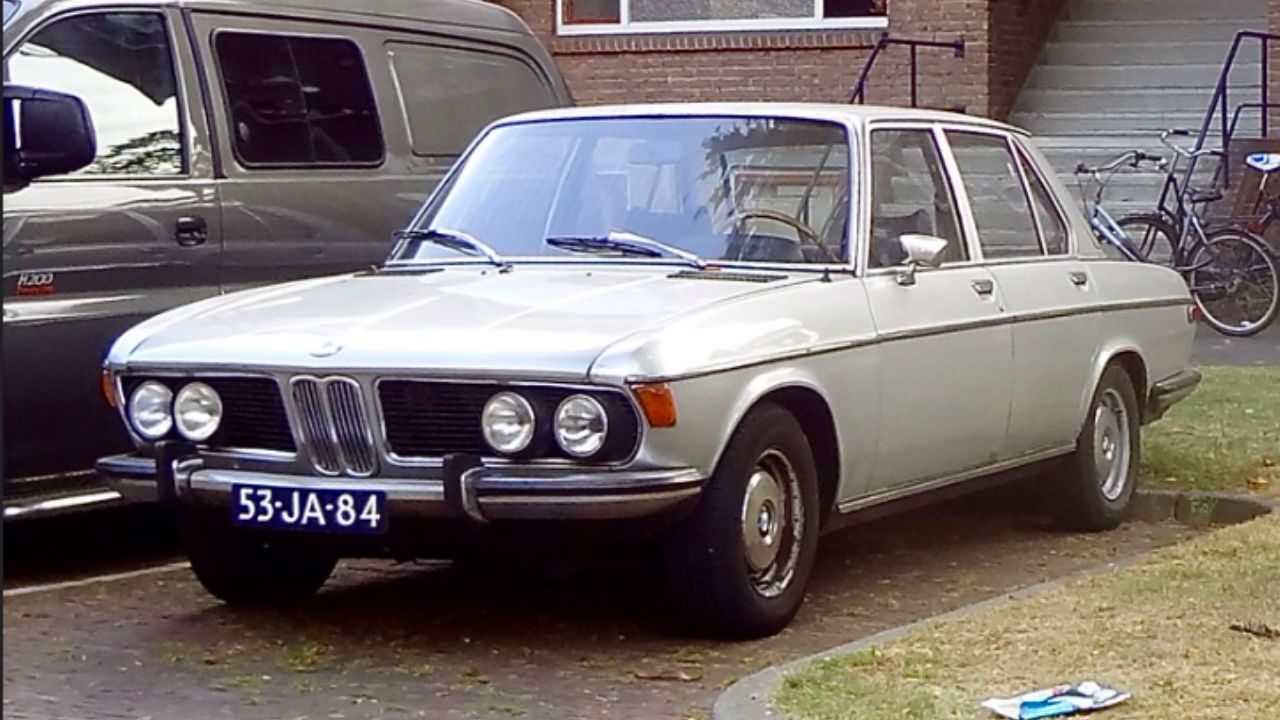
The BMW 3.0 Bavaria quietly laid the foundation for the sports sedans that would later define the brand. Combining smooth six-cylinder performance with balanced handling and everyday practicality, it impressed owners without demanding widespread attention. As collector interest expanded beyond coupes and sports cars, the Bavaria finally received recognition for its importance. It remains one of BMW’s most rewarding overlooked classics.
More from Fast Lane Only
- Unboxing the WWII Jeep in a Crate
- 15 rare Chevys collectors are quietly buying
- 10 underrated V8s still worth hunting down
- Police notice this before you even roll window down
*Research for this article included AI assistance, with all final content reviewed by human editors