Classic cars have long carried a reputation for drama: weekend-only toys that drain bank accounts, demand rare tools and strand owners on the hard shoulder. Yet a growing group of enthusiasts is discovering that some older machines are less temperamental than expected, helped by changing technology, better information and a maturing parts industry. The result is a quiet shift in how people think about living with a vintage car day to day.
Rather than fragile relics, certain models are emerging as practical, characterful alternatives to anonymous modern transport. That change is reshaping which cars are sought after, how they are driven and what it really means to be a classic owner in an era of long-lasting vehicles and rapid technological change.
From fragile nostalgia to usable classics
The biggest shift is not in the cars themselves but in the ecosystem around them. Older vehicles were once dependent on a local specialist and a friendly parts counter. Now an owner can diagnose a misfire with a cheap Bluetooth reader, order a replacement sensor online and watch a step-by-step video before picking up a spanner. Together, those tools have lowered the perceived barrier to entry for cars that previously looked intimidating.
This sits alongside a broader trend: modern vehicles are simply lasting longer. Analysis of registration data shows that cars on the road are keeping going for more years and more miles than they did in previous decades, with improved corrosion protection and more durable drivetrains helping to extend usable life. Research into why cars are lasting also raises questions about how new technologies might affect repairability, which in turn makes some older, simpler models look more attractive.
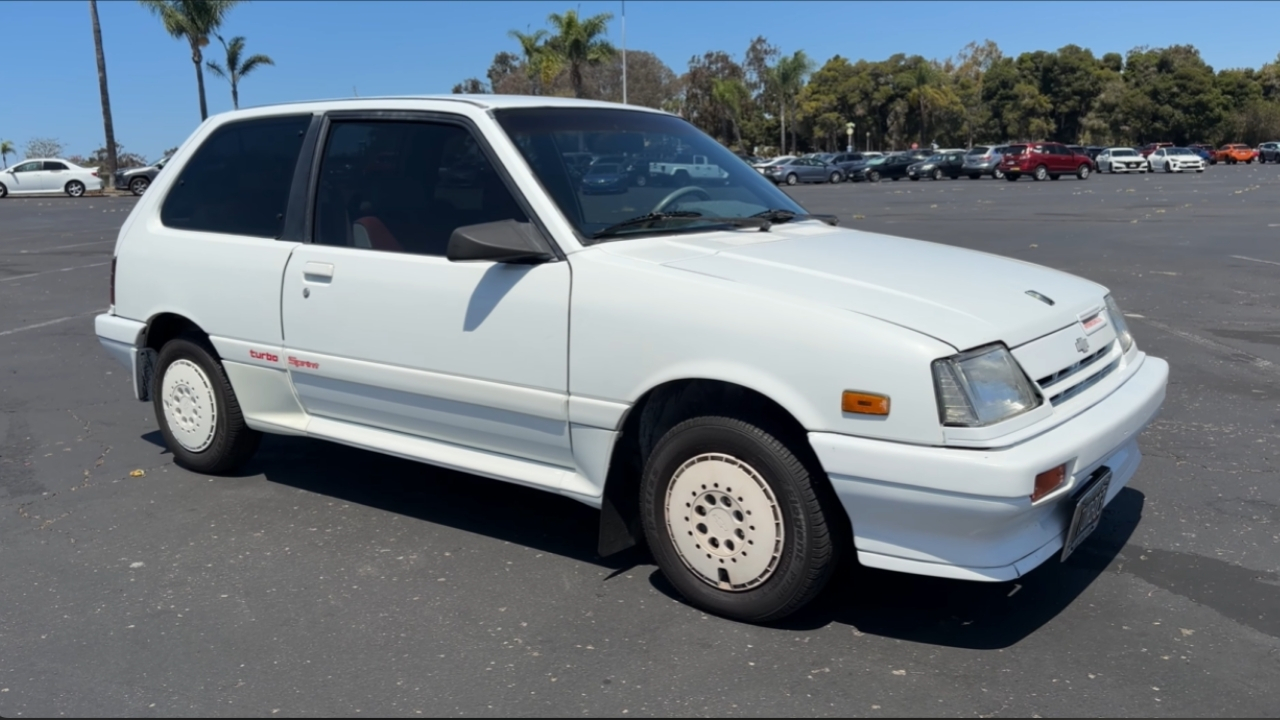
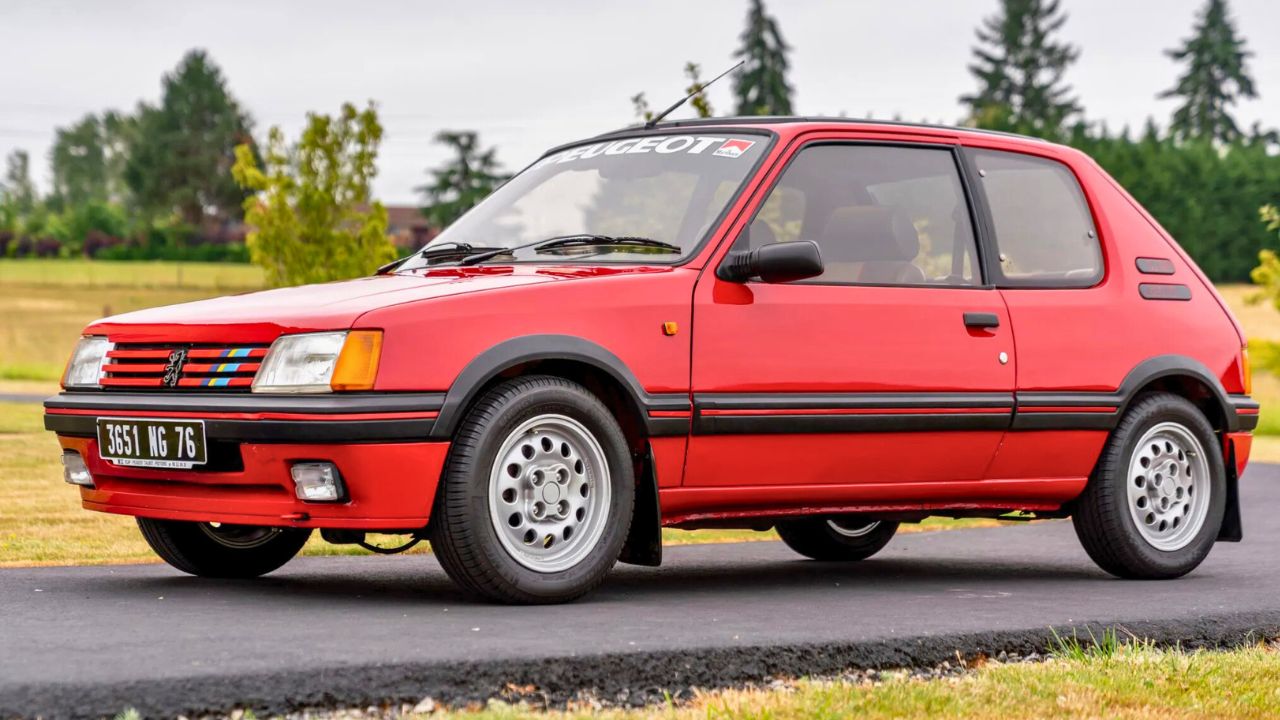
That simplicity is central to the appeal of many classics that have turned out to be easy keepers. A carbureted four-cylinder with a manual gearbox and minimal electronics can often be maintained with basic tools and a workshop manual. Owners of cars such as early Volkswagen Golfs, Peugeot 205s or Mazda MX-5s frequently report that routine servicing is no more complex than on a modern hatchback, and in some cases cheaper because parts are shared with large production runs.
Meanwhile, the aftermarket has professionalised. Pattern body panels, reproduction trim and upgraded ignition systems mean that many of the traditional weak points of older cars can be addressed permanently. Suspension kits that replace tired factory components, modern tyres in classic sizes and improved cooling systems all help turn what was once a fragile weekend toy into a car that can handle daily commuting or long-distance touring.
How expectations about maintenance are being rewritten
Part of the surprise for new owners comes from the contrast with some modern promises that have not aged well. Marketing around low-maintenance or “sealed for life” components often suggested that drivers could forget about the oily bits entirely. In practice, certain engines that were billed as nearly maintenance free have required more frequent attention than their brochures implied. A case in point is a Volkswagen unit that was promoted as needing little intervention but later gained a reputation among enthusiasts as being more demanding than expected, as detailed in analysis of a Volkswagen maintenance-free engine.
That mismatch between promise and reality has had an unintended effect. When owners discover that a supposedly low-maintenance modern car still needs regular fluid changes, software updates and expensive dealer-only parts, the idea of a simple, serviceable classic becomes less far fetched. If both old and new require attention, the balance tilts toward the car that can be fixed with affordable, readily available components and without proprietary diagnostic equipment.
Expectations have also changed around reliability. Many 1980s and 1990s cars were engineered for durability first, with generous safety margins in cooling, braking and drivetrain components. As those cars age, they benefit from that over-engineering. Provided corrosion is kept at bay and consumables are replaced on schedule, a family saloon from that era can feel almost indestructible in day-to-day use.
Owners who approach classic cars with a preventative mindset often find that reliability follows. Regular oil changes, periodic replacement of rubber fuel lines, careful attention to cooling systems and timely timing belt changes can transform a supposedly fragile icon into a dependable companion. The difference is less about age and more about how predictable the maintenance schedule is, and how accessible the work becomes with widely shared knowledge.
Why ease of ownership matters in 2026
The question of how easy a car is to own is not just a hobbyist concern. It intersects with debates over sustainability, affordability and the pace of technological change. As manufacturers roll out more complex drivetrains and software-heavy platforms, some drivers are looking at the long-term cost of ownership and wondering whether a simpler, older vehicle might be a better fit for their needs.
Longer-lasting cars complicate that picture. If a modern vehicle can stay on the road for two decades, the environmental argument for scrapping it early weakens. At the same time, research into how new technologies affect repairability suggests that future models might be harder for independent garages and home mechanics to service. That tension gives extra relevance to older cars that combine durable hardware with straightforward maintenance.
Motorsport provides a parallel example of how perceptions of complexity and manageability are evolving. In Formula One, the 2026 regulations are set to introduce new power units with a different balance between internal combustion and electric power. Predictions of the 2026 running order already hinge on which teams can master reliability and packaging within the new rules. For road car enthusiasts, that conversation echoes familiar themes: how much complexity is too much, and when added technology stops improving the ownership experience.
For many buyers, especially younger ones priced out of new cars, the appeal of a classic that is easy to live with is both emotional and financial. Insurance for older vehicles can be surprisingly affordable under limited mileage policies. Depreciation is often far slower than on a new model, and in some cases values are rising. When combined with manageable maintenance, that can make a 30-year-old coupe or hatchback a rational choice rather than an indulgence.
Urban policy is another factor. Low-emission zones and congestion charges can restrict the use of older vehicles, but exemptions for historic registrations in some regions create a niche where classics can still operate freely. Owners who keep their cars in good mechanical order and use them sparingly may find that the regulatory burden is lighter than for mid-life diesels that fall between modern emissions standards and historic exemptions.
Models and eras that surprise their owners
Certain categories of classic have developed a reputation for being particularly straightforward to own. Japanese sports cars from the late 1980s and 1990s, including the Mazda MX-5 and Toyota MR2, combine robust engines with good parts availability and strong club support. Their designers aimed for everyday usability from the outset, which translates well to modern traffic.
Compact European hatchbacks such as the Volkswagen Golf Mk2, Peugeot 205 and Ford Fiesta XR2 also feature in many owners’ lists of unexpectedly practical classics. Their mechanical layouts are simple, rust protection is better than on earlier generations and many wear standardised components shared across wide model ranges. That keeps consumable prices low and makes it easier to source replacements from multiple suppliers.
Even larger saloons and estates can be easier companions than their size suggests. Volvos from the 200 and 700 series, Mercedes-Benz W123 and W124 models and certain BMW 5 Series generations were engineered for high mileage use in demanding markets. Owners who stay ahead of corrosion and suspension wear often report that these cars shrug off long distances with minimal fuss, provided that routine servicing is done on time.
More from Fast Lane Only
- Unboxing the WWII Jeep in a Crate
- 15 rare Chevys collectors are quietly buying
- 10 underrated V8s still worth hunting down
- Police notice this before you even roll window down
*Research for this article included AI assistance, with all final content reviewed by human editors