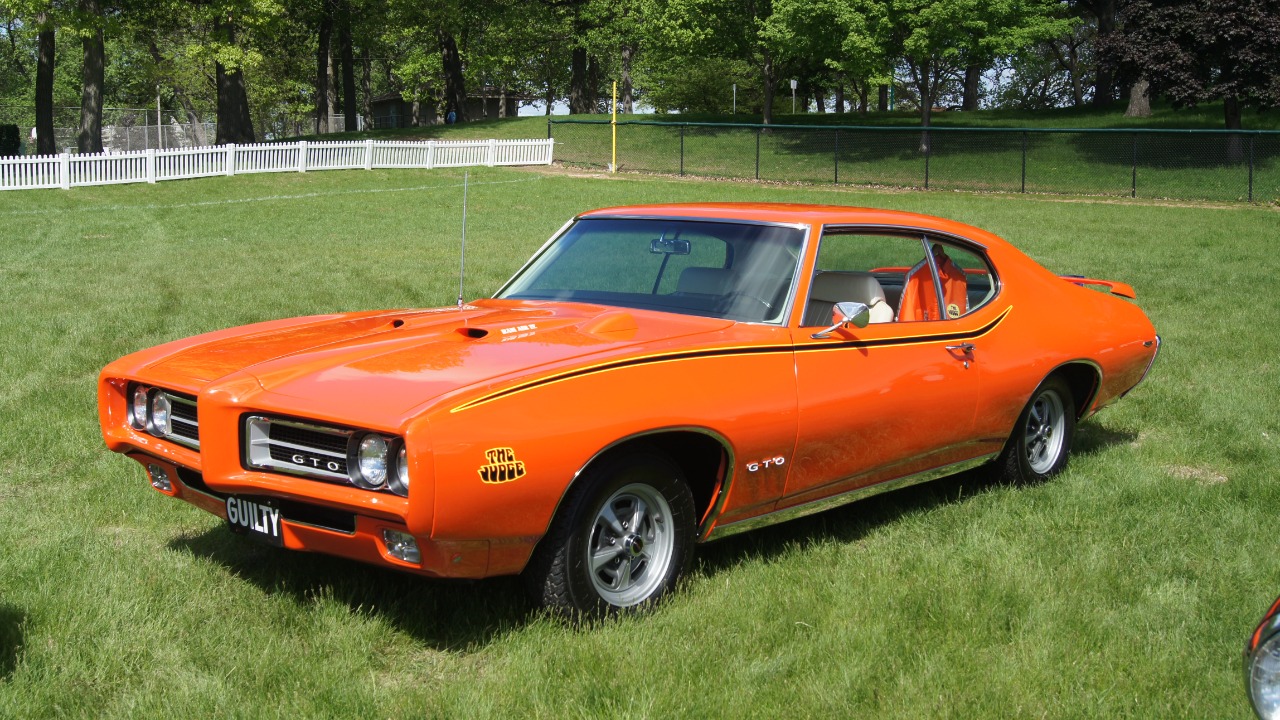
The Pontiac Judge package, launched in the late 1960s, has become an iconic symbol of American muscle cars, but its origins are as unusual as its name suggests. This article delves into the surprising backstory of the Judge package, exploring its creation, cultural impact, and enduring legacy.
The Birth of the Pontiac Judge Package
The story of the Pontiac Judge package begins during the muscle car craze of the late 1960s. Pontiac sought to enhance the performance of its popular GTO model, which was already making waves in the automotive world. The idea was to create a special package that would elevate the GTO’s profile and performance, appealing to a generation of young car enthusiasts eager for speed and style. This initiative coincided with a growing trend among manufacturers to produce vehicles that not only performed well but also stood out visually.
To achieve this, Pontiac’s marketing team played a pivotal role. They wanted a name that would resonate with the youth culture, and thus, “Judge” was born. The name was inspired by the television show “Laugh-In,” which featured a comedic character known as “The Judge.” This clever reference was aimed at younger drivers who were looking for a car that matched their vibrant lifestyles. It was a brilliant marketing move that helped the GTO Judge stand out from the competition, engaging a demographic that was increasingly influential in the automotive market.
In terms of design features, the Judge package introduced several enhancements that distinguished it from the standard GTO. These included a distinctive “Judge” stripe, a unique front end, and a variety of bold color options. Performance-wise, the Judge came equipped with a powerful 400-cubic-inch V8 engine, which could be upgraded to a 455-cubic-inch variant, providing an exhilarating driving experience. The combination of performance enhancements and eye-catching design made the Judge a formidable competitor in the muscle car segment.
Cultural Impact and Reception
The Pontiac Judge quickly secured its place in popular culture, becoming a symbol of the muscle car era. Its appearances in films and television shows helped solidify its status as an automotive icon. For instance, the Judge was prominently featured in the movie “The Fast and the Furious,” where it captured the hearts of both car enthusiasts and casual viewers alike. Additionally, songs from the era often referenced the Judge, further embedding it in the cultural zeitgeist of the time.
Within the automotive community, the reception of the Judge package was overwhelmingly positive. Initial sales figures reflected its popularity, with thousands of units sold in the first year alone. Critics praised the Judge for its performance and styling, often comparing it favorably to its rivals, such as the Ford Mustang and Chevrolet Camaro. The Judge’s bold appearance and powerful engine made it a favorite among car enthusiasts, leading to a loyal following that persists to this day.
The success of the Judge also had a lasting impact on future Pontiac models. It set a precedent for performance-oriented vehicles, demonstrating that a strong marketing strategy combined with innovative design could lead to commercial success. Subsequent models, like the Pontiac Firebird and Trans Am, drew inspiration from the Judge, continuing Pontiac’s legacy of producing powerful, stylish cars that appealed to the performance-minded consumer.
Unique Variants and Rarities
Among the various iterations of the Judge, the rare convertible models stand out as some of the most sought-after collectibles. Produced in limited numbers, these convertibles represent a unique blend of performance and open-air driving enjoyment, making them a prized possession for collectors. The rarity of these models has only increased their value over the years, with some fetching exorbitant prices at auctions. For example, a rare 1969 Pontiac GTO Judge convertible recently sold for over $200,000, highlighting the demand for these unique vehicles.
In addition to the convertibles, there were several special editions of the Judge that featured unique specifications. One of the most notable is the Ram Air IV variant, which boasted a staggering 370 horsepower and specialized engine components for enhanced performance. This model became legendary among collectors, not only for its power but also for its limited production run. Details like the unique hood scoops and distinctive badging set these special editions apart, making them highly desirable in the collector’s market.
Today, the collector’s market for Judge models is thriving. Enthusiasts are not only looking for original models but are also interested in well-restored vehicles that retain their authenticity. Factors influencing the value of Judge cars include their condition, rarity, and provenance. As more people recognize the importance of preserving automotive history, the Judge has become a focal point for collectors, leading to a resurgence of interest in its storied legacy.
Legacy and Continued Popularity
The Pontiac Judge has managed to maintain its reputation in the automotive world, even decades after its production ended in 1971. Its unique blend of performance, style, and cultural significance has ensured its continued relevance among car enthusiasts. Many automotive publications regularly feature the Judge in articles about classic muscle cars, highlighting its impact on both the industry and popular culture.
Restoration and preservation efforts have played a crucial role in keeping the Judge’s legacy alive. Car clubs and enthusiast groups dedicated to Pontiac vehicles work tirelessly to restore and showcase these iconic cars. Events such as the annual Pontiac Nationals draw crowds of enthusiasts eager to share their love for the brand, with many showcasing their meticulously restored Judge models. These community efforts not only celebrate the Judge but also educate new generations about its history and significance in the automotive landscape.
Looking ahead, there is speculation about the future of the Pontiac brand and the potential revival of the Judge name. With the automotive industry increasingly shifting toward electric vehicles and sustainable practices, it remains to be seen how Pontiac might adapt its performance legacy to fit modern trends. However, the enduring appeal of the Judge suggests that it could play a pivotal role in any future offerings from the brand, blending nostalgia with innovative technology.
The Judge in Automotive History
To understand the significance of the Pontiac Judge, it is essential to place it within the broader timeline of Pontiac’s impact on the automotive industry. The Judge emerged during a golden age of muscle cars when manufacturers were competing fiercely for market share. Pontiac’s introduction of the Judge not only helped cement its reputation as a performance leader but also influenced the trajectory of American automotive design and marketing.
When comparing the Judge to other iconic muscle cars of the era, it becomes clear that each had its unique qualities. While the Ford Mustang was known for its affordability and style, and the Chevrolet Camaro offered a balance of performance and comfort, the Judge stood out for its bold design and raw power. Each of these vehicles contributed to the muscle car phenomenon, but the Judge’s combination of performance and cultural resonance set it apart in a crowded field.
The Pontiac GTO Judge serves as an excellent case study in automotive marketing, performance, and cultural significance. Its clever branding, performance enhancements, and bold design choices made it not just a car, but a symbol of an era. The Judge encapsulated the spirit of the late 1960s and early 1970s, a time when American car culture was at its peak. As we reflect on the legacy of the Judge, it is evident that its impact on the automotive world is both profound and lasting, capturing the hearts of generations of car enthusiasts.
More from Fast Lane Only
- Unboxing the WWII Jeep in a Crate
- 15 rare Chevys collectors are quietly buying
- 10 underrated V8s still worth hunting down
- Police notice this before you even roll window down
*Research for this article included AI assistance, with all final content reviewed by human editors.