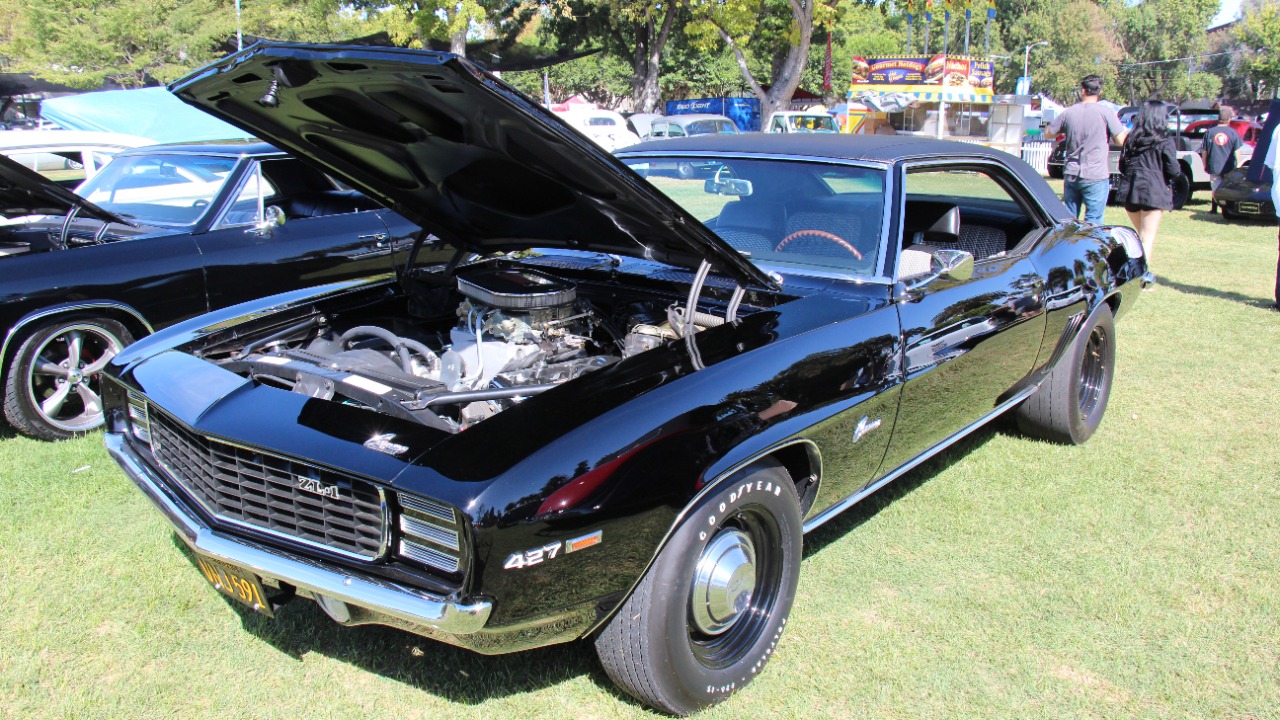
The ZL1 Camaro, a legend among muscle car enthusiasts, stands out not only for its performance but also for its rarity. With only a limited number of units ever produced, it has become one of Chevrolet’s most sought-after factory combinations, embodying a unique blend of engineering and heritage.
Historical Context of the ZL1 Camaro
The Chevrolet Camaro made its debut in 1966 as a response to Ford’s Mustang, quickly establishing itself as a competitive player in the American muscle car scene. By the time the ZL1 package was introduced in 1969, the muscle car market was becoming increasingly lucrative, attracting a plethora of manufacturers vying for dominance. The ZL1 was not just an upgrade; it was a statement. Chevrolet aimed to outshine its competitors with a car that could deliver unparalleled performance on the track.
The 1969 ZL1 was a significant response to the fierce competition from other muscle cars, particularly the Pontiac GTO and Ford Mustang. With its lightweight aluminum engine and a host of performance enhancements, the ZL1 package was designed to appeal to serious racers and enthusiasts alike. Chevrolet’s decision to produce the ZL1 was a calculated move, aiming to capture a segment of the market that desired extreme performance and exclusivity.
Production Numbers and Rarity
The rarity of the ZL1 Camaro can be attributed to its limited production numbers. Only 71 units of the 1969 ZL1 were ever manufactured, making it one of the rarest factory muscle cars in history. This limited production was not just a marketing gimmick; it reflected Chevrolet’s strategic choices and the market conditions of the time. The high cost of the ZL1 package, along with a shift in consumer preferences towards more practical vehicles, meant that fewer buyers were willing to invest in a high-performance muscle car.
When compared to other Camaro models, the ZL1’s production numbers are staggering. For instance, Chevrolet produced over 200,000 units of the standard Camaro during its first generation. In contrast, the ZL1’s rarity has only increased its desirability among collectors and enthusiasts. Factors such as the transient nature of the muscle car market and changing consumer tastes played a crucial role in the ZL1’s low production numbers. The perfect storm of high performance and limited availability created a car that would become legendary.
Technical Specifications and Performance
The heart of the ZL1 Camaro is its powerful engine. The ZL1 package included a 427 cubic inch (7.0L) V8 engine that produced an astounding 430 horsepower, a significant number for its time. This engine was not just an ordinary power plant; it was an engineering marvel that showcased Chevrolet’s commitment to performance. With a lightweight aluminum block, the ZL1 engine was designed for speed and agility, making the car a formidable contender on both the street and the racetrack.
What set the ZL1 apart from other Camaros was not just its engine but the entire engineering approach. The use of advanced materials and engineering innovations made the ZL1 a standout in a crowded field. Real-world performance testing showed that the ZL1 could accelerate from 0 to 60 mph in just over 5 seconds, a remarkable feat for a car of its era. The combination of powerful acceleration and responsive handling solidified the ZL1’s reputation as a performance icon, appealing to both serious racers and casual enthusiasts.
Collectibility and Market Value
The ZL1 Camaro’s market value has seen significant appreciation over the years, reflecting its status as a collector’s item. Cars like the 1969 ZL1 have fetched astronomical prices at auctions, often surpassing $1 million for pristine examples. The rarity and historical significance of the ZL1 have made it a coveted piece for collectors, leading to intense bidding wars at events like the Barrett-Jackson Auction in Scottsdale, Arizona.
Factors influencing the collectibility of the ZL1 include its provenance, condition, and authenticity. A well-documented history can greatly enhance a car’s value, especially if it has been maintained in its original condition. Restoration authenticity also plays a crucial role; collectors often seek vehicles that have retained their factory specifications. The demand for the ZL1 Camaro continues to grow, with recent high-profile transactions highlighting its allure among collectors and enthusiasts alike.
Cultural Impact and Legacy
The ZL1 Camaro has left an indelible mark on popular culture, appearing in films, television shows, and car exhibitions. Its powerful presence has made it a favorite among filmmakers looking to capture the essence of American muscle. Movies like “Transformers” and television shows like “The Dukes of Hazzard” have featured Camaros prominently, further solidifying the ZL1’s status as a cultural icon.
Testimonials from enthusiasts and collectors often emphasize the ZL1’s influence on muscle car culture. Owners frequently share stories of their experiences, highlighting the camaraderie and community that surrounds the ZL1. Car shows and meet-ups serve as platforms for enthusiasts to connect, showcasing their prized vehicles and sharing their passion for performance. The ZL1 has transcended mere transportation; it symbolizes a lifestyle that values speed, power, and the thrill of the open road.
Future of the ZL1 Nameplate
As Chevrolet continues to innovate, the legacy of the ZL1 nameplate remains strong. Modern iterations of the Camaro, including the recent ZL1 models, have embraced advancements in automotive technology while staying true to the performance roots established by the original 1969 ZL1. With features like advanced aerodynamics, improved handling, and state-of-the-art infotainment systems, the ZL1 nameplate has adapted to contemporary consumer preferences without sacrificing its performance heritage.
Speculation about the future of the ZL1 is rife among enthusiasts. With the rise of electric vehicles and hybrid technology, many wonder how Chevrolet will incorporate these advancements into the ZL1 lineage. Will we see an electric ZL1 that retains the thrilling performance characteristic of its predecessors? As the automotive landscape evolves, maintaining the ZL1 heritage will be crucial for Chevrolet, ensuring that the spirit of this legendary muscle car continues to resonate with future generations.
More from Fast Lane Only
- Unboxing the WWII Jeep in a Crate
- 15 rare Chevys collectors are quietly buying
- 10 underrated V8s still worth hunting down
- Police notice this before you even roll window down
*Research for this article included AI assistance, with all final content reviewed by human editors.