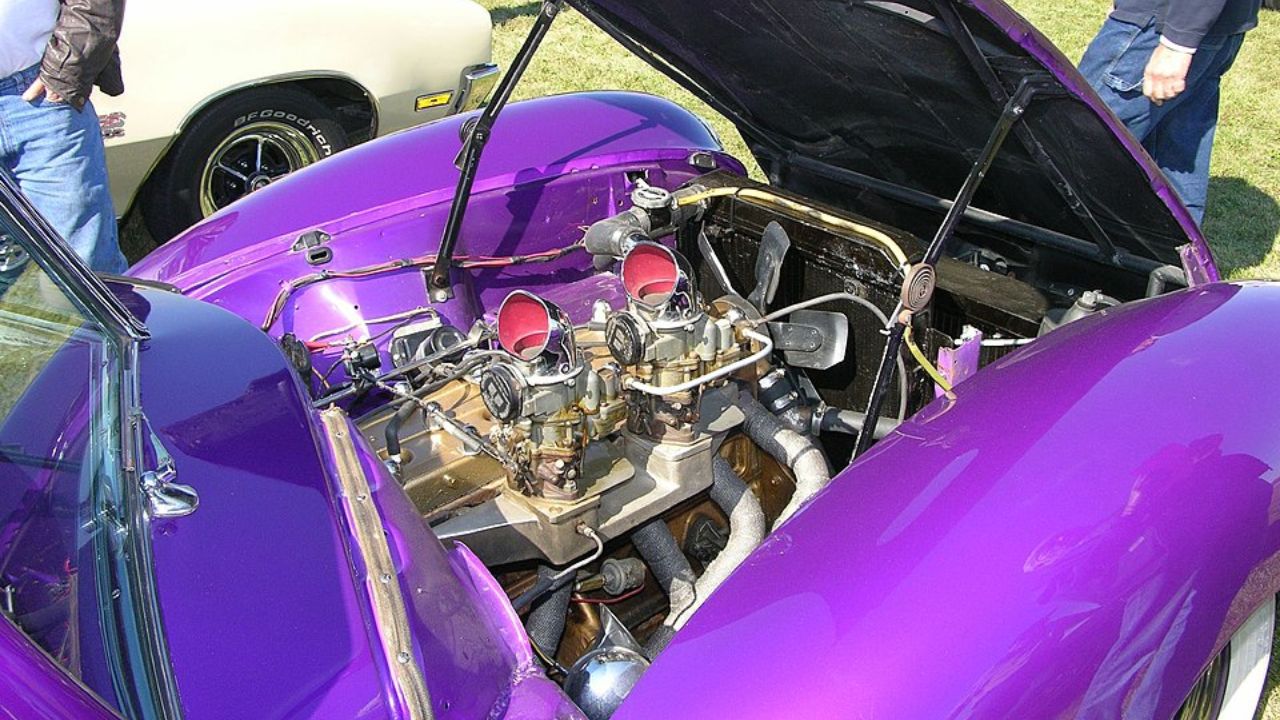
The world of automotive engineering has often been dominated by the race for higher horsepower and torque figures. Yet, there are classic engines that have defied conventional wisdom, outperforming their rivals despite having lower advertised specifications. One such engine is the Hudson straight-six, a marvel of engineering that captivated enthusiasts and challenged the norms of its time.
The Classic Engine in Focus
The Hudson straight-six engine, produced from 1940 to 1954, is a prime example of how innovation can triumph over mere numbers. This engine featured a 3.5-liter displacement, which, on paper, appeared modest compared to its contemporaries like the Chevrolet small-block V8. However, the Hudson engine was renowned for its remarkable torque delivery and smooth operation, making it a favorite in various Hudson models.
Developed during World War II, the Hudson straight-six was crafted in Detroit, Michigan, a hub of automotive innovation. The engine’s advertised specifications may not have hinted at its prowess—typically delivering around 100 horsepower—but its real-world performance told a different story. While rivals boasted higher figures, Hudson’s engine was engineered for efficiency and reliability, often outperforming competitors in real-world driving scenarios.
Design Innovations
The Hudson straight-six was not just another engine; it was a testament to innovative engineering. One significant design feature was its unique “step-down” frame, which lowered the engine in the chassis, contributing to improved handling and a lower center of gravity. This design choice helped enhance stability during high-speed maneuvers, a crucial factor that many other manufacturers overlooked.
Additionally, the choice of materials played a vital role in the engine’s longevity and performance. Hudson utilized high-strength steel and aluminum alloys, which not only reduced weight but also enhanced durability. The engine’s construction included features like a robust crankshaft and a unique cylinder head design that improved airflow, fostering better combustion efficiency. These engineering choices set the Hudson straight-six apart from its rivals, illustrating that sometimes, performance is about more than just raw numbers.
Testing and Performance Analysis
Real-world performance metrics reveal the Hudson straight-six engine’s superiority over its rivals. In various tests, it consistently demonstrated better acceleration and responsiveness, particularly in urban settings where torque is paramount. While competitors like the Ford V8 offered higher horsepower, the Hudson engine’s torque curve provided a more satisfying driving experience, especially when loaded with passengers or cargo.
Comparative tests conducted by automotive journalists of the era showcased the Hudson’s prowess. In head-to-head matchups against V8 competitors, the straight-six often excelled in both handling and fuel efficiency. Insights from engineers, such as those featured in Jalopnik, emphasized how the engine’s design allowed it to outperform even more powerful rivals in real-world conditions.
Reliability and Maintenance
One of the most compelling arguments for the Hudson straight-six is its legendary reliability. Many owners report that their vehicles equipped with this engine have lasted for decades with minimal issues. The engine’s straightforward design meant that maintenance was relatively easy, an appealing factor for both mechanics and enthusiasts alike.
Testimonials from mechanics highlight the engine’s ability to withstand the test of time. Enthusiasts often share stories of Hudson vehicles, some over 70 years old, still running strong thanks to proper care and regular maintenance. Case studies, like the one on the Hudson Commodore, demonstrate how these vehicles have become classics, appreciated not only for their design but also for their engineering integrity. The Hudson straight-six stands as a testament to durability, proving that a well-engineered engine can thrive well beyond its expected lifespan.
Technology and Innovation in Engineering
Hudson’s straight-six was at the forefront of engineering technologies during its time. The engine incorporated innovations such as overhead valves and a high-compression ratio, which were not standard in many engines of that era. These features allowed for better airflow and combustion, leading to improved efficiency and performance.
The influence of the Hudson straight-six can still be felt today. Subsequent generations of engineers have drawn inspiration from its design and functionality. As automotive standards evolved, the Hudson engine adapted to meet new emissions and efficiency regulations, proving that classic designs can still hold relevance in modern contexts. The legacy of this engine is reflected in the ongoing use of similar principles in contemporary engine designs, as manufacturers continually seek to balance performance with environmental considerations.
Marketing Strategies and Perception
In a market dominated by flashy advertising and high-performance claims, Hudson’s marketing approach was refreshingly straightforward. The company emphasized the reliability, efficiency, and smooth driving experience of the straight-six rather than focusing solely on horsepower numbers. This strategy resonated with consumers who were looking for dependable vehicles that could handle everyday driving.
Consumer perception of the Hudson straight-six was shaped by positive reviews and word-of-mouth endorsements from satisfied owners. The media played a significant role in shaping public opinion, with automotive publications frequently praising the engine for its performance and reliability. This favorable coverage helped establish a loyal customer base, ensuring that Hudson vehicles remained a popular choice among enthusiasts and families alike.
Case Studies: Vehicles That Utilized This Engine
Several notable vehicles featured the Hudson straight-six, each showcasing the engine’s capabilities. The Hudson Hornet, produced from 1951 to 1954, became legendary in stock car racing and is often cited as one of the most successful racing cars of its time. Its straight-six engine was a key factor in its dominance on the track, blending speed with exceptional handling.
Performance reviews of vehicles like the Hudson Jet also highlight the engine’s versatility, with users praising its smooth operation and impressive torque. Owner experiences often reflect a deep appreciation for the engine’s reliability and efficiency, further cementing its place in automotive history. The impact of these models on the automotive market cannot be overstated, as they set new standards for what consumers expected from their vehicles.
Lessons From the Classic Engine
The Hudson straight-six offers valuable lessons for modern automotive engineering. It serves as a reminder that performance metrics should encompass more than just horsepower and torque figures. Factors such as reliability, efficiency, and real-world performance are critical components that manufacturers should consider when designing new engines.
As the automotive industry continues to evolve, the legacy of the Hudson straight-six reminds us that innovation often comes from rethinking traditional approaches. The balance of performance and practicality demonstrated by this engine is a lesson that manufacturers can apply as they navigate the challenges of modern engineering, including sustainability and consumer expectations.
Community and Culture Around the Engine
The Hudson straight-six has fostered a vibrant community of enthusiasts dedicated to preserving and celebrating this classic engine. Clubs such as the Hudson-Essex-Terraplane Club bring together owners and fans, providing a platform for sharing restoration tips, performance upgrades, and stories of their vehicles. Events like the annual Hudson National Reunion allow enthusiasts to showcase their cars and connect with others who share their passion.
Online forums and communities, such as those found on platforms like YouTube, provide spaces for discussions on performance enhancements and restoration techniques. These digital platforms have helped sustain interest in the Hudson straight-six, ensuring that its cultural significance remains strong among both old and new generations of car lovers.
More from Fast Lane Only