The classic V8 engine has long been celebrated for its power and performance, but many buyers have underestimated its true capabilities. The V8’s hidden horsepower, its historical significance, and the reasons behind its remarkable staying power in the automotive world reveal a complex narrative that goes beyond mere numbers.
The Anatomy of the V8 Engine
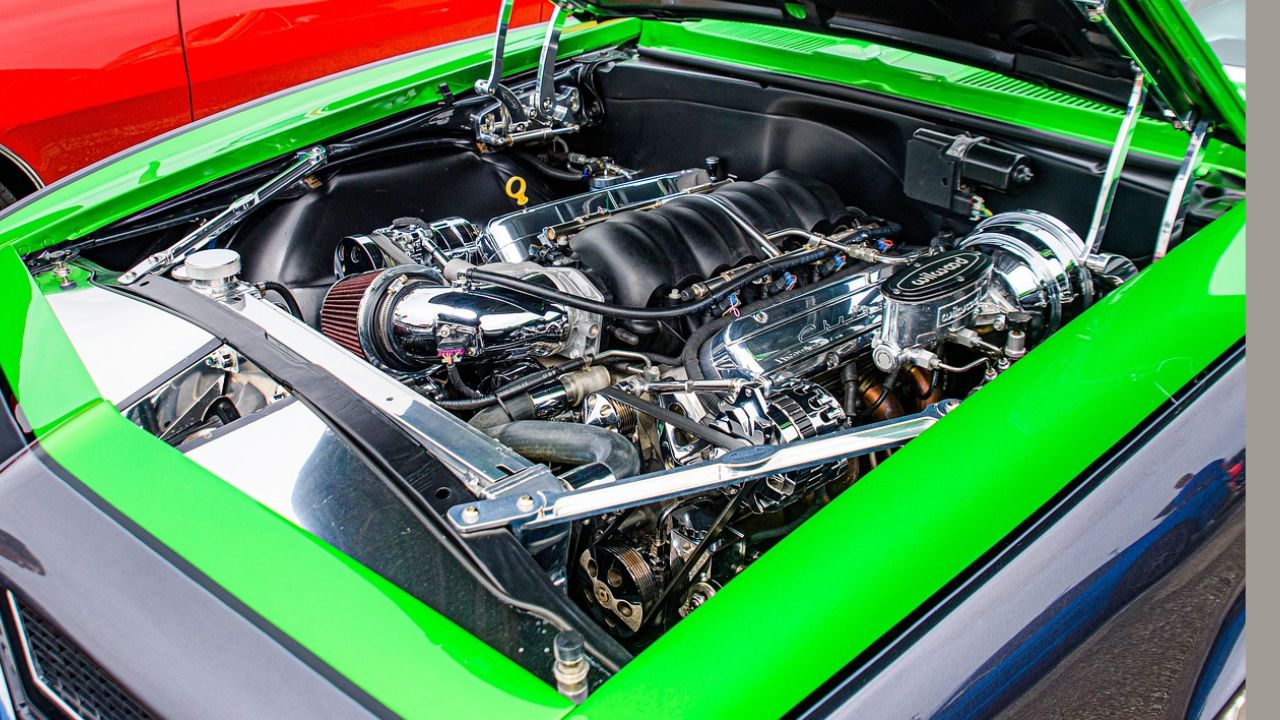
The V8 engine is a marvel of engineering, characterized by its eight cylinders arranged in a V configuration. This design allows for a compact engine while maximizing power output. Each cylinder fires in a specific sequence, which contributes to the smooth operation and distinctive sound that V8s are famous for. Key components of the V8 include the crankshaft, camshaft, pistons, and valves, all working in harmony to produce horsepower and torque.
One of the primary advantages of the V8 configuration is its ability to deliver high torque at lower RPMs. This makes V8 engines particularly well-suited for applications requiring quick acceleration and heavy lifting, such as trucks and performance cars. When compared to inline engines or V6 configurations, V8s typically offer a superior power-to-weight ratio. For instance, the Ford Mustang GT, equipped with a 5.0-liter V8, can produce over 450 horsepower, showcasing the prowess of this engine type.
Historical Context and Development
The origins of the V8 engine date back to the early 20th century, with the first successful implementation occurring in 1914 by the French manufacturer Léon Bollée. However, it was not until the 1930s that the V8 became a staple in American automobiles, primarily due to innovations by companies like Ford and Cadillac. The introduction of the Ford V8 engine in 1932 revolutionized the market, offering consumers an affordable option that combined power and efficiency.
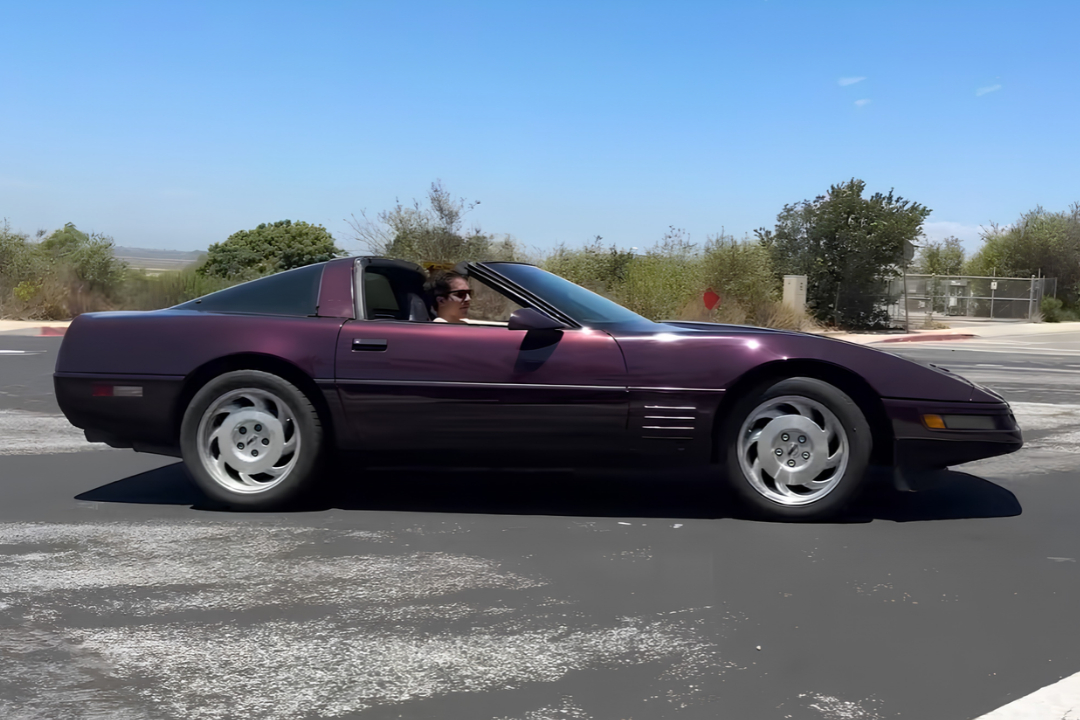
Throughout the decades, the V8 engine underwent significant advancements in design and technology. The post-World War II era saw the introduction of overhead valves, higher compression ratios, and the use of aluminum components, all contributing to increased performance. Notable manufacturers, including Chevrolet and Chrysler, further popularized the V8 with iconic models such as the Chevrolet Corvette and the Chrysler Hemi. As the V8 evolved, it became synonymous with American muscle cars and performance vehicles, solidifying its place in automotive history.
The Hidden Horsepower: Performance Metrics
Horsepower ratings for V8 engines can often be misleading, as they are typically measured under ideal conditions. Real-world performance may vary significantly due to factors like weight, aerodynamics, and drivetrain efficiency. For example, while the advertised horsepower of a Dodge Challenger R/T’s 5.7-liter HEMI V8 might be 375, actual performance on the road can exceed expectations, especially when considering modifications and tuning.
Case studies of specific V8 models reveal the hidden horsepower that many buyers may not realize. The 1970 Chevrolet Chevelle SS, for instance, boasted a 454 cubic inch V8 that was rated at 450 horsepower. However, independent testing has shown that it could produce closer to 500 horsepower in real-world conditions. Similarly, the Ford 427 Cobra is renowned for its legendary performance, with some models reportedly exceeding 600 horsepower, making it a true powerhouse on the racetrack.
The V8’s Impact on Automotive Culture
The V8 engine is more than just a mechanical component; it has become an enduring symbol of American automotive identity. This iconic engine type embodies the spirit of freedom, power, and performance that characterizes American car culture. From the muscle car era of the 1960s to today’s high-performance vehicles, the V8 has played a pivotal role in shaping the automotive landscape.
In motorsports, the V8 is a dominant force, with its roar echoing through racetracks across the country. Series like NASCAR and NHRA have embraced the V8 as the standard, showcasing its capabilities in competitive racing. Beyond the racetrack, the V8 has influenced car enthusiasts and collectors, sparking a passion for restoration and modification that continues to thrive. The cultural significance of the V8 extends to music and media, with numerous songs celebrating its power and allure, further embedding it into the fabric of American culture.
Environmental Considerations and Modern Challenges
As the automotive industry faces increasing scrutiny over environmental impact, the V8 engine is at a crossroads. While these engines are celebrated for their performance, they also contribute significantly to greenhouse gas emissions compared to smaller engines. In response, manufacturers are exploring ways to make V8s more environmentally friendly through technologies like direct fuel injection and cylinder deactivation.
Regulatory challenges are mounting, with strict emissions standards and fuel economy regulations prompting many manufacturers to pivot towards hybrid and electric alternatives. However, the V8 is evolving, with advancements in technology allowing for improved efficiency without sacrificing performance. The introduction of hybrid V8 engines, such as those in the Ford F-150 PowerBoost, illustrates how traditional powerhouses can adapt to modern demands.
Iconic V8 Models That Defined Eras
Throughout automotive history, several V8 models have left an indelible mark, shaping consumer perceptions and preferences. The 1969 Ford Mustang Mach 1, with its 351 cubic inch V8, exemplifies the muscle car era’s raw power and style. With a horsepower rating of over 300, the Mach 1 became an icon, representing the freedom and excitement of the open road.
Another notable example is the Chevrolet Camaro Z28, which emerged as a fierce competitor in the pony car segment. Its 5.7-liter V8, capable of delivering over 300 horsepower, solidified its status among enthusiasts and contributed to the ongoing rivalry with the Mustang. These vehicles not only defined their respective eras but also fostered a passionate community of car lovers who continue to celebrate the V8’s legacy.
The Future of the V8 Engine
The future of the V8 engine remains a topic of speculation and excitement. As technological advancements continue to reshape the automotive landscape, the V8 must adapt to stay relevant. The potential for hybrid V8s, combining traditional power with electric assistance, presents an intriguing opportunity for manufacturers. This hybrid approach could enhance performance while addressing environmental concerns, offering a sustainable solution without sacrificing the V8’s iconic character.
Looking ahead, it is likely that the V8 will continue to enjoy a loyal following among enthusiasts, particularly as performance metrics evolve. While electric vehicles are on the rise, the raw power and visceral experience of a V8 engine remain unmatched. Predictions suggest that the V8 will maintain its legacy as a symbol of performance and freedom, even in a rapidly changing market. The continued innovation and passion surrounding the V8 ensure that it will not be forgotten, but rather, embraced in new and exciting ways.
More from Fast Lane Only