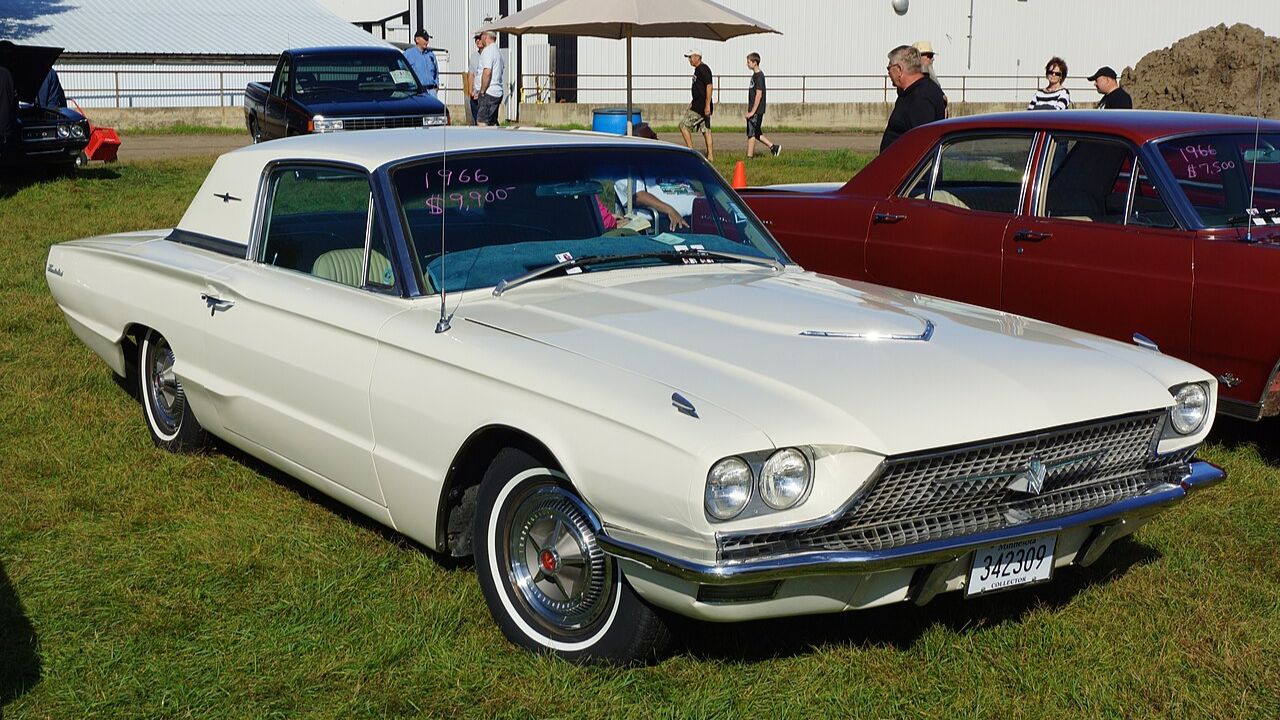
The 1966 Ford Thunderbird, equipped with a powerful 390 V8 engine, represented a high point in American automotive performance. This classic car could accelerate from 0 to 60 mph in under 8 seconds, showcasing Ford’s commitment to power and luxury during the muscle car era.
Historical Context of the 1966 Thunderbird
The Ford Thunderbird first made its debut in 1955, quickly becoming a symbol of American automotive innovation. Initially marketed as a personal luxury vehicle, it offered a combination of style and performance that resonated with the post-war consumer. By the time the 1966 model rolled off the assembly line, the Thunderbird had undergone several transformations, evolving from a sporty two-seater to a more spacious and luxurious four-seater.
The significance of the 1966 model in the context of 1960s American car culture cannot be overstated. This era was characterized by a growing fascination with speed and style, fueled by the rise of the muscle car phenomenon. Competing models such as the Chevrolet Corvette and Pontiac GTO were gaining traction, yet the Thunderbird distinguished itself by blending performance with sophistication, making it a favored choice among affluent buyers. With its sleek lines and powerful engine, the 1966 Thunderbird was not just a car; it was a statement of status.
The 390 V8 Engine
At the heart of the 1966 Thunderbird was the formidable 390 cubic inch V8 engine. This powerplant produced an impressive 300 horsepower and 427 lb-ft of torque, making it one of the standout features of the model. The engine was mated to a Cruise-O-Matic transmission, which allowed for smooth acceleration and a responsive driving experience. The 390 V8 was known for its reliability and was a popular choice among performance enthusiasts.
When comparing the 390 V8 to other engines available in the Thunderbird line during that era, it becomes clear why it was the preferred option. While smaller engines offered better fuel economy, the 390 V8 provided the performance that muscle car enthusiasts craved. In fact, the 1966 Thunderbird’s acceleration capabilities were among the best in its class, further solidifying its reputation as a performance luxury vehicle.
Acceleration and Performance
The 0 to 60 mph time of the 1966 Thunderbird, clocking in at under 8 seconds, was a remarkable achievement for a car of its size and class. This performance metric placed it firmly within the competitive landscape of muscle cars, where speed was often the defining factor. Factors such as the Thunderbird’s weight—approximately 4,000 pounds—were offset by the robust power of the 390 V8 engine, allowing it to deliver thrilling acceleration.
Real-world performance reviews from the 1960s often praised the Thunderbird for its ability to merge luxury with speed. Publications like HotCars noted that the Thunderbird offered a driving experience that was both exhilarating and comfortable. The car’s design also contributed to its performance, with aerodynamic features that reduced drag and improved stability at higher speeds.
Design and Features
The design of the 1966 Thunderbird was a hallmark of its time, featuring a distinctive long hood and a short deck that exuded elegance. The car was available in both hardtop and convertible styles, catering to a range of preferences among buyers. Inside, the Thunderbird boasted a spacious cabin adorned with high-quality materials, including plush leather upholstery and wood accents, which appealed to luxury seekers.
Innovations in technology and comfort features set the 1966 Thunderbird apart from its competitors. Amenities such as power windows, air conditioning, and an advanced sound system were available, making it a desirable option for those looking for comfort during long drives. The Thunderbird’s reputation as a personal luxury car was well-earned, appealing to buyers who desired both style and a powerful driving experience.
Market Reception and Sales Figures
The 1966 Thunderbird experienced strong sales, with Ford moving over 50,000 units that year. This figure represented a significant increase compared to previous years, highlighting the model’s growing popularity. Public and critical reception upon its release was overwhelmingly positive, with automotive journalists praising its combination of performance and luxury. The Thunderbird was seen as a symbol of success, and its marketing strategies played a crucial role in positioning it as a must-have vehicle for affluent consumers.
Ford’s advertising campaigns effectively highlighted the Thunderbird’s unique features and performance capabilities. The emphasis on luxury and status helped attract a diverse audience, from young professionals to established families. By targeting various demographics, Ford ensured that the Thunderbird resonated with a broad spectrum of buyers, further boosting sales figures.
The Thunderbird’s Legacy
The influence of the 1966 Thunderbird on future models and the muscle car genre is indelible. Its design and engineering set the stage for subsequent iterations, as Ford continued to refine the Thunderbird concept over the years. The car also helped shape the muscle car movement, paving the way for performance-oriented vehicles that combined speed with luxury.
In the classic car community, the 1966 Thunderbird remains a sought-after model. Collectors appreciate its blend of performance and elegance, and many enthusiasts engage in restoration projects to keep these vehicles on the road. Notable appearances in popular culture, such as in films and television shows, have also contributed to its lasting legacy, ensuring that the Thunderbird continues to capture the imagination of car lovers.
Owner Experiences and Testimonials
Personal stories from owners of the 1966 Thunderbird offer a glimpse into the passion surrounding this classic car. Many enthusiasts share tales of how they acquired their Thunderbirds, often highlighting the emotional connection they feel to the vehicle. Owners frequently express pride in maintaining and restoring their cars, with some opting for modifications that enhance performance or modernize certain features.
Common modifications among Thunderbird enthusiasts include upgrading the suspension for better handling and installing modern audio systems while preserving the classic aesthetic. While maintenance can pose challenges due to the car’s age, many owners find the rewards of driving and showcasing their Thunderbirds to be well worth the effort. The community surrounding the Thunderbird is vibrant, with forums and social media groups dedicated to sharing experiences and advice, such as Facebook groups where owners discuss restoration techniques and parts sourcing.
Comparison with Other Muscle Cars
When comparing the 1966 Thunderbird with other contemporary muscle cars, several similarities and differences emerge. Like models from Chevrolet, Pontiac, and Dodge, the Thunderbird was designed to appeal to performance enthusiasts. However, its luxury appointments set it apart from more stripped-down competitors. For instance, while the Chevrolet Camaro focused on raw power and speed, the Thunderbird offered a more refined driving experience.
Performance comparisons reveal that while the Thunderbird’s acceleration was impressive, vehicles such as the Pontiac GTO and Ford Mustang might have had a slight edge in raw speed. Yet, the Thunderbird’s unique position as a luxury performance vehicle allowed it to carve out its own niche. The combination of performance and upscale features made it an attractive proposition for buyers seeking both excitement and comfort.
Future of Classic Thunderbirds
As trends in classic car collecting evolve, the Thunderbird remains a notable figure in the landscape. Its iconic status ensures that it continues to attract interest from collectors and enthusiasts alike. With the rise of electric and hybrid technologies, some worry about the future of traditional muscle cars. However, the enduring appeal of the 1966 Thunderbird suggests that it will maintain its relevance in car culture for years to come. The nostalgia associated with classic cars, along with a growing appreciation for automotive history, ensures that vehicles like the Thunderbird will continue to be cherished by future generations.
For those looking to delve deeper into the specifications and performance of the 1966 Thunderbird, you can find detailed information on sites like Automobile Catalog. Whether you’re an owner, a potential buyer, or simply a fan of classic cars, the Thunderbird’s legacy is one worth exploring.
More from Fast Lane Only