The 1969 Dodge Charger Daytona didn’t just shake up NASCAR—it forced the sport to change its rules. With a wind-cheating nose, massive rear wing, and engines capable of pushing past 200 mph, the Daytona was a calculated move by Dodge to dominate the super speedways. And it worked.
But that success came with backlash. In just one season, the Daytona proved so fast—and so far ahead of its competition—that NASCAR rewrote the rulebook to keep it off the track. This article breaks down exactly why this machine rattled the establishment and changed stock car racing forever.
Built for Speed, Not Style

The 1969 Dodge Charger Daytona wasn’t designed to turn heads—it was built to slice through the air. With its pointed nose cone and 23-inch rear wing, the car looked like it belonged in a wind tunnel more than on a showroom floor. That was intentional.
Dodge’s engineers worked with NASA to fine-tune the Daytona’s aerodynamics. It became the first NASCAR car to break 200 mph on a closed course, a record that shook the racing world. NASCAR had never seen a stock car so purpose-built—and neither had its competitors.
The 23-Inch Wing Was No Gimmick
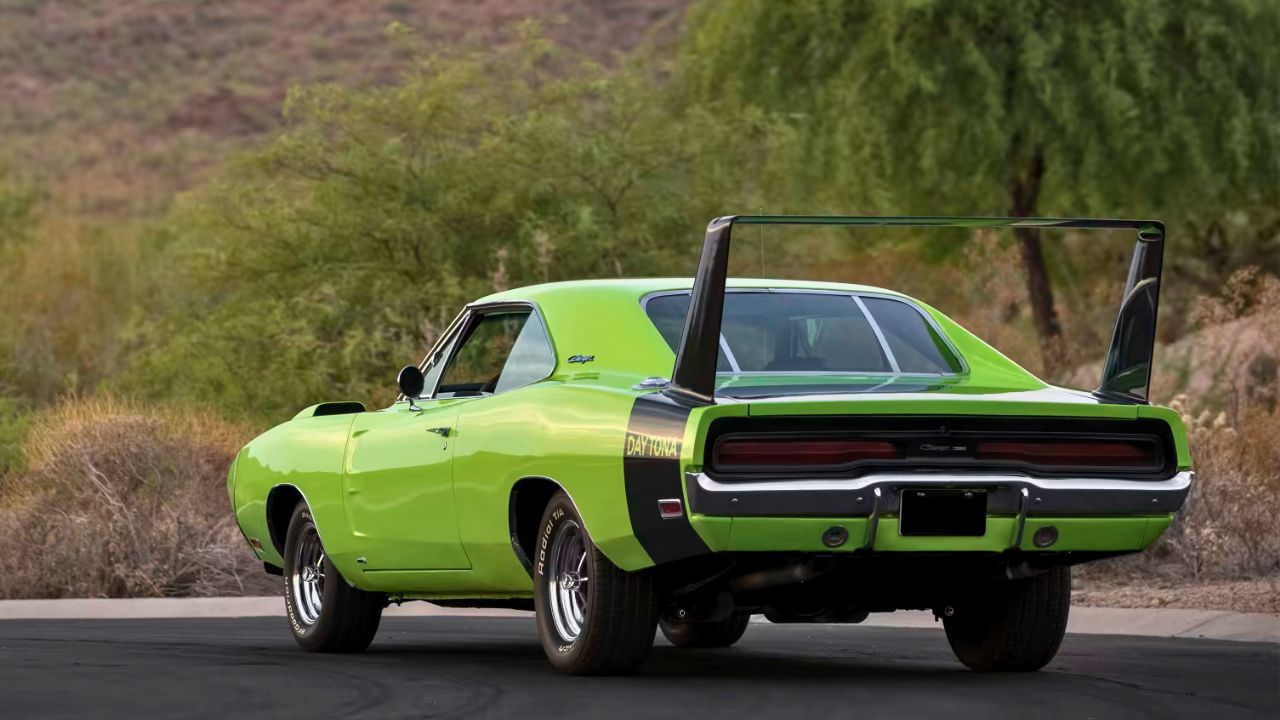
That massive rear wing wasn’t just for drama—it was functional. At 23 inches tall, it sat high enough to operate in clean air above the car’s turbulence. Engineers mounted it directly to the rear subframe to add genuine downforce at high speeds.
Most race teams initially mocked the design, but they weren’t laughing when the Daytona stuck to the banking like glue. While muscle cars of the era often struggled with rear-end lift, the Daytona planted its tires and stayed stable at speed—exactly what NASCAR didn’t want to see taking over the field.
Powered by the 426 HEMI or 440 Magnum
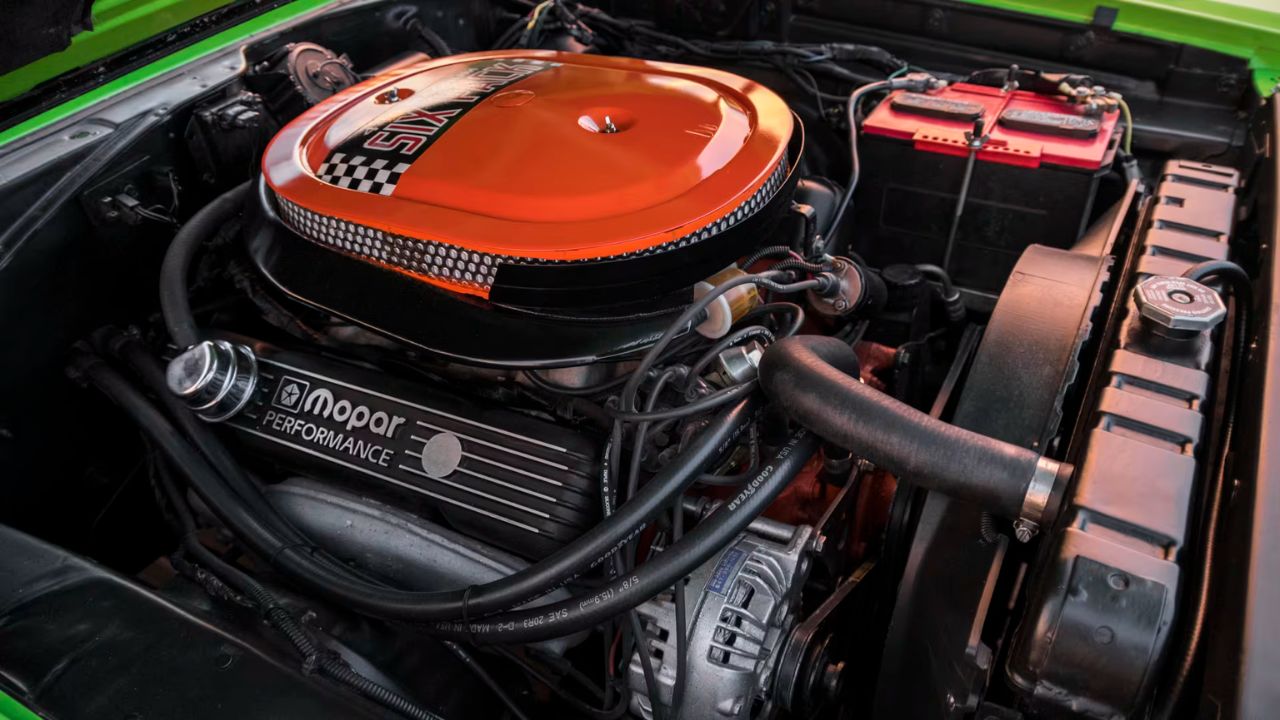
Under the Daytona’s long hood lived two engine options: the street-legal 440 Magnum and the race-ready 426 HEMI. The latter was a 7.0-liter V8 that made 425 horsepower on paper, but in race trim was making well over 600 hp depending on tuning.
That kind of power, combined with the Daytona’s wind-cheating shape, created a car that was nearly unbeatable on long tracks like Talladega and Daytona. While many competitors were still trying to make boxy intermediates competitive, Dodge had essentially built a missile with license plates.
First NASCAR Car to Break 200 MPH

The Daytona made history on March 24, 1970, when Buddy Baker became the first driver to break 200 mph on a closed NASCAR course. His 200.447 mph run at Talladega was a turning point—not just for Dodge, but for stock car racing as a whole.
It wasn’t just a milestone—it was a wake-up call. NASCAR officials realized the speeds were escalating too quickly, and safety concerns were mounting. A car that could break 200 mph without a supercharger or turbo was too far ahead of its time—and its competition.
Banned After Just One Season

Despite its speed and engineering, the Daytona was a short-lived threat. NASCAR changed its rulebook before the 1971 season, effectively banning the Daytona and its Plymouth sibling, the Superbird, by placing restrictions on winged and aero-bodied cars with engines larger than 305 cubic inches.
This meant manufacturers could either keep the aerodynamics and lose displacement, or keep the big engines and lose the aero edge. Neither made sense competitively. The rule change signaled that NASCAR wasn’t interested in letting high-speed aerodynamics outpace safety—or level competition.
Dodge Only Built 503 for the Street
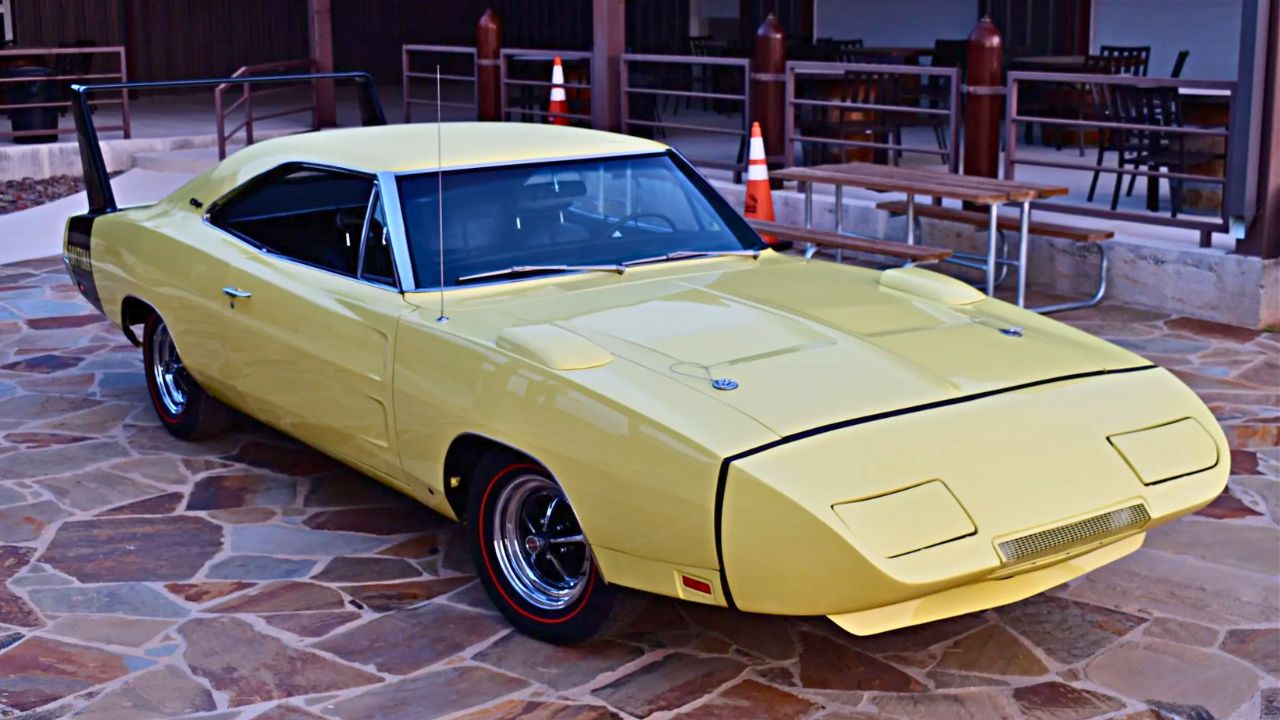
To make the Daytona legal for NASCAR, Dodge had to build at least 500 road-going versions to meet homologation rules. They built 503. Most came with the 440 Magnum; only 70 were fitted with the 426 HEMI, making those the most sought-after today.
These weren’t exactly commuter cars. Despite their power and presence, they were hard to sell. Dealers had trouble moving them off lots due to the radical looks and high price tag. Ironically, the same features that scared NASCAR also scared buyers—at least at first.
Dominated Super Speedways, Struggled Elsewhere
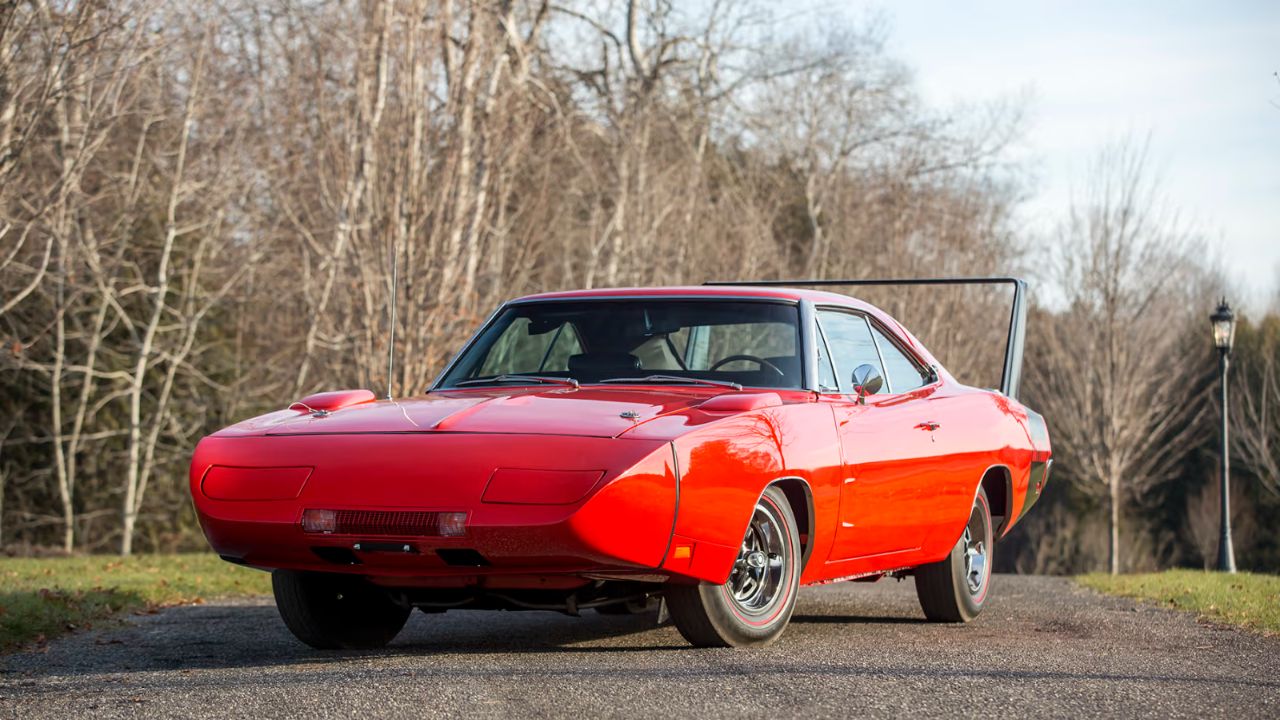
The Daytona was built for high-speed ovals. On long tracks like Daytona and Talladega, its aerodynamic edge made it nearly untouchable. But on short tracks and road courses, the added weight and long nose made it harder to maneuver.
Still, the car proved so dominant on the right courses that NASCAR couldn’t ignore it. Its ability to walk away from the field at 190+ mph changed how teams thought about aerodynamics. Even in its weak spots, the Daytona’s impact couldn’t be overlooked.
NASCAR’s Aero Wars Reached Their Peak
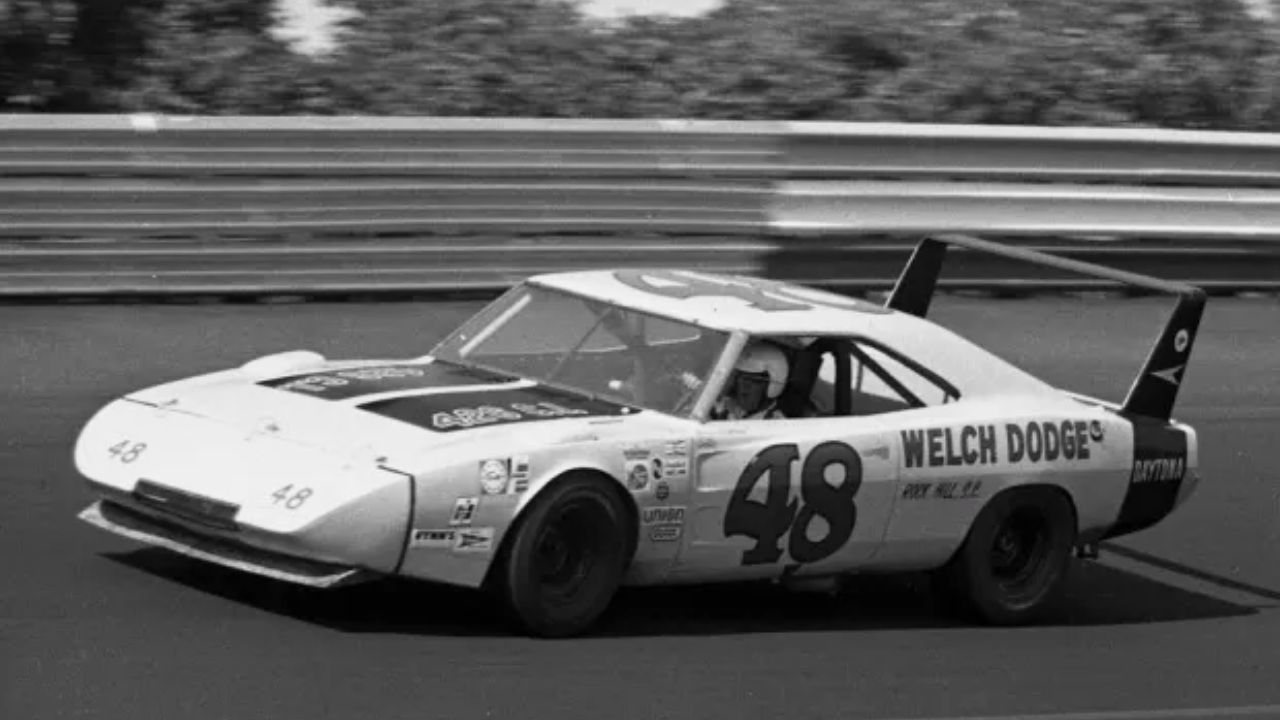
The Daytona wasn’t the only wild car to emerge during this era. Ford had the Torino Talladega. Mercury built the Cyclone Spoiler II. Plymouth followed with the Superbird. But the Charger Daytona was the one that forced NASCAR’s hand.
These “aero cars” pushed the sport into new territory, prioritizing wind tunnel data over brute force. But as speeds climbed and driver safety lagged behind, the governing body realized the technology was outpacing their regulations. The Daytona was the tipping point.
Race Teams Couldn’t Keep Up

Most NASCAR teams in 1969 were working with slightly warmed-over production cars. Dodge, on the other hand, brought an engineering-heavy package to the table with the Daytona. Independent teams lacked the resources to develop wind tunnel-tested bodies or build special chassis.
That performance gap became obvious on track. It wasn’t just that the Daytona was fast—it made everyone else look outdated. NASCAR was built on relatively level playing fields, and the Daytona made it clear that aerodynamics were going to create a serious divide.
Its Legacy Forced a Rule Rewrite
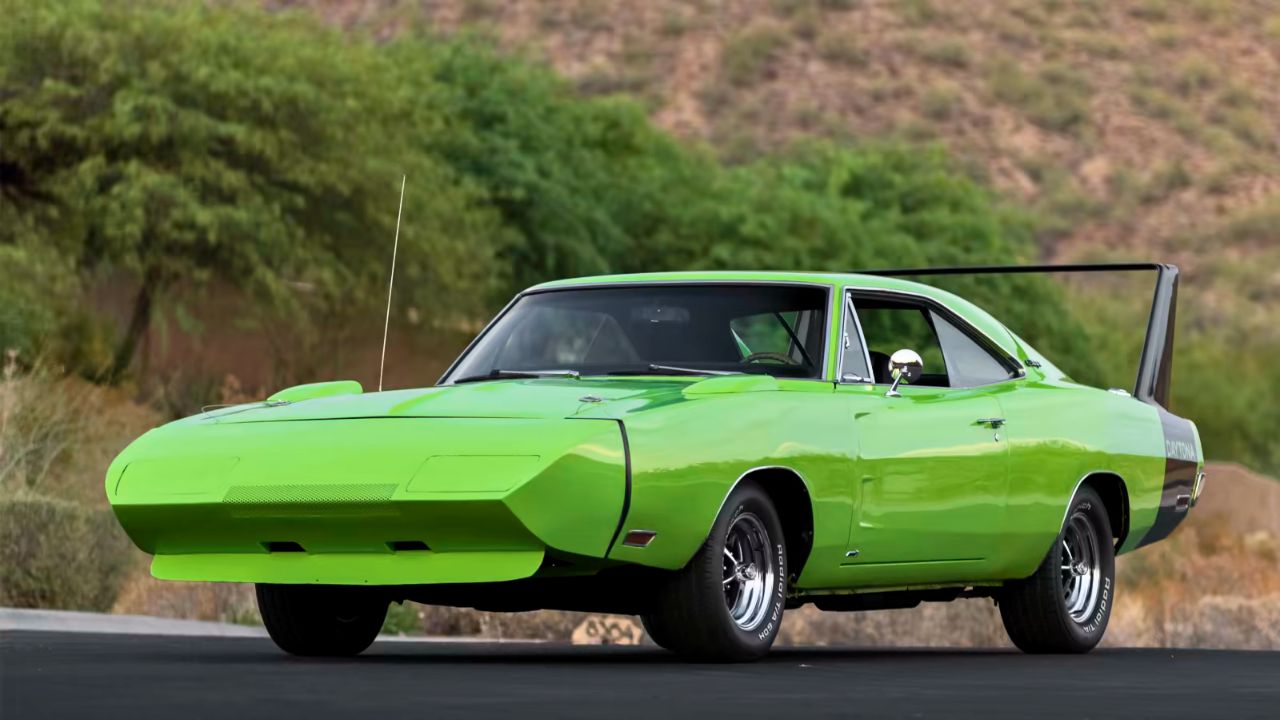
When a car changes the rulebook, it’s usually for one of two reasons: it’s dangerous or it’s unbeatable. The Daytona might’ve been both. NASCAR’s response was to regulate it out of existence, placing limits on both engine displacement and body style.
The move signaled a new era. NASCAR would become more concerned with parity and less welcoming of radical designs. The Daytona’s brief but intense reign proved that technology could push the sport forward—but not without consequences. NASCAR didn’t just fear the Daytona—they rewrote the rules because of it.
Like what you read? Here’s more by us:
*Created with AI assistance and editor review.