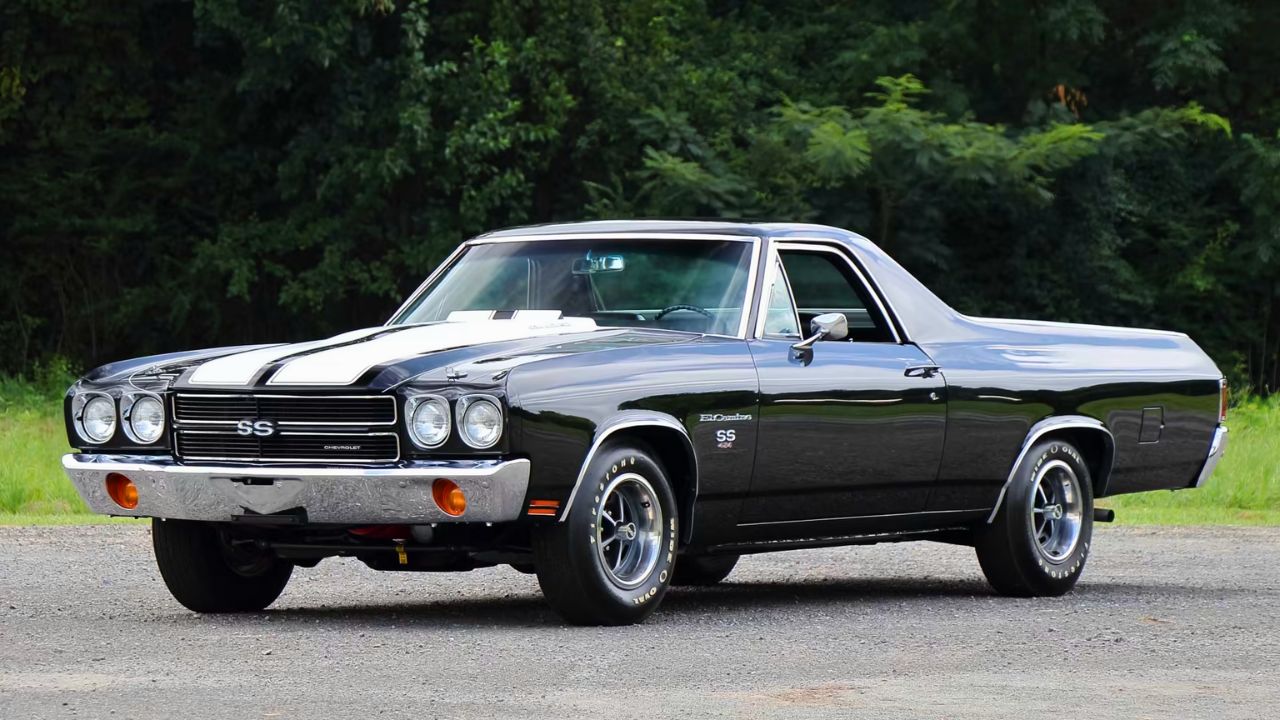
The 1970 Chevrolet El Camino SS 454 LS6 wasn’t just a muscle car with a bed—it was a full-blown street weapon hiding behind a tailgate. In a year when GM went all-in on horsepower, the LS6 version stood at the top of the pile with 450 factory-rated horses and torque that could unhinge a trailer hitch. It was part hot rod, part parts runner, and all attitude.
But what makes this one-year machine so unforgettable isn’t just the power—it’s how it wrapped that performance in a package nobody expected. This wasn’t a novelty. It was a serious contender—and it still turns heads for all the right reasons.
The Most Powerful El Camino Ever Built
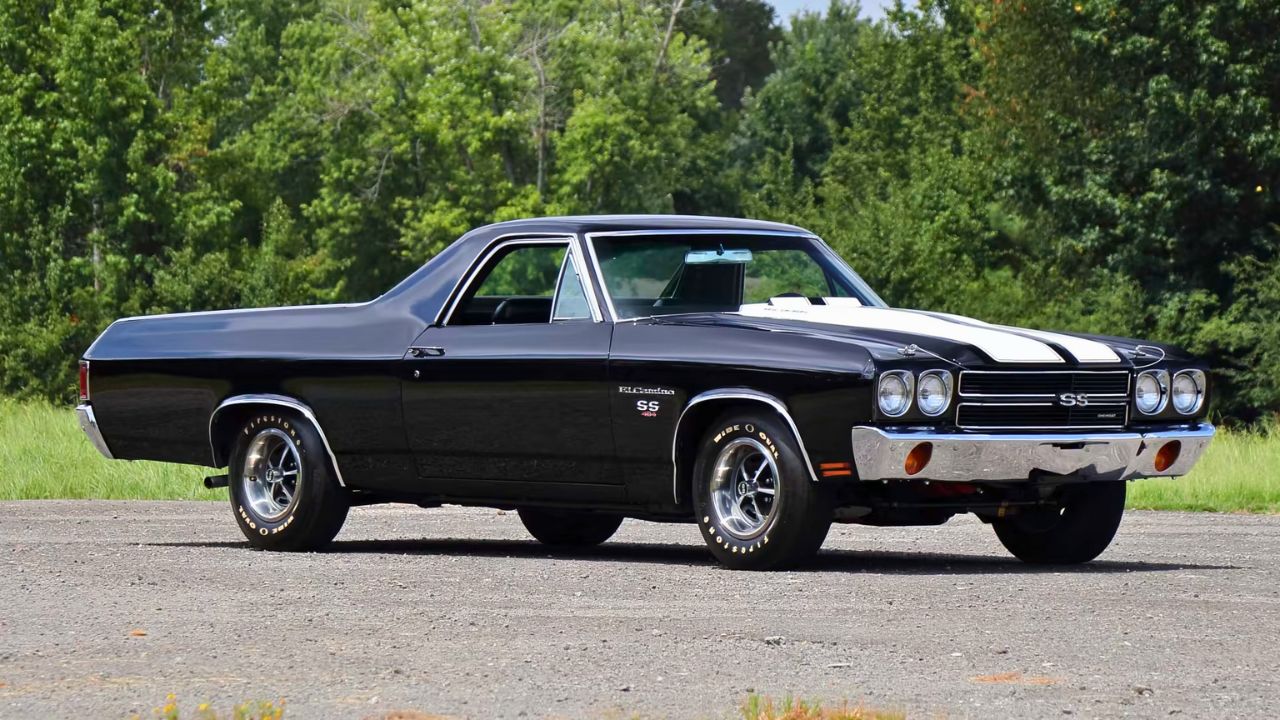
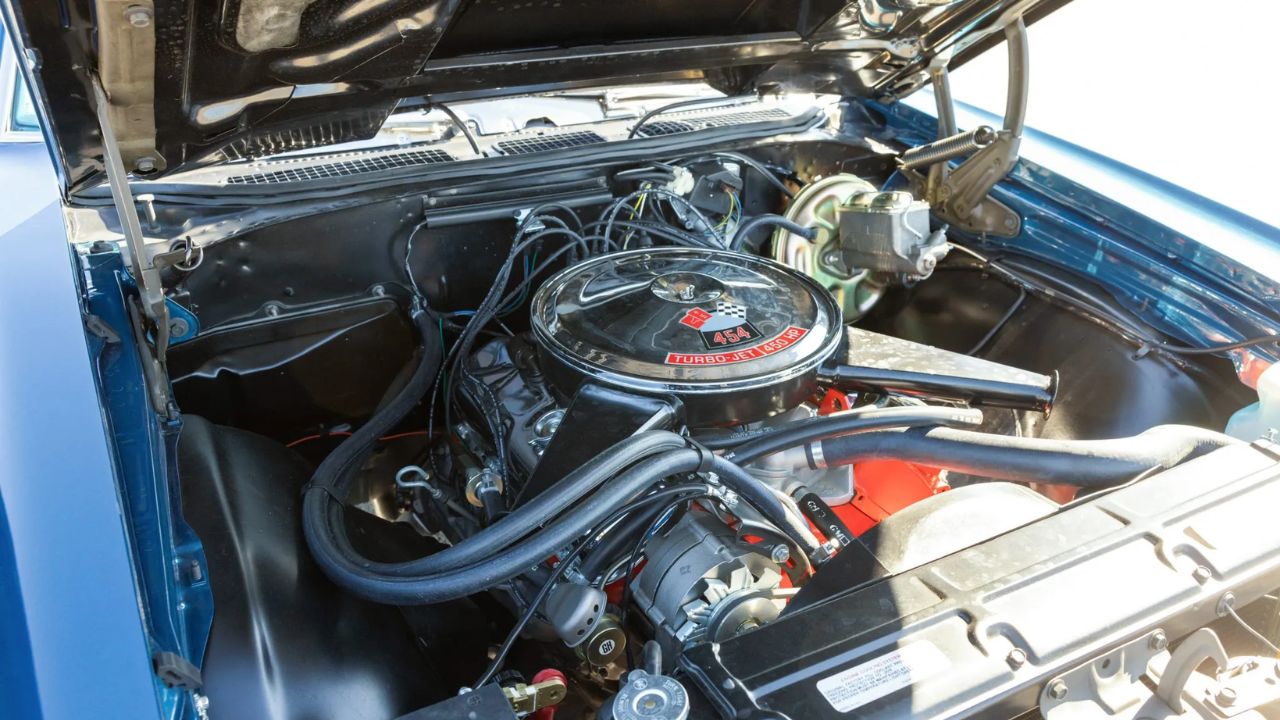
At the heart of the 1970 El Camino SS 454 LS6 was GM’s most ferocious big block: a 454-cubic-inch V8 rated at 450 horsepower and 500 lb-ft of torque. This wasn’t some dressed-up pickup—it was a Chevelle SS muscle car with a bed.
The LS6 engine had forged pistons, a high-lift camshaft, solid lifters, and an 800 CFM Holley carb sitting atop an aluminum intake. Despite being factory-rated at 450 hp, real-world dyno numbers suggested it was closer to 500. That made it the fastest and strongest El Camino ever sold.
It Could Outrun Most Muscle Cars
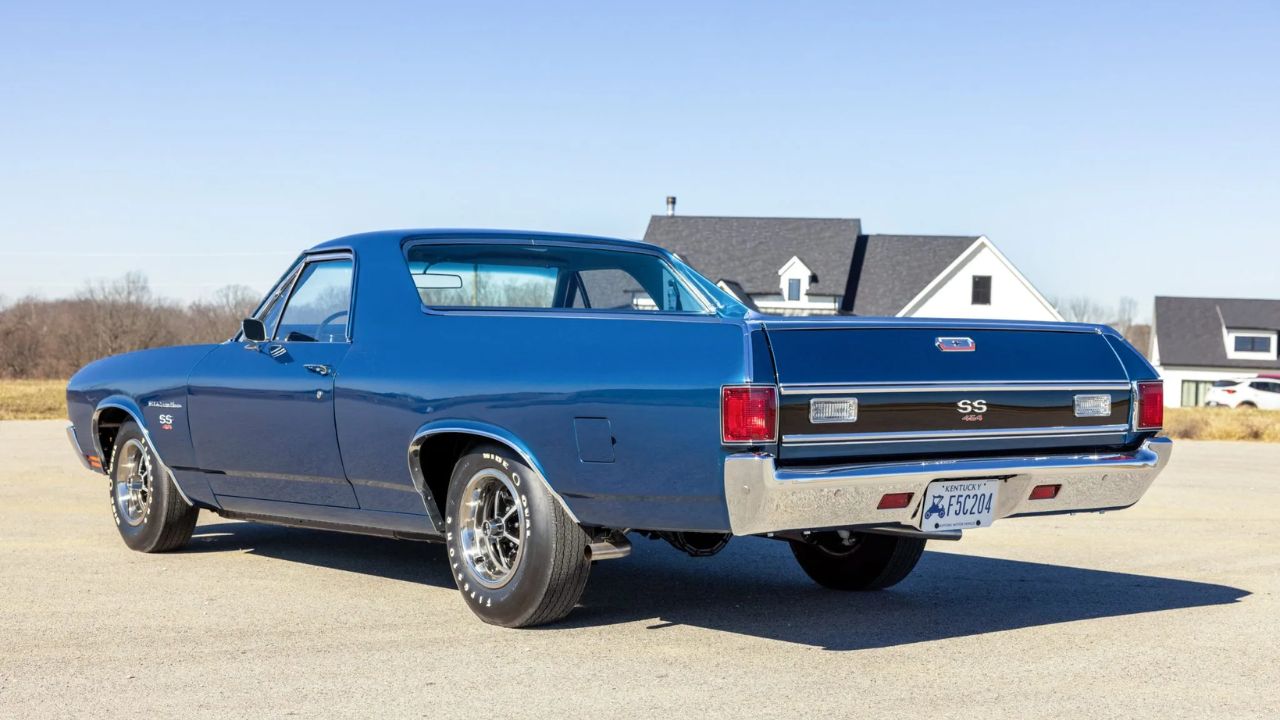
The LS6 El Camino wasn’t just about raw numbers—it delivered performance that embarrassed more than a few purpose-built muscle cars. Quarter-mile times landed in the low 13s at over 100 mph, and it could hang with HEMIs and Boss 429s straight from the factory.
All of this in a utility vehicle you could theoretically use to haul lumber. The LS6 wasn’t a novelty package—it gave the El Camino real drag-strip credibility. If you wanted to go fast and still pick up parts for your weekend project, this was your ride.
It Was Rare From the Start
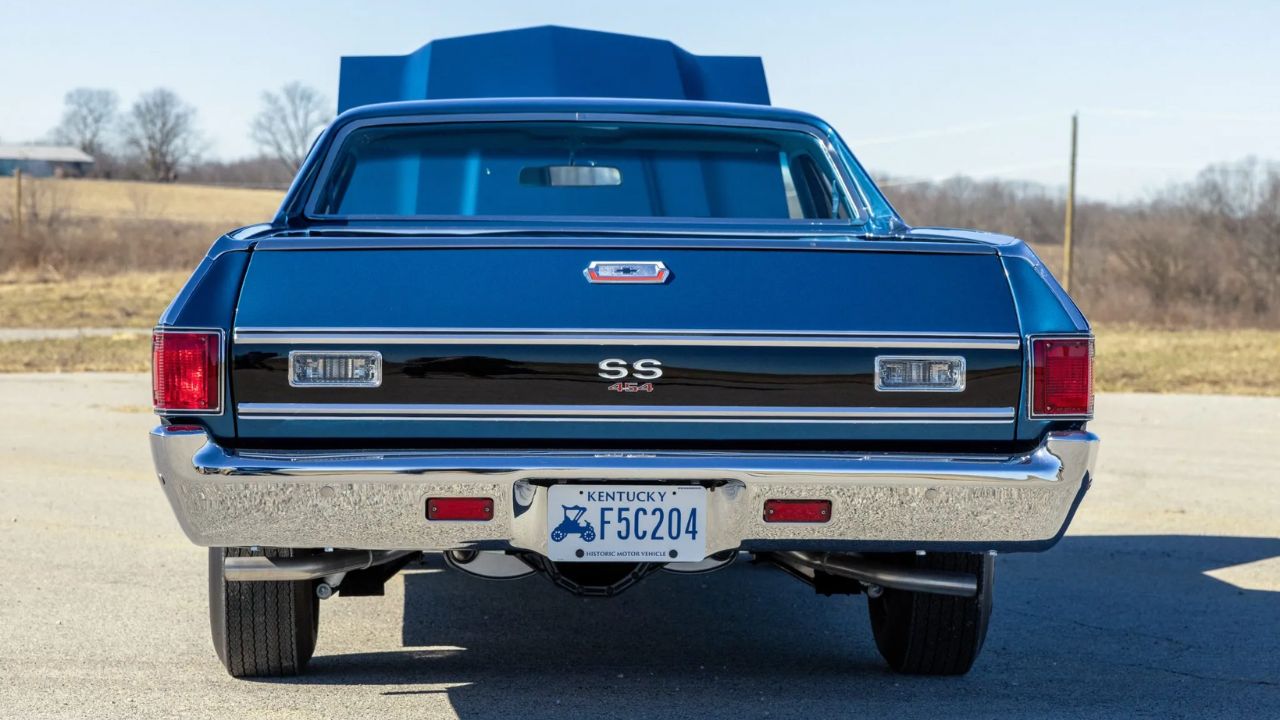
Chevrolet didn’t make many of them. While exact production numbers for LS6-powered El Caminos are debated, estimates hover around just 500 units out of the nearly 41,000 El Caminos built for 1970.
That low volume, combined with the model’s short production window, makes it a unicorn today. Most buyers opted for the LS5 version with 360 hp, leaving the pricier LS6 largely overlooked. It wasn’t a car for everyone—and Chevy didn’t try to make it one. That scarcity is a big part of its appeal today.
Part of the Chevelle SS Family
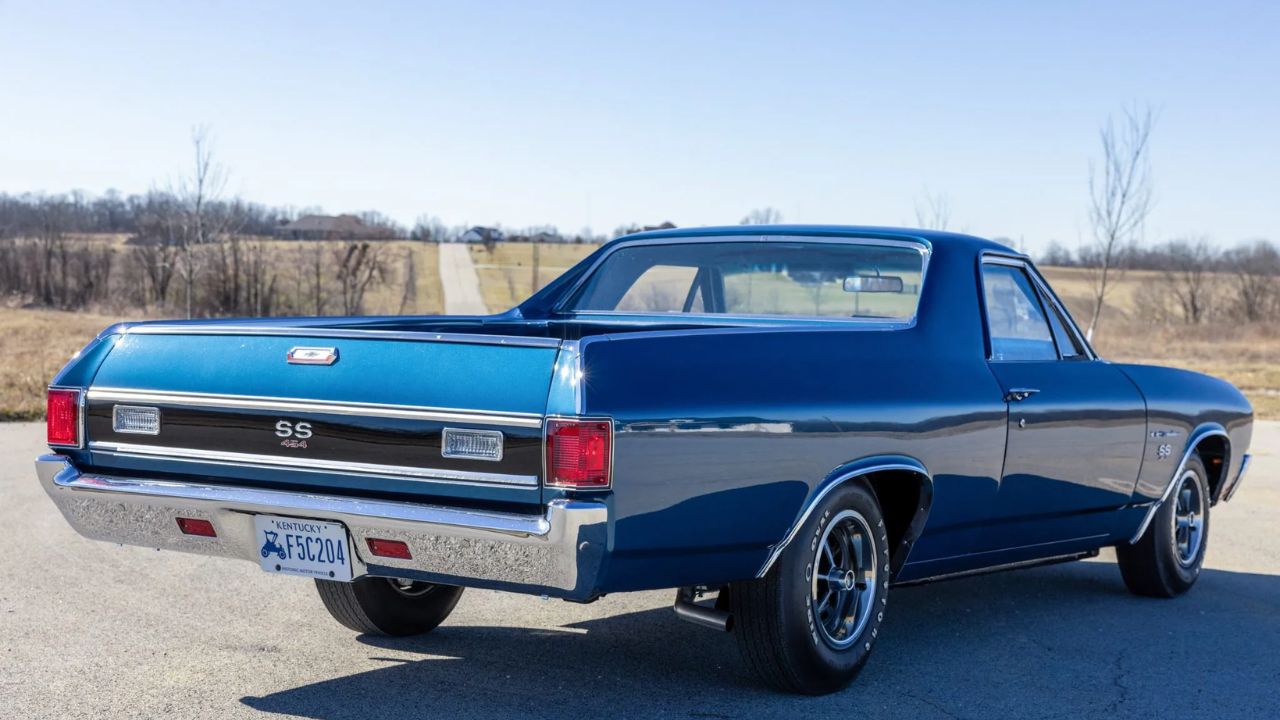
The LS6 El Camino shared nearly everything with the 1970 Chevelle SS 454—from chassis to drivetrain to styling. The big difference, of course, was the pickup bed out back. But underneath, it was the same beast.
That made it a bit of a sleeper. While the Chevelle SS got all the magazine covers and ad space, the El Camino version flew under the radar. For collectors today, it’s a more unusual way to experience the peak of GM muscle performance without buying yet another Chevelle.
Functional Hood Pins and Cowl Induction
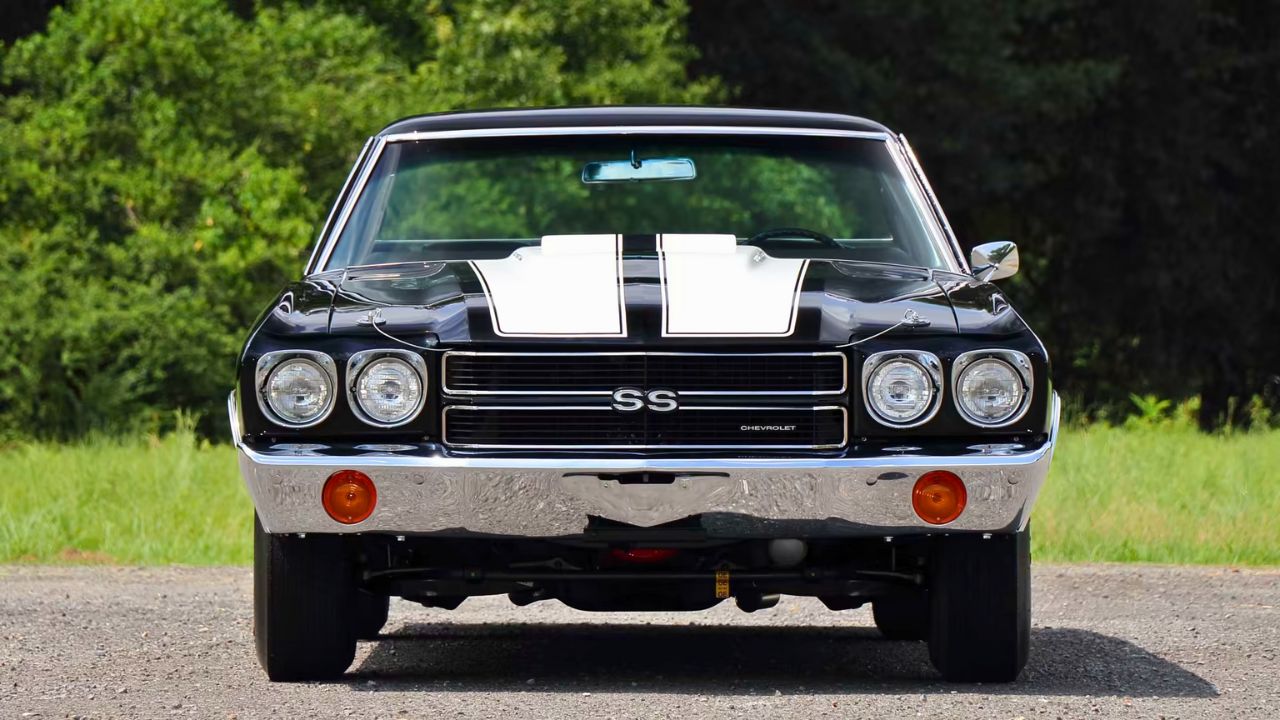
The LS6 El Camino wasn’t just about brute force—it had hardware to back it up. The cowl induction hood, standard on LS6 cars, featured a vacuum-operated flap at the base of the windshield that opened under throttle to feed cooler, denser air to the engine.
It also came with functional hood pins, not just decoration. These were performance parts, not showpieces. Together, they gave the LS6 model a track-ready appearance and helped justify its purpose as something more serious than a trim package.
Built to Handle the Power
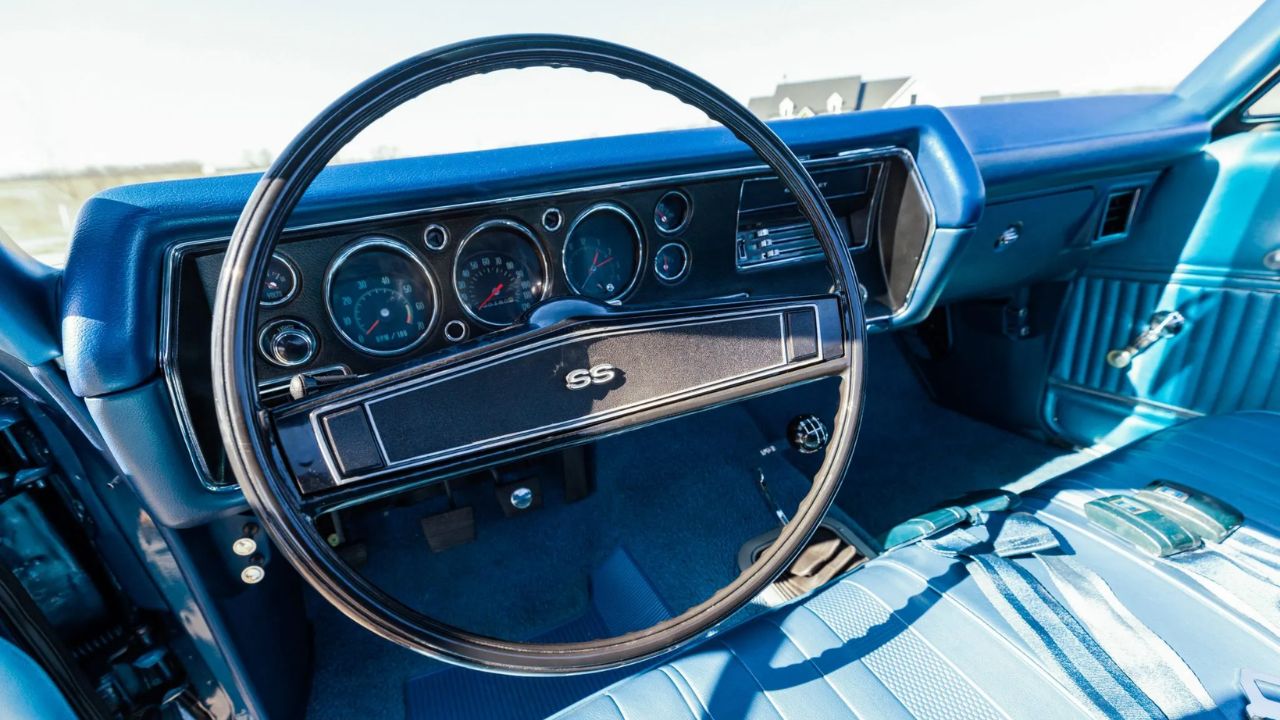
To handle that kind of torque, GM didn’t cheap out on the drivetrain. Most LS6 El Caminos came with a heavy-duty Muncie M22 “Rock Crusher” 4-speed or a beefy TH400 automatic. Out back, buyers got a 12-bolt rear axle with 3.31, 3.55, or 4.10 gears, depending on spec.
GM also upgraded the suspension and brakes—front discs came standard, and F41 suspension was included to help the car manage corners better than most muscle-era pickups. It didn’t corner like a Corvette, but it handled better than you’d expect for a car with a bed.
No Factory A/C with the LS6
If you ordered an LS6 El Camino, you had to sacrifice air conditioning. The solid-lifter cam and high compression (11.25:1) didn’t play well with power-sapping accessories like A/C compressors. That was a serious limitation in hotter states, but buyers who wanted the fastest El Camino didn’t seem to mind.
This one detail separates the real performance buyers from the weekend cruisers. The lack of A/C is also one of the easiest ways to confirm a real-deal LS6 versus a clone or restomod, especially since engine swaps are common in these cars.
It Was the End of the Line for Peak Muscle
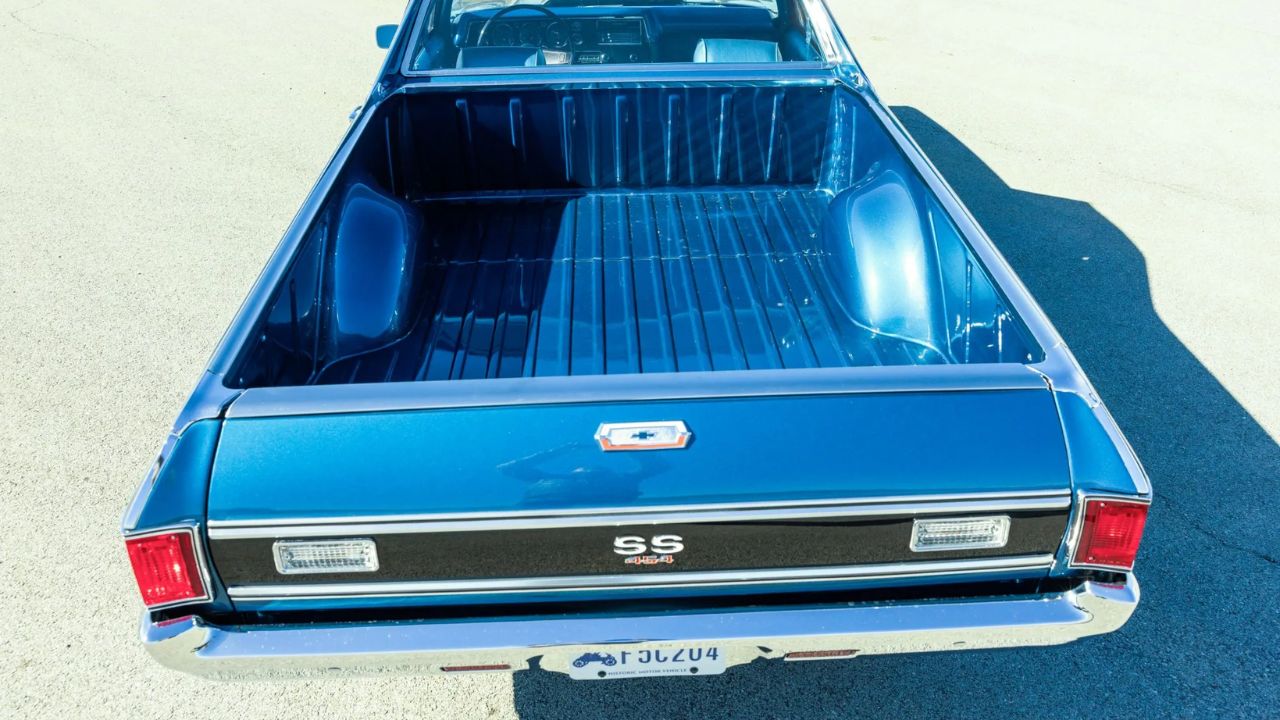
1970 was a high-water mark not just for the El Camino, but for the muscle car era in general. Insurance costs and emissions standards were about to crash the party. The LS6 would disappear after this model year, making this El Camino a one-year performance outlier.
Chevy never built another El Camino this wild again. Later models had optional big blocks, but none with this kind of bite. The LS6 El Camino was the last time you could walk into a dealer and buy a truck-car hybrid that could stomp on supercars.
Styling Was Equal Parts Muscle and Utilit
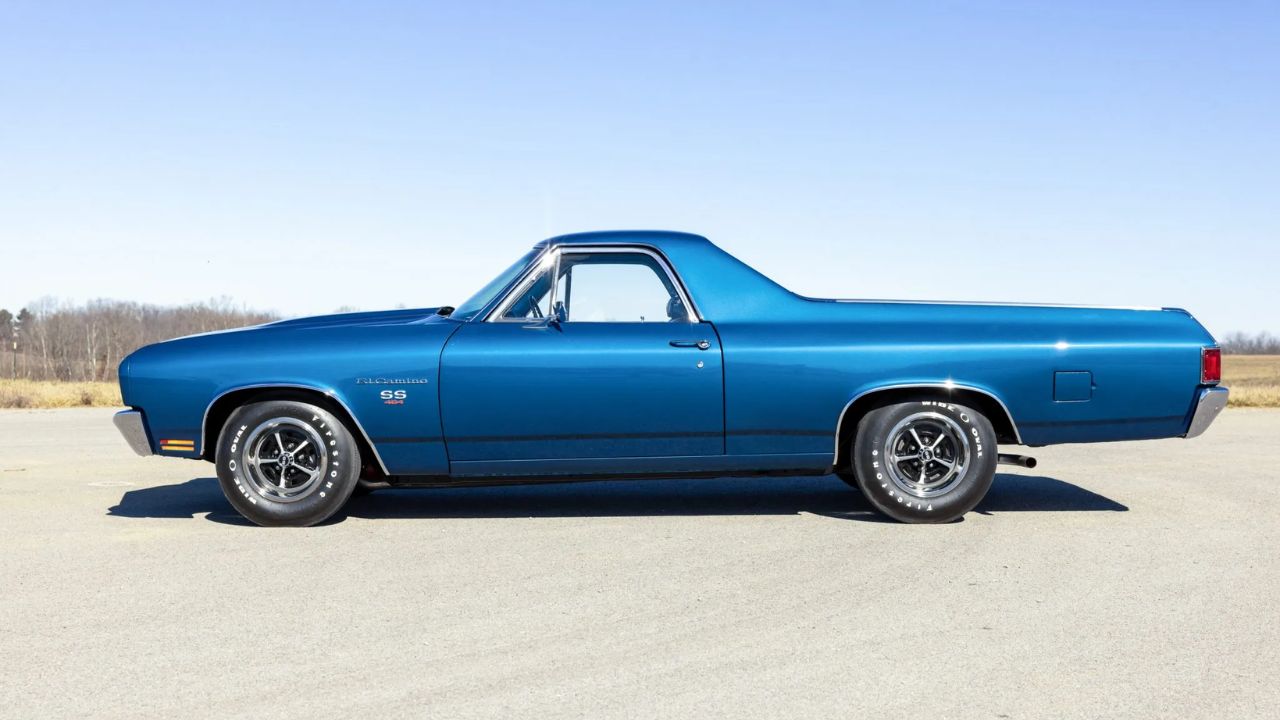
Visually, the 1970 El Camino SS LS6 looked mean without being flashy. Dual stripes, rally wheels, SS badging, and that cowl hood gave it a no-nonsense look. The long bed, smooth lines, and frameless doors made it stand out in a sea of square pickups.
The dual identity—half muscle car, half hauler—wasn’t lost on buyers or critics. It was a muscle car that didn’t need to scream about it. And that’s part of the reason people still look twice when one pulls into a parking lot today.
A Serious Collectible Today
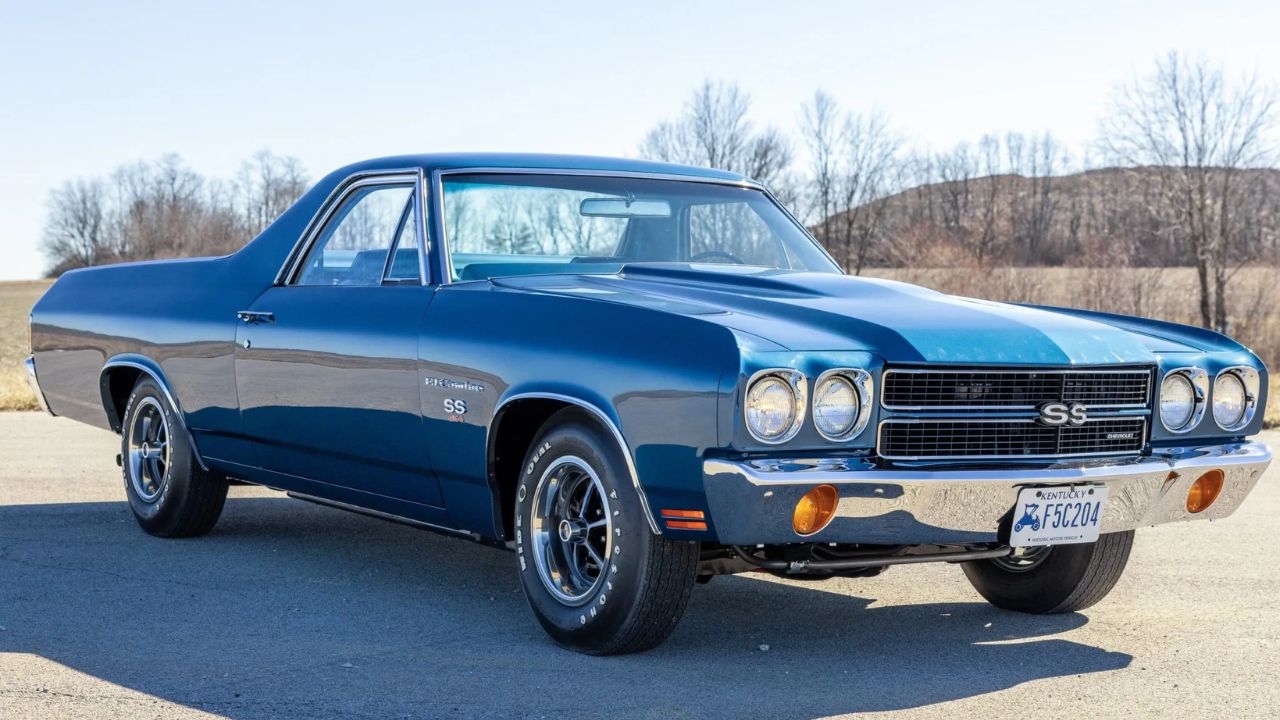
Because of its rarity, performance, and year-one-only LS6 engine option, these El Caminos have become highly collectible. Original, numbers-matching examples can pull six figures at auction, especially if documented with factory build sheets or GM of Canada paperwork.
But unlike many six-figure classics, this one still has an edge. It wasn’t built for concours fields—it was built to run. That attitude still clings to it today, which is probably why the LS6 El Camino isn’t just remembered—it’s respected.
Like what you read? Here’s more by us:
*Created with AI assistance and editor review.