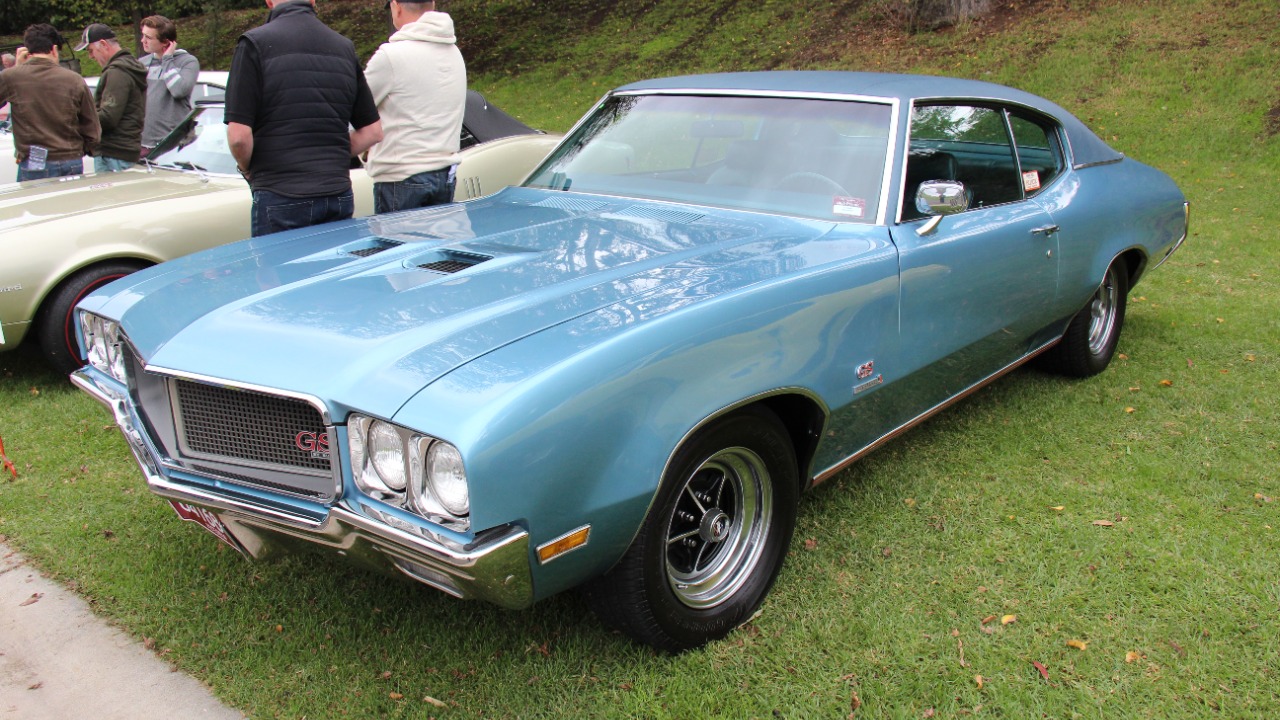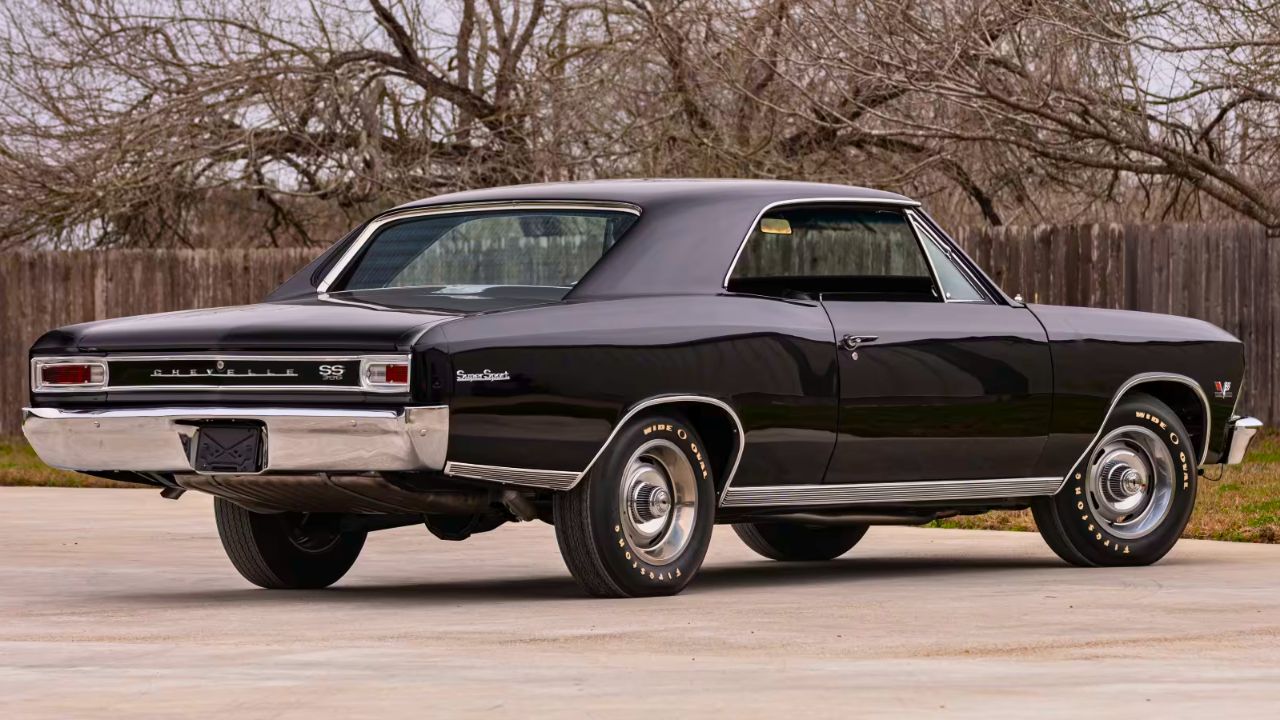
By 1966, muscle cars were more than just a trend—they were becoming a way of life. And right in the thick of it was Chevrolet’s answer to the growing demand for power and street presence: the Chevelle SS396. It wasn’t subtle, and it didn’t need to be. This was a car built around a big-block heartbeat, wrapped in clean, confident lines that didn’t try too hard.
Whether you saw one idling at a red light or tearing down a backroad, the ’66 Chevelle SS had a presence. It still does.
Big-Block Power That Meant Business
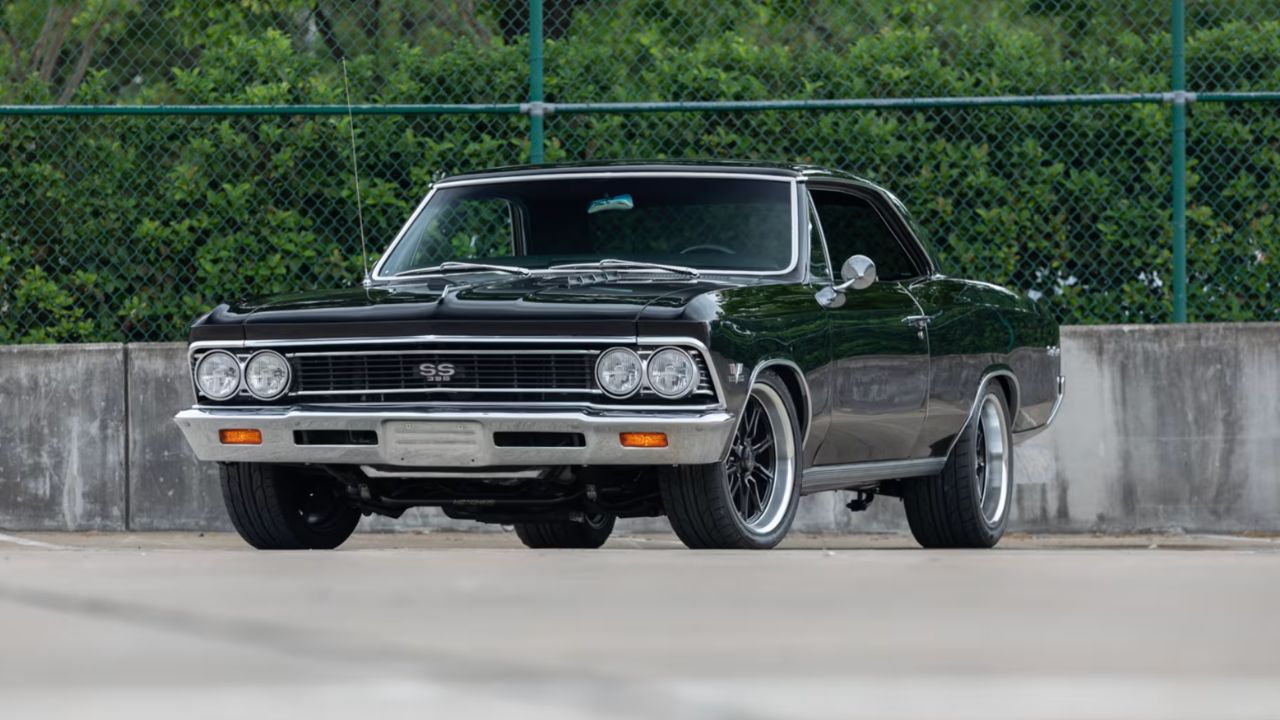
In 1966, the Chevelle SS 396 came standard with a 396-cubic-inch V8, and that wasn’t just for show. The base L35 version pushed out 325 horsepower, but buyers could bump that up to 360 or even 375 horses with the L34 and L78 options. This wasn’t some soft cruiser—it was quick, loud, and unapologetic.
Torque was what really made the car feel alive. With 410 lb-ft on tap in the L78 version, the Chevelle SS had no trouble lighting up the rear tires. It was the kind of power you didn’t forget.
Suspension That Handled the Heat

Unlike some other big block cars of the era, the ’66 Chevelle SS didn’t just go fast—it could handle a little aggression too. Chevy gave it a stiffer suspension setup than the standard Chevelle, with heavier-duty springs and shocks, plus a beefed-up front sway bar.
It still had a solid rear axle and coil springs, but for the street, it struck a nice balance. It could hustle through corners without feeling like a boat. Was it a canyon carver? No. But for mid-’60s Detroit steel, it held its own.
A Muncie to Row Your Own Gears
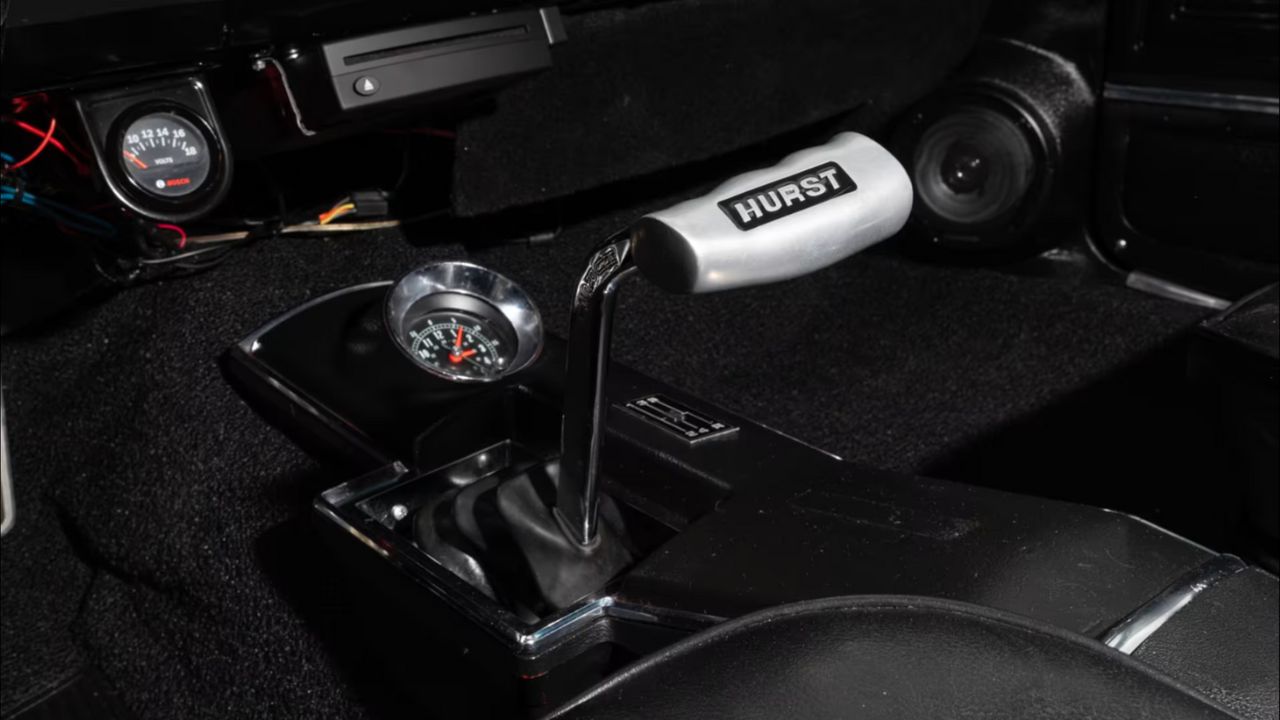
Buyers looking for a more connected driving experience often went for the 4-speed Muncie manual. It was durable, direct, and paired well with the big block’s torque curve. The shifter had a short throw for the time, giving drivers a mechanical feel that’s missing in today’s cars.
If rowing gears wasn’t your thing, Chevy also offered a 3-speed manual and a 2-speed Powerglide automatic. But let’s be honest—if you wanted the full SS experience, the 4-speed was the one to get. It just made the car feel more alive.
Subtle But Serious Styling Cues
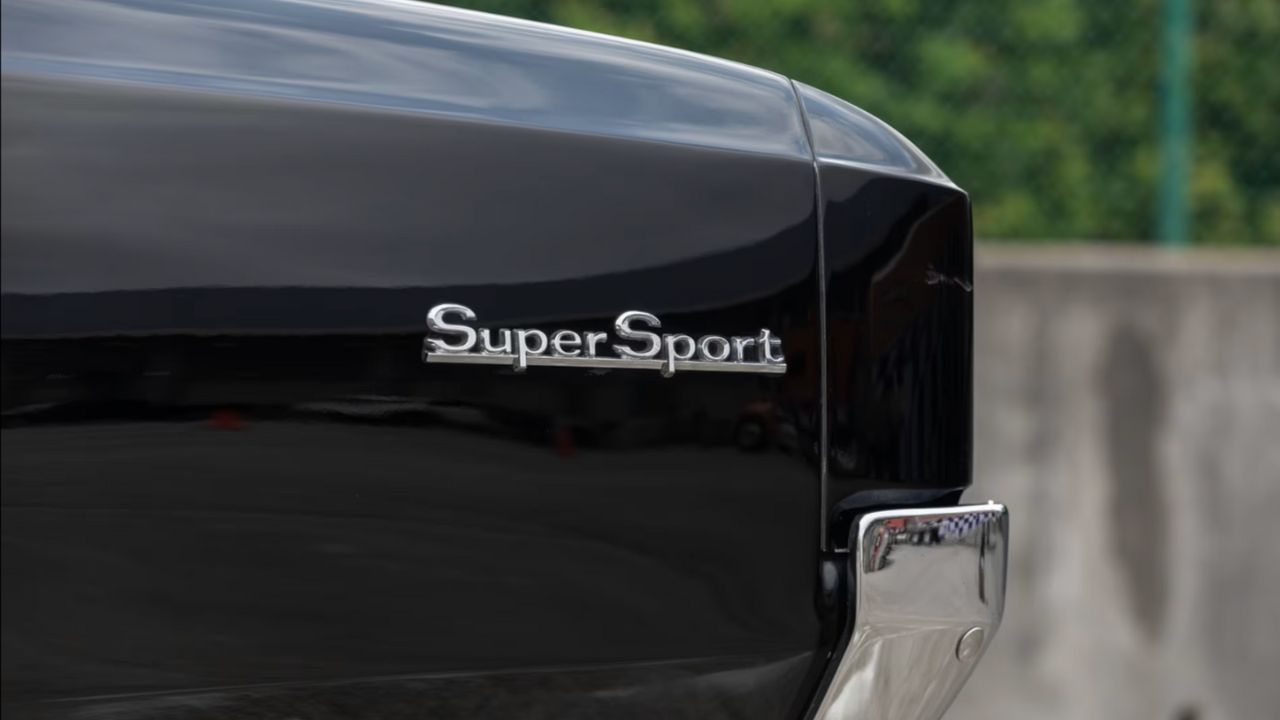
The 1966 SS396 wasn’t flashy by today’s standards, but the details told the story. It had a unique grille with a blacked-out finish, SS badging in all the right places, and a faux hood scoop that gave it just the right amount of attitude.
Wheel well moldings, brightwork, and the “Super Sport” script set it apart without going overboard. It looked clean, tight, and ready to run. You didn’t need wild stripes or oversized spoilers to know this car meant business—it let the stance and sound speak first.
Inside Was All Business, Too
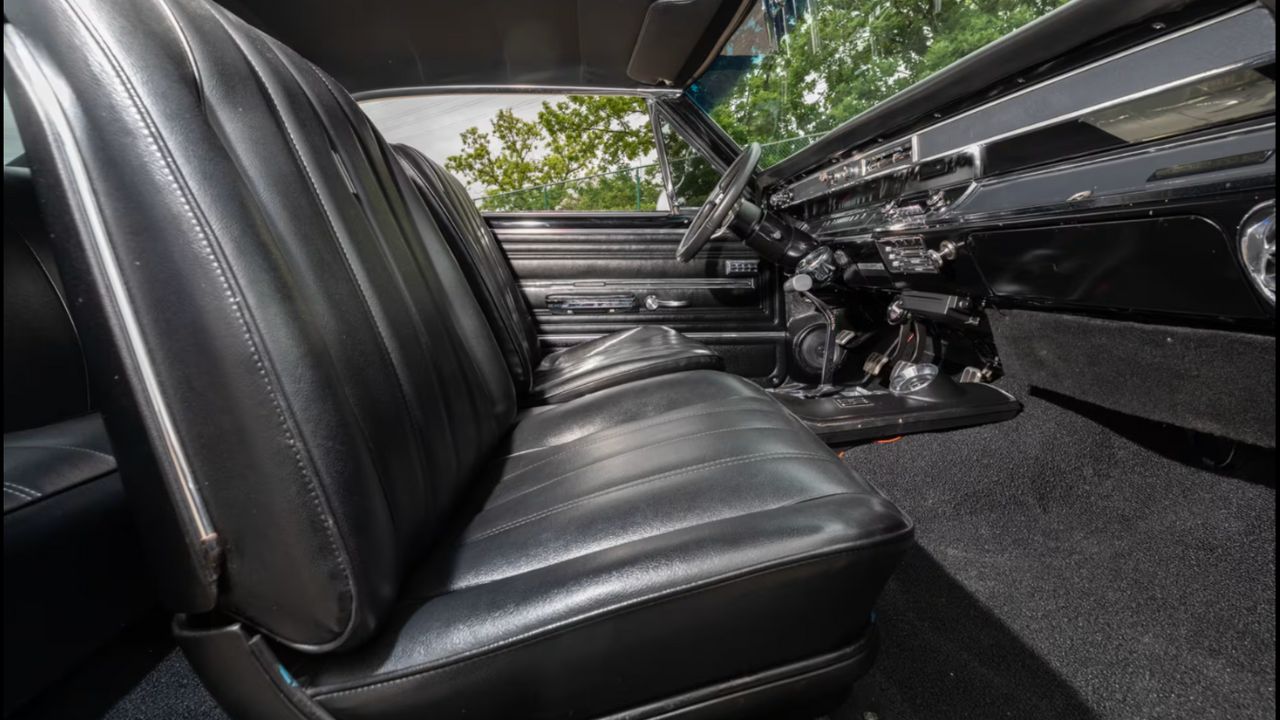
The interior of the ’66 Chevelle SS wasn’t fancy, but it was functional. Bucket seats and a center console were part of the package, giving the car a more serious tone compared to bench-seat cruisers. You also got a deep-dish steering wheel and clear, no-nonsense gauges.
Materials were tough and leaned more toward durability than luxury. Vinyl upholstery, metal trim, and a simple dash layout made sure your focus stayed on the drive. It wasn’t built to impress passengers—it was made for the person behind the wheel.
Trim Code 138 Meant the Real Deal

Not all Chevelles in 1966 were real Super Sports. The key was the VIN starting with “138”—that was your ticket to authenticity. Plenty of tribute cars exist today, but that trim code was how you separated a true SS from a dressed-up Malibu.
This detail matters for collectors, but it also mattered back then. A “138” car meant big block power, upgraded suspension, and SS-specific trim. It was more than a badge—it was a signal that this car wasn’t just for cruising to the burger joint.
It Sat Right on 14-Inch Rally Wheels

Factory 14-inch wheels might sound small now, but in 1966, they filled the wells just fine. The SS396 rolled on steel wheels wrapped in redline or white-letter tires. They weren’t flashy, but they matched the car’s no-nonsense vibe.
Chevy offered optional mag-style wheel covers, and many owners added aftermarket Cragars or American Racing wheels later on. But from the factory, it kept things simple. The car didn’t need gimmicks. The way it sat—slightly nose-down with a hint of rake—said everything.
Built to Run, Not Just Sit Pretty
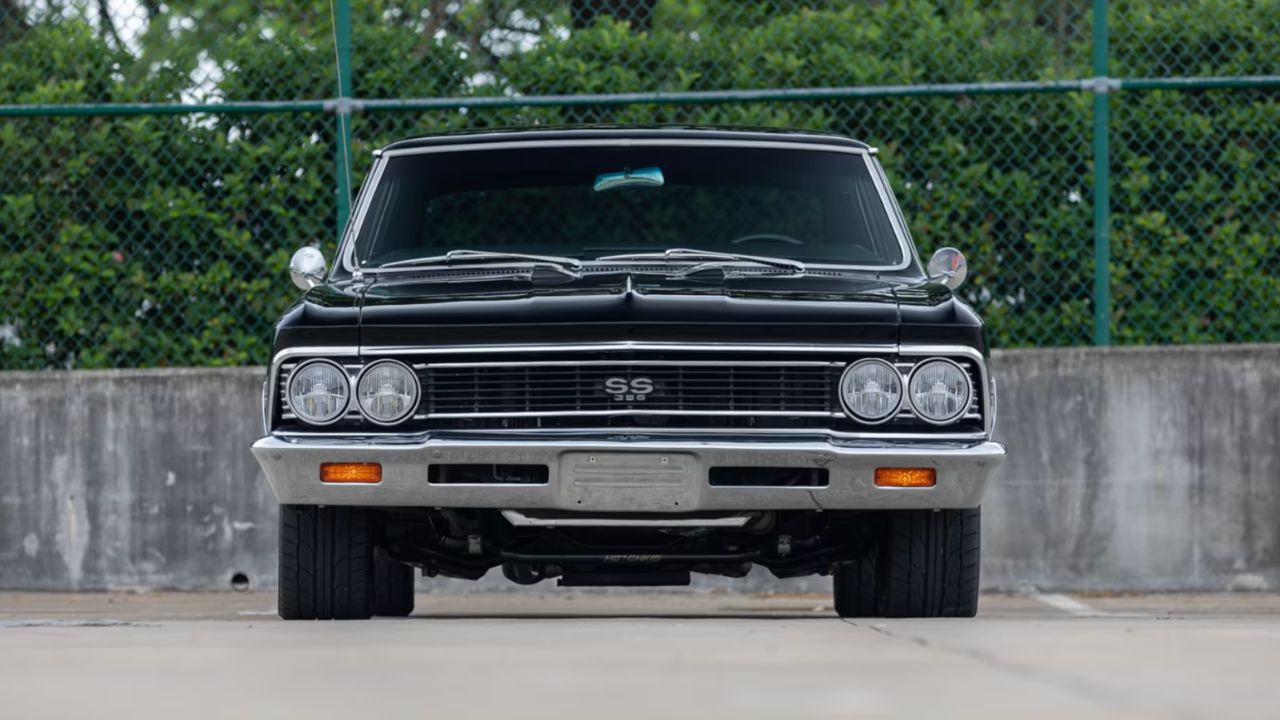
Chevrolet sold over 72,000 SS396 models in 1966, and that wasn’t a fluke. This wasn’t a limited-edition halo car. It was meant to be driven, and many of them were—hard. Street racing, stoplight battles, track weekends—these cars lived full lives.
That’s why so many survivors today have stories. They weren’t tucked away in garages with the plastic still on the seats. They were out doing what they were built to do. And that’s part of what makes them worth talking about now.
Performance Came at a Fair Price
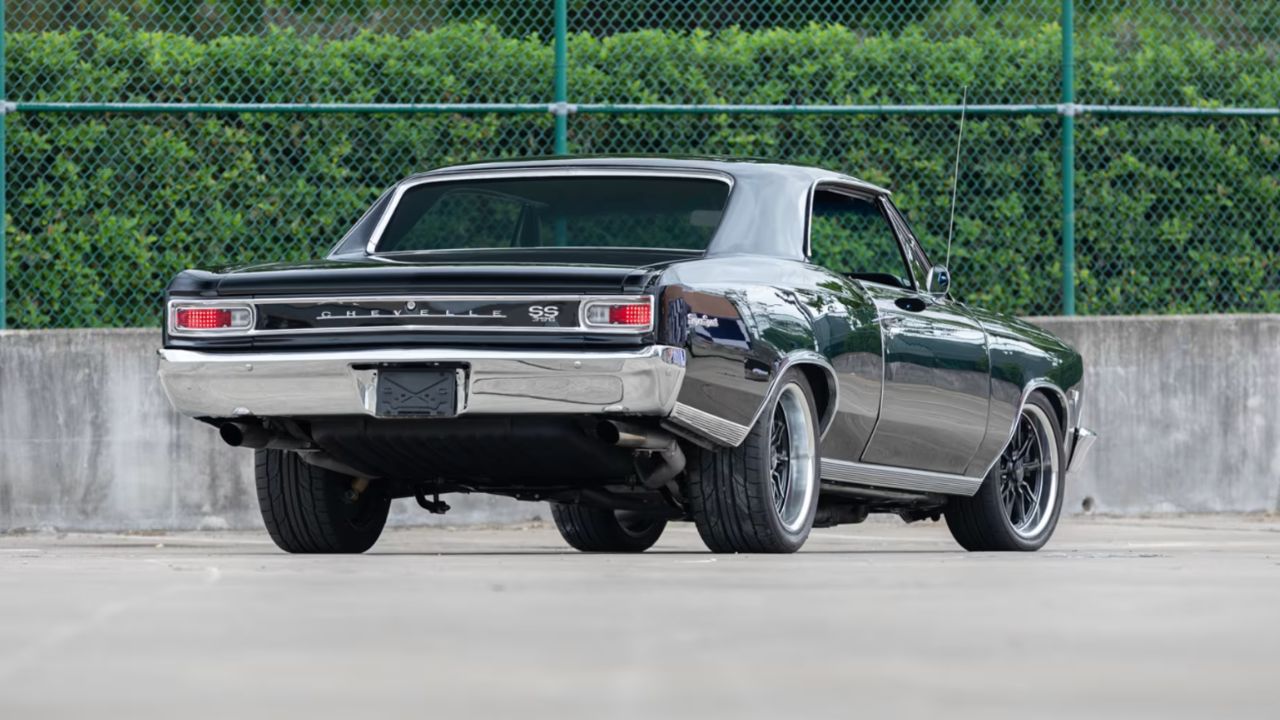
Back in ’66, the SS396 wasn’t cheap, but it wasn’t out of reach either. It started at just over $2,700, depending on options. For what you got—a big block V8, upgraded suspension, manual transmission, and factory trim—it was a solid deal.
That affordability helped the Chevelle SS become a street legend. It wasn’t just the rich kids showing up with one. Blue-collar drivers could swing it, especially used. That wide reach is part of what built the Chevelle’s legacy and cemented its street cred.
It Laid the Groundwork for What Came Next
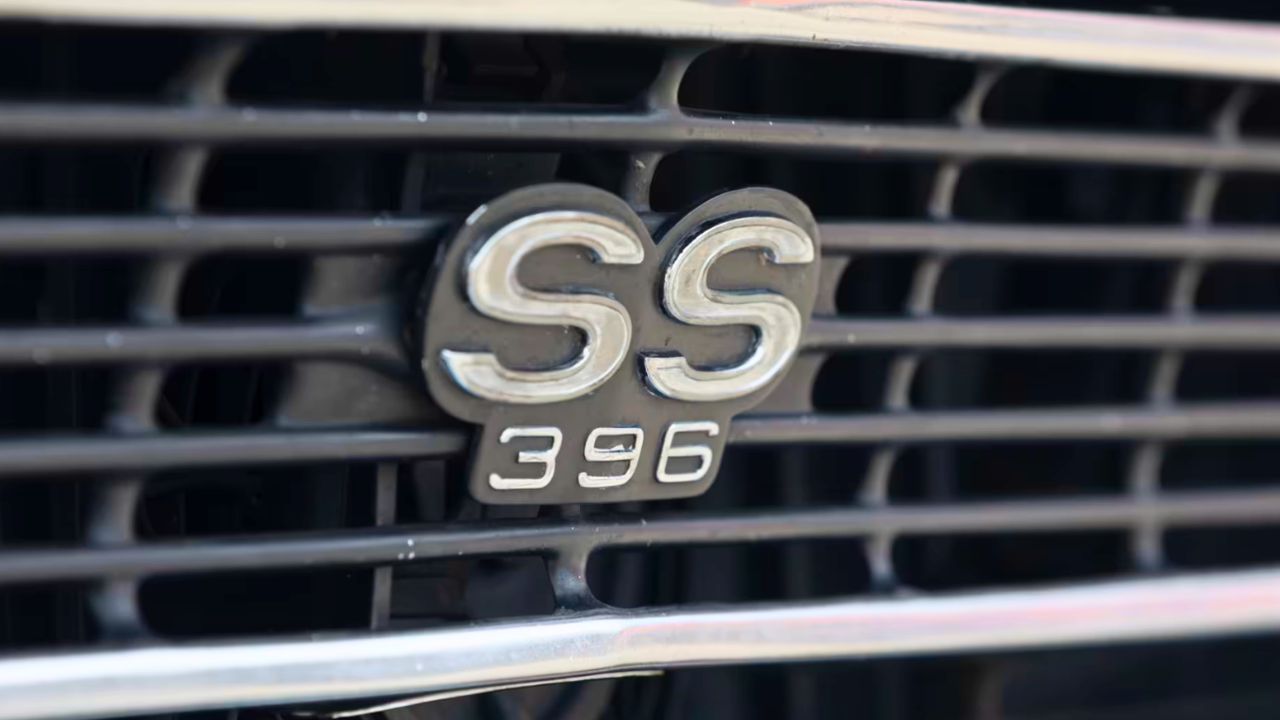
The ’66 SS396 wasn’t the first muscle car, but it helped push things forward. Chevy kept refining the Chevelle each year after, but 1966 was a turning point. It had the right combination of looks, sound, and raw performance that people were after.
It wasn’t perfect, but it got the formula right—and set the stage for the nastier 396s, 427s, and LS6s that came later. When people talk about peak muscle car years, they’re not leaving ’66 out. The Chevelle SS396 made sure of that.
Like what you read? Here’s more by us:
*Created with AI assistance and editor review.