The Chevrolet small-block V8 became one of the most influential engines in automotive history, but its success was never guaranteed. When engineers developed this compact and lightweight V8 in the 1950s, they were taking a major risk by abandoning traditional engine designs. That gamble created a powerplant that would shape Chevrolet performance for generations.
A New Approach Challenged Traditional Engine Design
During the early 1950s, Chevrolet needed a modern engine that could compete with growing customer demands for more power and improved efficiency. Existing Chevrolet engines were reliable but becoming outdated compared with newer designs from competitors. Engineers believed the future required something smaller, lighter, and more advanced.
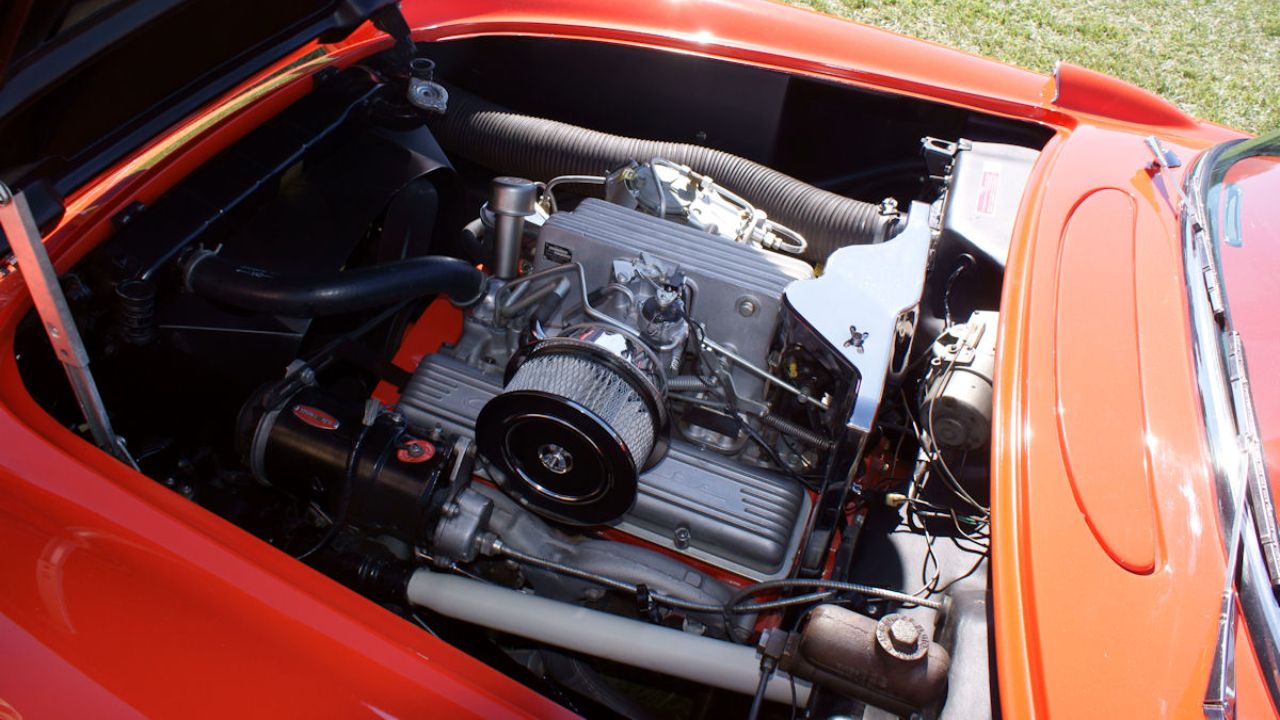
The result was the 265 cubic-inch small-block V8 introduced in 1955. Instead of creating another large and heavy engine, Chevrolet focused on compact dimensions, efficient design, and strong performance potential. The engine featured a lightweight casting, overhead valves, and a simplified structure that made it easier to manufacture.
This approach was considered a significant gamble because the company was moving away from proven designs. However, engineers believed a smaller V8 could deliver the performance buyers wanted while improving overall vehicle balance.
That decision created the foundation for one of Chevrolet’s greatest engineering achievements.
Lightweight Design Created Endless Possibilities
One of the small-block V8’s greatest advantages was its compact size. Compared with larger engines, it weighed less and allowed Chevrolet vehicles to achieve better handling and weight distribution. This made it useful in everything from passenger cars to performance models.
The engine’s design also provided exceptional room for development. Engineers could increase displacement, improve cylinder heads, add performance components, and create new versions without completely redesigning the basic architecture.
This flexibility allowed the small-block V8 to power a wide range of vehicles, including the Corvette, Camaro, Chevelle, Nova, and countless trucks.
Its adaptability became one of the reasons it remained in production for decades.
Chevrolet had created an engine platform that could evolve with changing technology and customer expectations.
Performance Made It a Racing Legend
The small-block V8 quickly gained recognition in motorsports, where its lightweight construction and strong power potential made it a favorite among racers. Enthusiasts discovered that the engine responded extremely well to modifications, allowing builders to create powerful combinations for street and competition use.
Chevrolet continued improving the engine through advanced versions with larger displacements, better breathing systems, and higher performance capabilities. The small-block became a symbol of affordable performance because enthusiasts could extract impressive power without the complexity or cost of exotic engines.
Its racing success also strengthened Chevrolet’s reputation as a performance-focused manufacturer. Victories on the track helped attract buyers who wanted similar technology in their own vehicles.
The small-block V8 became more than an engine—it became a cornerstone of Chevrolet’s performance identity.
A Legacy That Continues Today
The Chevrolet small-block V8 remains one of the most respected engine families ever created. Its combination of durability, simplicity, and performance potential allowed it to influence generations of vehicles and enthusiasts.
Modern Chevrolet performance engines continue carrying the philosophy established by the original small-block: compact design, efficient engineering, and impressive power. Although technology has advanced significantly, the principles behind the engine remain relevant.
Collectors, racers, and builders still appreciate the small-block V8 because it represents a turning point in American automotive engineering.
The decision to create a smaller, more advanced V8 was a major risk for Chevrolet, but it became one of the smartest engineering choices the company ever made. That gamble transformed not only Chevrolet’s future but also the entire world of performance engines.
More from Fast Lane Only
- Unboxing the WWII Jeep in a Crate
- 15 rare Chevys collectors are quietly buying
- 10 underrated V8s still worth hunting down
- Police notice this before you even roll window down
*Research for this article included AI assistance, with all final content reviewed by human editors