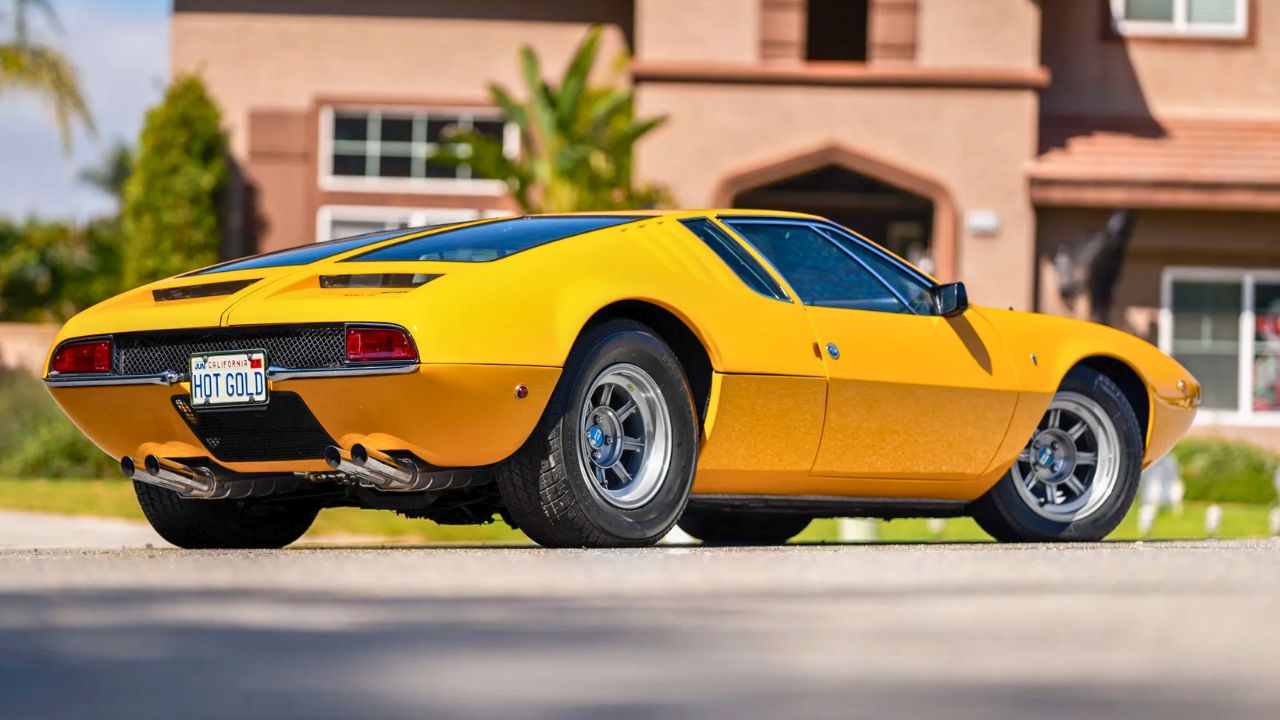
When you think of ’60s muscle cars, Detroit usually comes to mind. But the 1969 DeTomaso Mangusta takes a different path. It’s an Italian sports car with American muscle beating at its heart, blending sharp European design with a Ford V8 engine. The Mangusta’s wedge-shaped body and mid-engine layout set it apart from the typical muscle car crowd, offering a driving experience that’s as unique as its looks. This car may not have been made in huge numbers, but it left a lasting mark on automotive history.
Italian Roots with American Power
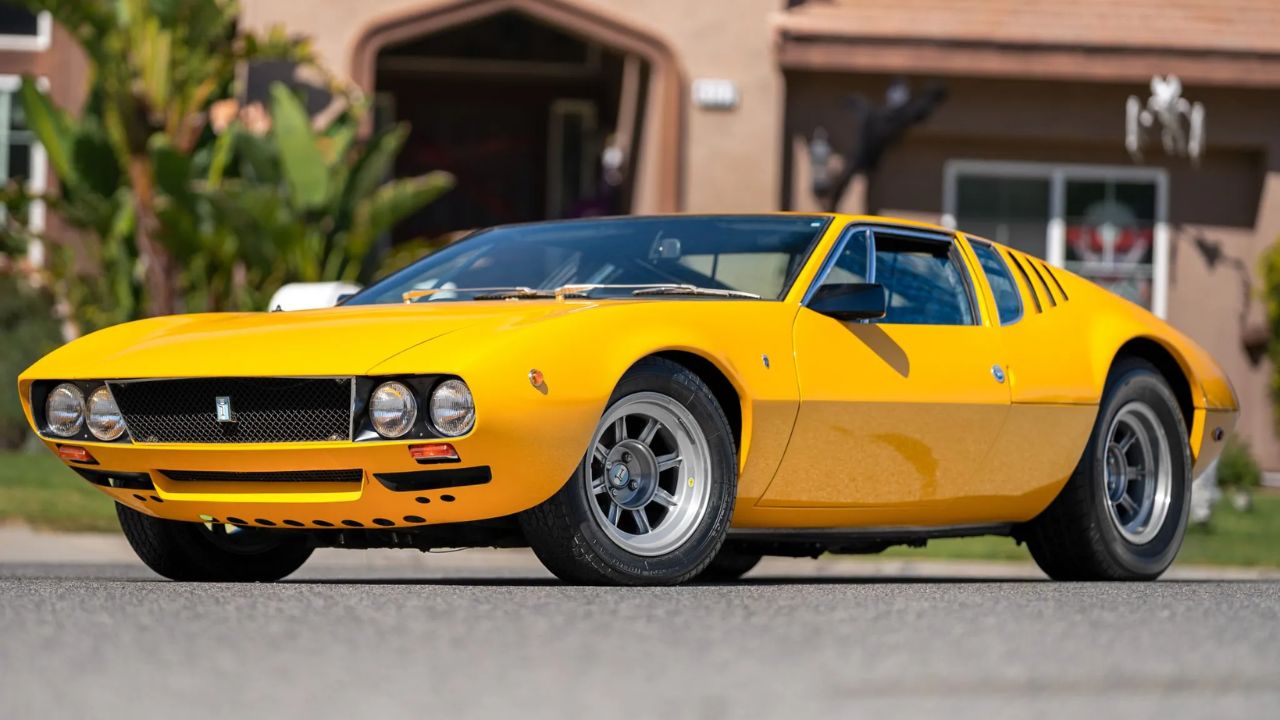
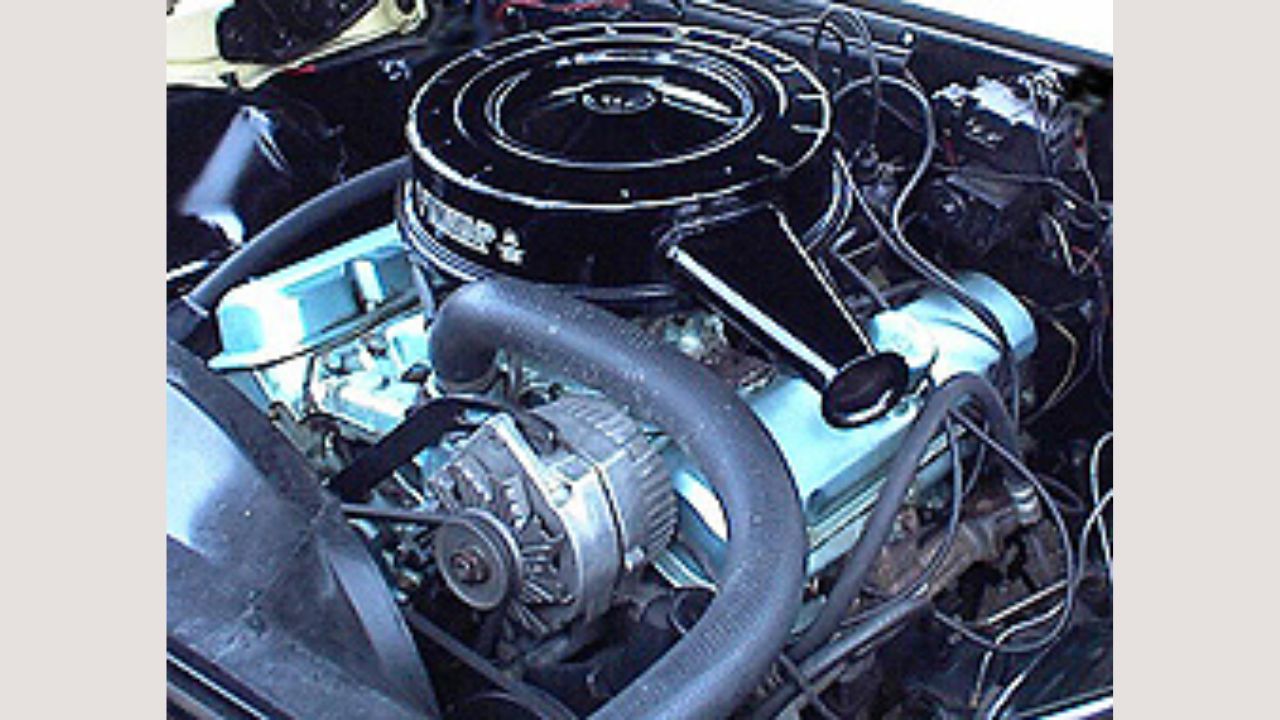
The DeTomaso Mangusta is an Italian-designed sports car with American muscle under the hood. Alejandro de Tomaso, an Argentine-born entrepreneur, created this car in Italy but chose to power it with a Ford V8, bridging two worlds. Underneath the sleek Italian body is a 289-cubic inch (4.7L) Ford small-block V8 that churns out around 306 horsepower, giving the Mangusta enough grunt to hold its own against contemporaries.
This combination of European styling and American muscle makes the Mangusta a unique player in the late ’60s sports car scene. Its performance was competitive, but it stood out visually and mechanically from the usual sports car crowd.
Distinctive Wedge Shape and Styling
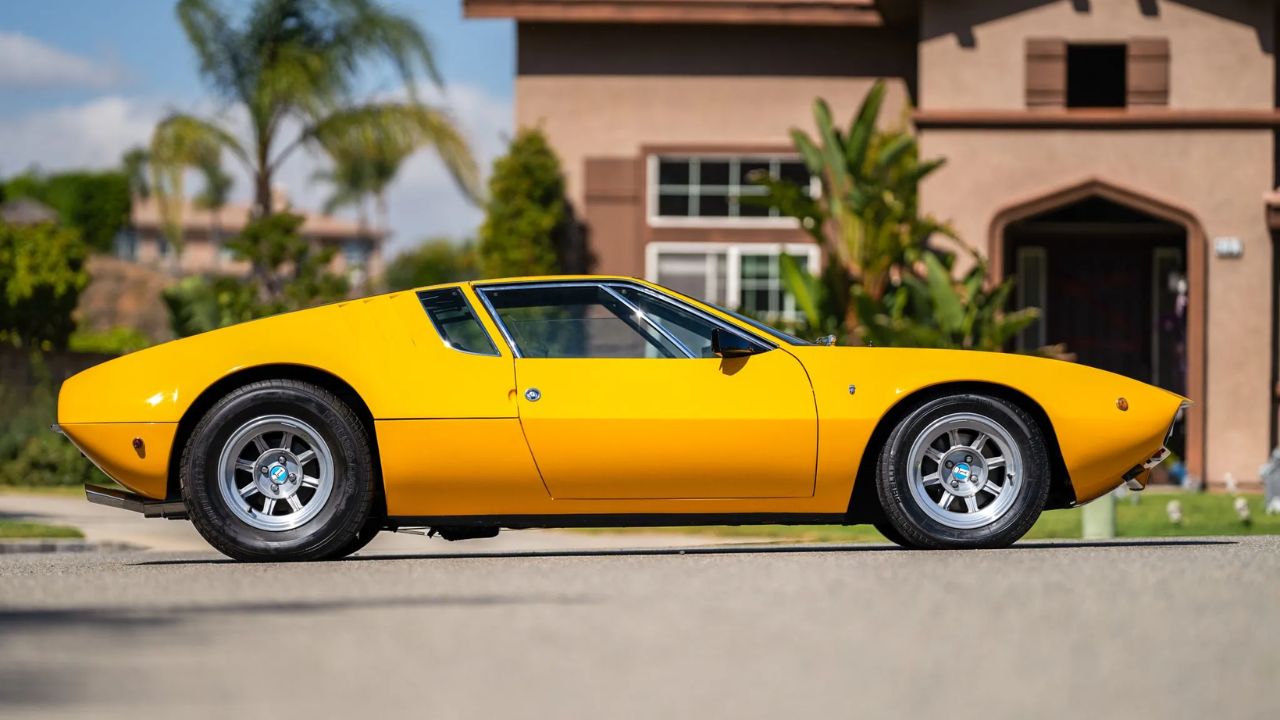
The Mangusta’s body was penned by Giorgetto Giugiaro at Ghia, who gave it a sharp, wedge-shaped look that was ahead of its time. The long nose, low stance, and aggressive lines make the car instantly recognizable. One of the most unusual features is its hinged gullwing-style rear engine cover that flips open to reveal the mid-mounted engine and suspension.
The styling is more than just looks; it was meant to improve aerodynamics and cooling. The car’s wide stance and low profile add to its road presence, giving it a purposeful and athletic appearance without any excess ornamentation.
Mid-Engine Layout for Balance

Unlike many muscle cars of the era with front-mounted engines, the Mangusta used a mid-engine layout. The Ford V8 sat just behind the driver, helping achieve better weight distribution and handling balance. This placement was quite rare in American-powered cars back then and gave the Mangusta a more focused driving feel.
The mid-engine setup also affected the car’s silhouette, creating that distinctive wedge shape. However, packaging the Ford V8 in the tight Italian chassis was a challenge, resulting in some compromises in interior space and maintenance accessibility.
Ford 289 V8 Powertrain
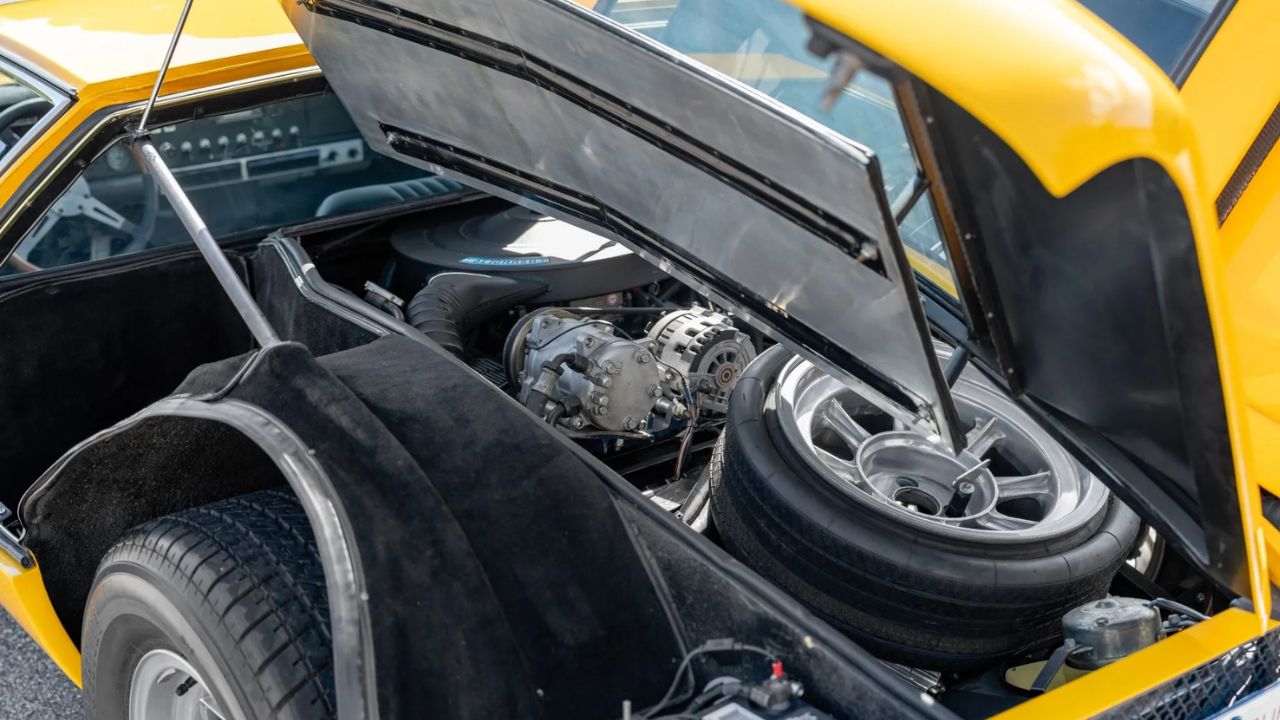
The heart of the Mangusta was the familiar Ford 289 cubic inch V8 engine, delivering roughly 306 horsepower and 329 lb-ft of torque in its most common tune. This engine gave the Mangusta a healthy dose of muscle-car power paired with Italian sports car agility.
The transmission was a ZF 5-speed manual gearbox, which helped drivers make the most of the power while offering smooth shifts. This drivetrain combination was practical and gave the Mangusta strong acceleration and highway cruising ability, balancing muscle car brawn with sports car finesse.
Independent Suspension for Handling
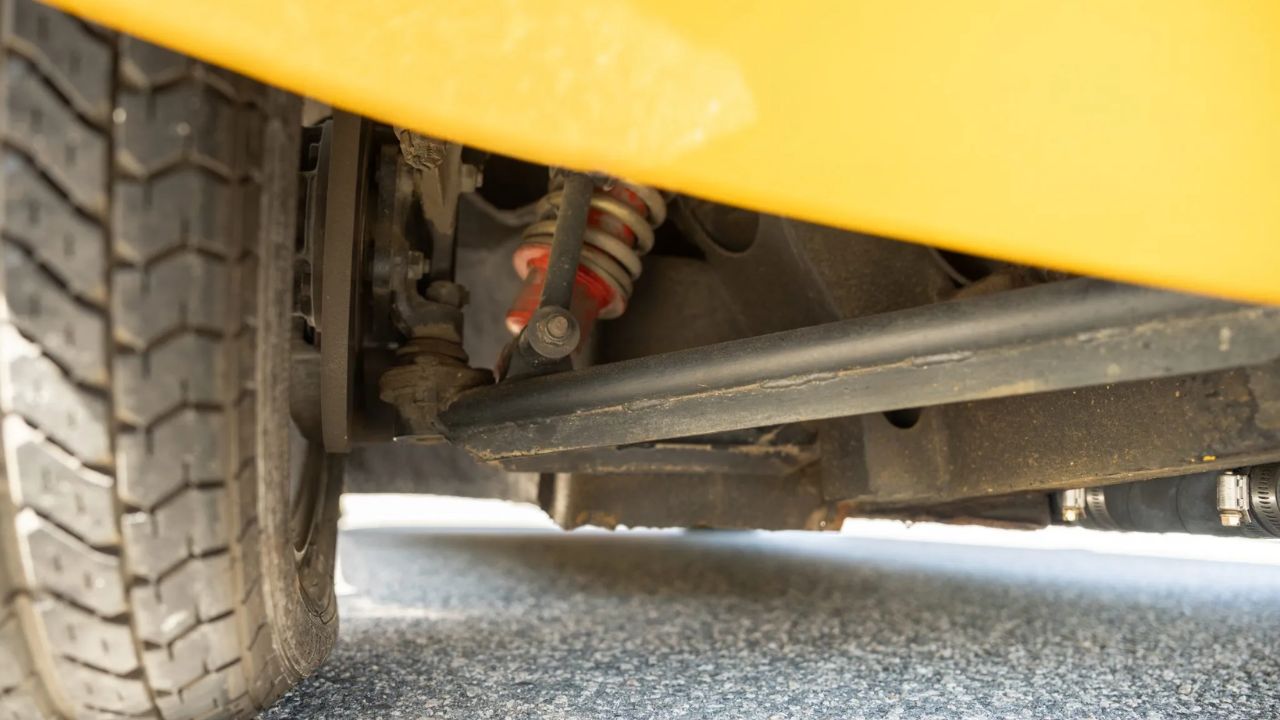
The Mangusta featured independent suspension all around—a relatively advanced setup at the time. Up front, it used double wishbones, while the rear had a Chapman strut design with coil springs and telescopic dampers. This setup aimed to deliver responsive handling and a comfortable ride.
The independent suspension was necessary to tame the Ford V8’s power and help the car handle tight corners better than many front-engine muscle cars of the era. It gave the Mangusta a sharper feel, closer to European sports cars than typical American muscle.
Spartan Yet Functional Interior
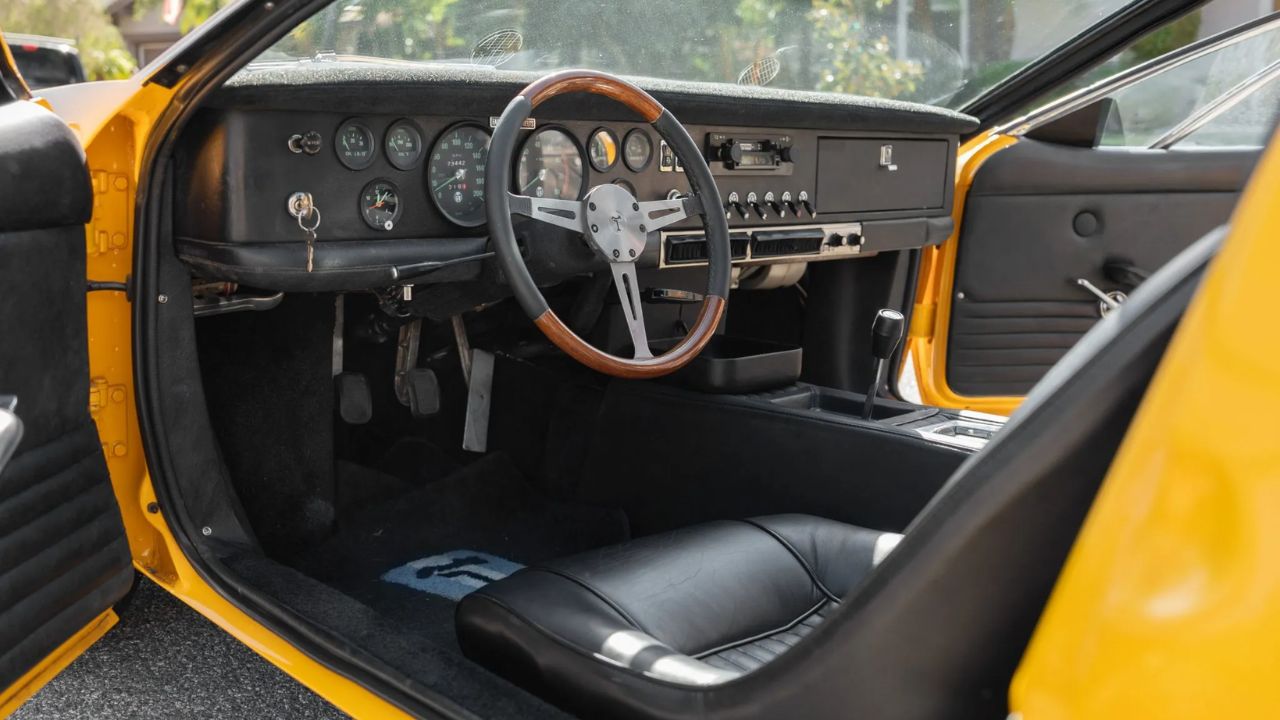
Inside, the Mangusta keeps things straightforward. The cabin is tight and focused, with minimalistic gauges and a straightforward layout. Leather-trimmed bucket seats and a wood-rimmed steering wheel add a touch of classic Italian flair, but the overall feel is more about function than luxury.
Space is limited due to the mid-engine layout, so the Mangusta feels more like a serious driver’s car than a grand tourer. Despite its spartan approach, the interior still delivers enough comfort for spirited drives and weekend outings.
Limited Production and Rarity
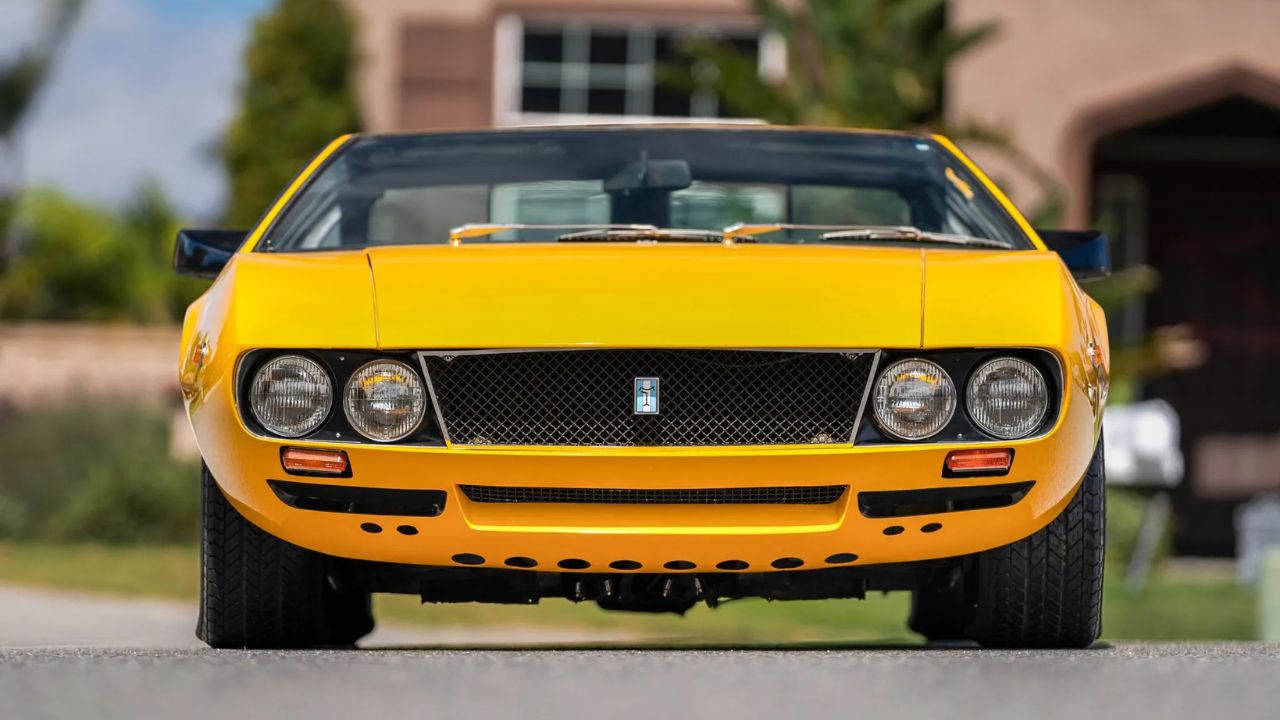
The Mangusta had a relatively short production run from 1967 to 1971, with around 400 units built. Its rarity today adds to its appeal among collectors, but back then, it remained a niche offering due to its exotic styling and higher price.
Because of limited production, many Mangustas have been well preserved or restored, making them a special sight at classic car events. The car’s rarity and unusual mix of Italian design with American V8 muscle create a unique appeal for collectors.
Braking and Safety Features

For a car of its time, the Mangusta had front disc brakes and rear drum brakes, which was standard for many sports cars then. The braking system provided decent stopping power but required care to avoid fade during aggressive driving.
Safety features were basic by modern standards, but the car’s low center of gravity and balanced weight helped drivers maintain control. The Mangusta was more about delivering a pure driving experience than packing in safety tech, reflecting its era’s priorities.
Challenging Maintenance and Reliability
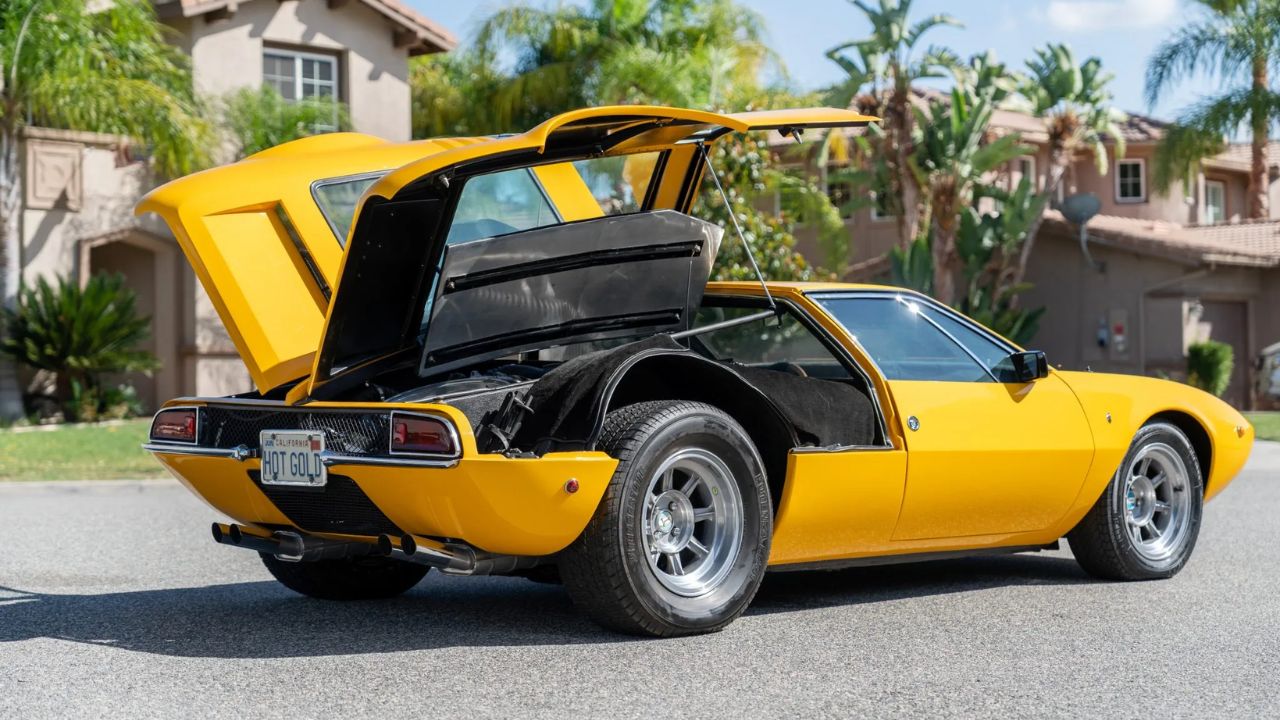
One drawback of the Mangusta was its sometimes challenging maintenance. The mid-engine layout and tight Italian chassis meant engine access was limited, making some repairs more complicated and time-consuming.
Additionally, some parts were hard to source due to the car’s niche production. This has made upkeep a labor of love for owners but hasn’t stopped enthusiasts from keeping these cars on the road and in shows.
Legacy and Influence Today

The Mangusta remains a fascinating blend of American muscle and Italian design, influencing later DeTomaso models like the Pantera. Its daring approach to combining styles paved the way for more exotic mid-engine V8 sports cars.
Today, it’s appreciated not just for its looks but for the way it pushed boundaries in layout and design. The Mangusta still feels fresh decades later, a reminder that interesting ideas often come from mixing different automotive cultures.
Like what you read? Here’s more by us:
*Created with AI assistance and editor review.