The survival of a single car model can hinge on decisions made far from showrooms, in factories where tooling is ordered and shifts are scheduled. When one plant is retooled, another mothballed, or a production line shared with a different vehicle, it can determine whether a familiar nameplate quietly disappears or adapts to a new era. The story behind such a decision shows how industrial strategy, regulation and consumer demand intersect long before a driver turns the key.
That factory-level choice matters even more as the car market fragments between petrol, hybrid and battery-electric models. A model that once seemed ordinary can outlast rivals if its production base gives it flexibility on price, powertrain and body style, while others are locked into a single technology or cost structure.
How a quiet factory choice reshaped a familiar car’s life
For years, mainstream hatchbacks and small SUVs followed a predictable pattern. A model launched, sold in large numbers, then was fully replaced every six or seven years with a clean-sheet design. The factories that built them were often tied to a single platform and powertrain, which worked well in a stable market but left little room to adapt when emissions rules tightened or fuel prices spiked.
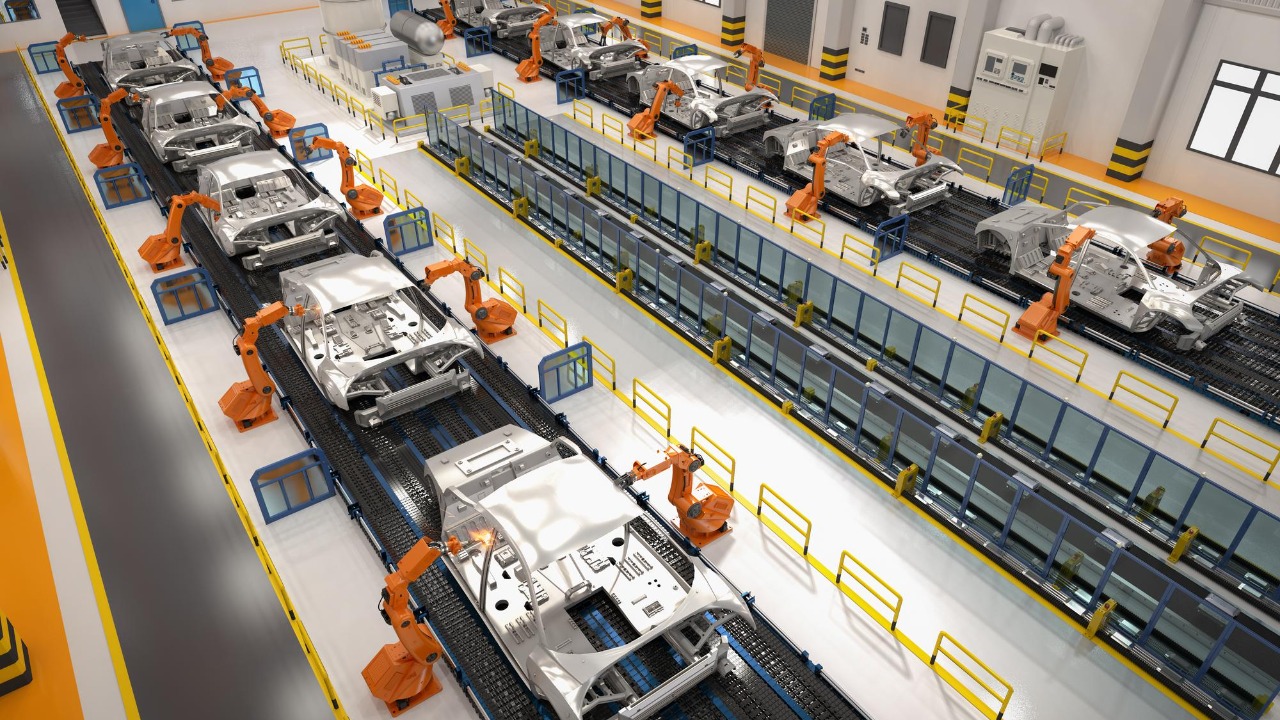
A turning point came when manufacturers began to invest heavily in flexible production lines. Instead of dedicating a plant to one petrol model, they configured body shops and assembly lines to handle multiple wheelbases, battery packs and engine types. That shift meant a car could move onto a shared platform and stay in production longer, with mid-cycle updates to its electronics and powertrains rather than a complete reset. It also allowed brands to keep a familiar model name alive while quietly changing much of the hardware underneath.
The same logic has reshaped how cars are priced and specified for mobility schemes and leasing customers. As manufacturers consolidated platforms and factories, they also trimmed low-volume variants and manual gearboxes, concentrating on automatic transmissions and higher-specification trims that better support residual values. Reporting on the UK Motability Scheme notes that manufacturers have reduced the number of budget variants, while more vehicles now come with automatic gearboxes as standard, which affects how many models remain eligible for customers with fixed allowances and specific accessibility needs. Those shifts are tied directly to how factories are configured and which combinations of engines and trims are economically viable to build at scale.
At the same time, the rise of electric vehicles has forced another layer of factory decision-making. Some carmakers chose to build dedicated EV plants, isolating battery models from their established petrol and diesel lines. Others opted to integrate EVs into existing factories, using mixed lines that can build combustion, hybrid and electric versions of the same car. That second approach can extend the life of a model by allowing it to transition gradually from petrol to hybrid to full electric without abandoning the nameplate or closing a plant. It is a slower, more incremental path, but one that aligns with how many buyers actually move between technologies.
Why that production strategy matters in a fractured car market
The stakes are clearest for drivers who rely on structured schemes rather than one-off purchases. The Motability Scheme, which allows eligible disabled people in the UK to exchange a mobility allowance for a leased car, depends on a broad and predictable supply of models at specific price points. When manufacturers rationalise their ranges or shift plants to higher-margin vehicles, the choice available to these customers can shrink quickly.
Analysis of recent market changes for Motability customers highlights several linked trends. There are fewer small, low-cost petrol cars, more compact SUVs, and a rising share of automatic and hybrid models. Manufacturers have also concentrated on better-equipped trims, which can push upfront payments higher even when monthly allowances stay the same. All of these shifts reflect upstream production decisions, from platform sharing to the closure of plants that once built basic city cars. The report on car market changes connects those industrial moves with the lived experience of customers who now face different trade-offs between size, fuel type and cost.
In that context, a car that survives changing times is often one that sits on a flexible, high-volume platform with a secure factory behind it. If a plant can build both mainstream retail cars and fleet or scheme vehicles, the model is less exposed when one channel weakens. During supply chain shocks, manufacturers tended to prioritise high-margin retail and corporate sales, leaving fewer vehicles for schemes that operate on fixed allowances. A model with efficient production and strong global demand is more likely to keep its place in such allocations, while niche or region-specific cars are more vulnerable.
Factory strategy also shapes how quickly a model can adopt new safety and emissions technology. When a car shares its platform with a family of vehicles, updates to driver assistance systems or engines can be spread across large volumes, lowering the per-unit cost. That helps keep the model compliant with regulations without pricing it out of reach. For Motability customers, who often need automatic gearboxes, parking aids and accessible cabins, the ability to bundle such features into mainstream production rather than expensive options is particularly significant.
There is a social dimension as well. The closure of a plant that builds affordable models can remove not only local jobs but also a key source of accessible vehicles. Communities that host such factories often have higher car dependency and fewer public transport alternatives. When production shifts to larger, more expensive vehicles, the ripple effects reach far beyond the showroom, touching carers, families and support services that rely on predictable access to suitable cars.
Adapting one model across petrol, hybrid and electric eras
The most resilient cars over the past decade have tended to follow a similar pattern. They start life as conventional petrol or diesel models, then gain mild hybrid or full hybrid versions as emissions rules tighten. Later, some adopt plug-in hybrid or full battery-electric variants, often on the same basic platform. Each step requires investment in both engineering and factory tooling, but the payoff is a longer production run and a more gradual learning curve for buyers.
For a factory, this approach means designing lines that can handle battery packs and high-voltage systems alongside traditional engines. It also requires close coordination with suppliers of motors, inverters and charging hardware. When done well, the result is a model that can be sold in multiple markets with different regulatory timelines, from regions that still allow new petrol sales to those that are moving rapidly toward zero-emission mandates.
From the customer side, that continuity can be reassuring. A driver who has used a particular model on a mobility scheme for several lease cycles may prefer to stick with a familiar badge and driving position, even if the powertrain underneath changes. If the factory has been set up to support that evolution, the brand can offer a route from petrol to hybrid to electric without asking customers to abandon their habits or adapt to a completely different car.
There are limits, of course. Some early platforms were not designed with batteries in mind, which leads to compromises in boot space, ride comfort or charging performance. In those cases, manufacturers face a choice between stretching an old design or investing in a new dedicated electric platform that might not support the existing model name. The decision often comes back to factory economics: whether the plant can be upgraded at reasonable cost, and whether expected volumes justify a clean break.
What the next factory decision will mean for drivers
The next few product cycles will test how far flexible factories can carry familiar models into a low-emission future. Governments are tightening fleet average targets, and some cities are expanding low-emission zones that penalise older vehicles. Manufacturers must decide whether to keep adapting existing factories to build hybrids and smaller EVs, or to pivot plants toward larger, more profitable electric SUVs and crossovers.
More from Fast Lane Only
- Unboxing the WWII Jeep in a Crate
- 15 rare Chevys collectors are quietly buying
- 10 underrated V8s still worth hunting down
- Police notice this before you even roll window down
*Research for this article included AI assistance, with all final content reviewed by human editors