
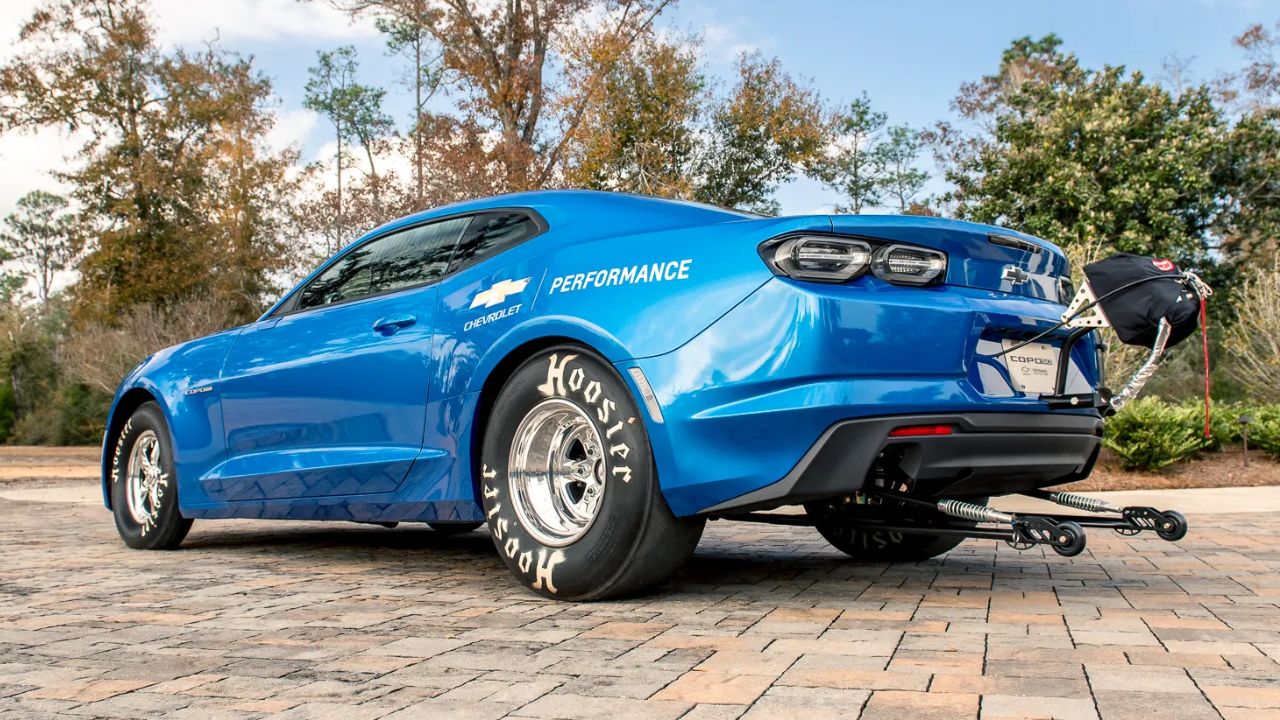
The 2019 Chevrolet COPO Camaro Coupe isn’t something you’ll find cruising Main Street or showing up at your local dealership. This track-only machine is all business, built with one purpose—dominate at the drag strip. Born from a program that traces back to the late ’60s, the modern COPO is a direct nod to Chevrolet’s underground factory race cars that got around GM’s ban on racing.
For 2019, Chevy celebrated the COPO’s 50th anniversary with limited production and some serious hardware under the hood. This isn’t just a modern muscle car—it’s a race-ready weapon, delivered without pretense, and engineered to be fast from the moment it leaves the crate. Let’s get into the details.
Factory-Built for NHRA Action
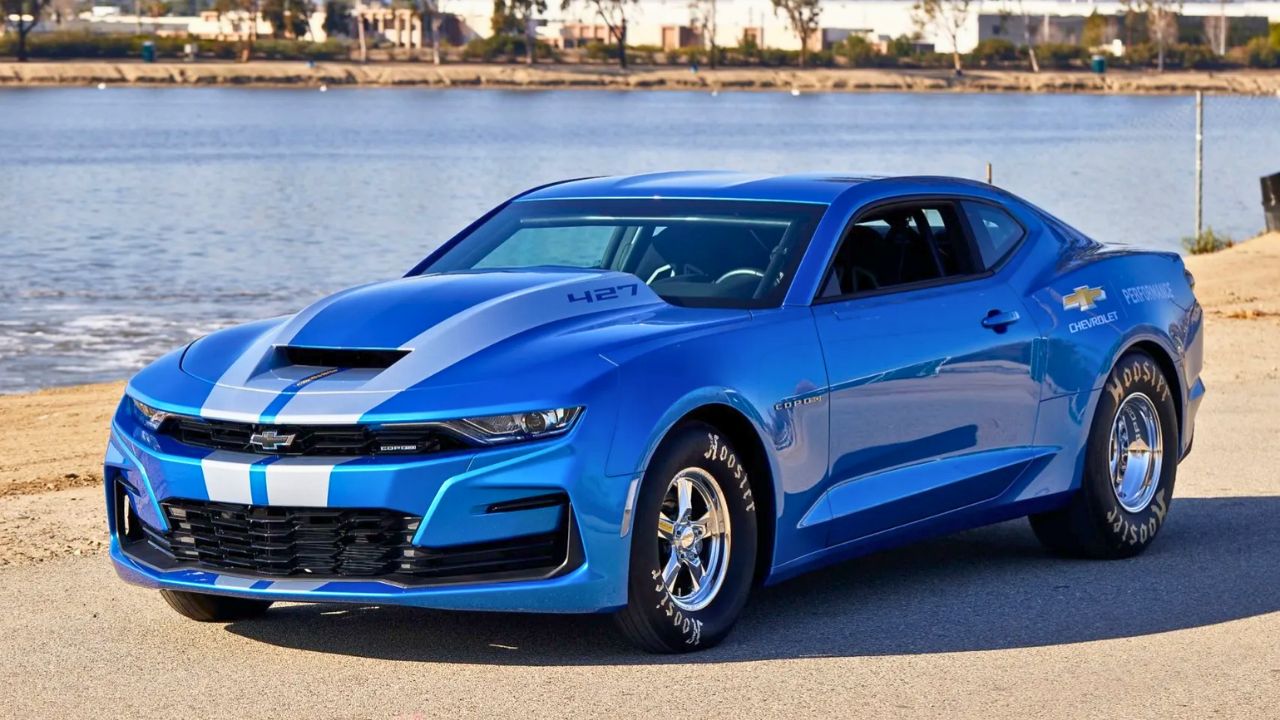
The 2019 COPO Camaro isn’t street legal—and that’s the point. Chevrolet built it specifically for NHRA Stock and Super Stock drag racing, delivering a turn-key race car from the factory. There’s no VIN, no emissions equipment, and no sound insulation. Just pure focus on the quarter mile.
It comes prepped with a roll cage, solid rear axle conversion, racing suspension, and a TH400 3-speed automatic. That makes it far from your average Camaro. It’s built to launch hard, keep traction, and hit the lights fast—right off the trailer.
Three Engines, One Purpose
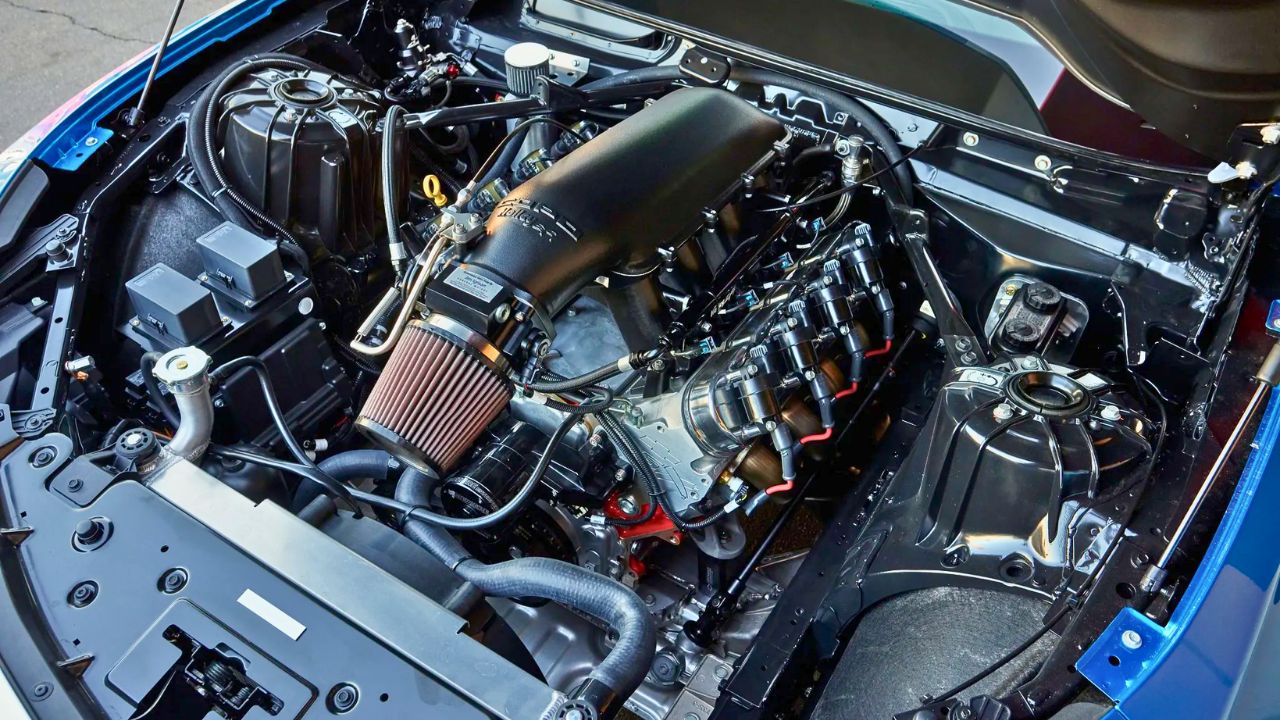
Chevy offered three engine options for the 2019 COPO: a naturally aspirated 427 V8, a supercharged 350, and a high-revving LSX-based 302. Each engine is built for NHRA classification rules, not for public roads.
The 427 is an all-aluminum beast with a deep-breathing intake and long-tube headers. The 350 SC brings a Whipple blower into the mix, making it a serious threat on the strip. The 302 may be smaller, but it’s designed for specific classes and can still pull hard through the traps.
Lightweight, No-Frills Interior
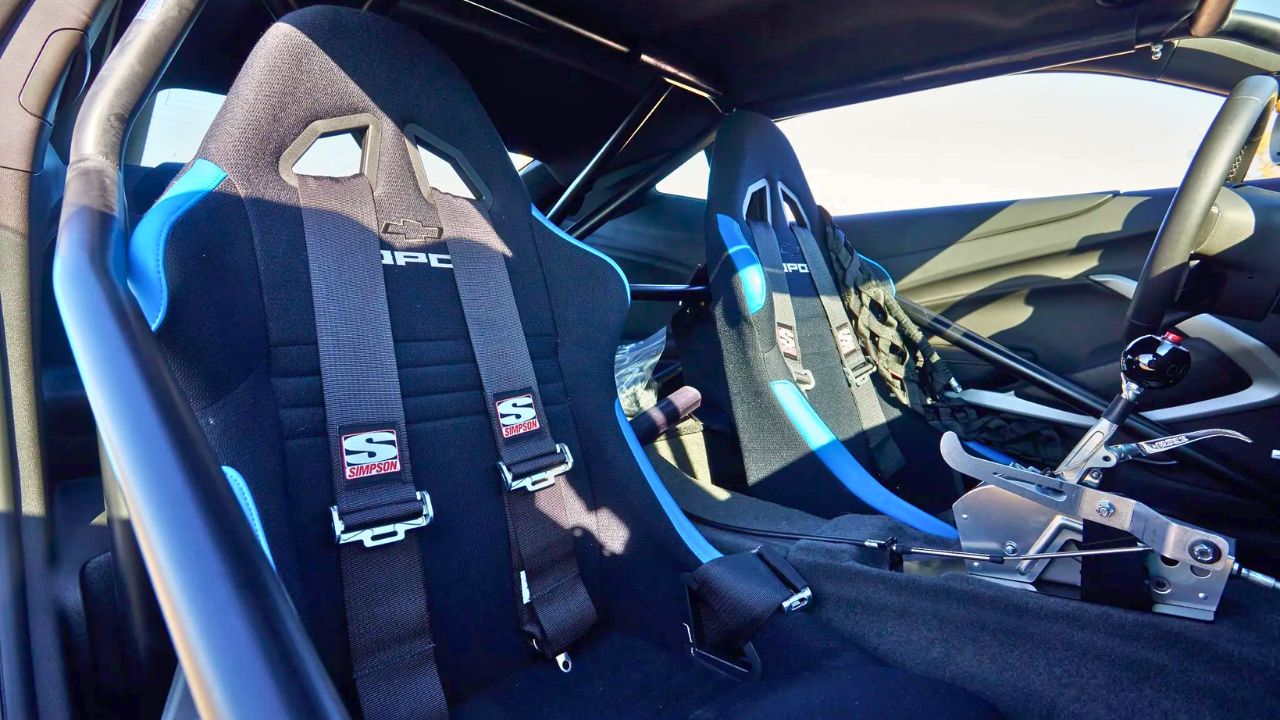
Inside the COPO Camaro, there’s no infotainment system, no air conditioning, and no creature comforts. Instead, it’s all business—racing seats with harnesses, a chrome-moly roll cage, and a simple switch panel.
The dash is stripped down but functional, with AutoMeter gauges replacing the standard cluster. A floor-mounted shifter handles gear changes, and everything is laid out with racing in mind. It’s not built for comfort—just control, safety, and minimal distractions.
Solid Rear Axle
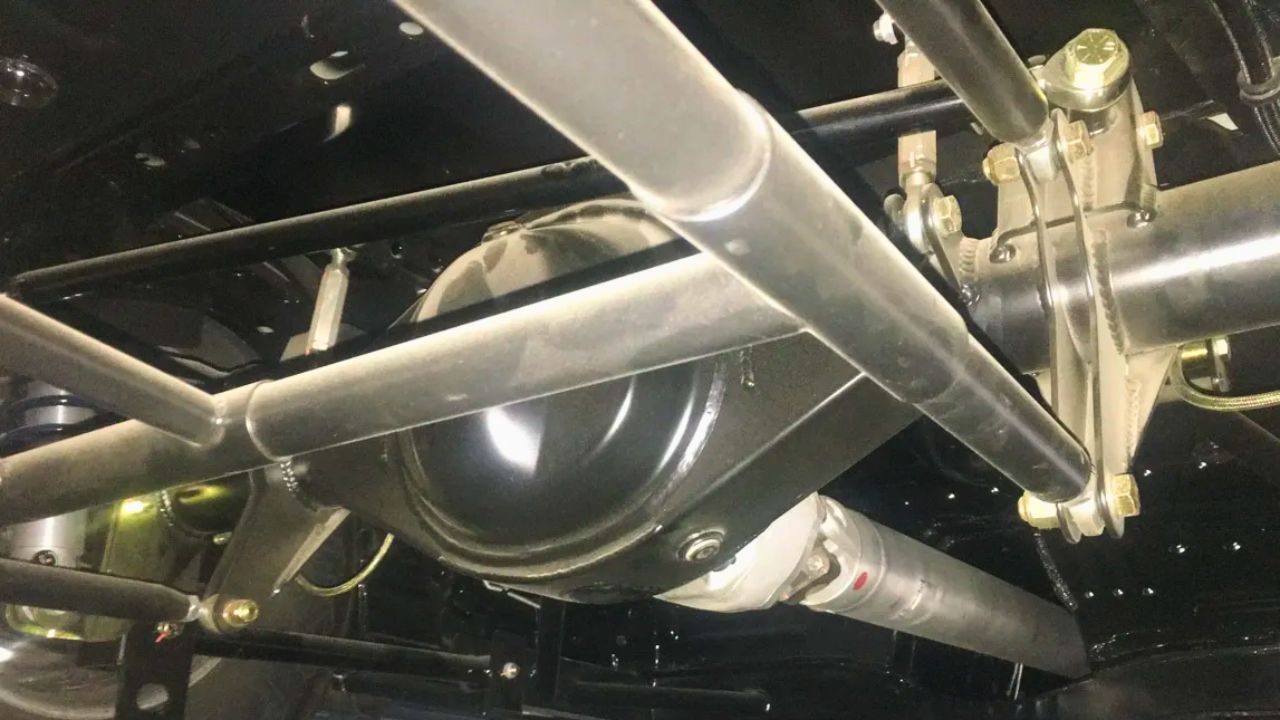
Unlike the independent rear suspension on street Camaros, the COPO trades it for a solid rear axle. That setup is far more suited for launching off the line without squat, hop, or unpredictability.
Chevrolet fits the car with a 4-link rear suspension and adjustable coilovers. This setup allows racers to fine-tune their launches and traction, giving them more consistency on the strip. It’s a classic drag racing solution that still works because it’s simple, proven, and reliable.
Built in Limited Numbers
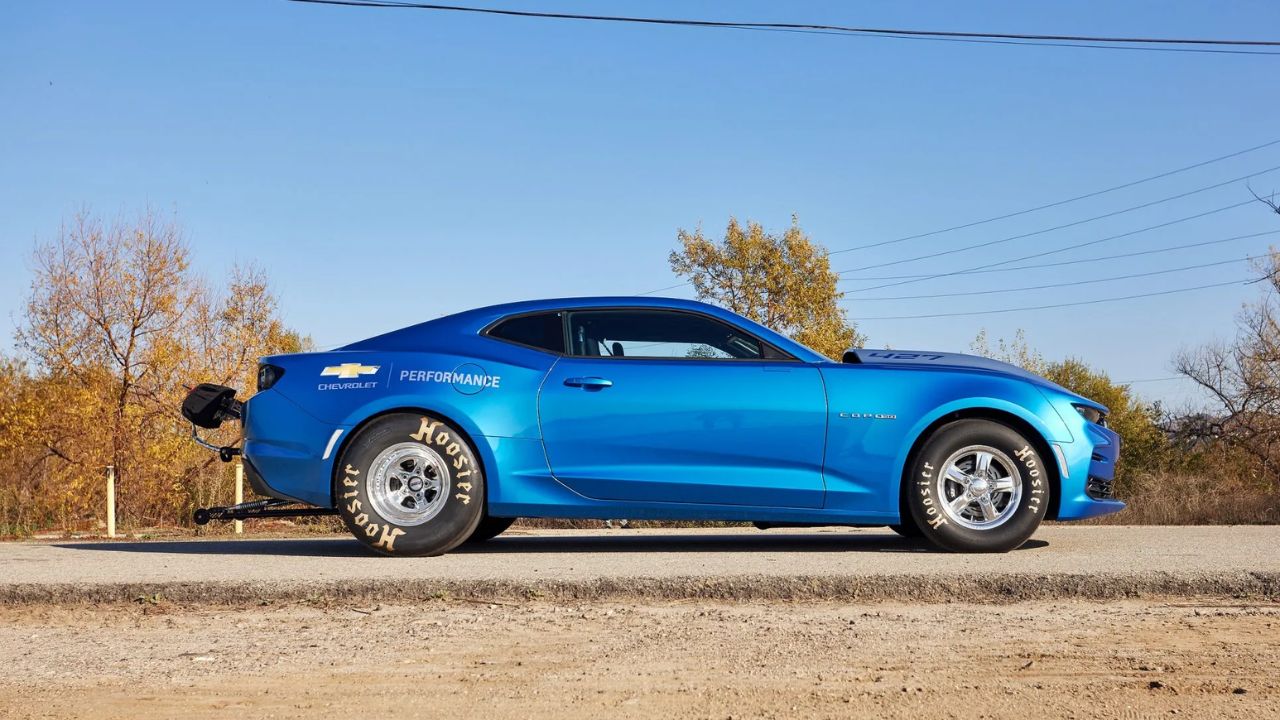
Only 69 units of the 2019 COPO Camaro were built—just like the original run in 1969. That production number isn’t random; it’s a tribute to the car’s roots and the year it all started.
Each car gets a special serial number, not a VIN, and comes with a COPO-specific build plate under the hood. Buyers even got to custom-order paint, graphics, and powertrain combos. With such a small run, these cars are more than rare—they’re purpose-built machines that rarely see daylight outside the drag strip.
Whipple Supercharged 350 Is a Monster

The most aggressive setup for 2019 was the 350 cubic-inch V8 paired with a 2.65L Whipple supercharger. It’s not rated for horsepower because it’s not street legal, but estimates put it well over 1,000 hp with tuning.
This combo uses forged internals, a race-spec valvetrain, and a massive intake system to feed that blower. It’s designed to be consistent and durable over a season of runs—not just one hero pass. When paired with the lightweight chassis and drag-spec tires, it’s a serious bracket weapon.
Strange Engineering Driveline Hardware

Chevy didn’t cheap out with the running gear. The rear axle is a 9-inch unit from Strange Engineering, with race-proven components built to handle hard launches and serious torque.
The driveshaft is also Strange-supplied and purpose-built for the TH400’s output. The rear suspension’s adjustability—combined with lightweight drag wheels and slicks—lets racers dial in grip without grenading parts. It’s that kind of hardware that makes the COPO more than just fast—it’s repeatable under pressure.
Manual Build Process at the COPO Center
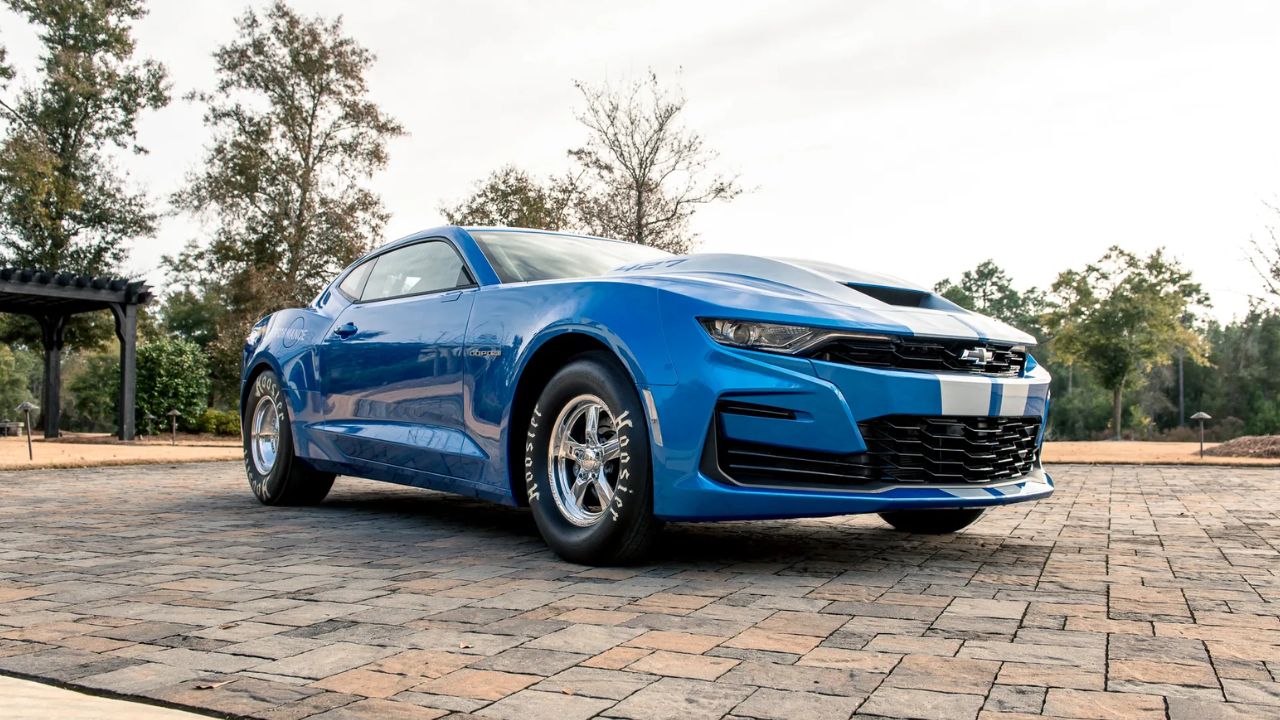
Each COPO Camaro is built by hand at a dedicated facility within Chevrolet’s Performance headquarters. This isn’t a typical production line. A small team assembles each car one at a time, with track use as the priority.
The process ensures tight quality control, especially for the cage install, engine setup, and wiring. Customers also get a full spec sheet and build documentation with their car. It’s not about mass production—it’s about getting every detail right for a specific kind of racing.
Strange Brakes and Race Wheels
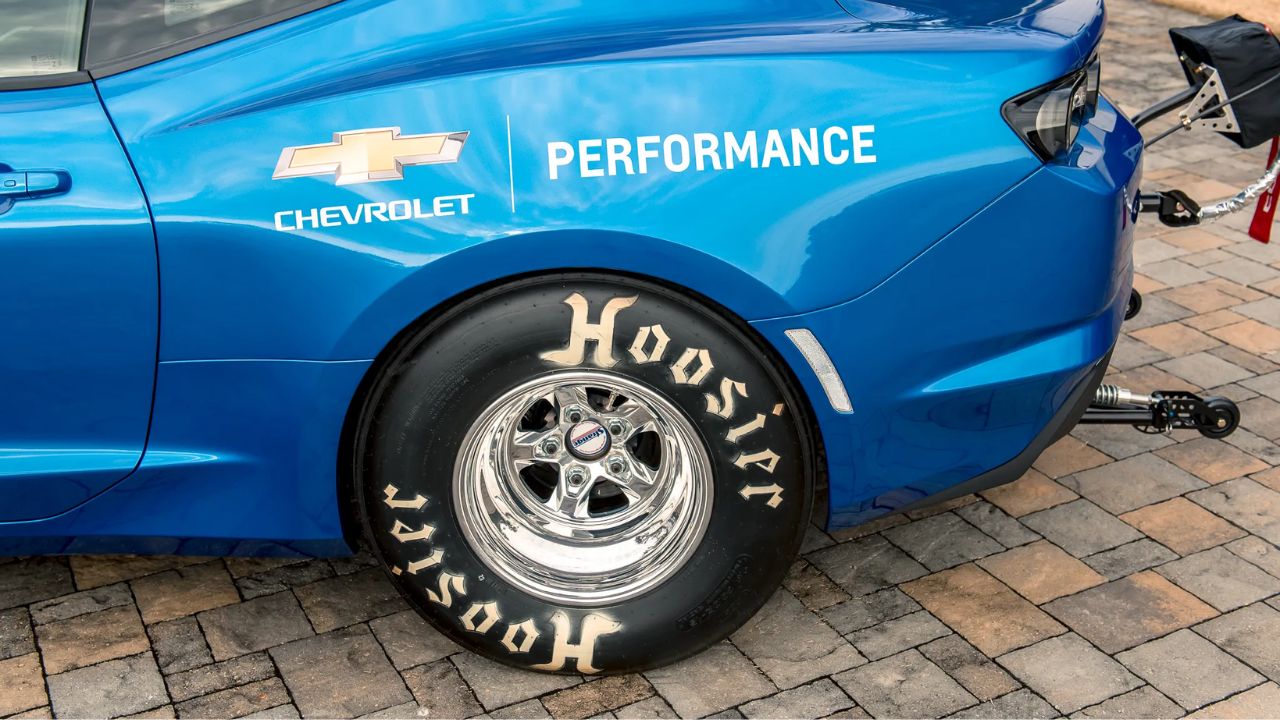
Up front, the COPO uses lightweight disc brakes by Strange, designed more for controlled stops than long fade resistance. Out back, the braking setup is minimal—drag cars don’t rely on rear brakes much.
Wheels are Bogart racing units, super light and optimized for weight transfer. Fronts are narrow for reduced rolling resistance; rears are wide and wrapped in Hoosier slicks. The whole setup is focused on reducing rotational mass and maximizing bite off the line.
Anniversary Paint and Trim Options
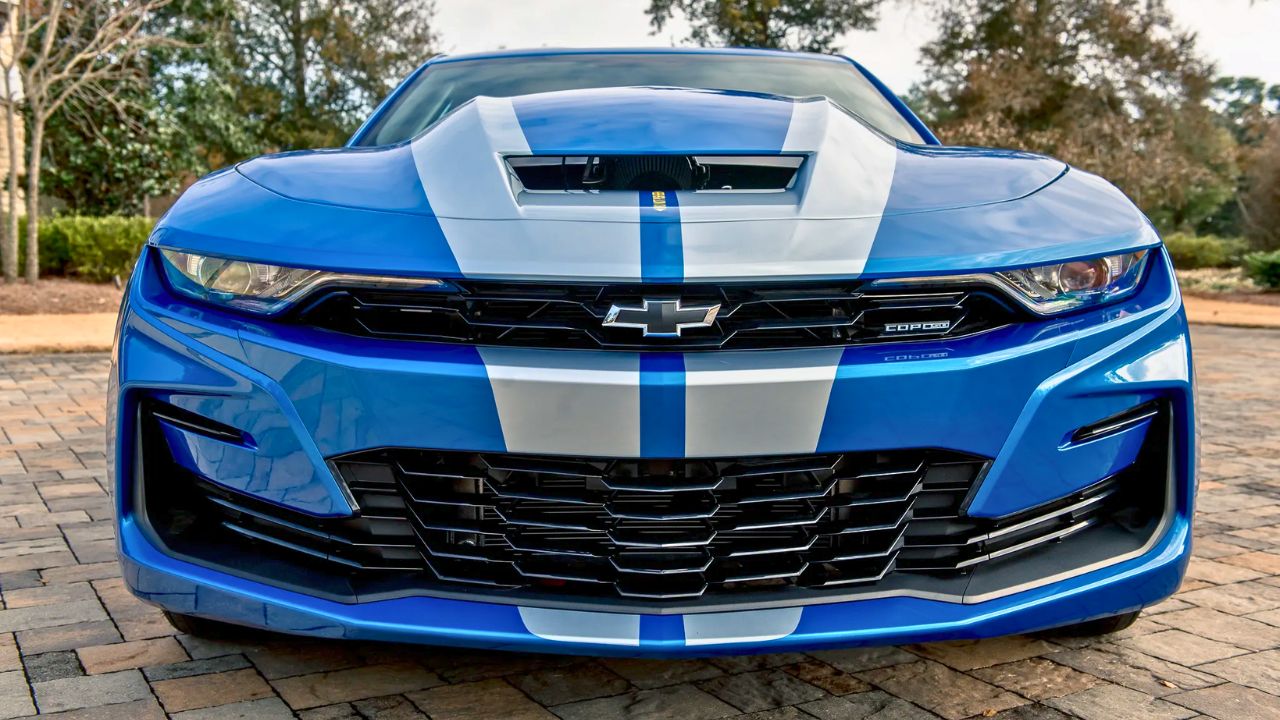
To mark 50 years of COPO heritage, Chevrolet offered an optional Anniversary Package for 2019. It came with a blue metallic exterior, heritage graphics, and a nod to the original 1969 COPO’s styling.
It’s one of the rare times the COPO gets any visual treatment at all—most buyers opt for function over flair. But for collectors, this trim gave a little more personality without taking away from the car’s core mission: being fast, focused, and track-ready right out of the box.
Like what you read? Here’s more by us:
*Created with AI assistance and editor review.






Leave a Reply