The 1950s gave us some of the most recognizable silhouettes in automotive history, yet a surprising number of those cars slipped quietly into obscurity while the same handful of icons soaked up the spotlight. Today, collectors are combing barns, backyards, and online classifieds to track down the forgotten models that once sat in the shadows of Bel Airs and Thunderbirds. I see a new pattern emerging in that hunt: rarity, design bravery, and a good story are finally pushing these overlooked machines back into the light.
What fascinates me most is how quickly the market is recalibrating. Cars that were dismissed as oddballs or sales flops are now being reappraised as bold experiments from a decade when Detroit and its rivals were willing to take real risks. As I look across recent finds and auction chatter, a handful of 1950s cars keep resurfacing, each with its own path from showroom underdog to rediscovered prize.
The barn-find Impala that rewrote the “forgotten Chevy” story
When collectors talk about Chevrolet in the late 1950s, the conversation usually stops at the ’57 Bel Air, but the car that has quietly captured attention lately is a 1959 Impala convertible that spent decades hidden away. I am struck by how this single car encapsulates the appeal of rediscovery: it was tucked in a quiet barn on the plains between Colorado, Kansas, and Nebraska, a piece of Chevrolet history that almost no one knew was still there. Reports describe it as a time capsule, the kind of survivor that proves how much of the 1950s is still waiting behind locked doors and dusty rafters, and that long sleep only adds to its mystique for buyers who want a story as much as a car.
Under the dust, this particular Impala was once powered by a 348-cubic-inch Tri-Power V8 paired with a manual transmission, a combination that was rare even when new and is nearly unheard of today. I see that drivetrain as the key to its new status: it turns what might have been “just another old Chevy” into a serious performance artifact from the tail end of the decade, the sort of configuration that muscle car fans recognize instantly. The fact that such a specification could sit untouched for so long, then resurface with the potential to still roar back to life, explains why collectors now chase every whisper of a similar barn find, from the first mention of a forgotten 348-cubic-inch car to any lead about a long-stored convertible hidden in farm country.
America’s rarest sports coupe and the new taste for exclusivity
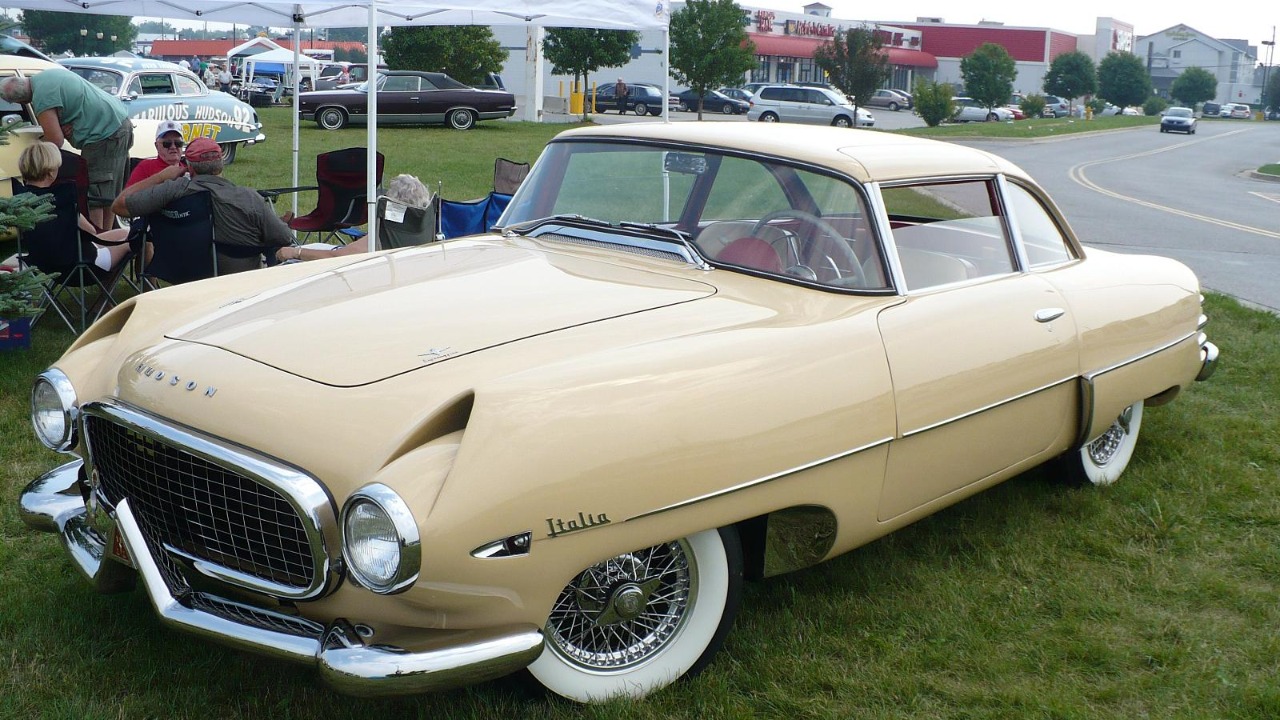
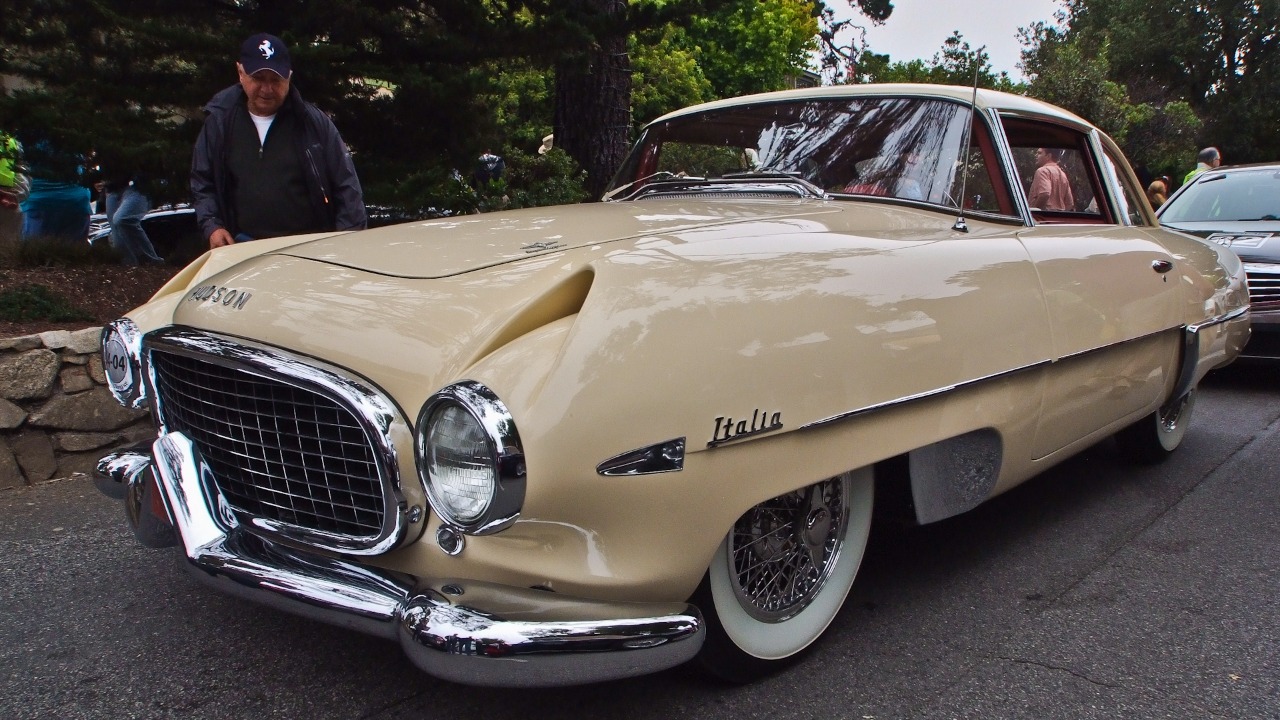
At the other end of the spectrum from a dusty barn Chevrolet sits a low-production American sports coupe that has quietly become one of the most elusive prizes of the 1950s. During the postwar boom, domestic automakers experimented with sleek two-door bodies and bigger engines, but one particular forgotten ’50s coupe stands apart because only 19 examples were ever built. When I look at how collectors talk about it now, I hear less about quarter-mile times and more about the thrill of owning something that almost no one else will ever see in person, let alone drive, which is a sharp turn from the era when volume sellers defined success.
That shift fits neatly with a broader move toward exclusivity in the American collector scene. Guides to the most exclusive cars emphasize that Their limited production and unique characteristics make them highly sought after by enthusiasts who want something beyond the usual blue-chip names. In that context, a coupe with just 19 units becomes less a curiosity and more a crown jewel, a piece of American automotive history that rewards deep research and patience. When I read about how this forgotten ’50s coupe is now framed as one of America’s rarest sports cars, I see a market that is finally rewarding the risk-taking that went into low-volume projects, from the first sketches to the handful of finished cars that survived long enough to be rediscovered, and that new appetite is reflected in coverage of only 19 examples and in broader lists of Their limited production legends.
Studebaker’s sleek gamble and the rise of design-led collecting
Not every rediscovered 1950s car is rare because of tiny production numbers; some are being reappraised because their design language finally caught up with modern tastes. I keep coming back to the 1953 Studebaker Commander Starlight Coupe, a car that looked almost shockingly modern when it arrived and still feels fresh today. Designed by Raymond Loewy’s studio, its low, aerodynamic silhouette broke sharply from the upright, chrome-heavy shapes that dominated early in the decade, and that visual boldness is now a major reason collectors are circling back to it. When I talk to enthusiasts, they describe it as the car that predicted the future, a machine that would not look out of place parked next to early 1960s European grand tourers.
Value guides that track 1950s collector cars now place the Studebaker Commander Starlight Coupe alongside far more famous nameplates, and the reasoning is clear. Its sleek bodywork is matched by a robust 232-cubic-inch V8 that delivered dependable performance, so it satisfies both the design purist and the driver who wants to actually use the car on the road. I see that combination as a template for how other once-overlooked models might climb: strong styling, credible mechanicals, and a narrative that connects them to broader cultural shifts in America. When modern lists of top 1950s collector cars talk about What Drives the Value, they increasingly point to design-forward outliers like this Studebaker, and they highlight how Designed by Raymond Loewy details and the full Studebaker Commander Starlight Coupe specification now command serious attention.
Kaiser Darrin and the fiberglass frontier
If the Studebaker shows how mainstream brands flirted with futurism, the Kaiser Darrin reveals what happened when a smaller player went all in on experimentation. The 1954 Kaiser Darrin was one of the earliest American sports cars to use fiberglass bodywork, and it paired that material with sliding doors that disappeared into the front fenders, a feature that still looks like a magic trick. They were all sold as 1954 models and came equipped with a three-position Landau top, a detail that underlines how far Kaiser was willing to go to stand out in a market dominated by giants. Although the car never sold in large numbers, its very oddness is what makes it irresistible to collectors who want something that looks like nothing else at the local cars-and-coffee.
What really catches my eye is how well these cars have survived relative to their tiny production. Although some 60 percent of production is believed to still exist, many have spent years in storage, waiting for someone to see past faded paint and tired mechanicals. For a new generation of enthusiasts, that survival rate is a gift: it means the Kaiser Darrin is rare enough to feel special but not so scarce that it is impossible to find a project. When I read about individual cars emerging from long-term hibernation, often still wearing their original three-position Landau top hardware, I sense a growing respect for the risks Kaiser took. The renewed interest in this fiberglass pioneer is reflected in detailed sales listings that note how They were all sold in a single model year and that Although some 60 percent remain, each surviving example still feels like a minor miracle.
From European saloons to overlooked American nameplates
The rediscovery trend is not limited to American brands, and I find it telling that collectors are also revisiting 1950s European saloons that once blended into the background. One example is a luxury four-door from Jaguar Cars Limited that was described as posh and as fast as a Jaguar saloon car could be, yet built in extremely limited numbers. Production was capped at 200 units, with 150 for the United Kingdom and 50 for the rest of the world, a distribution that left very few cars to filter into long-term collections. Today, that scarcity, combined with the car’s blend of comfort and speed, is finally being recognized by enthusiasts who once focused only on sports models like the XK series, and I see that as part of a broader reevaluation of what “collectible” really means in the 1950s context.
Back in the United States, a similar reassessment is happening with domestic sedans and coupes that never became household names. Story by Marty on forgotten 1950s cars highlights how many models from smaller or now-defunct brands quietly slipped away despite offering distinctive styling or clever engineering. I often hear collectors talk about these cars as “the ones their grandparents actually drove,” a reminder that the real 1950s roadscape was far more varied than the handful of icons that dominate posters and die-cast shelves. As more enthusiasts dig into period photos and family albums, they are starting to seek out the exact trim lines and body styles that appear in those images, whether that means a mid-level sedan with unusual chrome work or a coupe that shared showroom space with bigger names. That curiosity is feeding a new wave of research and buying, from deep dives into Jaguar Cars Limited production figures to scrolling through galleries of Story by Marty that spotlight Forgotten 1950s cars worth a second look.
Why these “lost” 1950s cars resonate now
As I watch collectors chase everything from barn-find Chevrolets to fiberglass oddities, a few common threads stand out. First, there is a growing appreciation for narrative: a car that spent decades Hidden away in a quiet barn between Colorado, Kansas, and Nebraska carries a built-in story that no restored trailer queen can match. Second, scarcity is being redefined, not just as low production but as low survival, which is why a convertible Impala with a rare drivetrain or a limited-run sports coupe can suddenly leap in desirability. Finally, design bravery is being rewarded, whether it appears in the sliding doors of a Kaiser Darrin, the wind-cheating lines of a Studebaker, or the posh performance of a little-known Jaguar saloon, and that shift is reshaping which 1950s cars feel worth saving.
Market guides that once focused almost entirely on the usual icons now devote space to a wider mix of models, from the Crown Jewels of 1950s America to obscure coupes that barely registered in period sales charts. I see that as a healthy correction, one that acknowledges how rich and experimental the decade really was. When enthusiasts pore over lists of Top Valuable Collector Cars or read about a forgotten ’50s coupe that has become one of America’s rarest sports cars, they are not just chasing investment potential, they are reconnecting with a time when automakers were willing to try almost anything. That curiosity is what keeps me optimistic that more of these overlooked machines will escape barns, sheds, and long-term storage, helped along by coverage of Hidden away Chevrolets, deep dives into Oct lists of the Crown Jewels of America, and fresh looks at a forgotten 50s coupe in During this period when domestic automakers were still willing to dream big, all threaded through modern rundowns of The Crown Jewels of 1950s America and the evolving lists of Top finds that explain What Drives the Value for a new generation of enthusiasts.