Ford’s modern image leans on trucks, SUVs, and a handful of halo cars, but there was a stretch when the company treated performance as a rolling laboratory rather than a marketing line. In that little-remembered period, designers and engineers used concept halls and low-volume coupes to test ideas that felt wildly out of step with the family-sedan mainstream. Much of what they tried seemed to vanish, yet traces of that experimentation now shape how Ford talks about power, efficiency, and design.
That “forgotten decade” did not produce a single defining icon so much as a string of near-misses and one-offs. Look closely, though, and those cars show a company trying to reconcile speed with aerodynamics, safety, and fuel economy long before those goals were fashionable bedfellows.
How Ford’s quiet performance phase broke from the showroom norm
Through much of that era, Ford’s public face was conservative. The showroom centered on practical sedans, work-focused pickups, and modestly tuned coupes. The real experimentation happened in studios and on proving grounds, where concept cars and limited-production models pushed far beyond what dealers could easily sell.
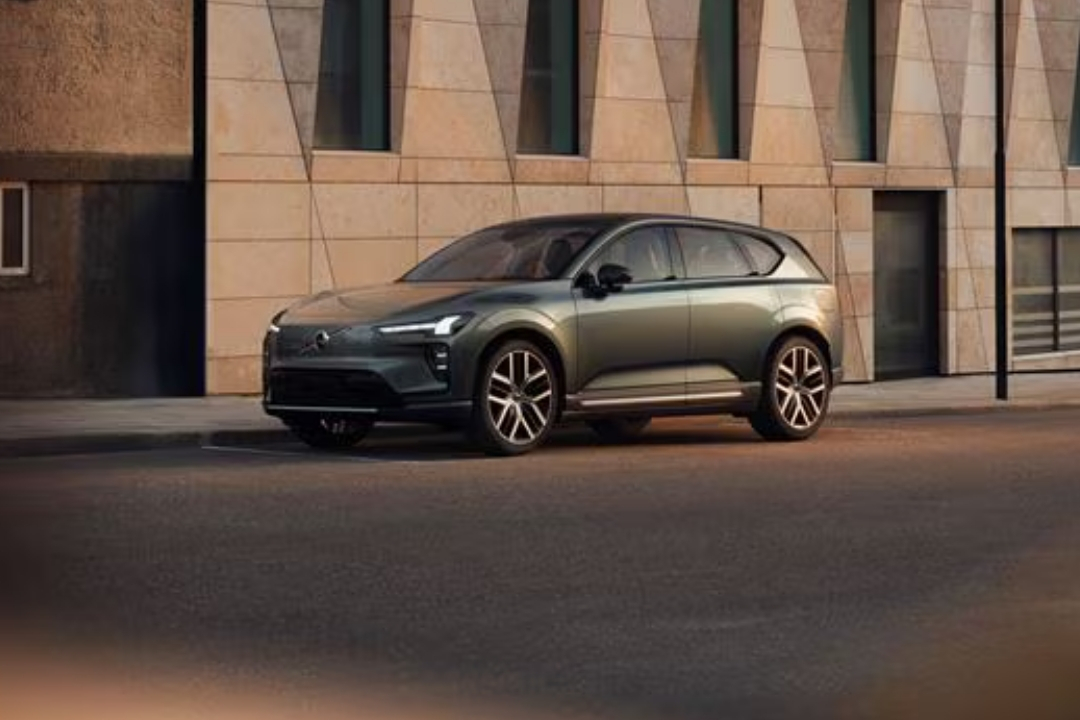
One of the clearest examples was a sleek concept that enthusiasts now point to as a turning point. The car used a smooth, cab-forward profile, a low hood, and integrated bumpers that bled into the bodywork. Contemporary coverage of Ford’s forgotten concept describes an interior filled with digital displays and unconventional controls at a time when most production dashboards still relied on analog dials and simple plastics. The design team treated airflow management as a central theme, sculpting the body to reduce drag while still housing a strong engine and wide track.
Underneath, engineers experimented with suspension layouts that favored high-speed stability and precise steering over soft ride comfort. Lightweight materials appeared in the chassis and body panels, not yet at scale for mass production but enough to demonstrate how a lighter car could feel sharper and more responsive without piling on horsepower. Safety engineers also pushed for stronger passenger cells and better crash structures, trying to prove that performance did not have to mean compromise in a collision.
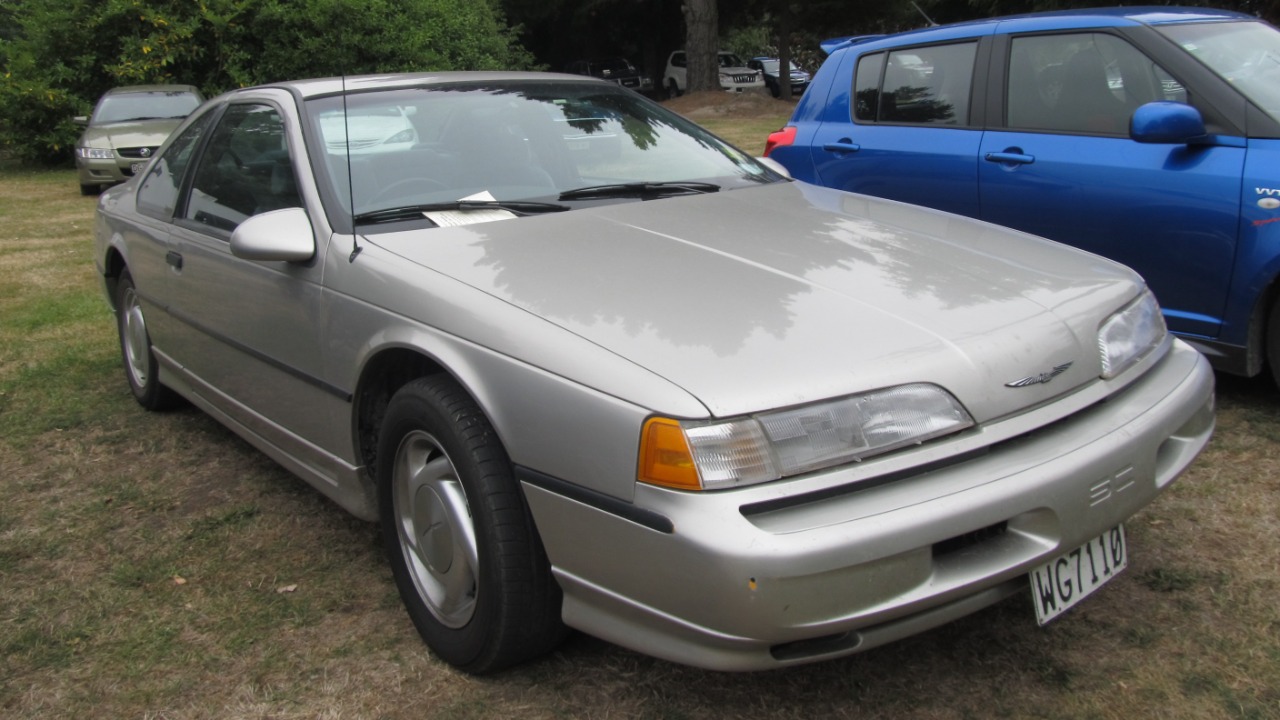
Ford applied a similar mindset to at least one production coupe that reached paying customers. Period analysis of a Ford coupe that challenged the segment’s leaders highlights a car that punched above its weight in handling and straight-line pace. The model used a relatively compact footprint, a willing engine, and a chassis tuned for agility rather than isolation. Reviewers of the time noted that it could run closely with more expensive rivals from established performance brands, especially on tight roads where balance mattered more than brute power.
Yet the coupe’s styling and packaging still nodded to everyday use. It offered a usable rear seat, a practical trunk, and fuel economy that did not punish buyers who commuted during the week. That blend of real-world livability and genuine speed reflected the internal tension of the period: Ford wanted to prove it could build a driver’s car without abandoning its reputation for practicality.
Why this experimental stretch matters in the current performance conversation
Viewed from today’s vantage point, that decade of experimentation looks less like an odd detour and more like a rough draft for the modern Ford performance playbook. The company now markets high-output trucks, track-ready Mustangs, and electrified crossovers that promise both speed and efficiency. Many of the themes that feel current, from aero-led design to tech-heavy cabins, appeared in sketch form during that quieter phase.
The concept car with its digital cockpit anticipated the shift to screens and software that now defines the driving experience. By placing multiple displays and reconfigurable controls in a single cabin, the designers effectively predicted the move toward fully digital instrument clusters and large central touchscreens. What once read as science fiction now feels like standard equipment, yet the lineage runs back through those early experiments.
The focus on aerodynamics also speaks directly to present-day concerns. Modern performance models rely on careful airflow management to meet both emissions rules and customer expectations for range or fuel economy. The slippery shapes tested in that forgotten program showed how a performance car could cut through the air with less drag, which in turn allowed smaller engines or lower energy use without giving up top speed. That same logic now guides everything from sporty EV crossovers to high-performance hybrids.
Chassis tuning from that period also resonates. The coupe that surprised rivals did so not by overwhelming them with displacement, but by combining a responsive suspension with a relatively low curb weight. Today’s engineers face similar constraints as they add batteries, safety gear, and connectivity hardware. The old lesson that balance can beat raw power remains relevant when every kilogram matters.
There is a cultural thread as well. Inside Ford, that decade showed that internal teams could challenge conservative product plans and still produce credible, sometimes brilliant hardware. The company has since leaned on skunkworks-style groups to create special-edition Mustangs, off-road trucks, and track-focused models. The confidence to sign off on those projects owes something to the earlier era when management allowed engineers to chase performance ideas even if the business case looked fragile.
For enthusiasts, rediscovering those cars reframes Ford’s story. Instead of a simple arc from muscle in the 1960s to utility vehicles later on, the brand’s history includes a restless middle chapter where performance became a test bed for technology. That narrative helps explain why modern Ford products can feel both pragmatic and unexpectedly aggressive in character.
How Ford could revive the spirit of that decade in the next wave of performance
The question now is not whether Ford can build quick cars. It is whether the company will again use performance projects to experiment with ideas that are not yet safe enough for the mainstream. The shift to electrification, connectivity, and driver-assistance systems creates an opening that looks similar to the one engineers exploited in that earlier period.
One path would be to treat performance EVs and hybrids as concept cars with license plates. Lightweight battery packaging, advanced aerodynamics, and software-driven driving modes could all be proven in limited-run models before filtering into higher-volume crossovers and trucks. Just as the forgotten concept car tested digital dashboards and aero-focused styling long before they were common, a new wave of experimental coupes or sedans could trial high-density battery chemistries, steer-by-wire systems, or active aero devices.
Another route lies in reviving the philosophy behind the coupe that rattled its competitors. Rather than chasing headline power figures, Ford could build compact, relatively light performance cars that prioritize feel, feedback, and efficiency. In an era of heavy EVs, a smaller, agile model that uses clever packaging and careful tuning to deliver fun without excess would echo the earlier car’s formula in a modern context.
There is also room to rethink interiors with the same boldness that defined the old concept cabin. As cars become more connected and semi-autonomous, the risk is that every cockpit converges on the same large screen and minimalist layout. A performance-focused interior that uses digital tools to heighten engagement, rather than simply adding more menus, would honor the spirit of experimentation that once put unusual controls and displays at the center of the driving experience.
For Ford’s leadership, the commercial stakes are clear. Performance projects rarely carry a lineup on their own, but they shape brand identity and signal engineering capability. The earlier decade proved that even short-lived models can leave a long shadow if they introduce ideas that later become mainstream. In a market crowded with fast crossovers and electric flagships from many brands, returning to that mindset could help Ford stand out again.
The forgotten performance phase was never just about going faster. It was about treating speed as a reason to rethink how a car looks, feels, and works. As the company navigates a new technological transition, the most forward-looking move may be to remember how willing it once was to experiment when the outcome was uncertain, then apply that same curiosity to the next generation of fast Fords.
More from Fast Lane Only
- Unboxing the WWII Jeep in a Crate
- 15 rare Chevys collectors are quietly buying
- 10 underrated V8s still worth hunting down
- Police notice this before you even roll window down
*Research for this article included AI assistance, with all final content reviewed by human editors