Not every great performance car receives immediate recognition. Some launch into markets that fail to appreciate their strengths, while others are overshadowed by more famous rivals. As time passes, enthusiasts often revisit these overlooked machines and discover qualities that were underestimated when new. These performance cars earned far greater respect years after leaving showroom floors.
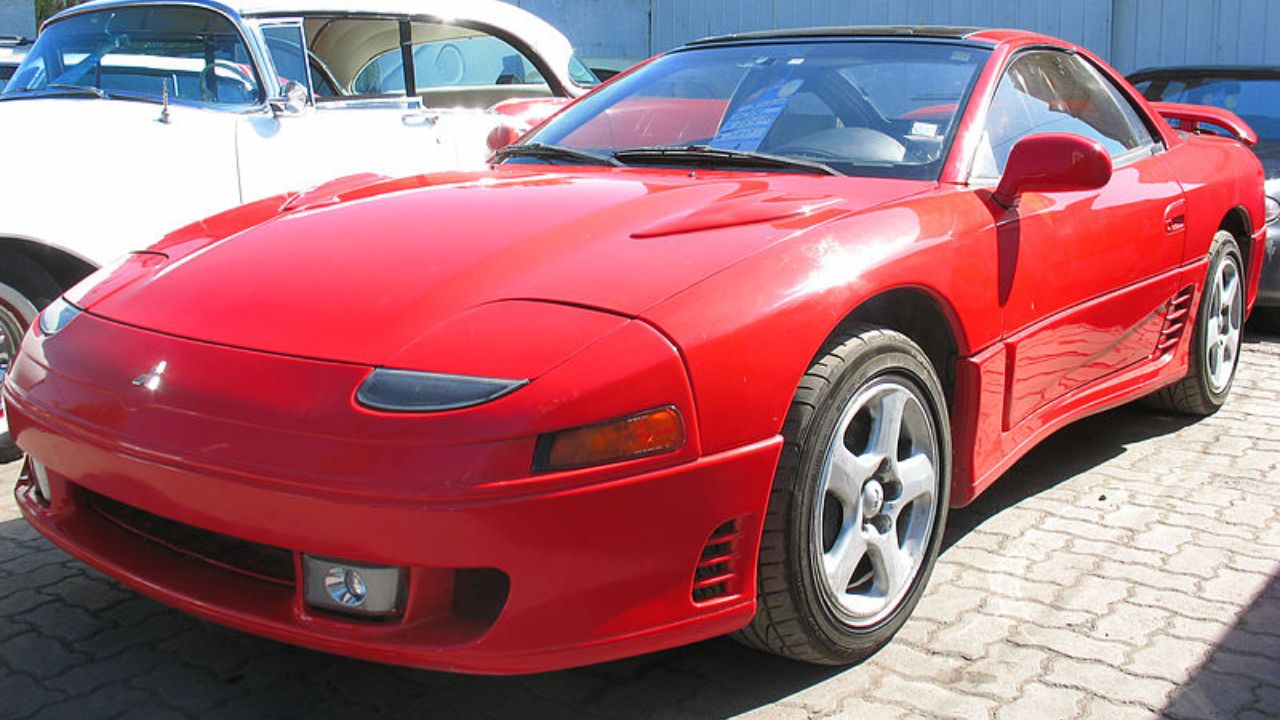
Mitsubishi 3000GT VR-4
CC BY-SA 2.0
The Mitsubishi 3000GT VR-4 was often overshadowed by lighter rivals during the 1990s, but its advanced technology was remarkably ambitious for the era. Featuring all-wheel drive, four-wheel steering, and twin-turbocharged power, it delivered impressive real-world performance. Mechanics respected the engineering complexity despite maintenance challenges. Over time, enthusiasts gained appreciation for the VR-4 because it represented a bold attempt to push sports car technology far beyond conventional expectations.
Pontiac G8 GXP
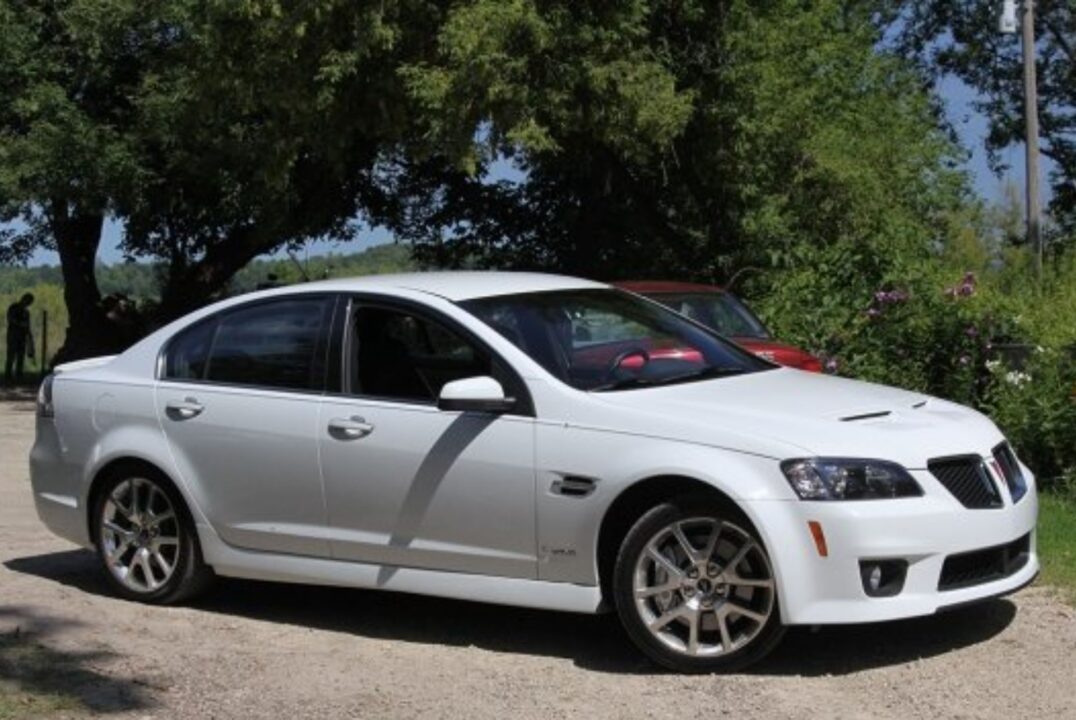
The Pontiac G8 GXP arrived just as Pontiac was nearing the end of its existence, limiting its impact when new. Powered by a Corvette-derived V8 and available with a manual transmission, it offered serious performance in a practical package. Mechanics appreciated its durable LS-based drivetrain. Years later, collectors began recognizing the G8 GXP as one of the finest modern American sport sedans and a fitting farewell for Pontiac.
Porsche 944 Turbo
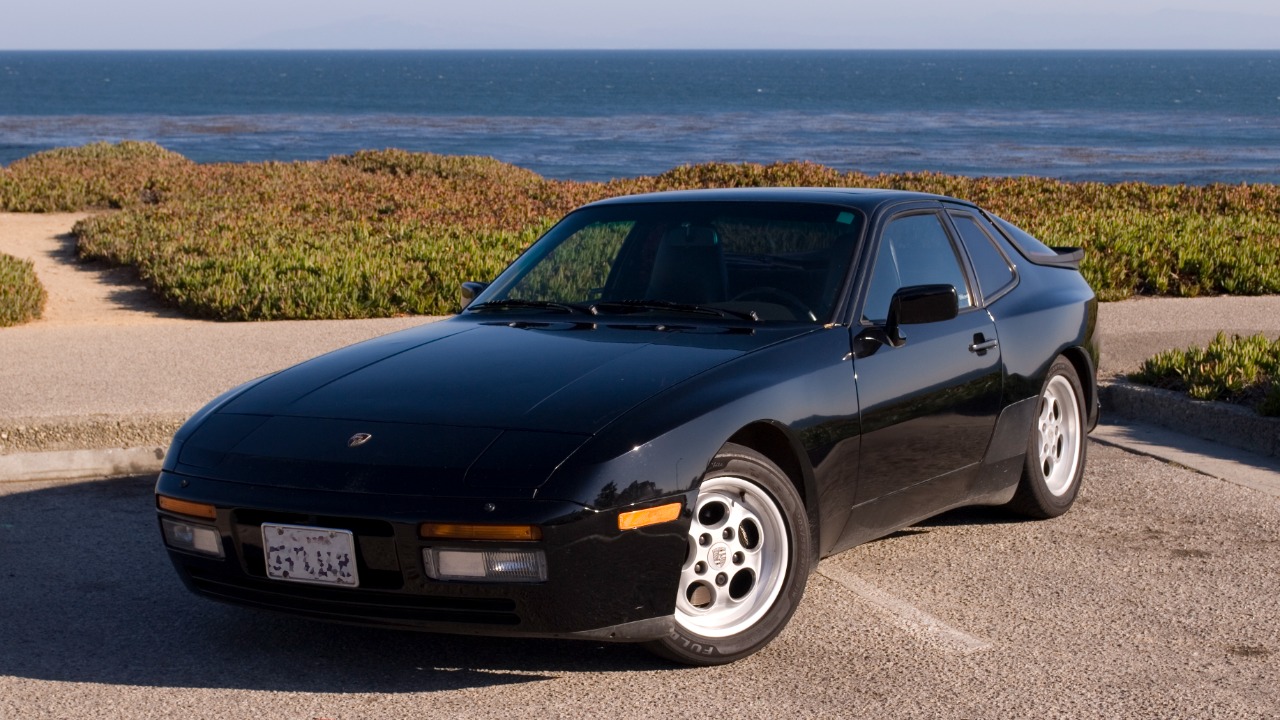
The Porsche 944 Turbo spent years living in the shadow of the 911 despite offering outstanding balance and strong performance. Its front-engine layout and excellent handling made it one of Porsche’s most capable driver’s cars. Mechanics respected its engineering sophistication and durability. As enthusiasts looked beyond traditional Porsche icons, the 944 Turbo gained substantial respect for delivering a driving experience that remains impressive even by modern standards.
Chevrolet Corvette C4 ZR-1
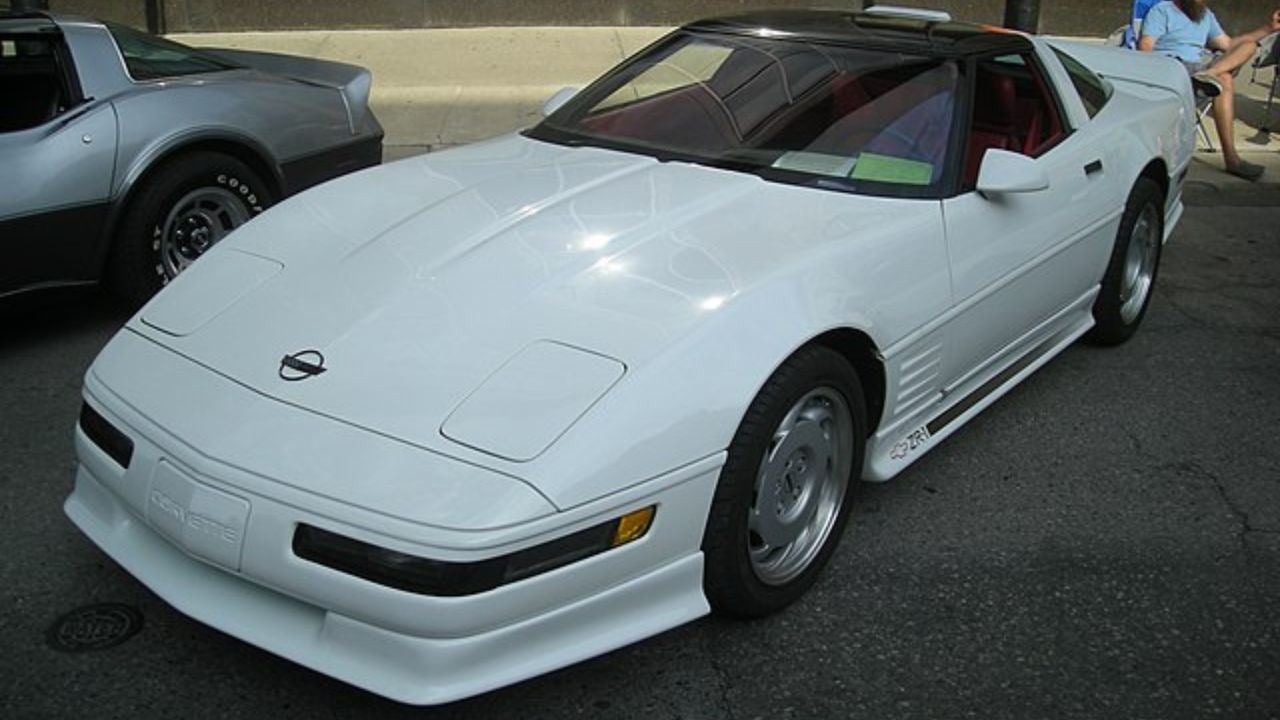
The Chevrolet Corvette ZR-1 was an engineering showcase that introduced advanced technology and serious speed to the Corvette lineup. At launch, its price and complexity drew criticism from some buyers. Mechanics admired the Lotus-developed DOHC V8 and impressive performance capabilities. Over time, the ZR-1 earned greater respect as enthusiasts recognized how far ahead of its era it truly was compared to many contemporary rivals.
Nissan 350Z
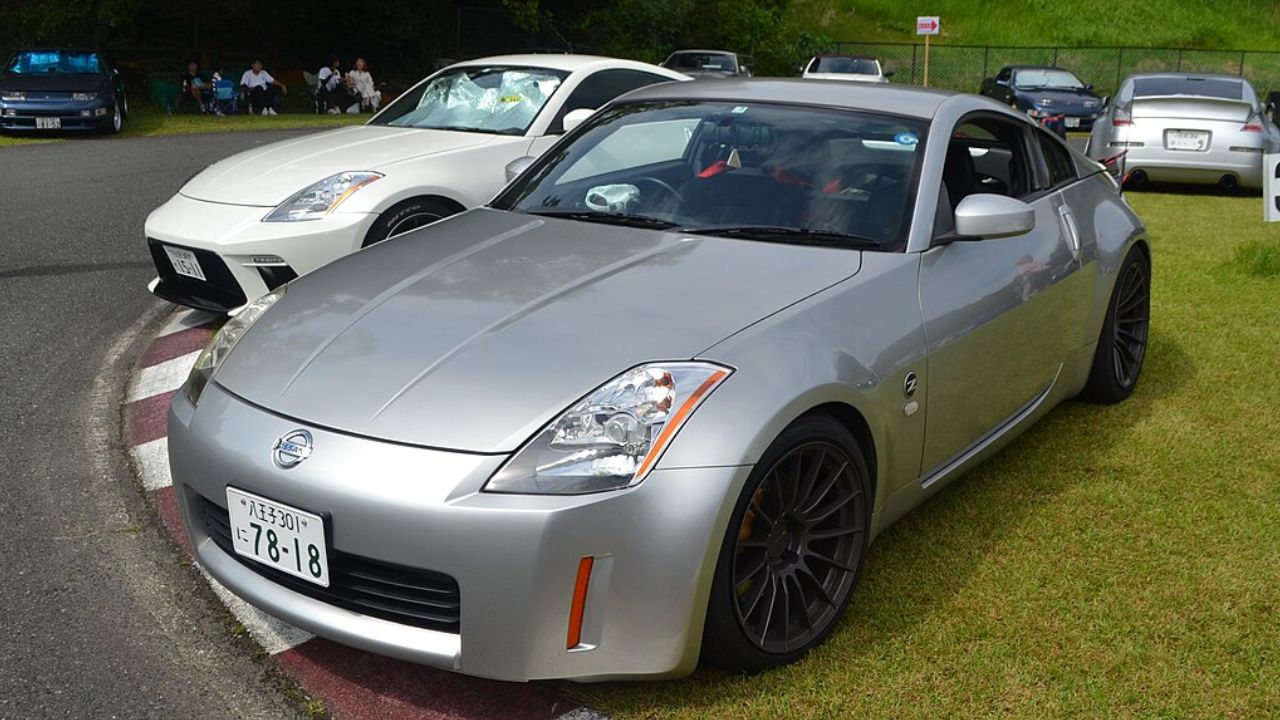
The Nissan 350Z revived Nissan’s Z-car heritage after years without a dedicated sports car. Initially viewed as a simple performance coupe, it later gained recognition for its balanced handling and accessible driving experience. Mechanics appreciated its durable V6 engine and strong aftermarket support. As newer vehicles became increasingly complex, enthusiasts developed greater appreciation for the 350Z’s straightforward approach to affordable performance.
BMW Z3 M Coupe
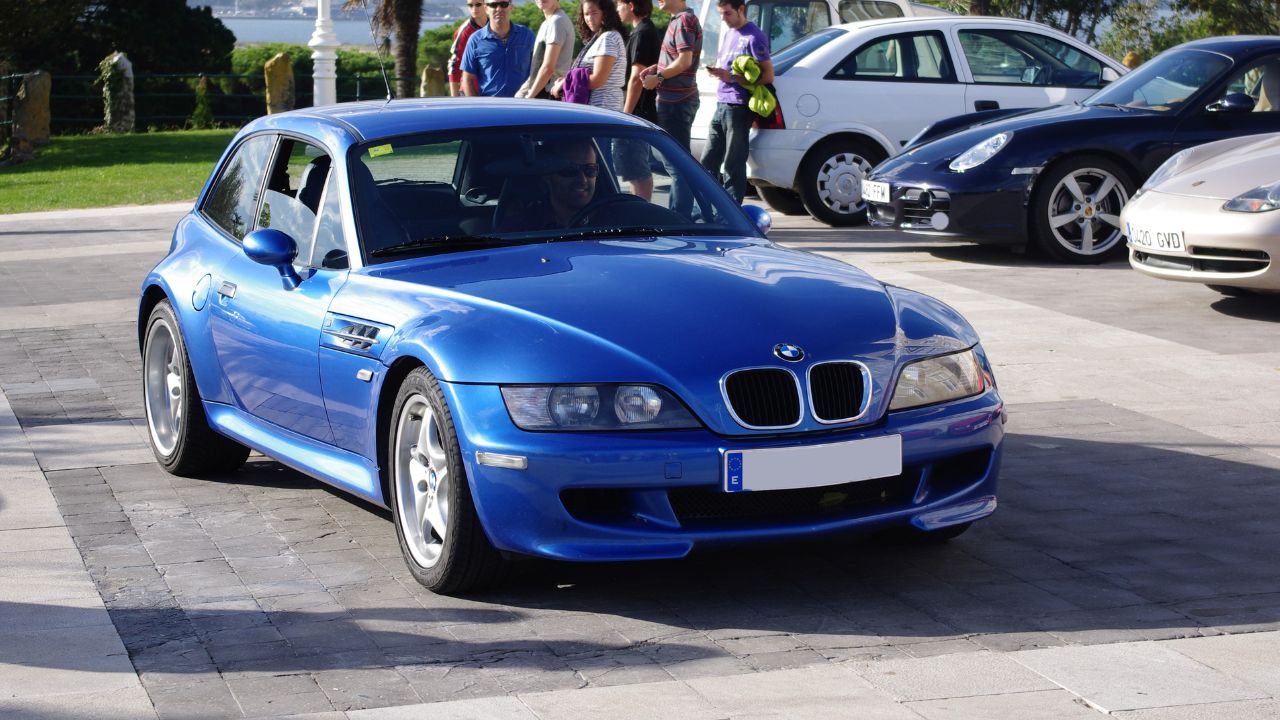
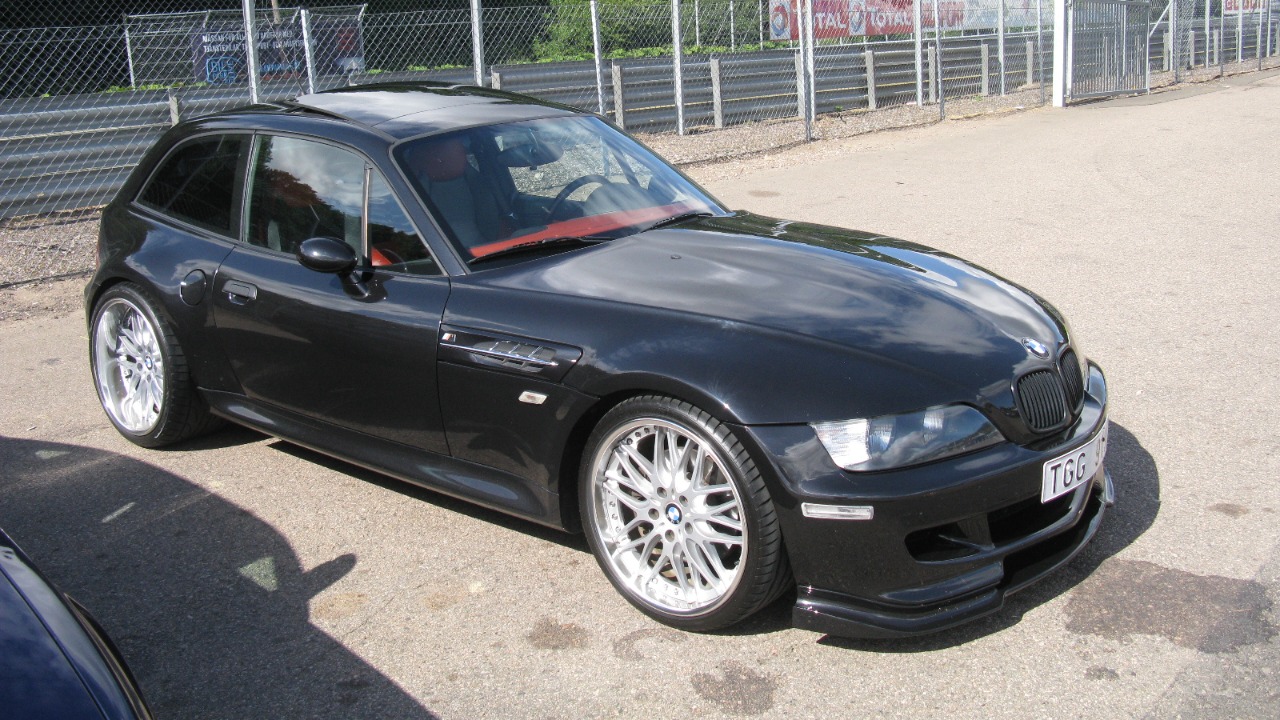
The BMW Z3 M Coupe received mixed reactions when new because of its unusual styling. However, its powerful engine, compact dimensions, and engaging chassis gradually won over enthusiasts. Mechanics respected its robust drivetrain and driver-focused engineering. Years later, the Z3 M Coupe became highly desirable because collectors recognized it as one of BMW’s most distinctive and entertaining performance cars.
Mazda RX-7 FC

The Mazda RX-7 FC often lived in the shadow of the later FD-generation RX-7, causing many enthusiasts to overlook its strengths. Its balanced chassis and turbocharged rotary performance created a rewarding driving experience. Mechanics appreciated the car’s tunability and lightweight design. Over time, collectors began valuing the FC more highly because it offered a unique blend of technology, handling, and rotary character.
Mercedes-Benz 190E 2.3-16
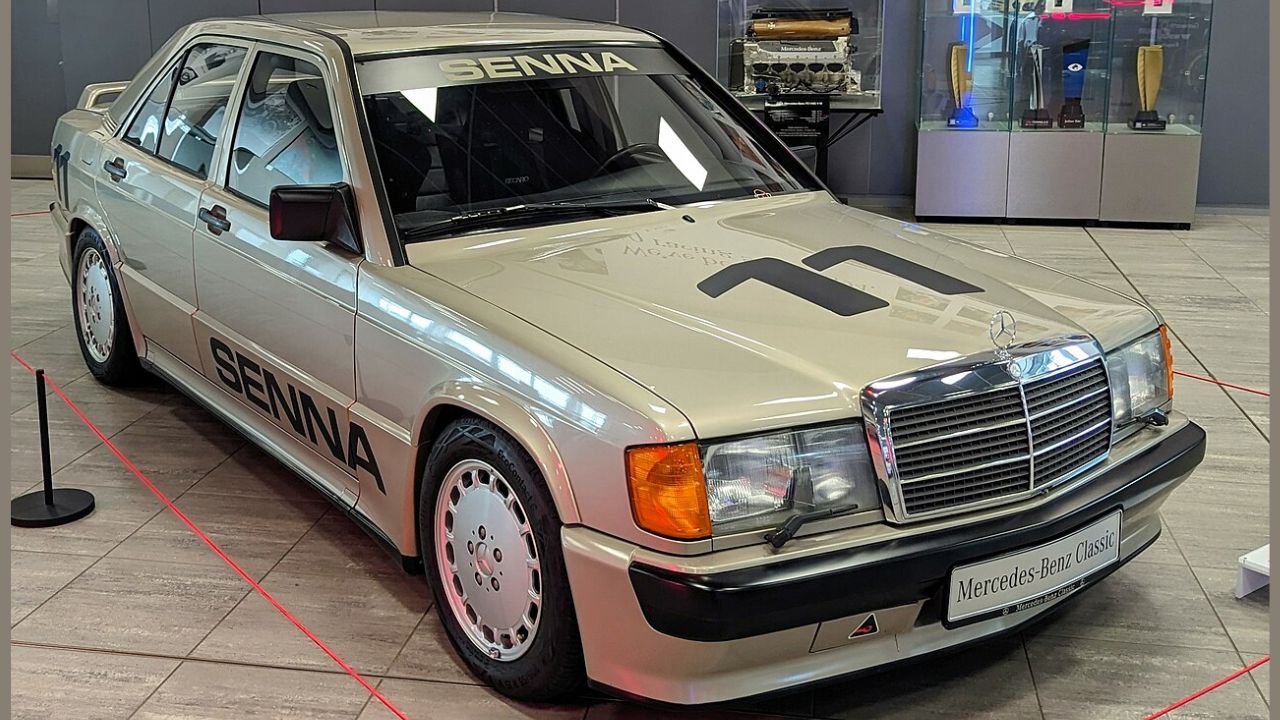
The Mercedes-Benz 190E 2.3-16 was originally viewed as a niche performance model within Mercedes-Benz’s lineup. Its Cosworth-developed engine and motorsport pedigree were appreciated by dedicated enthusiasts but largely overlooked by the broader market. Mechanics admired its engineering quality and durability. Today, the 190E 2.3-16 is widely respected as an important performance sedan that helped establish Mercedes-Benz’s modern sporting reputation.
Ford SVT Contour
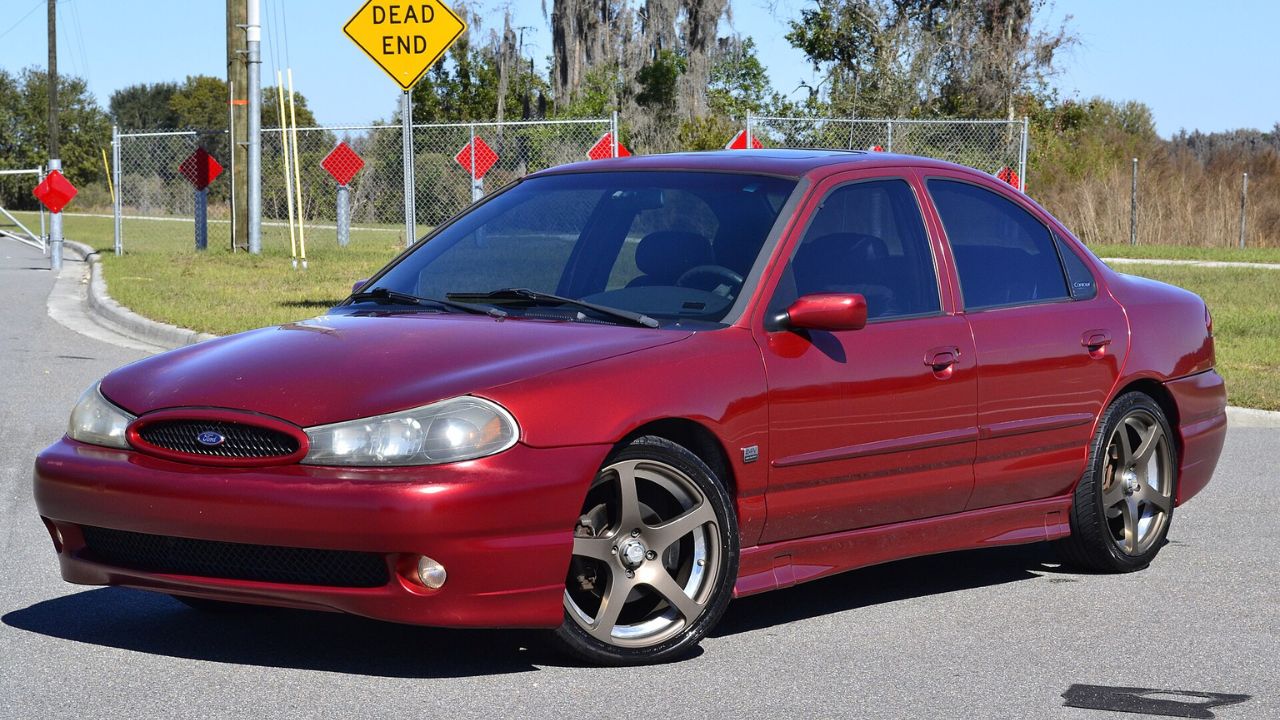
The Ford SVT Contour never achieved major sales success despite offering impressive handling and a responsive V6 engine. Its balanced chassis earned praise from reviewers, but it struggled to attract mainstream buyers. Mechanics appreciated its performance-focused tuning and engaging character. Years later, enthusiasts began recognizing the SVT Contour as one of Ford’s most underrated sport sedans and a surprisingly capable driver’s car.
Audi RS4 Avant (B5)
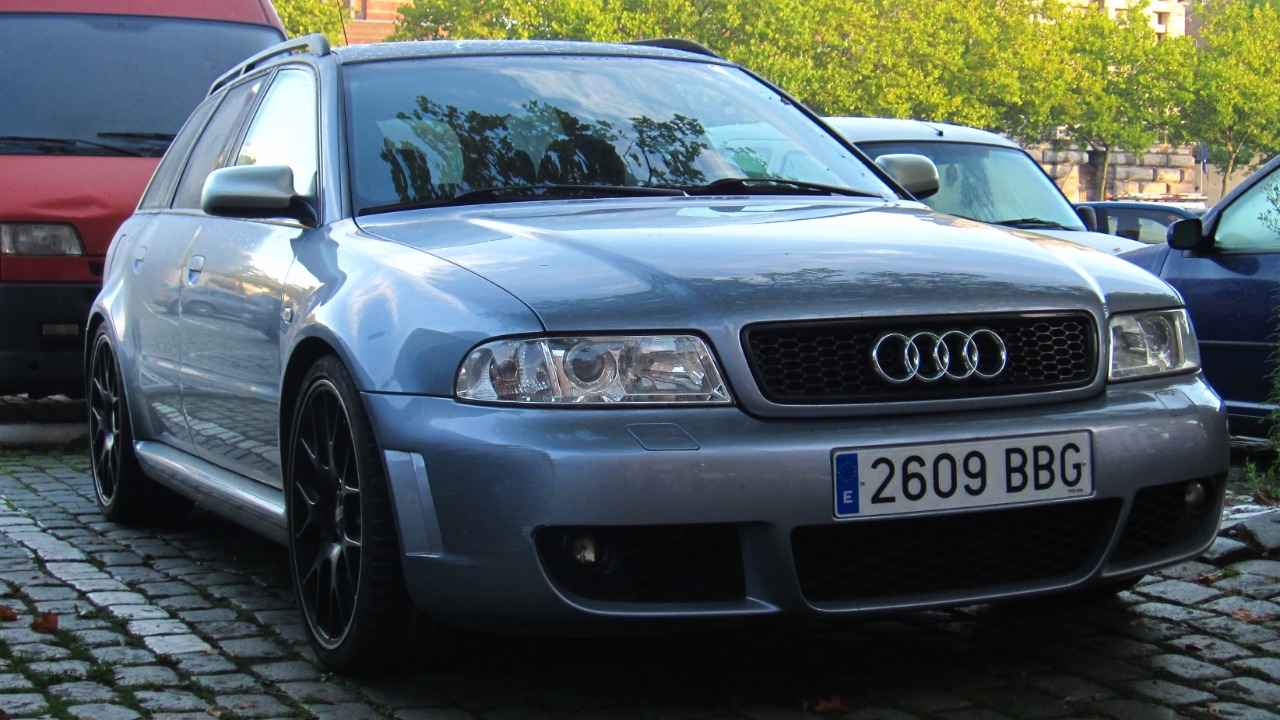
The Audi RS4 Avant combined practicality with twin-turbocharged performance in a package that was ahead of its time. Initially appreciated mainly by dedicated enthusiasts, it later gained broader recognition for establishing the high-performance wagon formula. Mechanics respected its strong engine and sophisticated all-wheel-drive system. As performance wagons became increasingly rare, the B5 RS4 earned greater respect for proving that practicality and serious speed could coexist successfully.
More from Fast Lane Only
- Unboxing the WWII Jeep in a Crate
- 15 rare Chevys collectors are quietly buying
- 10 underrated V8s still worth hunting down
- Police notice this before you even roll window down
*Research for this article included AI assistance, with all final content reviewed by human editors