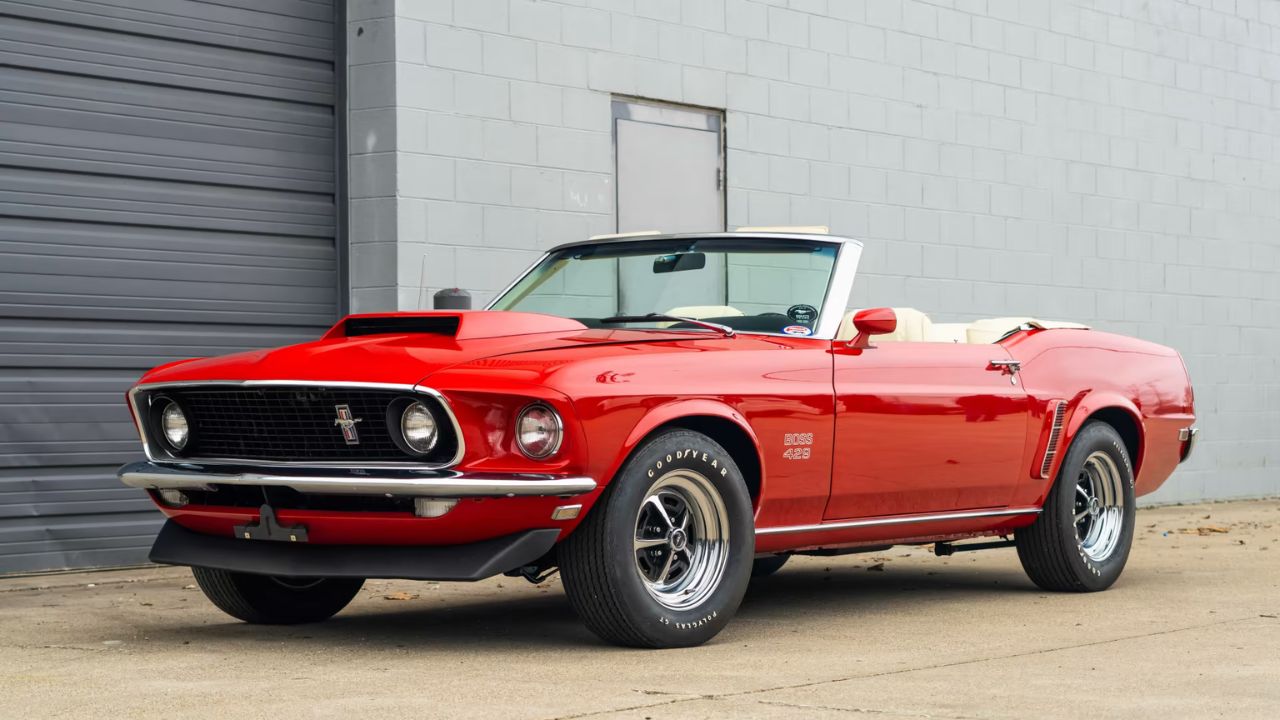
In the pantheon of muscle cars, the Boss 429 is often celebrated as one of the greatest. However, there are lesser-known contenders that challenged and even outperformed this iconic vehicle in various aspects. Let’s delve into the forgotten muscle cars that gave the Boss 429 a run for its money, exploring their unique features and the legacy they left behind.
The Unsung Heroes of Performance
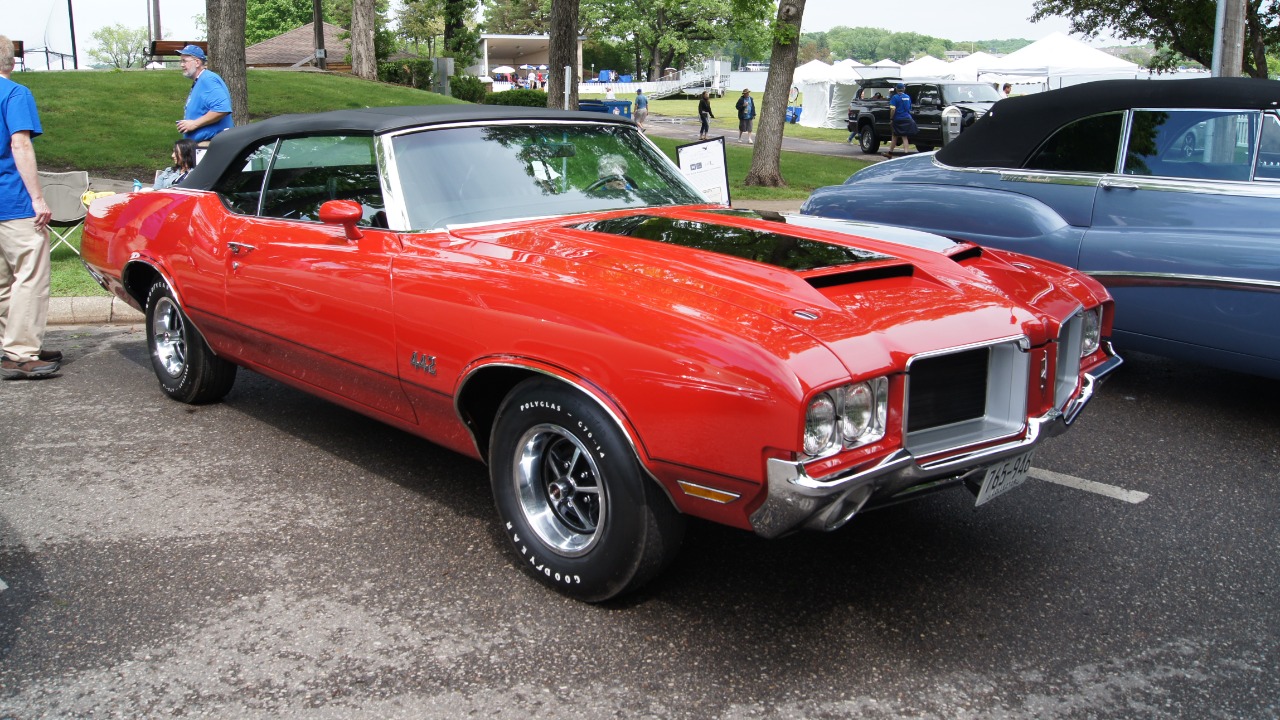
Oldsmobile 442
The Oldsmobile 442, with its robust V8 engine, was a formidable competitor in the muscle car wars. Its 400 cubic inch engine delivered a blend of power and torque that could rival the Boss 429. The 442’s balanced performance, combining acceleration and handling, made it a serious contender on both the street and the track. Its reputation as a well-rounded performer has often been overshadowed by more famous rivals, yet it remains a beloved classic among enthusiasts.While the Boss 429 was primarily known for its raw power, the 442 offered a more nuanced driving experience. The car’s suspension and braking systems were ahead of their time, providing a level of control that appealed to drivers who valued balance as much as brute force. The 442’s enduring appeal lies in its ability to offer a complete package, a trait that keeps it relevant in the muscle car community to this day.
Plymouth GTX
The Plymouth GTX was another powerhouse that could stand toe-to-toe with the Boss 429. Known as the “gentleman’s muscle car,” the GTX combined luxury features with high performance. Its 440 Super Commando V8 engine often matched, and sometimes exceeded, the performance metrics of the Boss 429. The GTX’s role in shaping muscle car culture is significant, as it embodied the transition from pure performance to a more refined driving experience.In the late 1960s, the GTX became a cultural icon, symbolizing the era’s automotive innovation. Its sleek design and powerful engine captured the imagination of car enthusiasts. Despite being less celebrated than some of its contemporaries, the GTX’s influence on the muscle car scene remains palpable. It remains a testament to an era when cars were not just about speed, but also about style and sophistication.
Design and Innovation
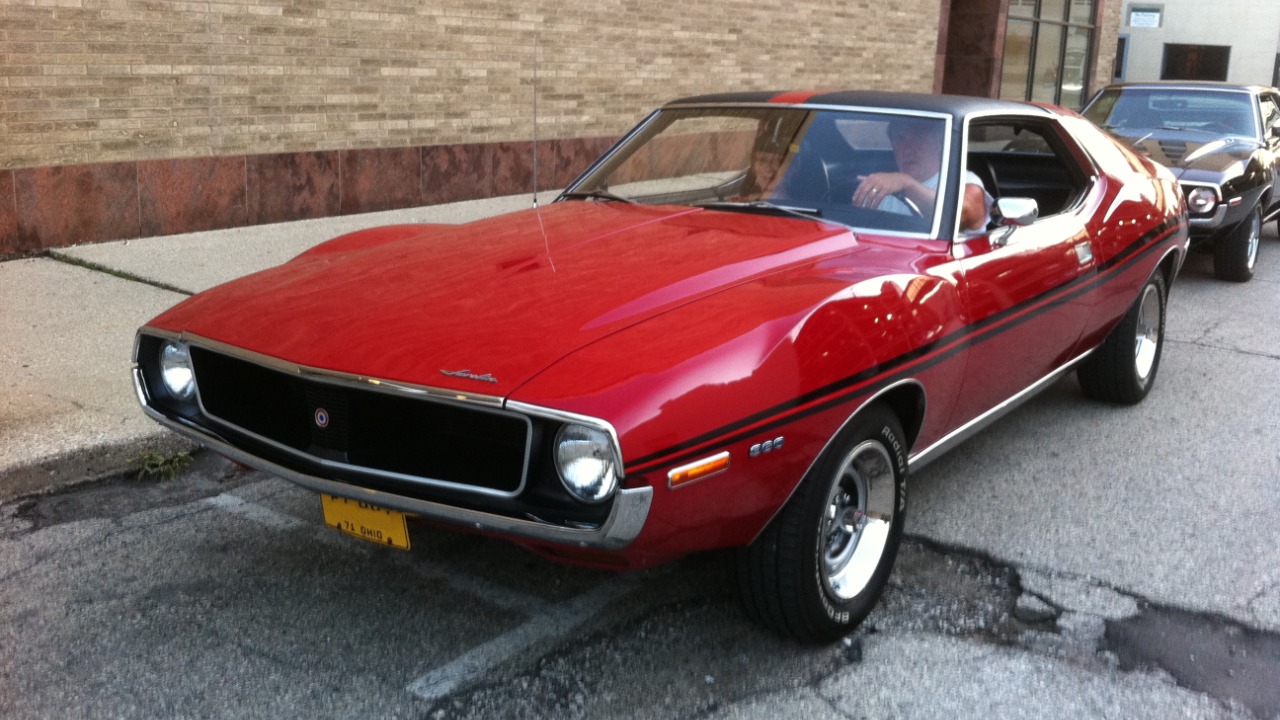
AMC Javelin
The AMC Javelin distinguished itself with unique design elements and competitive performance. Its bold styling set it apart in the crowded muscle car market, and its engineering innovations made it a noteworthy challenger to the Boss 429. The Javelin’s aerodynamic shape and attention to detail in construction contributed to its competitive edge, offering a blend of performance and aesthetics that appealed to a wide audience.The Javelin’s legacy is partly defined by its success in Trans-Am racing, where it demonstrated the potential of American Motors’ engineering prowess. This racing success helped cement the Javelin’s place in muscle car history, even if it never achieved the same level of fame as the Boss 429. The Javelin’s influence on automotive design and performance is still appreciated by collectors and enthusiasts today.
Chevrolet Nova SS
The Chevrolet Nova SS was another underdog that managed to shine brightly during the muscle car era. Its engineering advancements, particularly in the SS trim, contributed significantly to its high performance. The Nova SS boasted a potent engine lineup, including the notable 396 V8, which offered a thrilling driving experience comparable to that of the Boss 429.Design-wise, the Nova SS was a model of simplicity and effectiveness. Its straightforward design choices focused on performance, with minimal frills, allowing it to compete head-on with more flamboyant muscle cars of the time. The Nova SS’s enduring popularity among enthusiasts is a testament to its performance-focused design and engineering.
Racing Legacy and Cultural Impact
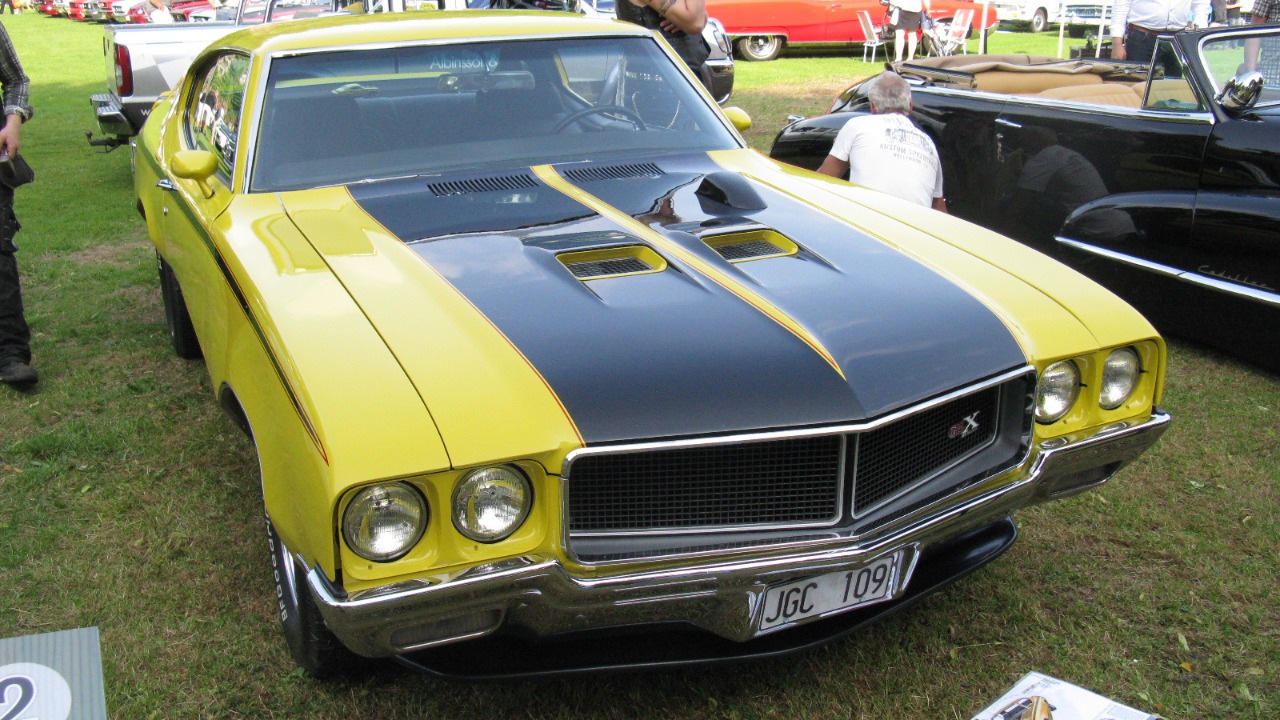
Buick GSX
The Buick GSX made a name for itself with impressive racing achievements that brought this muscle car into the limelight. Its performance on the track showcased Buick’s commitment to producing high-performance vehicles that could hold their own against the best in the business. The GSX’s racing success not only bolstered its reputation but also left a lasting impact on car enthusiasts who value performance and innovation.Beyond its racing pedigree, the GSX’s design and engineering made it a standout in the muscle car arena. It combined luxury with performance in a way that few other cars could match, offering a unique driving experience that is still celebrated today. The GSX’s influence on subsequent muscle car designs is evident in its enduring popularity among collectors and fans alike.
Dodge Charger Daytona
The Dodge Charger Daytona was a revolutionary muscle car, known for its aerodynamic design that made it a star in NASCAR and a legend on the streets. Its distinctive nose and rear wing were not just for show; they provided significant performance benefits that helped the Daytona dominate the race track. The car’s influence on racing strategies and muscle car designs is well-documented, making it a pivotal model in automotive history.The Daytona’s impact on car culture extends beyond its racing accomplishments. Its design innovations paved the way for future muscle cars, proving that aerodynamics could play a crucial role in performance. The Daytona remains a symbol of an era when American car manufacturers were pushing the boundaries of what was possible, both on the track and off.
Market Presence and Collectibility
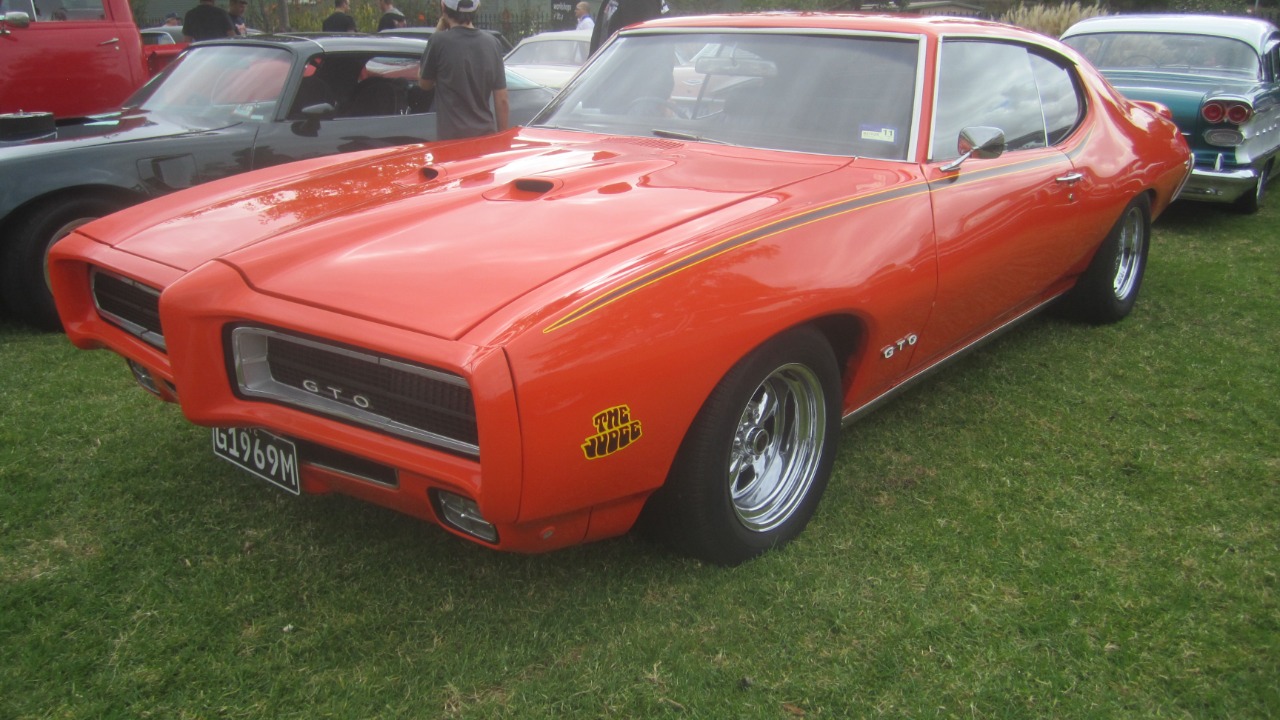
Pontiac GTO Judge
The Pontiac GTO Judge was a significant player in the muscle car market, offering a unique blend of performance and style that captured the imagination of car enthusiasts. Its market reception was strong, often rivaling that of the Boss 429. Today, the GTO Judge is highly sought after by collectors, thanks to its iconic design and the powerful engines that powered it.The Judge’s legacy is one of performance and flair, with its bold colors and distinctive graphics setting it apart from other muscle cars of the time. Its current status among collectors is a reflection of its lasting impact on the muscle car scene, as well as its role in shaping automotive trends during its heyday.
Mercury Cyclone Spoiler II
The Mercury Cyclone Spoiler II is a rare gem in the muscle car world, with its limited production contributing to its desirability among collectors. The Spoiler II’s aerodynamic features were designed to compete with the best in NASCAR, making it a formidable force on the track. Its rarity and performance capabilities have made it a highly collectible vehicle in today’s market.Despite its limited production run, the Spoiler II’s influence on the muscle car market dynamics is significant. It represents a time when manufacturers were willing to take risks and push the envelope in pursuit of racing glory. The Spoiler II’s legacy is one of innovation and performance, qualities that continue to resonate with muscle car enthusiasts.
Legacy Beyond the Spotlight
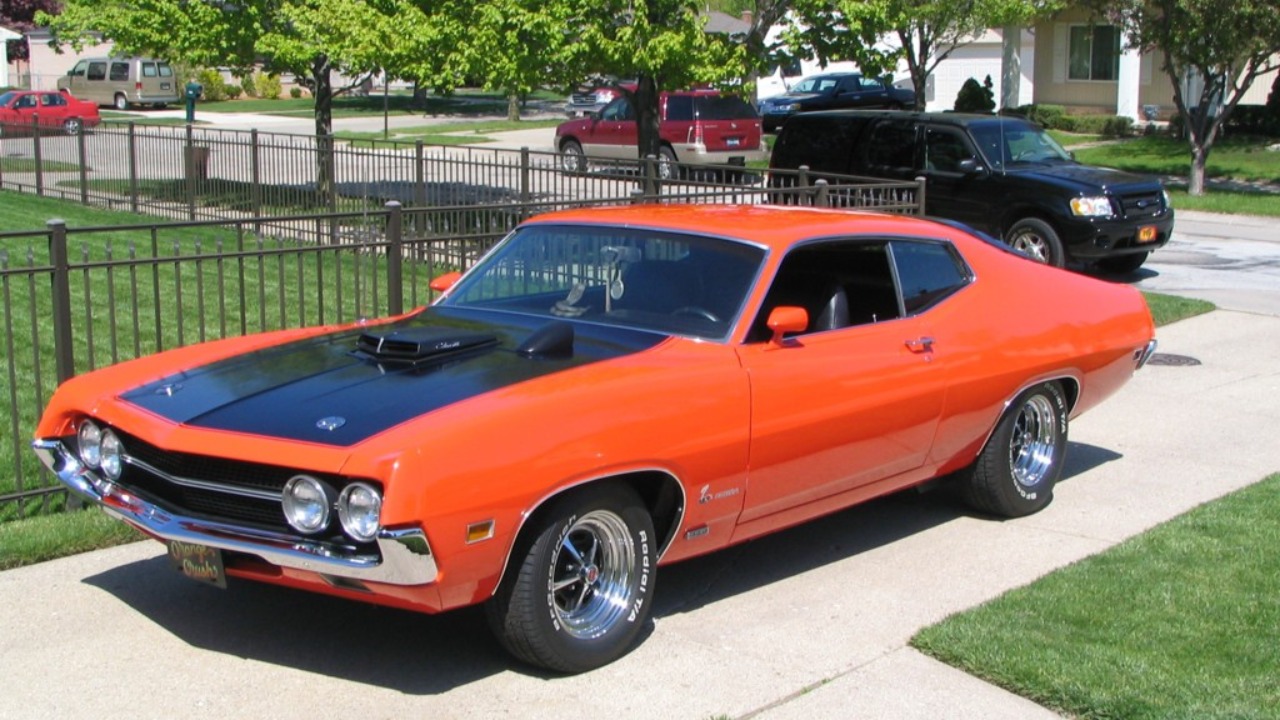
Ford Torino Cobra
The Ford Torino Cobra carved out its own niche in the shadow of the Boss 429, offering a unique blend of performance and style. Its powerful engines and aggressive design made it a standout in the muscle car world, even if it didn’t achieve the same level of fame as some of its contemporaries. The Torino Cobra’s legacy is one of resilience and innovation, with its contributions to the muscle car scene still appreciated by enthusiasts today.The Torino Cobra’s underdog status has only added to its mystique, making it a sought-after model for collectors who appreciate its performance capabilities and distinctive design. Its enduring appeal is a testament to its role in the muscle car legacy, showcasing the diversity and innovation that defined this golden era of American automotive history.
Chrysler 300 Hurst
The Chrysler 300 Hurst stands out as a unique offering from Chrysler, with its limited production run and distinctive features making it a standout model. Despite its rarity, the 300 Hurst made a significant impact on the muscle car community, with its powerful engine and luxurious appointments setting it apart from other vehicles of its time.The 300 Hurst’s legacy persists in the muscle car community, with its combination of performance and luxury remaining a point of fascination for collectors. Its unique place in automotive history is a reminder of the diverse offerings that defined the muscle car era, showcasing the creativity and ambition of American car manufacturers during this iconic period.
Like Fast Lane Only’s content? Be sure to follow us.
Here’s more from us:
*Created with AI assistance and editor review.