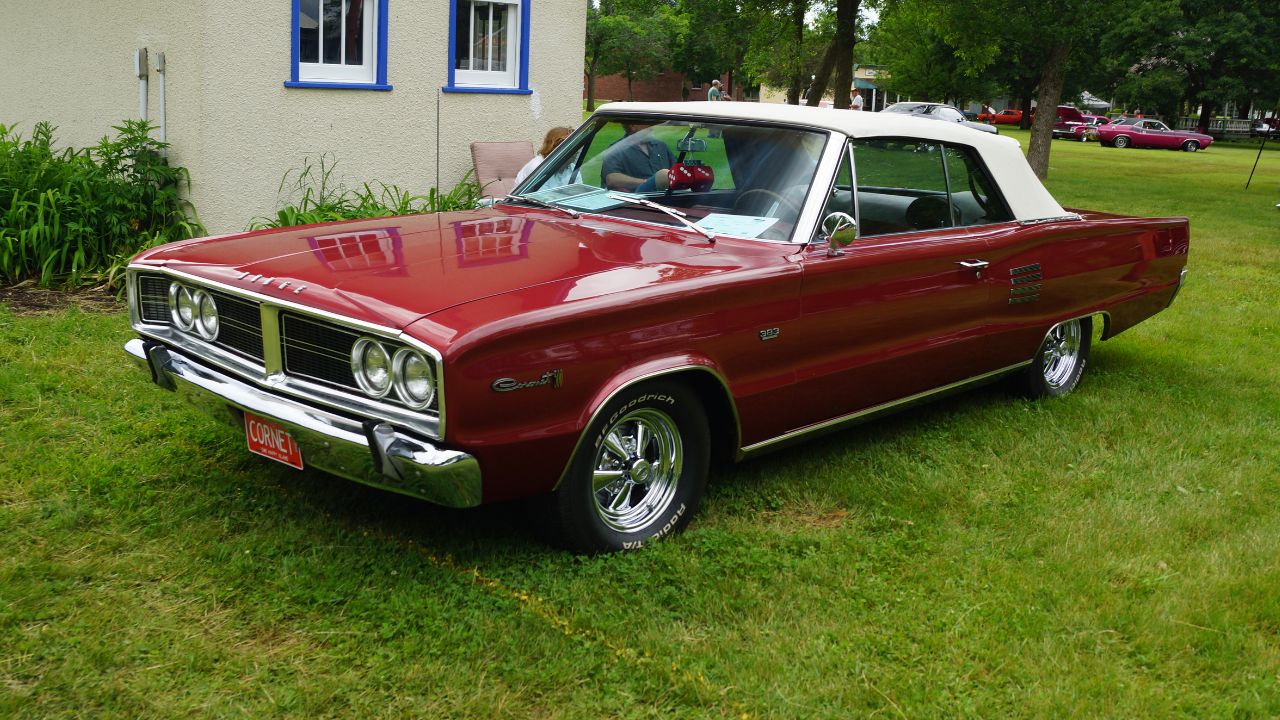
The 1966 Dodge Coronet 500 was a mid-tier muscle car that blended performance and style without the fanfare of its flashier siblings. While the Charger and later R/T models grabbed headlines, the Coronet 500 offered strong engines and clean design in a solid package. It’s a classic that deserves more attention from car lovers.
Optional V8 power made it more than a cruiser

The 1966 Coronet 500 came standard with a 273-cubic-inch V8 (180 hp) for hardtops and convertibles, or a 225 Slant Six (145 hp) for sedans. Optional engines included a 318 V8 (230 hp), 361 V8 (265 hp), 383 V8 (325 hp, 425 lb-ft), or the 426 Hemi (425 hp). The 383 hit 0-60 mph in about 7 seconds, making it a strong performer for a mid-size car.
The Hemi, available in 136 Coronet 500s, turned it into a beast, though most buyers chose the 383 for its balance of power and cost. Production costs for the 383 were around $300, with the car priced at $2,700-$2,830. Restored Hemi models now fetch $100,000-$150,000.
Mid-level trim with upscale touches

As the top Coronet trim, the 500 added bucket seats, a center console, padded dash, and chrome louvers on rear fenders. Priced at $2,700 for hardtops, it cost $500 to produce its upscale features. It offered sporty style without the Charger’s fastback drama, appealing to buyers wanting refinement.
Its positioning above the base Coronet, Deluxe, and 440 gave it a comfortable edge. The 55,700 units built made it a showroom staple, but its subtle charm is now prized by collectors.
It came in both hardtop and convertible form

Buyers could pick a two-door hardtop, convertible, or four-door sedan (Coronet 500 SE). Only 2,760 convertibles were built, making them rare today. Hardtops sold best, with a base price of $2,700 (about $26,000 today). The convertible’s power top added $320 to the $2,830 price.
The variety gave the 500 broad appeal, from sporty coupes to family-friendly sedans. Convertibles, especially with V8s, now fetch $40,000-$60,000, reflecting their scarcity.
Production numbers were higher than you’d think
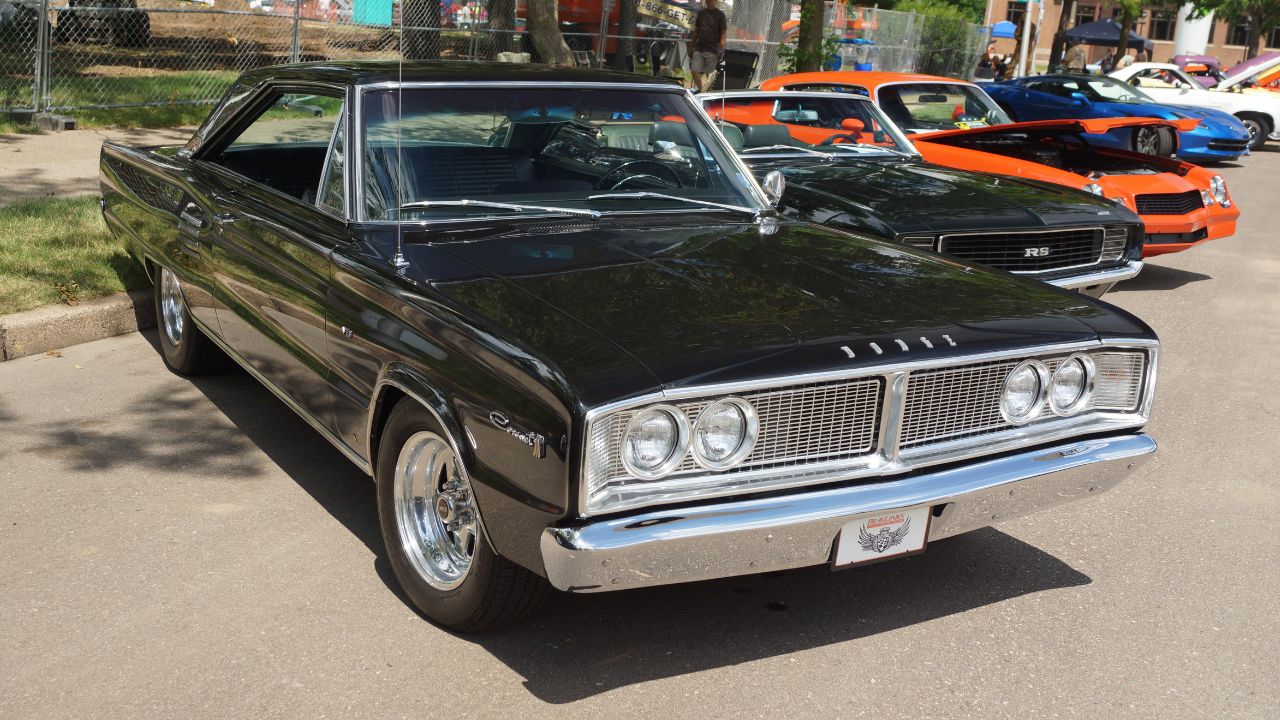
Dodge built 55,700 Coronet 500s in 1966, including 52,940 hardtops, 2,760 convertibles, and sedans, with 55,200 V8-equipped. Priced at $2,590-$2,830, assembly costs were $800 per car. Despite high production, many were modified or neglected, as they lacked the Charger’s collector status.
Fewer than 10,000 likely survive with original drivetrains, especially non-Hemi models. Their lower profile kept them out of the spotlight, but that’s changing as collectors seek them out.
It shared design cues with bigger Dodges
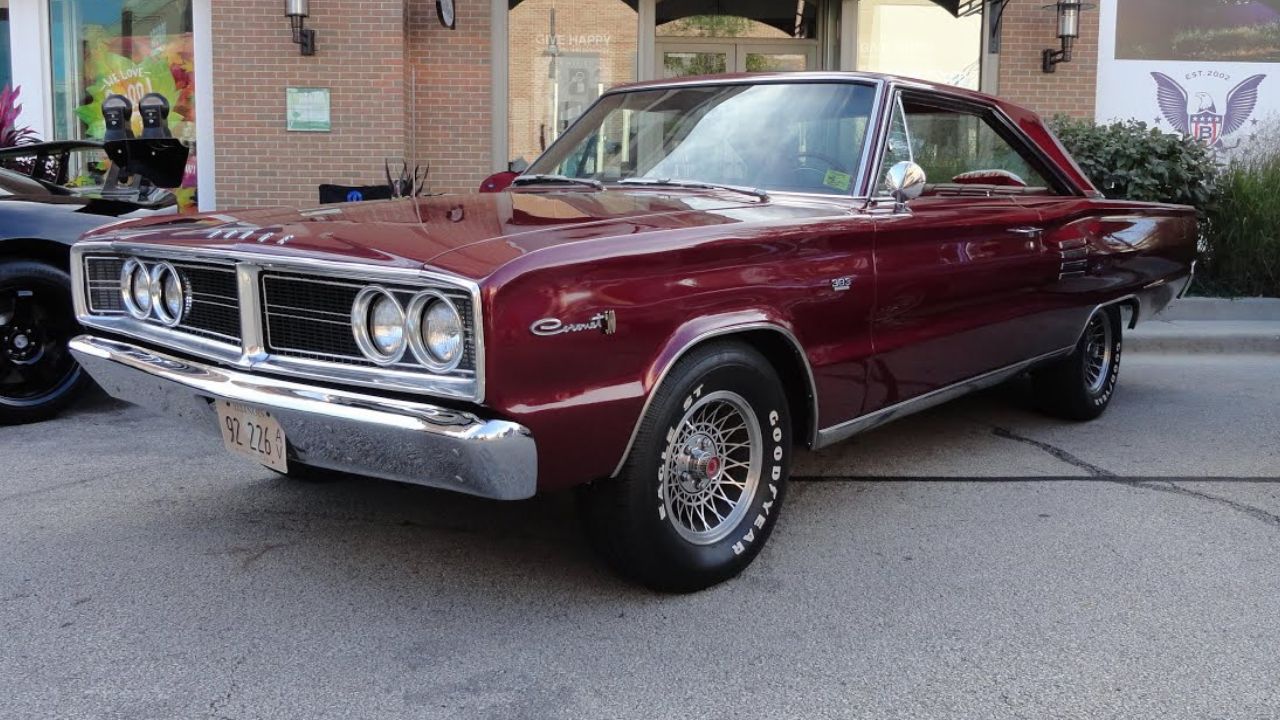
The 1966 Coronet 500’s redesign featured a mesh grille, rectangular taillights, and sculpted sides, echoing the Polara’s full-size look and the Charger’s fastback vibe. Its 203-inch length and 117-inch wheelbase cost $400 to style. The design was clean and confident, aging better than trendier rivals.
Its squared-off rear and wide stance gave it presence without flash. The look aligned with Dodge’s mid-size push, competing with the Chevelle and Fairlane.
Manual transmission was still an option

A 3-speed manual was standard, but a 4-speed manual ($188 extra) or TorqueFlite 3-speed automatic ($200) were popular. The 4-speed, paired with the 383 or Hemi, hit 0-60 mph in 6-7 seconds. Transmission production costs were $150. Most buyers chose automatics for ease.
The 4-speed’s crisp shifts appealed to performance drivers, making the 500 a sleeper hit. Manuals are now prized, adding $5,000 to values for 383-equipped cars.
Interiors were better than basic
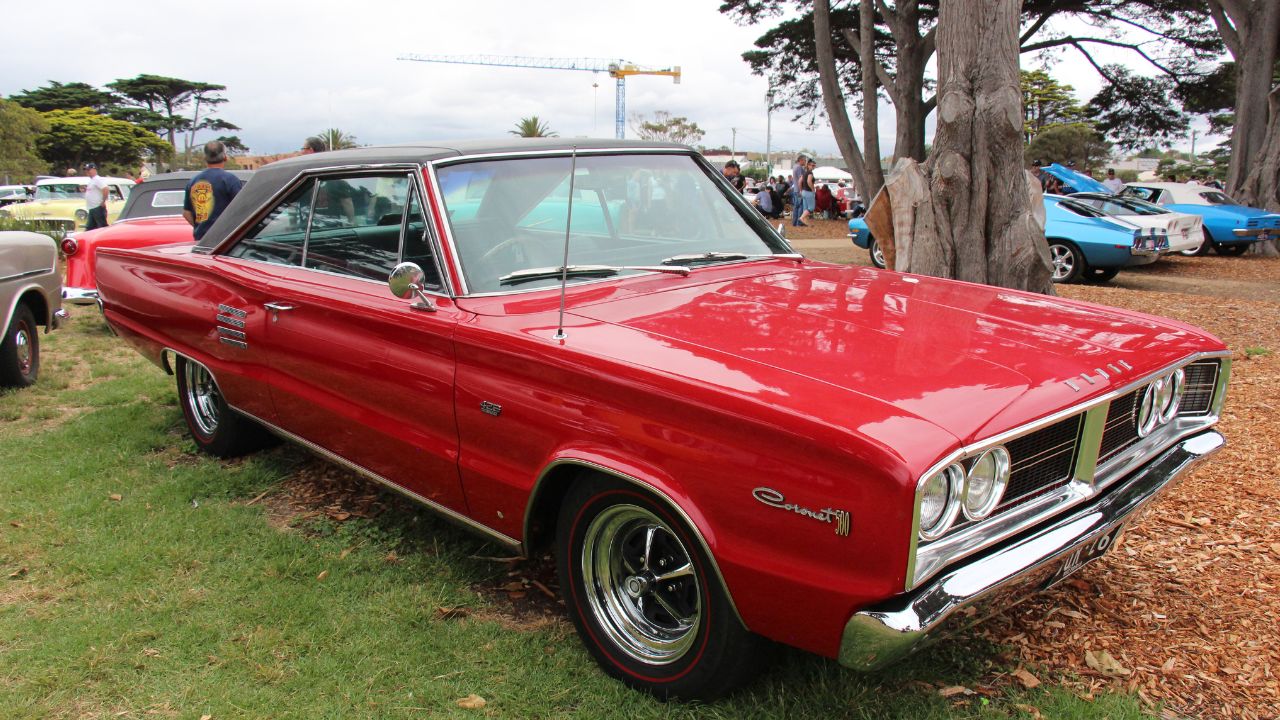
The Coronet 500’s interior had bucket seats, full carpeting, better upholstery, and a padded dash, with a console for floor-shift models. Costing $100 to upgrade, it felt sportier than base Coronets’ bench seats. The 8,000-rpm tachometer was a nod to performance.
It wasn’t a luxury car, but the setup was comfortable and driver-focused. Restored interiors add $3,000-$5,000 to values, especially in original colors like black or red.
The styling changed mid-year with new taillights
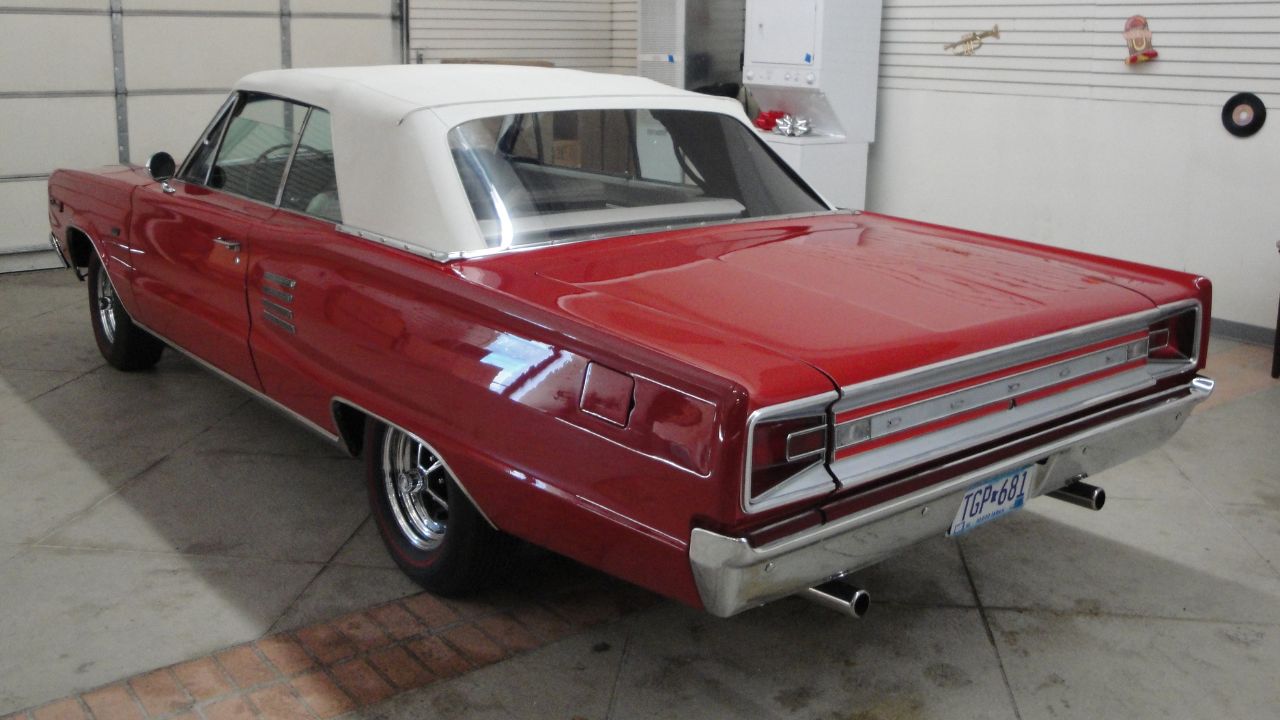
The 1966 Coronet 500 featured large rectangular taillights, a shift from 1965’s round design, costing $50 per car to restyle. Some sources suggest minor mid-year changes, possibly in chrome trim or panel integration, but details are unclear. The look was clean and modern.
These subtle updates helped the 500 stand out from rivals like the Chevelle. Collectors note taillight variations as a quirky detail, though documentation is spotty.
It was overshadowed by its faster siblings

Unlike later years, the 1966 Coronet 500 could be ordered with the 426 Hemi (425 hp, 490 lb-ft), with 136 built (340 hardtops, 21 convertibles). The $908 Hemi option (about $8,800 today) made it a dragstrip terror, hitting 0-60 mph in 6 seconds. Most stuck with the 383.
The Charger’s fastback and 1967’s R/T stole attention, but the Hemi 500 was no slouch. Its rarity now drives values to $100,000-$150,000.
Survivors are still affordable—barely
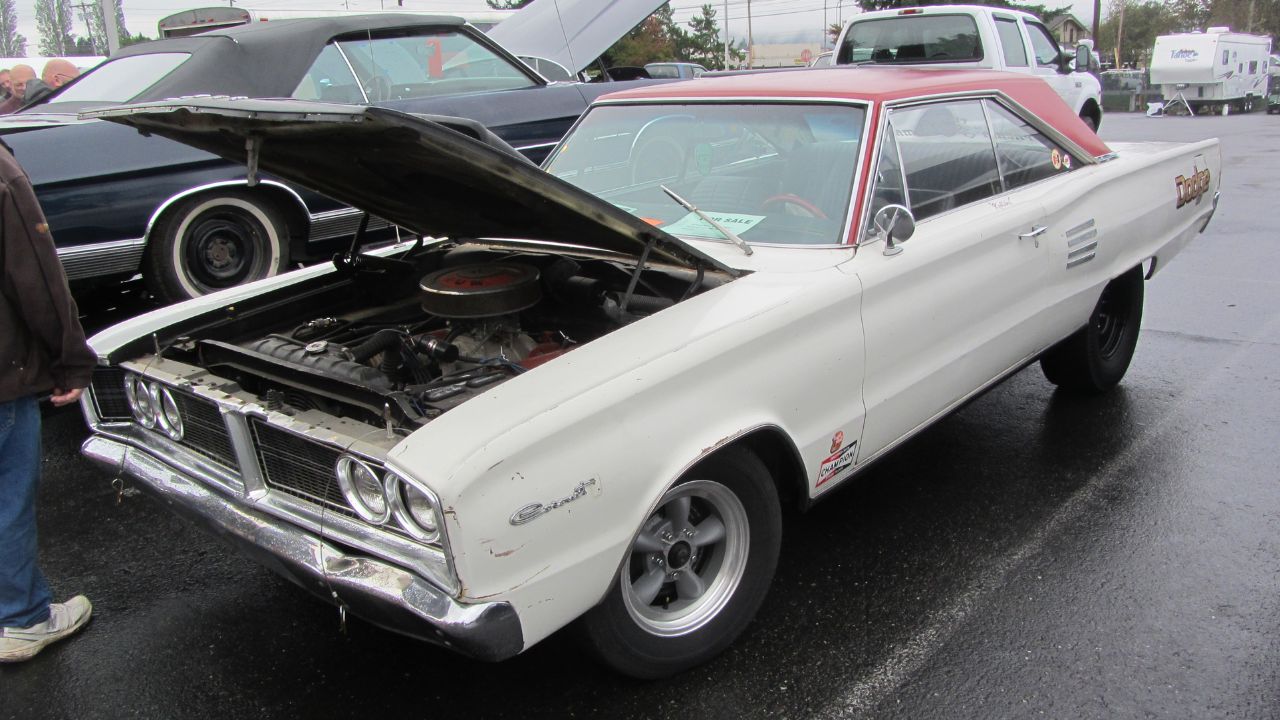
Non-Hemi Coronet 500s sell for $25,000-$40,000 with the 383, while Hemi models hit $100,000-$150,000. The 55,700 built haven’t spiked like Chargers or GTOs, with $800 production costs keeping them affordable in 1966. Survivors, especially convertibles, are gaining traction.
Their lower profile kept prices reasonable, but rising classic car demand is pushing values up. A clean 383 hardtop is a solid buy compared to pricier Mopars.
Like Fast Lane Only’s content? Be sure to follow us.
Here’s more from us:
*Created with AI assistance and editor review.