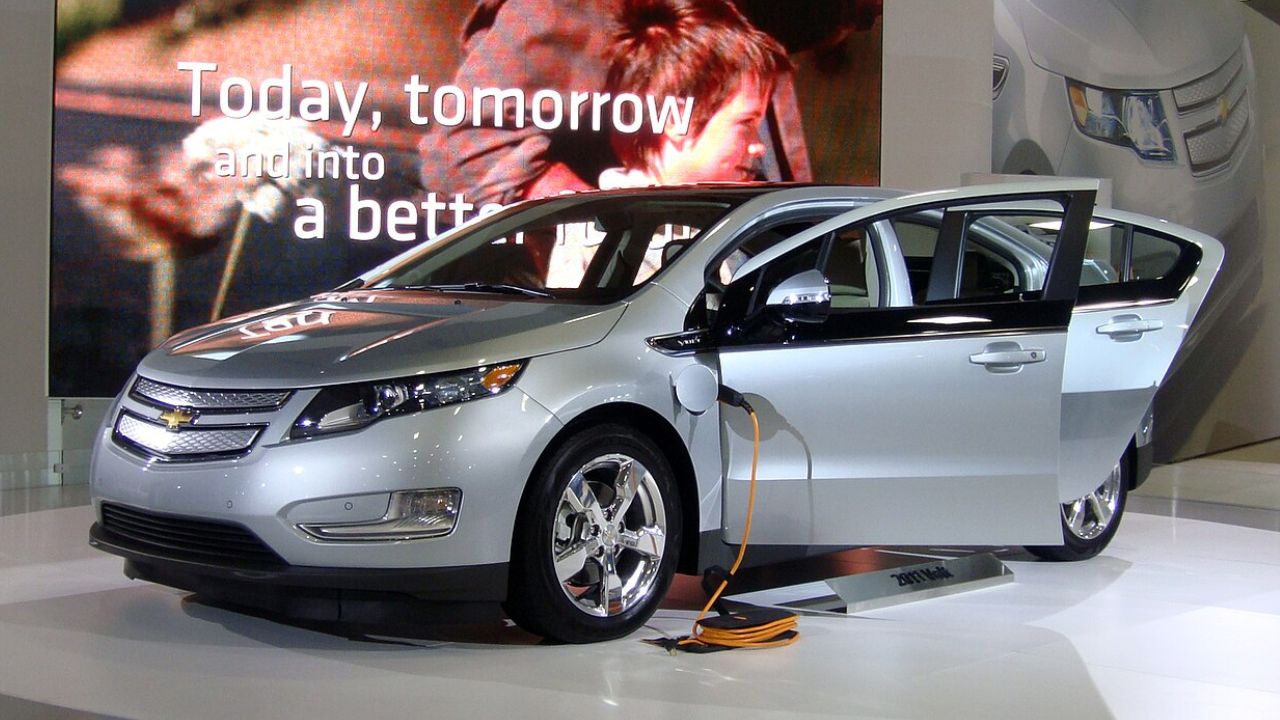
The 2011 Chevrolet Volt was a groundbreaking vehicle that represented a significant shift in automotive technology and environmental consciousness. While its impact was initially overshadowed by criticism and market dynamics, the Volt’s true significance lies in its role as a catalyst for change in the automotive industry.
The Technological Innovation of the Volt
The Chevrolet Volt introduced a novel approach to hybrid technology with its plug-in hybrid electric vehicle (PHEV) system. Unlike traditional hybrids that primarily relied on a gasoline engine, the Volt utilized both an electric motor and a gasoline engine, allowing drivers to plug it in to charge the battery. This dual power source enabled the Volt to travel an impressive 35 to 50 miles on electric power alone, before switching to its gasoline engine, which then acted as a generator to extend the driving range. This capability was revolutionary at the time, providing a solution to range anxiety that often plagued early electric vehicle adopters.
Compared to the standard hybrids like the Toyota Prius, which primarily depended on a gasoline engine with an electric assist, the Volt offered a more versatile driving experience. Its ability to run solely on electricity for short trips made it appealing to environmentally conscious consumers who had previously been hesitant about adopting hybrid technology. The innovation didn’t stop with the Volt itself; it also influenced the development of future models and manufacturers, encouraging a shift toward more electric and hybrid options across the industry.
Environmental Impact and Sustainability
The 2011 Volt significantly outperformed conventional vehicles in terms of emissions and fuel efficiency. With its electric-only mode, the Volt produced zero tailpipe emissions, contributing to a reduction in air pollution. Its fuel efficiency ratings of around 93 MPGe (miles per gallon equivalent) in electric mode and 37 MPG in gasoline mode showcased its potential to lessen the carbon footprint of individual drivers. This was particularly important at a time when concerns about climate change and environmental sustainability were gaining traction.
Moreover, the Chevrolet Volt played a crucial role in promoting electric vehicle (EV) adoption and awareness. As one of the first mass-produced PHEVs, it served as a bridge for consumers transitioning from traditional gasoline vehicles to electric alternatives. The Volt’s success encouraged discussions around the benefits of hybrid technology, leading to increased interest in electric vehicles as a viable solution to combat climate change. This legacy persists today as the automotive industry grapples with the need for sustainable transportation options.
Economic Implications and Market Reaction
The pricing strategy for the Chevrolet Volt was a critical aspect of its market introduction. With a starting price around $40,000, it positioned itself in a competitive space against other hybrids and electric vehicles. However, the Volt’s pricing was offset by various government incentives and rebates, which made it more accessible to consumers. For instance, federal tax credits of up to $7,500 greatly influenced consumer adoption, allowing many to purchase the vehicle at a significantly reduced price.
The Volt’s launch occurred during a tumultuous economic climate in 2011, marked by recovery from the 2008 financial crisis. Despite these challenges, the Volt managed to capture public interest and generate sales. The initial reception was mixed, with some praising its innovation while others questioned its practicality and price. However, as consumers began to understand the benefits of owning a Volt, its sales gradually improved, highlighting the importance of government support and consumer education during the introduction of new technologies.
The Volt’s Role in General Motors’ Strategy
Following its bankruptcy in 2009, General Motors (GM) underwent a significant transformation, with a renewed focus on sustainability and innovation. The Chevrolet Volt emerged as a key component of GM’s strategy to reposition itself as a leader in the electric vehicle market. It symbolized the company’s commitment to developing environmentally friendly technologies and showcased its ability to innovate in a rapidly changing automotive landscape.
The Volt’s introduction represented a strategic pivot for GM, aligning the brand with the growing demand for cleaner, more efficient vehicles. The success of the Volt not only improved GM’s market positioning but also helped rebuild consumer trust in the brand. As the automotive industry continued to evolve, the Volt served as a benchmark for GM’s future endeavors, influencing the development of subsequent models and solidifying the company’s commitment to electrification.
Public Perception and Media Coverage
The media’s portrayal of the Chevrolet Volt during its launch and subsequent years was a mixed bag. Initial coverage highlighted its innovative technology and environmental benefits, but as time went on, negative narratives began to emerge. Issues such as battery fires and production delays dominated headlines, overshadowing the Volt’s accomplishments and leading to a polarized public perception. This disconnect between the Volt’s capabilities and the narratives surrounding it impacted consumer behavior and sales.
Many consumers were swayed by the negative media coverage, leading to skepticism about the Volt’s reliability and practicality. However, as positive user experiences began to surface, the conversation started to shift. Owners praised the Volt for its efficiency and versatility, contributing to a more favorable perception over time. This evolution in public perception underscores the importance of accurate media representation and consumer education in the adoption of new automotive technologies.
Lessons Learned from the Volt’s Launch
The launch of the Chevrolet Volt offers valuable lessons for automakers regarding consumer education and the marketing of new technologies. One key takeaway is the importance of clear communication about the benefits and capabilities of hybrid and electric vehicles. As seen with the Volt, misinformation and negative narratives can significantly hinder consumer adoption. By addressing concerns such as range anxiety and infrastructure availability, automakers can better position their products in the market.
Additionally, the challenges faced by the Volt, including production issues and public skepticism, highlight the need for robust support systems for new technologies. Consumers require reassurance and reliable information to feel confident in their purchasing decisions. Automakers should focus on providing comprehensive education about their vehicles, ensuring that potential buyers understand the long-term advantages of hybrid and electric technologies.
The Volt’s Legacy and Influence on Future EVs
The Chevrolet Volt has left an indelible mark on the automotive industry, paving the way for subsequent electric and hybrid vehicles. Its innovative design and technology have influenced many modern models, from the Nissan Leaf to the Ford Mustang Mach-E. Elements such as regenerative braking, advanced battery management systems, and electric-only driving modes have become standard features in many newer vehicles, showcasing the Volt’s lasting impact.
Moreover, the Volt’s success has prompted competitors to rethink their strategies, leading to a broader industry-wide shift toward electrification. As automakers recognize the demand for sustainable transportation options, the Volt’s legacy continues to shape discussions around electric vehicle development, encouraging innovation and collaboration across the sector. The Volt stands as a testament to the potential of hybrid technology in driving the future of transportation.
The Forgotten Importance of the Volt Today
In the current automotive landscape, the Chevrolet Volt is often overlooked, yet its significance remains relevant. As the world grapples with climate change and the need for sustainable solutions, the Volt’s technology serves as a reminder of the progress made in the realm of electric and hybrid vehicles. Its design and functionality continue to resonate with consumers seeking environmentally friendly alternatives.
The Volt’s legacy also plays a crucial role in discussions around energy independence and sustainable transportation. By highlighting the benefits of hybrid technology, the Volt has contributed to a broader understanding of how vehicles can be part of the solution to climate challenges. As the automotive industry moves toward a greener future, the lessons learned from the Volt’s journey remain vital for shaping successful strategies in the ongoing transition to electric mobility.
More from Fast Lane Only