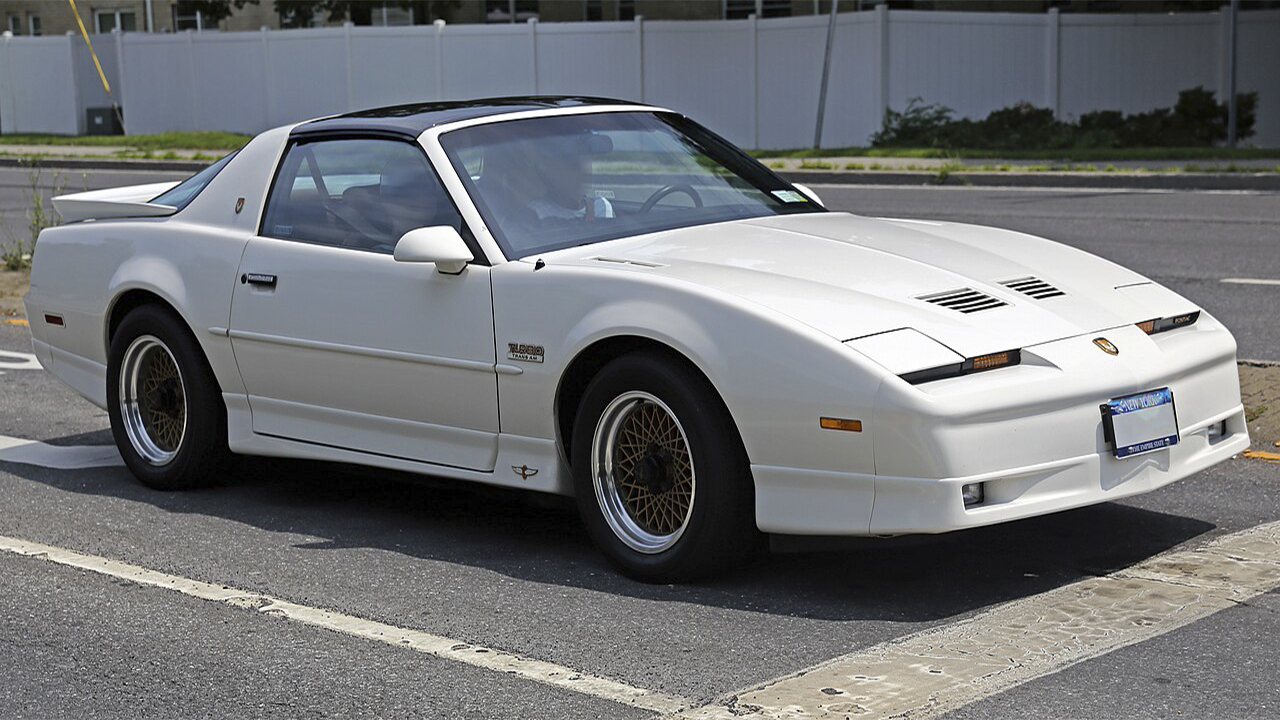
The 1989 Pontiac Turbo Trans Am stands as a remarkable yet often overlooked chapter in automotive history, blending performance and innovation during a transformative era in the American car market. The story of the Turbo Trans Am is not just about a car; it encapsulates the shifting tides of consumer preferences, engineering ambitions, and the cultural backdrop of its time. As we dive into the details of this forgotten muscle car, its development, features, and legacy, it becomes clear why it deserves a second look from both enthusiasts and collectors alike.
The Context of the Late 1980s Automotive Market
The late 1980s marked a pivotal moment in the automotive industry, characterized by significant economic shifts and evolving consumer demands. Following the fuel crisis of the 1970s, American car buyers increasingly gravitated toward vehicles that offered greater fuel efficiency and advanced technology. Traditional muscle cars, which had dominated the market in previous decades, began to fade as manufacturers introduced smaller, more economical models to meet the changing landscape. This shift also coincided with new regulatory pressures aimed at reducing emissions and improving fuel economy, prompting automotive companies to rethink their strategies.
In response to these pressures, turbocharging emerged as a viable solution. This technology allowed manufacturers to produce more power without increasing engine size, thus maintaining efficiency. Brands like Buick had already begun to explore turbocharged engines, paving the way for Pontiac’s decision to incorporate similar technology into the Trans Am lineup. As consumer preferences shifted toward performance coupled with practicality, turbocharging became a key feature that set vehicles apart in a crowded market.
Pontiac’s Bold Move: The Development of the Turbo Trans Am
The decision to develop a turbocharged version of the iconic Trans Am was a bold move for Pontiac, especially considering the brand’s storied history with muscle cars. The Turbo Trans Am was intended to combine the appeal of performance with the benefits of modern engineering. Pontiac recognized that to remain competitive, they needed to innovate while still honoring the legacy of their muscle car roots. Collaborating with other divisions, particularly Buick, allowed Pontiac to leverage the latter’s experience with turbocharging, which proved invaluable during the development process.
Initial design concepts for the Turbo Trans Am faced numerous engineering challenges. Engineers had to ensure the new turbocharged 3.8-liter V6 engine could deliver the expected performance while maintaining reliability and efficiency. This involved extensive testing and refinement, as the team worked to integrate the turbocharger seamlessly into the existing design. The project was ambitious, with the goal of creating a vehicle that could excite both longtime muscle car enthusiasts and a new generation of drivers looking for a modern performance vehicle.
Unveiling the Turbo Trans Am: Features and Specifications
The unveiling of the 1989 Pontiac Turbo Trans Am showcased a range of features that distinguished it from its predecessors. Central to its appeal was the powerful 3.8-liter V6 turbocharged engine, which produced an impressive 250 horsepower and 340 lb-ft of torque. This engine not only provided exhilarating acceleration but also exemplified the benefits of turbo technology, delivering power without compromising fuel efficiency. The Turbo Trans Am could go from 0 to 60 mph in just over six seconds, a remarkable feat for its time.
Aesthetically, the Turbo Trans Am also boasted unique styling cues that set it apart from earlier models. It featured distinctive badging, a functional hood scoop, and a rear spoiler that enhanced its sporty look. The interior was designed with driver comfort in mind, offering supportive seating and an array of technology that was advanced for the era. With a blend of performance and style, the Turbo Trans Am made a compelling case for itself as a modern muscle car, appealing to both traditionalists and newcomers to the Pontiac brand.
Marketing and Reception: The Forgotten Launch
Pontiac’s marketing strategy for the Turbo Trans Am aimed to highlight its performance capabilities while also appealing to a broader audience. Advertising campaigns focused on the car’s turbocharged engine and its status as a high-performance vehicle, attempting to capture the essence of what made the Trans Am iconic. Despite these efforts, the launch did not generate the buzz that Pontiac had anticipated. Automotive journalists and enthusiasts offered mixed reviews, with some praising the innovation while others felt it fell short of the classic muscle car experience.
When compared to other contemporary models, the Turbo Trans Am struggled to find its place. The late 1980s saw a variety of performance vehicles entering the market, and the competition was fierce. Cars like the Ford Mustang GT and Chevrolet Camaro Z28 were well-established names with loyal fan bases. The Turbo Trans Am, while exciting, faced challenges in positioning itself effectively against these rivals. Ultimately, despite its technical achievements, the car’s launch was overshadowed by a market that was rapidly evolving, leaving many to overlook its significance.
Challenges and Decline: The Fate of the Turbo Trans Am
The Turbo Trans Am’s journey was not without its challenges. Several factors contributed to the decline in interest and sales shortly after its release. The economic downturn of the early 1990s affected consumer spending, and the market saw a shift away from performance vehicles toward more practical options. Additionally, changing consumer tastes further complicated the Turbo Trans Am’s standing. As the muscle car era gradually waned, many buyers sought vehicles that prioritized comfort and fuel efficiency over raw power.
Production numbers for the Turbo Trans Am were relatively low, which now contributes to its rarity and desirability among collectors. Only a few thousand units were produced, making it a niche offering in Pontiac’s lineup. Over time, as the car faded from public consciousness, it became an overlooked classic, often overshadowed by more popular models from the same era. The combination of economic factors, evolving consumer preferences, and production limitations ultimately sealed the Turbo Trans Am’s fate, relegating it to a lesser-known chapter in automotive history.
The Turbo Trans Am in Popular Culture
Despite its commercial struggles, the Turbo Trans Am found a place in popular culture, appearing in various films and television shows that showcased its performance and style. Its most notable appearance came in the 1989 film “Transylvania 6-5000,” where it was featured prominently, capturing the attention of audiences. Such appearances contributed to its allure, creating a mystique around the vehicle that resonated with car enthusiasts.
The Turbo Trans Am’s influence on car culture is still felt today, with dedicated communities working to preserve its legacy. Enthusiasts regularly share stories, photos, and experiences related to the Turbo Trans Am, emphasizing the emotional connection many have with the vehicle. Online forums and social media groups, such as those found on Reddit, serve as platforms for fans to discuss its features and celebrate its history. Community efforts to keep the spirit of the Turbo Trans Am alive highlight its lasting impact on the automotive landscape.
Collectibility and Current Market Trends
In recent years, there has been a resurgence of interest in the Turbo Trans Am among collectors and automotive enthusiasts. As the classic car market continues to evolve, the Turbo Trans Am has gained recognition for its unique blend of performance and rarity. Current market values for well-preserved models have seen an upward trend, driven by a renewed appreciation for vehicles that represent a significant moment in automotive history.
Factors influencing the desirability of the Turbo Trans Am include its limited production numbers and the growing recognition of its engineering innovations. Notable examples of restored models have emerged in the collector community, with stories shared on platforms like HotCars, where enthusiasts recount their experiences and the challenges of restoring these vehicles. As more collectors seek to add the Turbo Trans Am to their garages, its status as a sought-after classic continues to solidify.
Owner Testimonials: Personal Stories from Enthusiasts
Personal testimonials from Turbo Trans Am owners reveal the deep emotional connections many have with the car. Enthusiasts often recount their experiences of owning the Turbo Trans Am, sharing anecdotes that highlight its distinct character and performance. For many, the vehicle represents a nostalgic link to a bygone era of American muscle cars, evoking memories of weekend drives and car shows.
The community surrounding the Turbo Trans Am fosters camaraderie among fans, with events and gatherings dedicated to celebrating this unique vehicle. Owners frequently share their restoration journeys, detailing the challenges they faced and the pride they feel in maintaining a piece of automotive history. The passion exhibited by Turbo Trans Am owners exemplifies the enduring appeal of the vehicle and its significance within the broader context of classic car culture.
Looking Forward: The Future of the Turbo Trans Am Legacy
Looking ahead, the legacy of the Turbo Trans Am may continue to influence future automotive designs and technology. As manufacturers explore new ways to blend performance and efficiency, the principles behind the Turbo Trans Am’s development remain relevant. The push for turbocharged engines has only intensified, as carmakers seek to deliver power while adhering to increasingly stringent emissions standards.
It is essential to remember and celebrate forgotten classics like the Turbo Trans Am, as they offer valuable insights into the evolution of the automotive industry. Events aimed at promoting awareness and appreciation of such vehicles play a vital role in preserving their history. By engaging with enthusiasts and sharing stories, the spirit of the Turbo Trans Am can endure, inspiring future generations to appreciate the innovation and ambition that defined its era.
More from Fast Lane Only