The Pontiac Ram Air IV engine is a legendary powerhouse that defined American muscle during the late 1960s. Known for its impressive performance and engineering prowess, this engine has many hidden intricacies that enthusiasts and historians alike find fascinating. Understanding its historical context, technical specifications, and lasting legacy allows us to appreciate why the Ram Air IV remains a significant piece of automotive history.
Historical Context of the Ram Air IV Engine
The development of the Ram Air IV engine began in the early 1960s, a period marked by intense competition in the American automotive market. Pontiac was keen to carve out a niche in the muscle car segment, which was rapidly gaining steam thanks to consumer demand for high-performance vehicles. The Ram Air IV engine debuted in 1969, becoming the pinnacle of Pontiac’s V8 offerings. It was designed to not only compete but to outperform rivals such as the Chevrolet Camaro Z28 and the Ford Mustang Mach 1.
Racing and motorsport played a pivotal role in the Ram Air IV’s design. Pontiac engineers drew inspiration from their experiences on the track, particularly with the Trans-Am series and drag racing. The need for power and speed dictated many of the engine’s specifications, leading to innovations that would set the Ram Air IV apart from its predecessors. Its introduction marked a significant moment in Pontiac’s trajectory, as the company solidified its reputation as a leader in performance engineering.
Technical Specifications
The Ram Air IV engine is a 400 cubic inch (6.6 liter) V8 that stands out for its impressive power output and unique features. Rated at 370 horsepower and 445 lb-ft of torque, it was one of the most powerful engines available in production cars at the time. The engine utilized a high-performance camshaft and a unique intake manifold that allowed for optimal airflow, enhancing its overall performance. In addition to its raw power, factory tuning options provided enthusiasts with the flexibility to customize their engines for specific driving styles or performance goals.
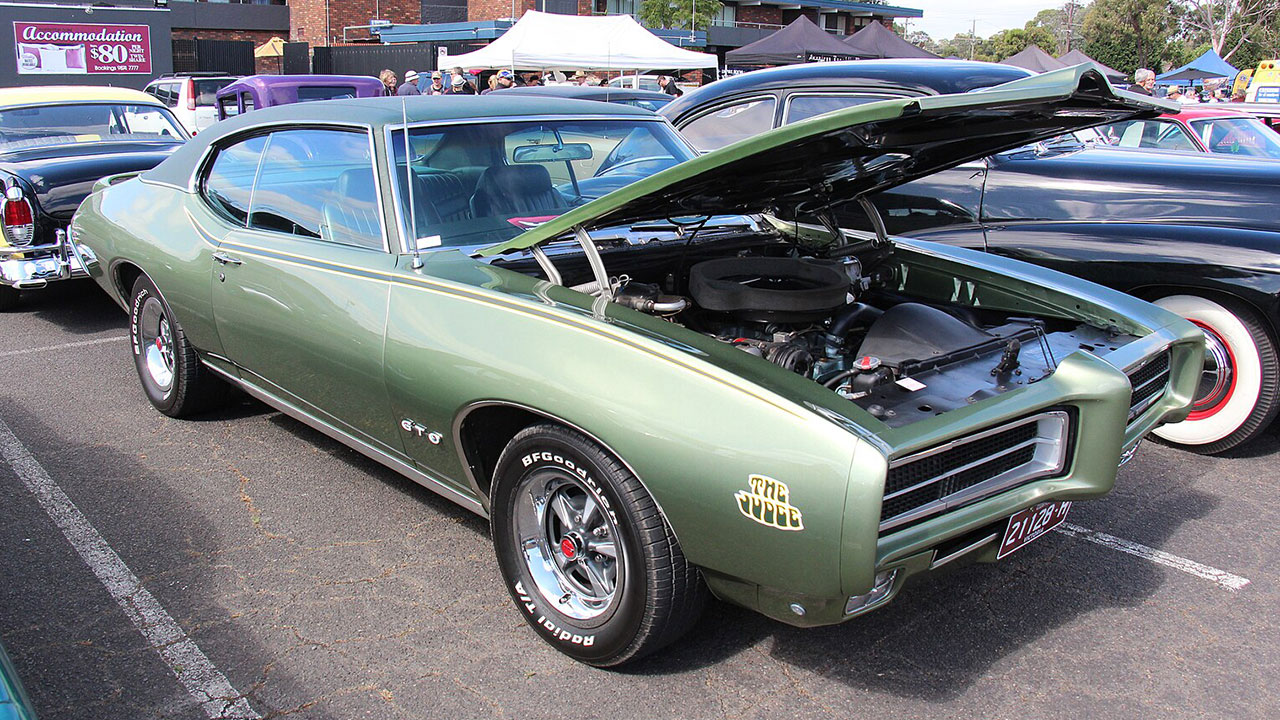
The Ram Air system, which was a defining feature of the engine, played a crucial role in its performance. By utilizing a functional hood scoop, the Ram Air IV was able to draw cooler, denser air directly into the engine. This not only improved combustion efficiency but also increased horsepower. The system’s design emphasized the importance of airflow in high-performance applications, setting a standard that many manufacturers would later adopt in their own engine designs.
Engineering Innovations
One of the standout features of the Ram Air IV engine is its distinctive design elements, particularly its cylinder heads and intake manifolds. The cylinder heads were designed with larger ports and valves, which allowed for greater airflow and improved performance at high RPMs. The intake manifold was also specifically engineered to accommodate the Ram Air system, ensuring that the engine received the maximum benefit from the colder air being funneled in. These engineering innovations contributed significantly to the engine’s reputation for power and reliability.
Exhaust systems also played a vital role in the Ram Air IV’s performance. The factory-installed exhaust headers were designed to minimize back pressure, allowing the engine to breathe more freely. This design not only enhanced performance but also produced a distinctive sound that became synonymous with Pontiac muscle cars. Additionally, the cooling systems incorporated into the Ram Air IV were tailored to manage the increased heat generated by the powerful engine, ensuring optimal performance and longevity during spirited driving or racing conditions.
Ram Air IV vs. Other Pontiac Engines
When comparing the Ram Air IV to earlier Ram Air models, such as the Ram Air I, II, and III, it becomes evident that the IV was a significant evolution in Pontiac’s performance philosophy. While the earlier models were powerful in their own right, the Ram Air IV introduced more advanced engineering and higher performance metrics that set it apart. For instance, the Ram Air III was rated at 366 horsepower, which was impressive but still lagged behind the IV’s capabilities.
Moreover, the Ram Air IV was not just a more powerful engine; it reflected a change in Pontiac’s approach to performance. The integration of advanced technologies and designs aimed at maximizing airflow and efficiency highlighted a shift towards a more race-oriented mindset. This evolution would influence Pontiac’s future offerings, particularly in the realm of performance vehicles, as they sought to maintain their competitive edge in a rapidly changing market.
Impact on Pontiac’s Image and Legacy
The Ram Air IV engine had a profound impact on Pontiac’s image during the muscle car era. It solidified the brand’s reputation as a manufacturer of high-performance vehicles, appealing to a demographic that valued speed and power. Pontiac’s marketing strategies prominently featured the Ram Air IV, showcasing it in advertisements and promotional materials that highlighted its racing pedigree and impressive specifications. This approach not only drew in enthusiasts but also helped to elevate Pontiac’s status as a performance brand in the eyes of the general public.
Despite its success, the legacy of the Ram Air IV also serves as a reminder of the challenges faced by the brand in the years to come. As emissions regulations tightened and consumer preferences shifted towards fuel efficiency, Pontiac’s performance offerings dwindled. The Ram Air IV remains a symbol of a bygone era, representing the peak of American muscle car engineering. Its influence is still felt today, as car enthusiasts and collectors seek to preserve its legacy and honor the performance standards it set.
Collectibility and Market Value
Today, Ram Air IV-equipped models are highly sought after by collectors and automotive enthusiasts. Factors influencing their market value include originality, condition, and the rarity of specific configurations. For instance, a 1969 Pontiac GTO Judge with the Ram Air IV engine can fetch prices well into the six-figure range at auctions, especially if it features matching numbers and original components. The demand for these vehicles has only increased as more collectors recognize their historical significance and engineering excellence.
Furthermore, the rarity of original components plays a significant role in the collectibility of Ram Air IV models. Many vehicles have been modified over the years, which can diminish their value. Original parts, such as carburetors, intake manifolds, and exhaust systems, are highly prized among collectors. Events like the GM Nationals, where enthusiasts gather to showcase their vehicles, often feature Ram Air IV models that exemplify the authenticity and performance of these classic engines. Details about such events can be found in resources like this article.
Ram Air IV in Popular Culture
The Ram Air IV engine has made notable appearances in popular culture, further cementing its status as an American icon. Films like “The Last Stand” and television shows such as “The Dukes of Hazzard” have featured Pontiac muscle cars equipped with powerful engines, showcasing their performance and style. The Ram Air IV has become synonymous with American automotive enthusiasm, representing a time when muscle cars ruled the roads and captured the hearts of many.
Testimonials from owners and enthusiasts frequently highlight the unique driving experience offered by the Ram Air IV engine. Many describe it as a thrilling combination of raw power and responsive handling, creating a connection between driver and machine that is hard to replicate in modern vehicles. This passion is reflected in online forums and clubs, where enthusiasts share their experiences and celebrate the legacy of the Ram Air IV, ensuring that its story continues to resonate with new generations of car lovers.
Maintenance and Restoration Tips
For those fortunate enough to own a Ram Air IV, maintaining its performance and authenticity is crucial. Common issues include wear on the engine components, exhaust leaks, and cooling system inefficiencies. Regular maintenance checks and timely replacements of worn parts can help preserve the engine’s performance. Additionally, sourcing original parts can be a challenge, but it’s essential for maintaining authenticity during restoration. Many owners turn to specialized suppliers and online marketplaces to find hard-to-locate components.
Restoring a Ram Air IV engine requires expert knowledge and a commitment to authenticity. While aftermarket options may offer performance benefits, they can detract from the original character of the engine. Engaging with restoration experts who understand the nuances of the Ram Air IV can help ensure that the vehicle retains its value and performance. Joining communities and forums dedicated to Pontiac enthusiasts can provide valuable insights and connections to resources for maintaining these iconic engines.
The Future of the Ram Air IV Legacy
Despite the passage of time, interest in the Ram Air IV continues to thrive within the classic car community. Enthusiasts often gather at shows and events to celebrate these vehicles, sharing knowledge and passion for the engineering feats accomplished by Pontiac. The enduring appeal of the Ram Air IV also inspires modern adaptations, with contemporary engine designs drawing on the principles of performance and efficiency established by this legendary engine.
As we look to the future, the Ram Air IV engine is likely to be remembered not just as a powerful piece of machinery but as a symbol of an era defined by American automotive innovation. Its legacy will continue to be celebrated by collectors and enthusiasts, ensuring that the spirit of the Ram Air IV lives on in the hearts of car lovers for generations to come.
More from Fast Lane Only