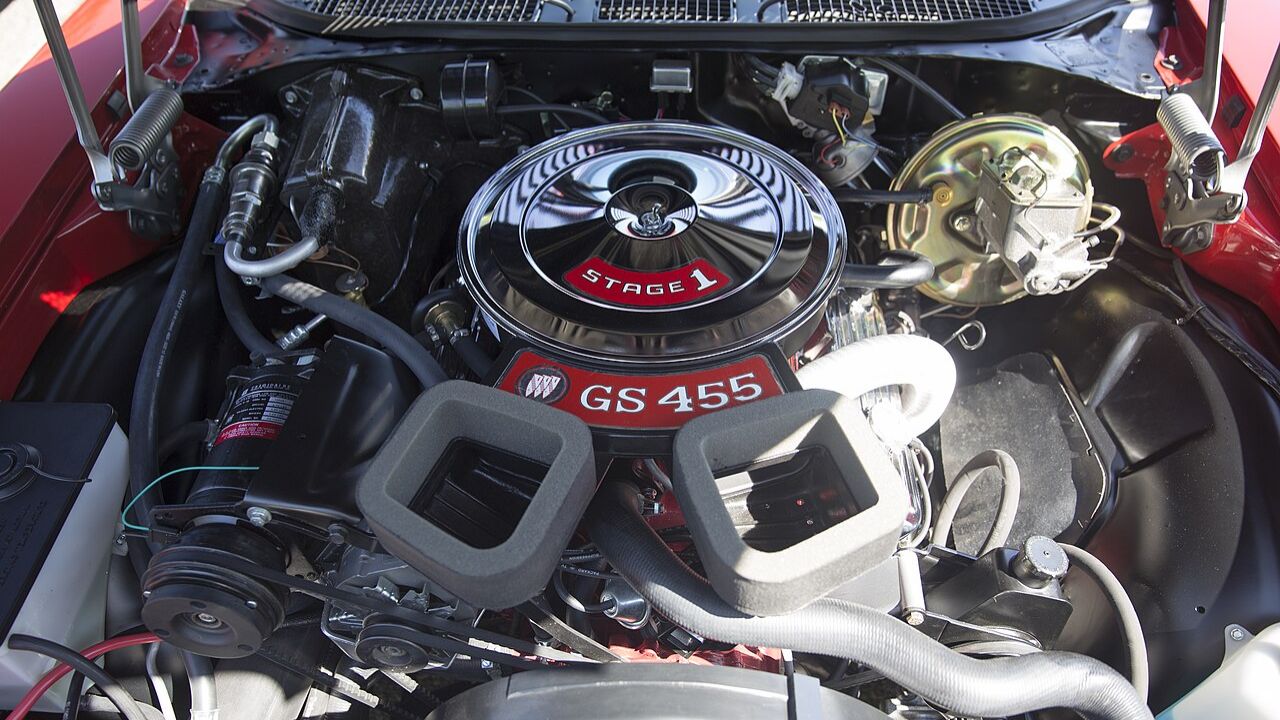
The Buick Stage 1 V8 engine has long been a hidden gem in the world of American muscle cars, often overshadowed by its more famous counterparts. However, its raw power and performance capabilities have surprised many enthusiasts, making it a significant part of automotive history.
Historical Context of the Buick Stage 1 V8
During the muscle car era of the 1960s and 1970s, Buick carved out a unique niche within the American automotive landscape. While brands like Ford and Chevrolet were busy establishing their iconic muscle car legacies, Buick offered a sophisticated alternative that combined luxury and performance. The introduction of the Stage 1 package in 1970 marked a pivotal moment for Buick, as it elevated the performance of their V8 engines to rival other heavyweights of the time.
The Stage 1 package was designed to enhance the already powerful 455 cubic inch V8 engine, pushing the limits of what Buick could achieve in the realm of muscle cars. Unlike the standard models, the Stage 1 featured modifications such as higher compression ratios, improved carburetion, and performance-tuned exhaust systems. This made it a formidable competitor against popular muscle cars like the Chevrolet Chevelle SS and Pontiac GTO, both of which dominated the streets during this golden age of American performance.
Technical Specifications of the Stage 1 V8
At the heart of the Stage 1 package is a 455 cubic inch (7.5-liter) V8 engine, which is renowned for its robust performance. With the Stage 1 modifications, this engine produced an impressive 360 horsepower and 510 lb-ft of torque, making it one of the most powerful engines of its time. The engine’s power delivery is characterized by a strong low-end torque, allowing for exhilarating acceleration that could easily challenge its contemporaries on the road.
One of the standout features of the Stage 1 V8 is its Rochester Quadrajet carburetor, which played a critical role in maximizing fuel delivery and optimizing performance. This four-barrel carburetor was known for its excellent throttle response and efficiency, contributing to the engine’s overall power output. Furthermore, the Stage 1’s unique exhaust system design helped reduce back pressure, enhancing horsepower and torque even further. These technical advancements set the Stage 1 V8 apart from standard Buick V8s and established it as a true performance engine.
Performance Capabilities and Real-World Testing
The performance metrics of the Buick Stage 1 V8 speak volumes about its capabilities. Real-world testing often showcases acceleration times that rivaled some of the most prominent muscle cars of the era. Reports from the time show that the Stage 1 could complete the quarter-mile in approximately 13.5 seconds, a remarkable feat for a stock vehicle in the early 1970s. This exceptional performance earned the Stage 1 a dedicated following among enthusiasts who appreciated its blend of power and drivability.
What truly sets the Stage 1 apart is its handling and comfort compared to its competitors. While muscle cars were often criticized for their rough rides and less-than-ideal handling, the Buick Stage 1 offered a more refined experience. Owners have noted that the suspension provided a balance between performance and comfort, making it suitable for both spirited driving and daily use. Anecdotes from Stage 1 owners highlight how this engine could deliver exhilarating on-road performance while also being a joy to drive during everyday activities.
Design and Engineering Highlights
The innovative design of the Buick Stage 1 V8 is a testament to the engineering prowess of its time. The engine features several enhancements that contribute to its performance, including improved airflow dynamics and a more aggressive camshaft profile. These modifications were aimed not just at increasing horsepower but also at providing a more engaging driving experience. The design team at Buick focused on creating an engine that could compete with the likes of the Chevrolet 454 and the Pontiac 400, and they succeeded in delivering a powerhouse that surprised many.
Additionally, the Rochester Quadrajet carburetor was not just a performance enhancement; it was a game-changer. This carburetor allowed for a smooth transition between power modes, enabling the driver to experience a seamless surge in performance when needed. The engine’s exhaust system, often overlooked, also played a crucial role in reducing back pressure, allowing the engine to breathe better and perform more efficiently. These engineering highlights contributed to the Stage 1’s reputation as a formidable muscle car engine and solidified its place in automotive history.
The Stage 1 V8’s Legacy and Cultural Impact
Today, the Buick Stage 1 V8 holds a revered status among collectors and enthusiasts. Its rarity and performance capabilities have made it a sought-after model in the classic car market. As muscle car culture continues to thrive, the Stage 1 has emerged as a symbol of Buick’s unique contribution to the genre, influencing later performance models and reshaping the brand’s identity. The impact of the Stage 1 V8 can be seen not only in car shows and collector events but also in the way it has been celebrated in popular culture.
Notable appearances in films and television have helped cement the Stage 1’s status in the automotive pantheon. From showcasing its power in classic car races to featuring it in iconic scenes, the Stage 1 has captured the imagination of both car enthusiasts and casual viewers alike. As the muscle car market continues to evolve, the Buick Stage 1 V8 remains a significant part of the conversation, representing the raw power and bold design that defined an era. For those interested in delving deeper into the cultural impact of muscle cars, resources like Popular Mechanics provide fascinating insights.
Common Modifications and Aftermarket Support
The Buick Stage 1 V8 has become a favorite among automotive enthusiasts looking to customize and enhance their vehicles. Popular modifications include upgrading the exhaust system, installing high-performance camshafts, and enhancing the carburetor setup. Many owners also opt for performance headers and improved ignition systems to further boost the engine’s power output. These modifications not only improve performance but also personalize the vehicle, allowing owners to tailor it to their driving preferences.
Fortunately, there is a robust aftermarket support network for Stage 1 owners. Numerous suppliers offer parts specifically designed for the Stage 1 engine, making it easier to find components for restoration or performance upgrades. Community events, such as the annual Buick GS Nationals, provide opportunities for enthusiasts to connect, share tips, and showcase their vehicles. These gatherings celebrate the legacy of the Buick Stage 1 and allow owners to exchange knowledge about the best ways to maintain and enhance their engines.
Maintenance and Care for the Stage 1 V8
Maintaining a Buick Stage 1 V8 requires attention to detail and a commitment to preserving its performance. Regular oil changes using high-quality synthetic oil are crucial for keeping the engine running smoothly. It’s also essential to check and replace spark plugs, air filters, and fuel filters periodically to ensure optimal performance. Many owners recommend using premium fuel to maximize the engine’s capabilities, especially when driving enthusiastically.
Common issues that Stage 1 owners might face include carburetor tuning problems and exhaust leaks. Troubleshooting these issues often involves fine-tuning the carburetor settings to achieve the best air-fuel mixture. Additionally, inspecting exhaust gaskets and connections can prevent leaks that could reduce performance. For those looking for expert advice on maintaining classic muscle cars, resources like ProQuest provide invaluable information on best practices and maintenance tips for classic engines.
The Future of the Buick Stage 1 V8
As the interest in classic muscle cars continues to grow, the Buick Stage 1 V8 finds itself in a unique position within the collector market. Current trends indicate that values for well-preserved and restored Stage 1 models are on the rise, reflecting a renewed appreciation for American muscle. For collectors, investing in a Stage 1 V8 not only offers the thrill of owning a piece of automotive history but also the potential for financial appreciation.
Looking ahead, there is potential for the Stage 1 V8 to inspire future developments in automotive engineering. As manufacturers increasingly explore ways to merge classic design with modern technology, the principles behind the Stage 1’s performance could inform new approaches to engine design. The legacy of the Buick Stage 1 V8 continues to resonate, ensuring that its impact on the muscle car culture will endure for generations to come. For further reading on muscle car restoration trends, consider checking out this insightful article on Emerald.
More from Fast Lane Only