T-tops, a unique automotive feature, have left an indelible mark on the landscape of American performance cars. Their journey from innovative design to iconic status reveals much about the evolution of car culture. Join me as I trace the rich history of T-tops, exploring their inception, rise to popularity, and eventual decline.
The Birth of T-tops
The concept of T-tops originated in the mid-1960s as automotive designers sought to combine the open-air freedom of convertibles with the structural integrity of hardtops. The challenge was immense: engineers had to develop a removable roof design that didn’t compromise the car’s rigidity. This led to the creation of a T-shaped roof bar, which provided the necessary support and gave this feature its distinctive name.
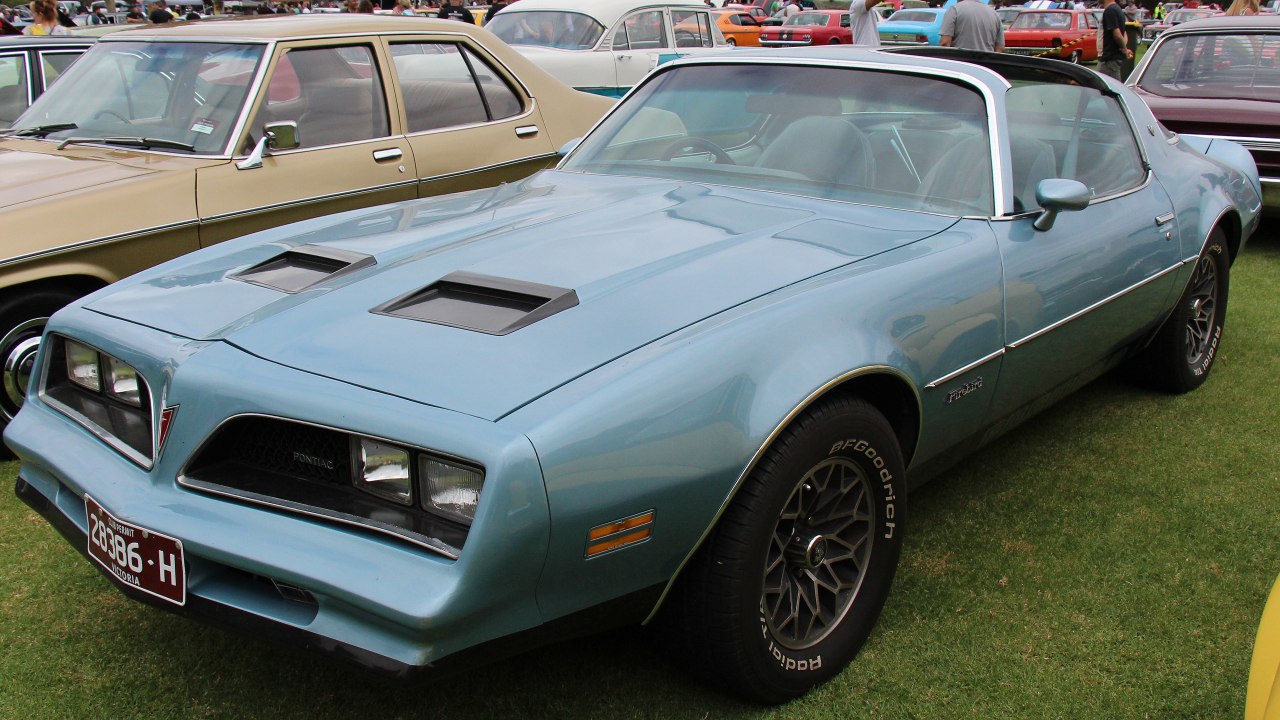
Pontiac was among the first to capitalize on this innovation. In 1968, the Pontiac Firebird became one of the pioneering models to offer T-tops as an option. This introduction was met with intrigue and excitement. Enthusiasts appreciated the novelty of removing roof panels while maintaining a semblance of the coupe’s original form. The reception was positive, though some critics raised concerns about potential leaks and structural weaknesses.
The Golden Era of T-tops
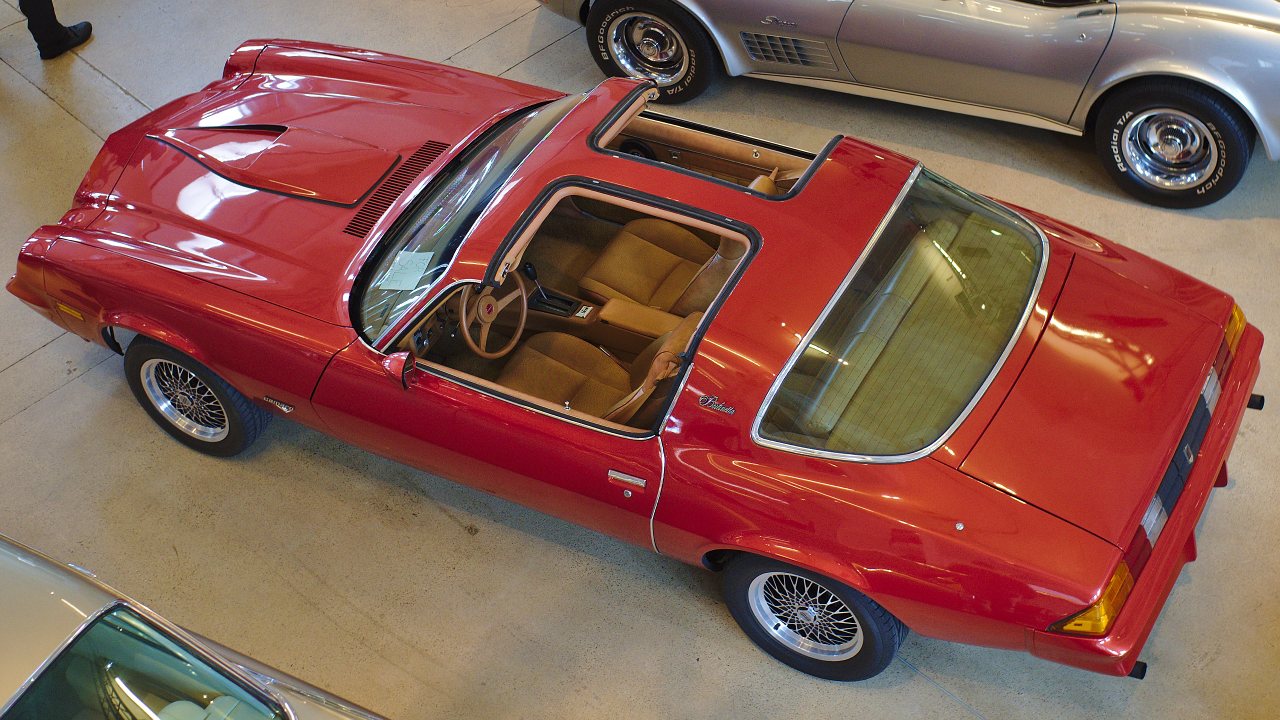
The 1970s and 1980s marked the golden era of T-tops. Several factors contributed to their surge in popularity. As emissions regulations tightened, manufacturers turned to aesthetic features to enhance the appeal of their cars. T-tops, offering a sense of freedom and sportiness, fit this strategy perfectly. They quickly became synonymous with American muscle and performance cars, appealing to a generation eager for style and individuality.
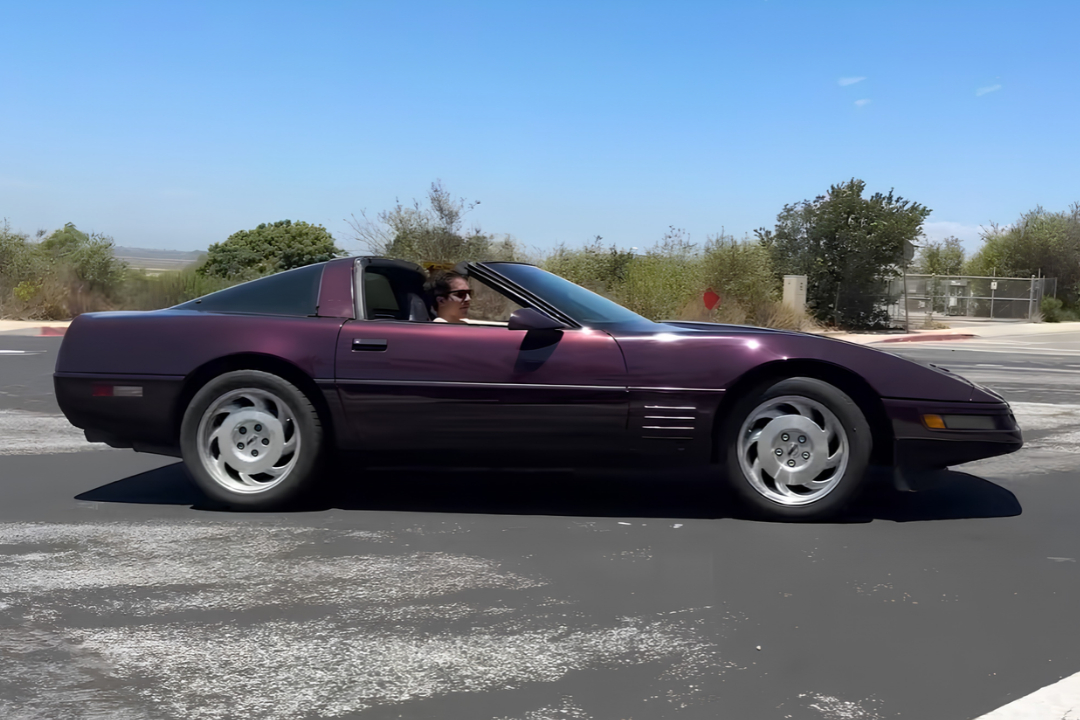
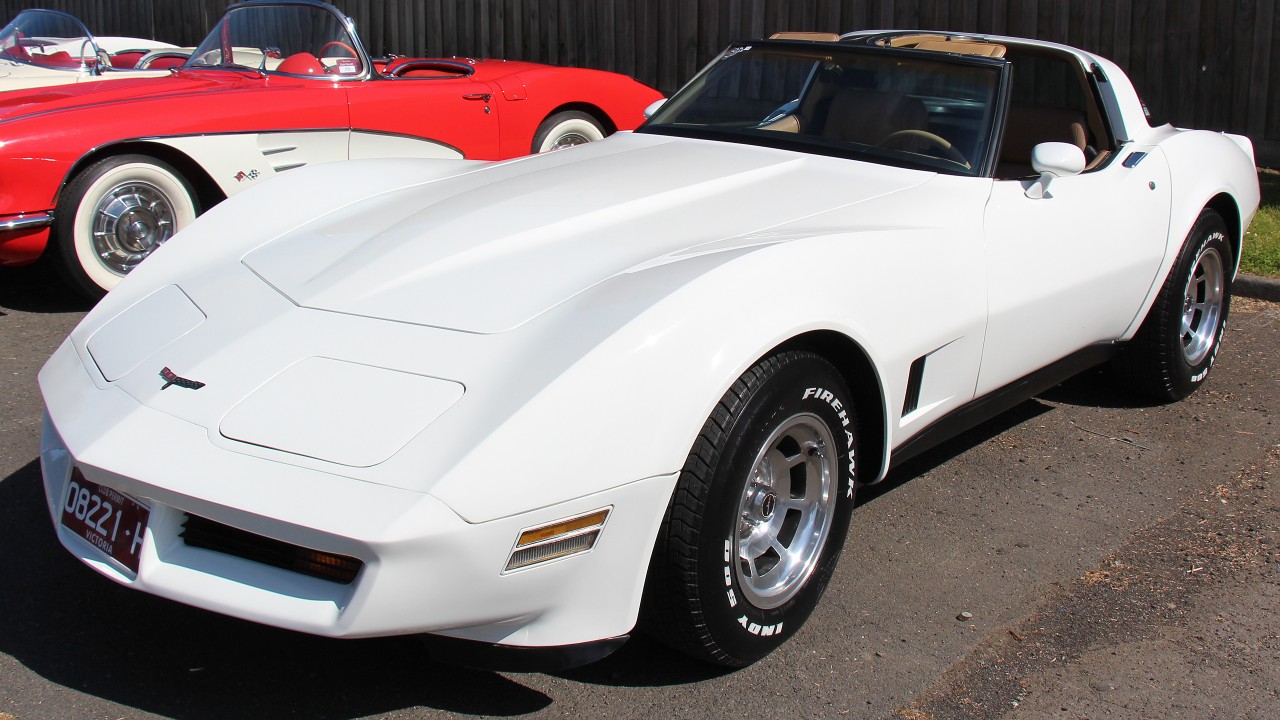
During this period, iconic models like the Chevrolet Camaro and Ford Mustang embraced the T-top design. In 1976, the Chevrolet Corvette also adopted T-tops, further cementing their status in the performance car world. These models weren’t just cars; they were symbols of a lifestyle. The open-air experience combined with the roaring engines encapsulated the essence of American car culture. T-tops became more than a design choice; they were a cultural phenomenon, representing freedom and rebellion.
Engineering and Design Challenges
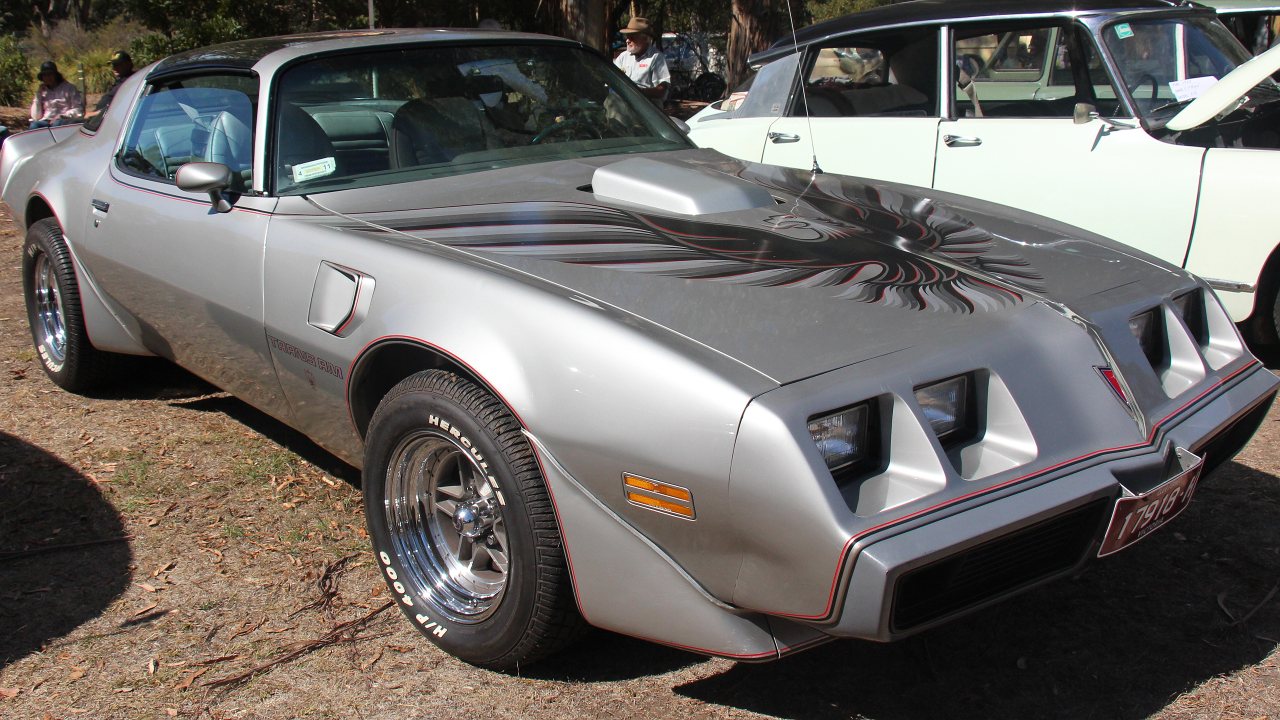
Despite their popularity, T-tops were not without their engineering challenges. One primary concern was maintaining the structural integrity of the vehicle. The removal of roof sections inherently weakened the car’s body, requiring additional reinforcements. Manufacturers often used heavier materials or added structural beams to compensate, which sometimes affected performance and fuel efficiency.
Weatherproofing was another significant hurdle. Ensuring that T-tops were leak-proof proved difficult, especially in older models. Many owners reported issues with water seeping through the seals, leading to interior damage and discomfort. Over time, manufacturers improved sealing technologies, but early models often suffered from these shortcomings.
Safety was also a concern, particularly with the advent of stricter automotive safety regulations. The removable panels posed a risk in rollover accidents, as they lacked the protective framework of a standard roof. This led to increased scrutiny and eventually contributed to the decline of T-tops as safety standards evolved.
The Decline of T-tops
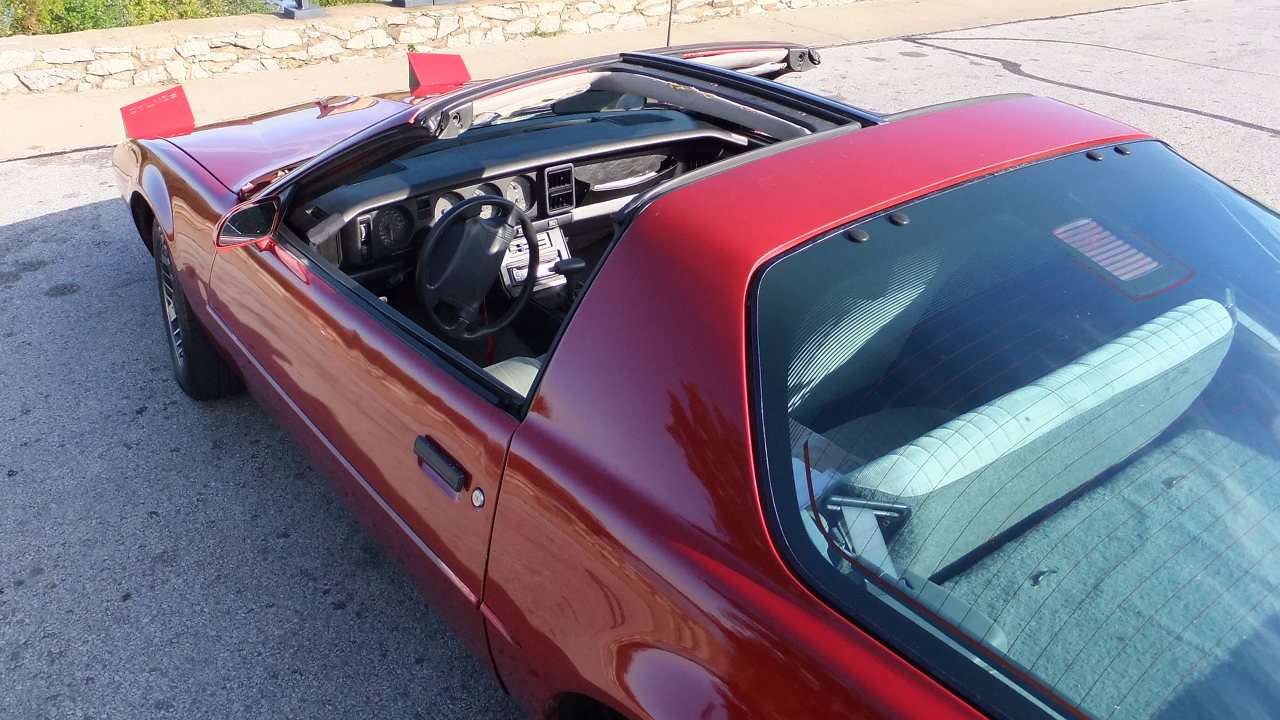
As the 1990s approached, consumer preferences began to shift. The allure of T-tops started to wane as new automotive technologies emerged. Sunroofs and panoramic glass roofs offered similar open-air experiences without the drawbacks associated with removable panels. These alternatives were more convenient and often provided better weatherproofing and safety features.
Market competition also played a crucial role in the decline of T-tops. Convertibles, with their full open-air experience, regained popularity, overshadowing the partial openness of T-tops. By the late 1990s, the demand for T-tops had significantly decreased, leading manufacturers to phase them out. The 2002 Chevrolet Camaro and Pontiac Firebird were among the last American performance cars to feature T-tops, marking the end of an era.
Legacy of T-tops
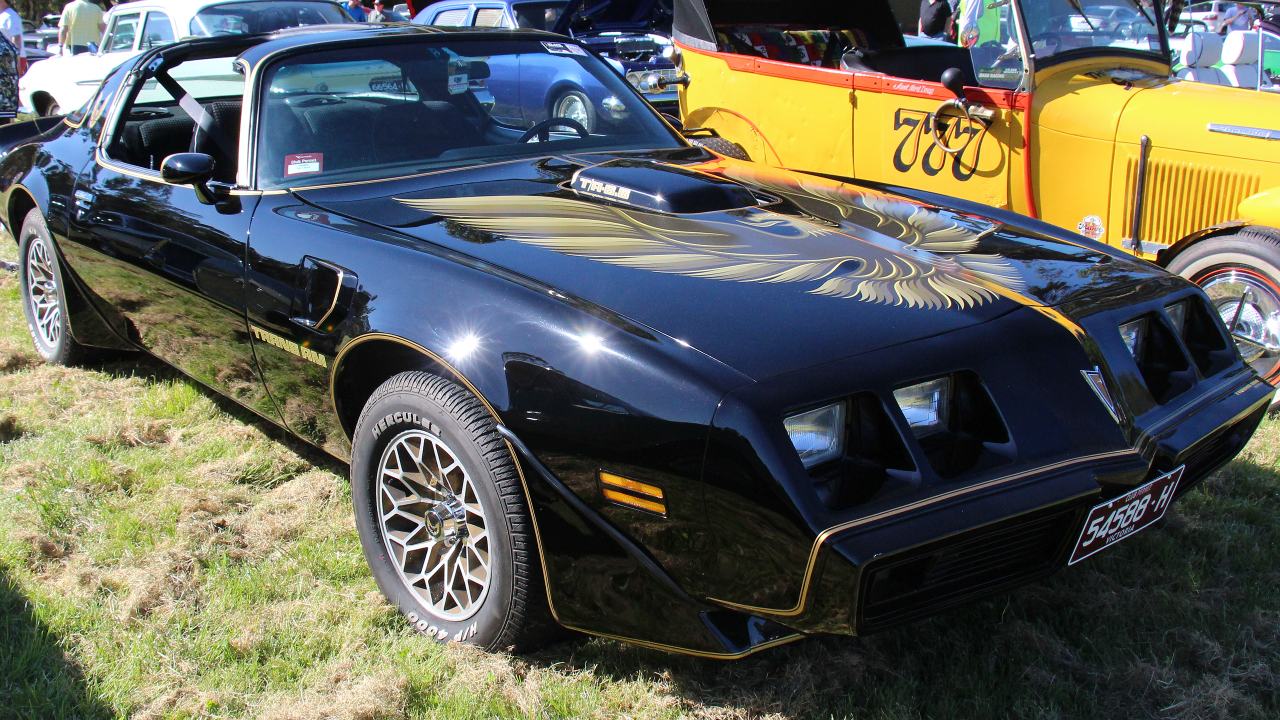
Despite their decline in mainstream production, T-tops have retained a nostalgic appeal among car enthusiasts and collectors. These vehicles are often sought after in the classic car market, with well-maintained models fetching high prices. Enthusiasts appreciate the unique driving experience and the historical significance of T-tops, keeping the legacy alive.
In terms of influence, T-tops have inspired modern automotive designs and innovations. While the exact design may not have made a comeback, the idea of offering customizable open-air experiences continues to resonate. Contemporary vehicles with removable or retractable roof sections owe some of their design philosophies to the pioneering spirit of T-tops.
In recent years, there has been a resurgence of interest in classic car communities. Car shows and events dedicated to vehicles from the 1970s and 1980s often feature T-top models prominently. This renewed interest underscores the enduring impact of T-tops on car culture and their role as a symbol of a bygone era of automotive innovation and style.
Like Fast Lane Only’s content? Be sure to follow us.
Here’s more from us:
*Created with AI assistance and editor review.