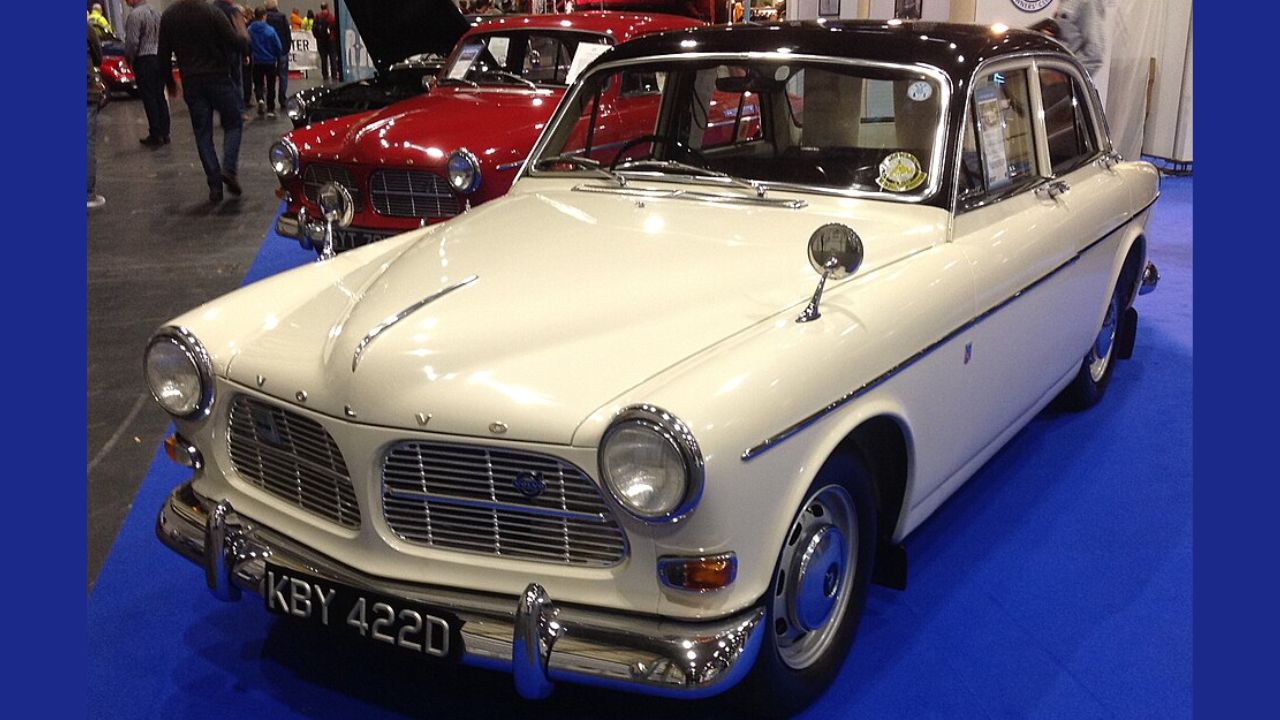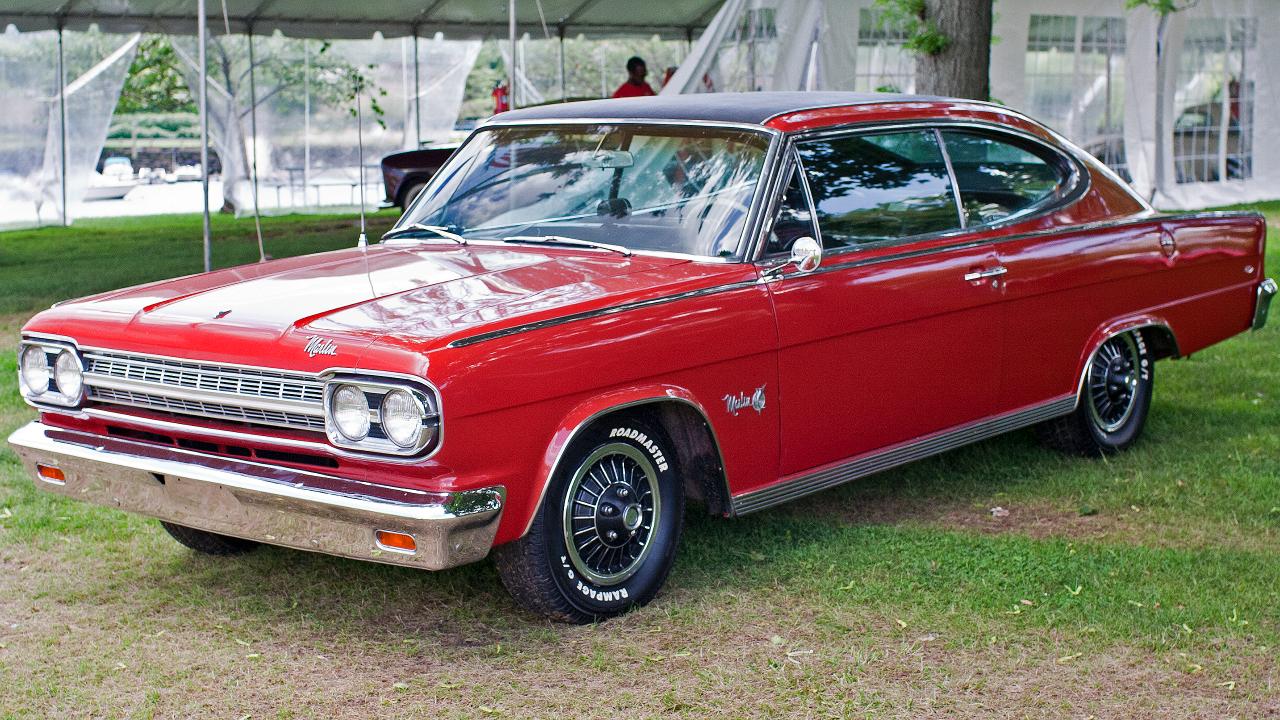
The 1960s marked a transformative era in automotive design, characterized by bold experimentation and the emergence of fastback styling. This sleek, aerodynamic design captivated car enthusiasts and influenced the trajectory of automobile aesthetics. The rise of fastback styling during this decade was driven by a blend of technological advancements, cultural shifts, and competitive market pressures.
The Origins of Fastback Design
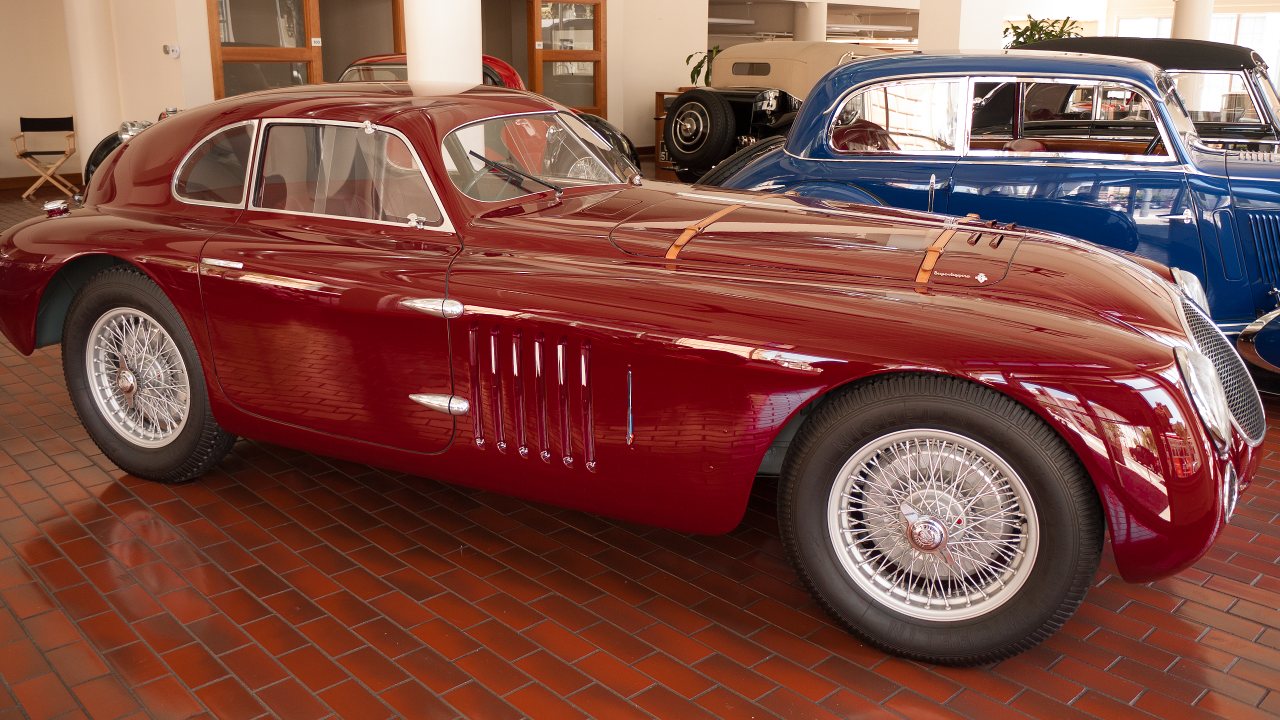
The roots of fastback design can be traced back to European car manufacturers of the 1930s and 1940s, who laid the groundwork for what would become a defining trend in automotive styling. Brands like Alfa Romeo, with its streamlined models such as the 6C 2500, began experimenting with more aerodynamic shapes, driven by the desire to improve performance and efficiency. This period saw the introduction of teardrop-shaped cars that prioritized airflow management, setting the stage for the fastback revolution of the 1960s.
Aerodynamics played a pivotal role in shaping the fastback design ethos. Engineers and designers of the time sought to reduce drag to enhance speed and fuel efficiency, leading to the development of streamlined silhouettes. These efforts were not in vain, as the pursuit of improved performance was a significant motivator behind the fastback’s sleek shape. The transition from niche experiments to mainstream production was facilitated by technological advancements and changing consumer preferences, which increasingly favored cars with dynamic and futuristic appearances.
By the time the 1960s rolled around, several factors converged to propel fastback styling into the automotive spotlight. The burgeoning youth culture, a growing fascination with speed, and the competitive nature of the car industry all contributed to making fastbacks desirable. As automakers sought to capture the imaginations of younger consumers, they adopted bold fastback designs that encapsulated the spirit of innovation and rebellion. This shift reflected a broader cultural movement towards individuality and modernity, positioning fastback cars as a symbol of progress and aspiration.
Iconic Fastback Models of the 1960s
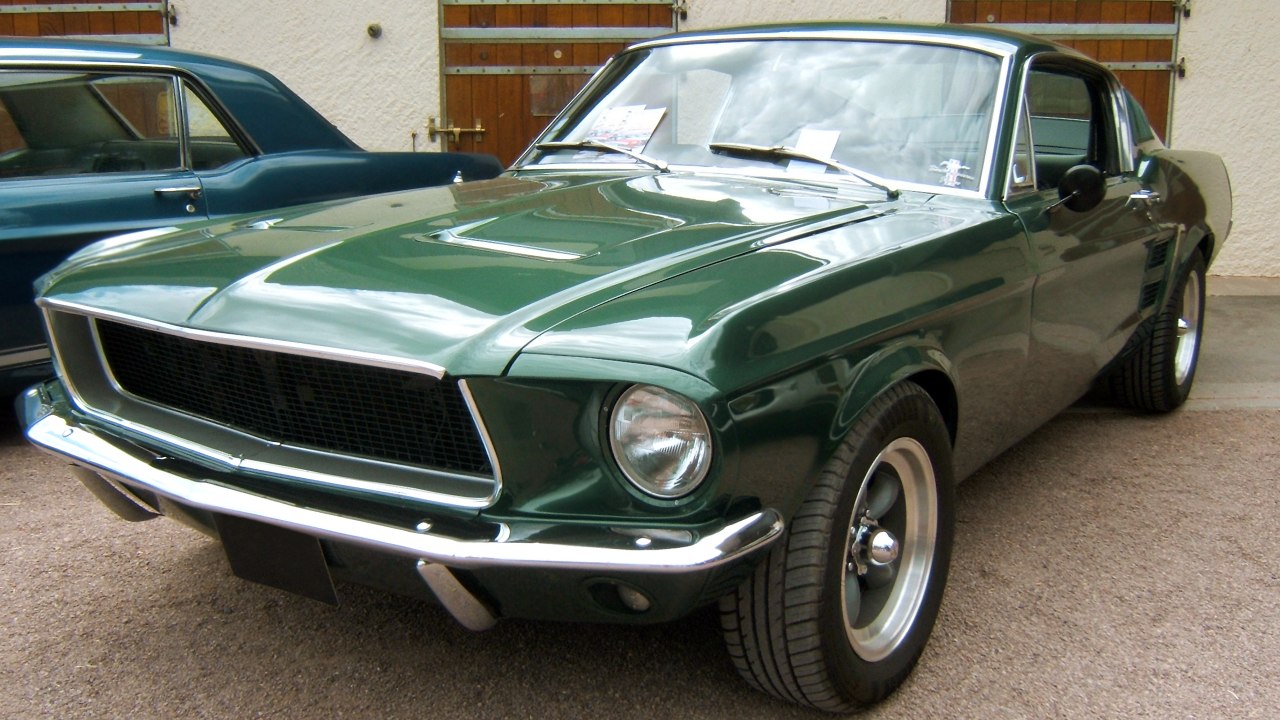
The 1960s saw the emergence of several iconic fastback models that left an indelible mark on automotive history. One of the most notable examples is the 1965 Ford Mustang Fastback, which quickly became a symbol of American innovation and style. The Mustang’s distinctive profile, featuring a sloping roofline and aggressive stance, captured the imagination of car enthusiasts and solidified its status as a cultural icon. The Mustang not only epitomized the fastback aesthetic but also demonstrated the commercial viability of such designs in the American market.
The competitive landscape of the era also included the Chevrolet Camaro, which was introduced in 1966 as a direct rival to the Mustang. The Camaro’s fastback-inspired design, complete with a long hood and short rear deck, highlighted the intense design arms race among American manufacturers. This rivalry spurred innovation, as companies sought to outdo each other with increasingly daring and stylish models. The fastback trend was not limited to American shores, as European manufacturers like Jaguar and Porsche contributed to its global popularity with models like the Jaguar E-Type and the Porsche 911. These cars showcased the versatility and appeal of fastback styling, influencing designs across continents and automotive segments.
Technological Advancements and Design Innovations
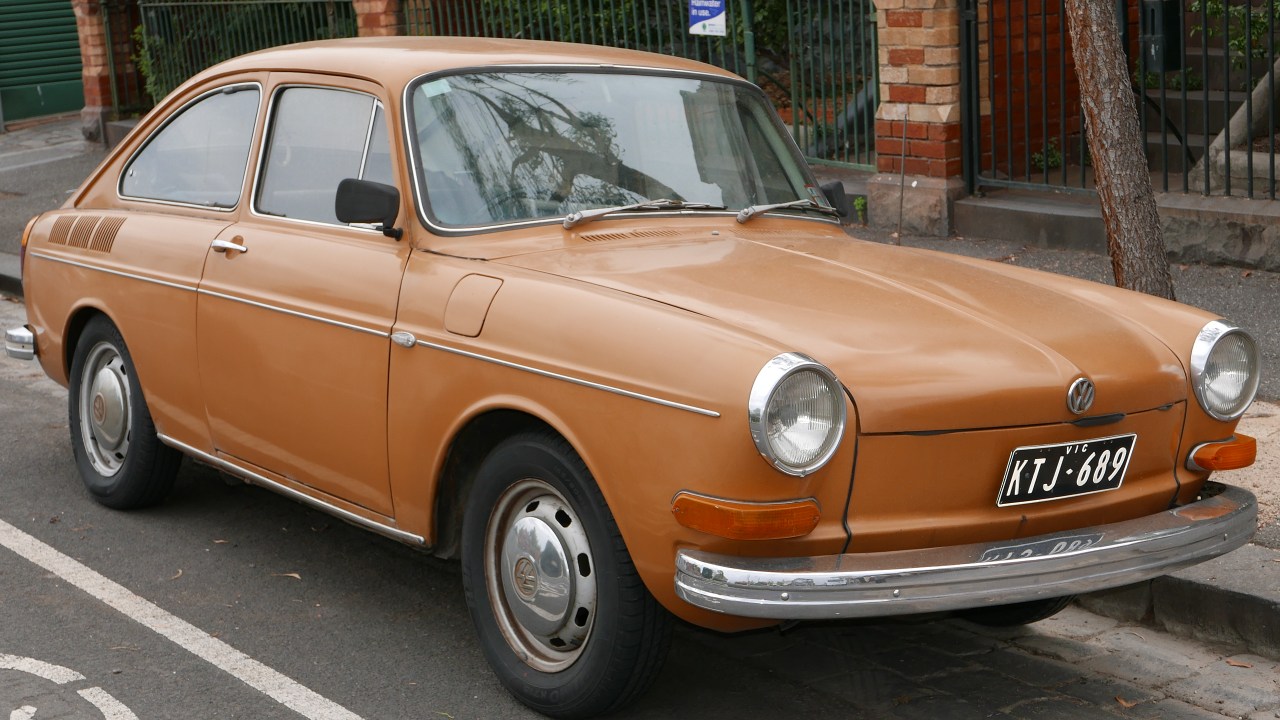
The rise of fastback styling in the 1960s was supported by significant technological advancements and design innovations. New materials and manufacturing techniques played a crucial role in enabling more daring and aerodynamic designs. The use of lightweight materials such as fiberglass and advanced alloys allowed designers to create sleeker, more dynamic shapes without sacrificing structural integrity. These materials facilitated the development of fastback designs that were not only aesthetically pleasing but also performance-oriented.
Engineering breakthroughs in engine and suspension technologies further supported the fastback form. Enhanced engine performance and improved suspension systems allowed for better handling and increased speed, making fastbacks a compelling choice for both manufacturers and consumers. The integration of these technologies with fastback designs underscored the commitment to delivering cars that were as functional as they were stylish. The era also saw the blending of fastback elements with other design trends, such as the rise of muscle cars and sports cars, which further diversified the automotive landscape.
Cultural Impact and Popularity
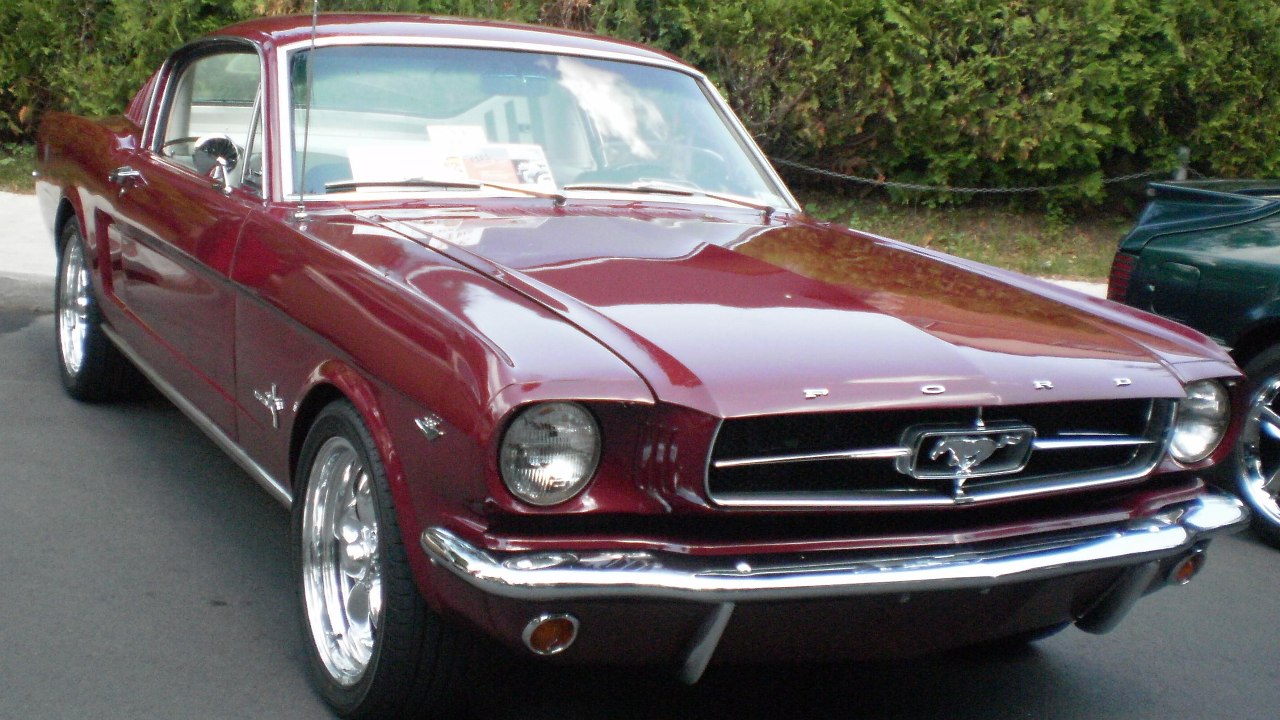
The cultural impact of fastback cars during the 1960s cannot be overstated. Fastbacks quickly became a staple in popular media, appearing in movies, television shows, and advertising campaigns that celebrated their sleek and modern image. Films like “Bullitt,” featuring Steve McQueen and the iconic Ford Mustang Fastback, helped cement the fastback’s place in popular culture. The car’s presence in media reinforced its status as a symbol of coolness and rebellion, resonating with audiences and elevating its desirability.
Youth culture, particularly the Baby Boomer generation, played a pivotal role in shaping the fastback’s popularity. As cars became more than just a means of transportation, they emerged as symbols of personal identity and aspiration. Fastbacks, with their futuristic designs and performance capabilities, embodied the spirit of freedom and adventure that appealed to young consumers. The automotive industry responded by tailoring production and marketing strategies to cater to this burgeoning market, further fueling the fastback craze.
Legacy and Influence on Future Designs
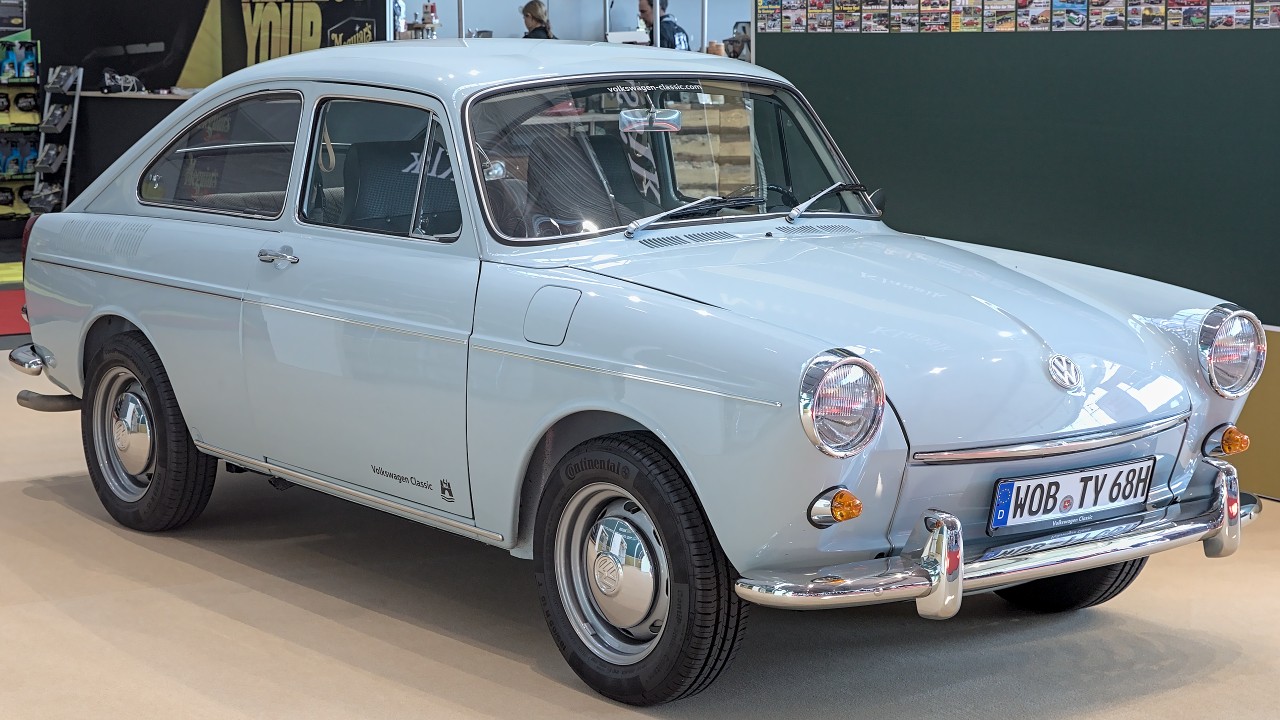
The enduring appeal of fastback styling is evident in its lasting influence on automotive design. Decades after its initial rise, the fastback aesthetic continues to captivate car enthusiasts and designers alike. Modern car models often draw inspiration from the sleek lines and aerodynamic shapes of their 1960s predecessors, demonstrating the timelessness of the fastback design. This enduring legacy highlights the fastback’s ability to adapt and evolve, maintaining its relevance in a constantly changing automotive landscape.
The impact of 1960s fastback styling extended into subsequent decades, shaping the design language of the 1970s and 1980s. The influence of fastbacks can be seen in a variety of car models from these eras, as manufacturers continued to explore the balance between form and function. The resurgence of retro design in recent years has also seen contemporary manufacturers revisit fastback styling, incorporating classic elements into modern vehicles. This nostalgic appeal underscores the fastback’s significance as a cultural and design milestone, inspiring new generations of car enthusiasts and designers.
Like Fast Lane Only’s content? Be sure to follow us.
Here’s more from us:
*Created with AI assistance and editor review.