Classic cars hold a special allure for enthusiasts and collectors, often appreciated for their historical significance, design, and craftsmanship. However, determining their value can be complex, with mileage playing a crucial role. Understanding how mileage impacts classic car values involves examining various factors that influence buyers and sellers in the classic car market.
The Importance of Mileage in Classic Car Valuation
When assessing the value of a classic car, historical significance and rarity often stand in contrast to mileage. For instance, a 1963 Ferrari 250 GTO, known for its scarcity and racing pedigree, may still command high prices despite higher mileage due to its unique history. However, for less rare models, high mileage can significantly detract from perceived value. The key is understanding how these elements interplay, where mileage can either enhance or diminish a car’s allure.
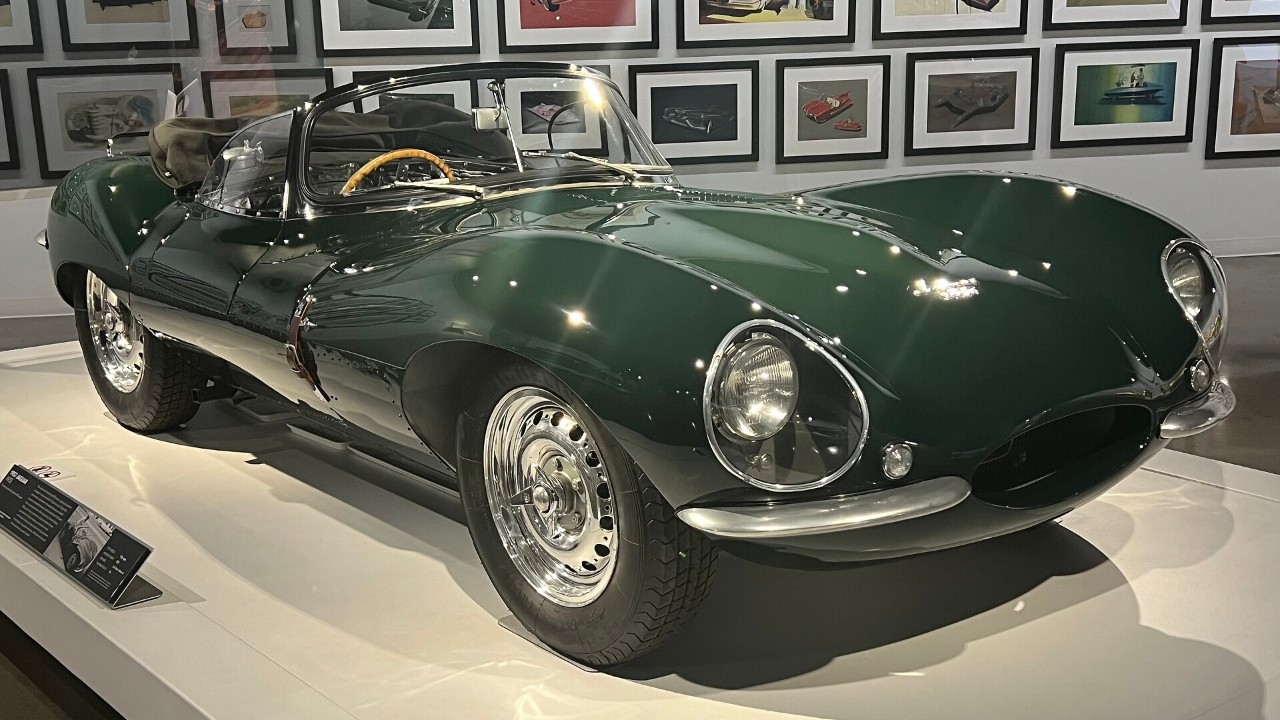
Mileage also plays a crucial role in buyer perception. Many potential buyers view lower mileage as indicative of less wear and tear, equating this with better overall condition and longevity. This perception can lead to a psychological impact where buyers may be willing to pay more for a low-mileage car. For example, a 1971 Jaguar E-Type with only 20,000 miles might fetch a premium price compared to one with 100,000 miles, as buyers often associate fewer miles with superior quality.
The premium on low-mileage vehicles is a common phenomenon in the classic car market. Cars like the 1987 Buick Grand National GNX, with exceptionally low miles, can see their value skyrocket due to the rarity of such specimens in pristine condition. Collectors often prioritize these vehicles, willing to invest significant sums to secure a car that not only offers rarity but also minimal usage, promising a closer experience to its original state.
Mileage vs. Condition: A Delicate Balance
The relationship between mileage and a classic car’s condition is nuanced. A well-maintained high-mileage vehicle, such as a 1965 Ford Mustang, might compete favorably with its low-mileage counterparts if it has been properly cared for. Regular maintenance and careful use can preserve many aspects of a car’s performance and aesthetics, enabling high-mileage cars to remain competitive in the market.
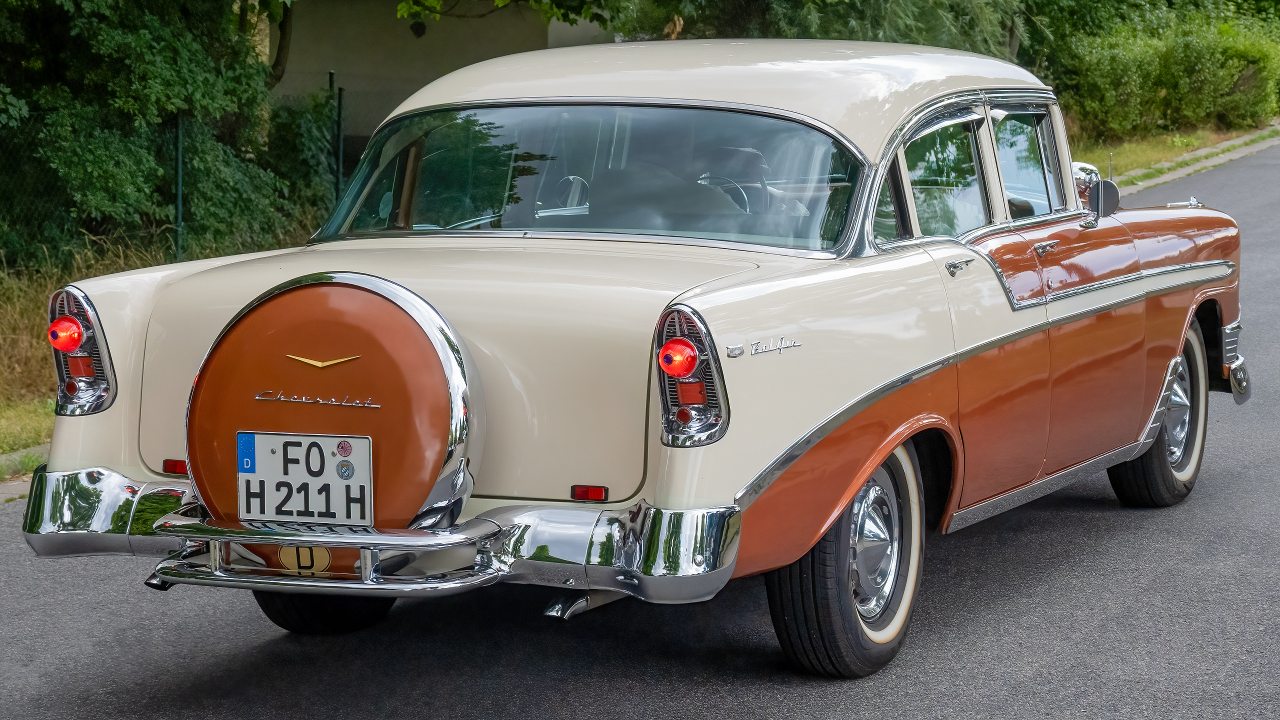
Restorations further complicate the mileage equation. A restored 1957 Chevrolet Bel Air with high mileage may still appeal to buyers if the restoration is thorough and well-documented. Conversely, an original vehicle with low mileage might attract purists who value authenticity. Documented service history becomes particularly important here. Detailed maintenance records can offset the negative impact of high mileage, as they demonstrate consistent care and attention, reassuring buyers of the vehicle’s reliability.
Documentation is invaluable in the classic car market, especially for high-mileage vehicles. A 1969 Porsche 911 with comprehensive service records can command a higher price despite its mileage. Buyers are often more willing to overlook higher miles if they have confidence in the car’s maintenance history, knowing that it has been kept in optimal condition throughout its life.
Market Trends and Buyer Preferences
Collector priorities have evolved, with modern buyers often weighing mileage against factors such as provenance and originality. A 1973 BMW 3.0 CSL might attract collectors who prioritize its racing history over low mileage. This shift reflects a broader trend where historical significance and authenticity can eclipse mileage concerns, especially for iconic models.
Regional and demographic variations also play a role in how mileage is valued. In regions like Europe, where classic cars are often used for leisurely drives, buyers might be less deterred by higher mileage compared to markets like the United States, where low mileage is often prioritized. Additionally, younger buyers might place less emphasis on mileage, focusing more on the car’s story and uniqueness, while older buyers might still adhere to traditional valuation metrics.
Buyer motivation is a critical factor in determining the importance of mileage. Investment-focused buyers might prioritize low-mileage vehicles, anticipating higher returns on resale. In contrast, enthusiasts purchasing for enjoyment might overlook mileage in favor of the driving experience and personal satisfaction. This diversity in buyer goals means that no single valuation metric can be universally applied, as preferences vary widely across the market.

Case Studies: Mileage Impact on Specific Models
Examining specific models reveals how mileage impacts value. The 1964 Aston Martin DB5, famously associated with James Bond, often sees its value influenced by documented mileage. Cars with low mileage and a verifiable history can command astronomical prices, leveraging their historical connections and condition.
However, there are high-mileage success stories as well. A 1985 Mercedes-Benz 300SL with substantial mileage might still attract a premium if it boasts unique provenance, such as celebrity ownership or participation in notable events. These cars demonstrate that high mileage does not automatically diminish value if other compelling factors are present.
Conversely, low-mileage disappointments occur when expected value projections are unmet. A 1989 Mazda RX-7 with minimal miles might not see a significant value increase if market demand for that model is low or if newer models overshadow its appeal. These scenarios illustrate that while low mileage is often advantageous, it is not a guarantee of higher value, highlighting the intricate dynamics of the classic car market.
Strategies for Sellers and Buyers
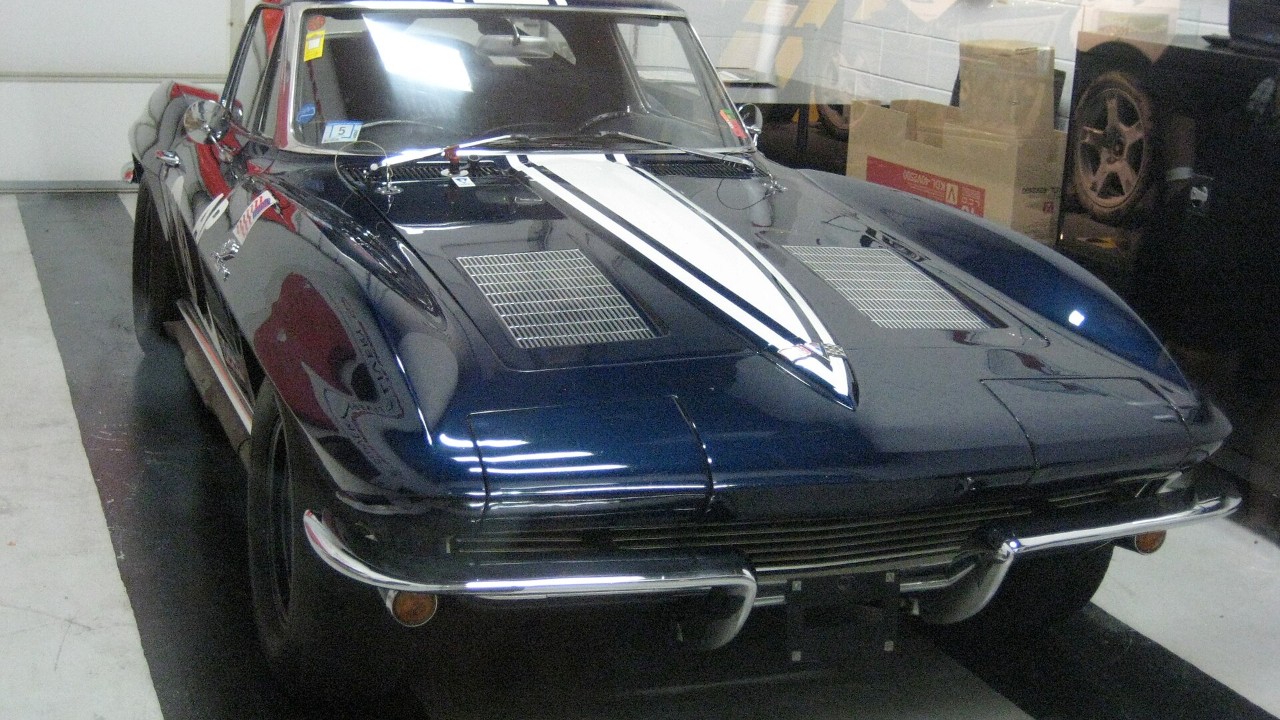
Sellers of high-mileage vehicles should focus on highlighting their car’s strengths, emphasizing maintenance and unique features. A 1972 Chevrolet Corvette with 120,000 miles might still appeal to buyers if the seller provides a thorough history of its care and any upgrades or restorations undertaken. Transparency and detailed information can help mitigate mileage concerns.
Buyers should consider several factors when evaluating mileage. Beyond just the number on the odometer, examining service records, restoration work, and overall condition are crucial steps. A 1990 Nissan 300ZX with high mileage but meticulous care might still be a worthwhile purchase if it fits the buyer’s preferences and goals.
Professional appraisals play a significant role in understanding mileage impact. Expert evaluations provide an objective assessment of a vehicle’s condition and market positioning, offering valuable insights for both buyers and sellers. For instance, an appraisal of a 1978 Toyota Land Cruiser can clarify how its 200,000 miles weigh against its restoration quality and historical significance, ensuring informed decision-making.