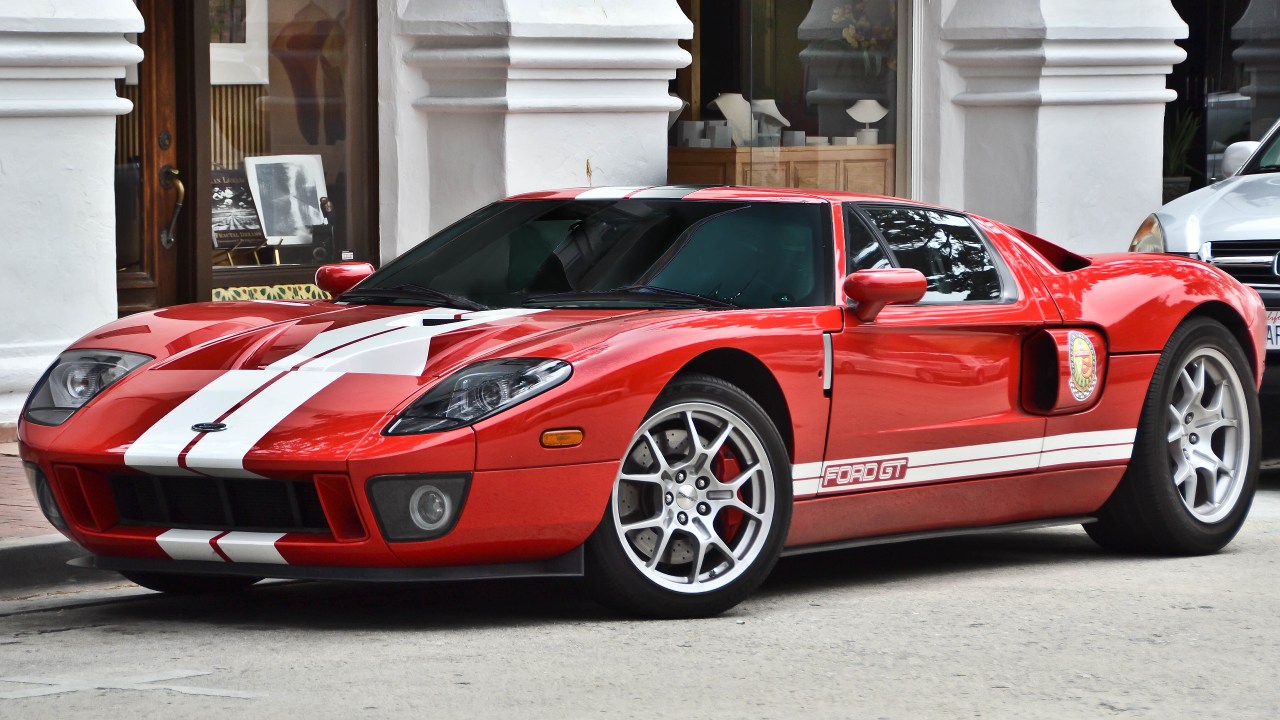
Motorsport has long been a testing ground for automotive innovation, pushing the boundaries of speed, efficiency, and safety. The lessons learned on the racetrack often find their way into the design and technology of street cars, influencing everything from aerodynamics to materials used. This piece explores the profound impact motorsport has on the evolution of consumer vehicles.
The Evolution of Automotive Technology
Aerodynamics and Design

Racing has significantly contributed to the understanding and application of aerodynamics in automotive design. Innovations like spoilers and diffusers, initially developed to improve race car stability at high speeds, have been adapted for street cars to enhance fuel efficiency and handling. The 1999 Honda Insight, for example, was one of the first production vehicles to incorporate aerodynamic principles from motorsport, featuring a streamlined body and rear-wheel covers to reduce drag.
Wind tunnel testing, a staple in race car development, has also played a crucial role in the design of modern street cars. Manufacturers such as Porsche and Ferrari utilize wind tunnels to refine the aerodynamics of their high-performance models, ensuring optimal airflow and reduced resistance. This technology has enabled automakers to design vehicles that are not only faster but also more fuel-efficient and environmentally friendly.
Materials and Manufacturing
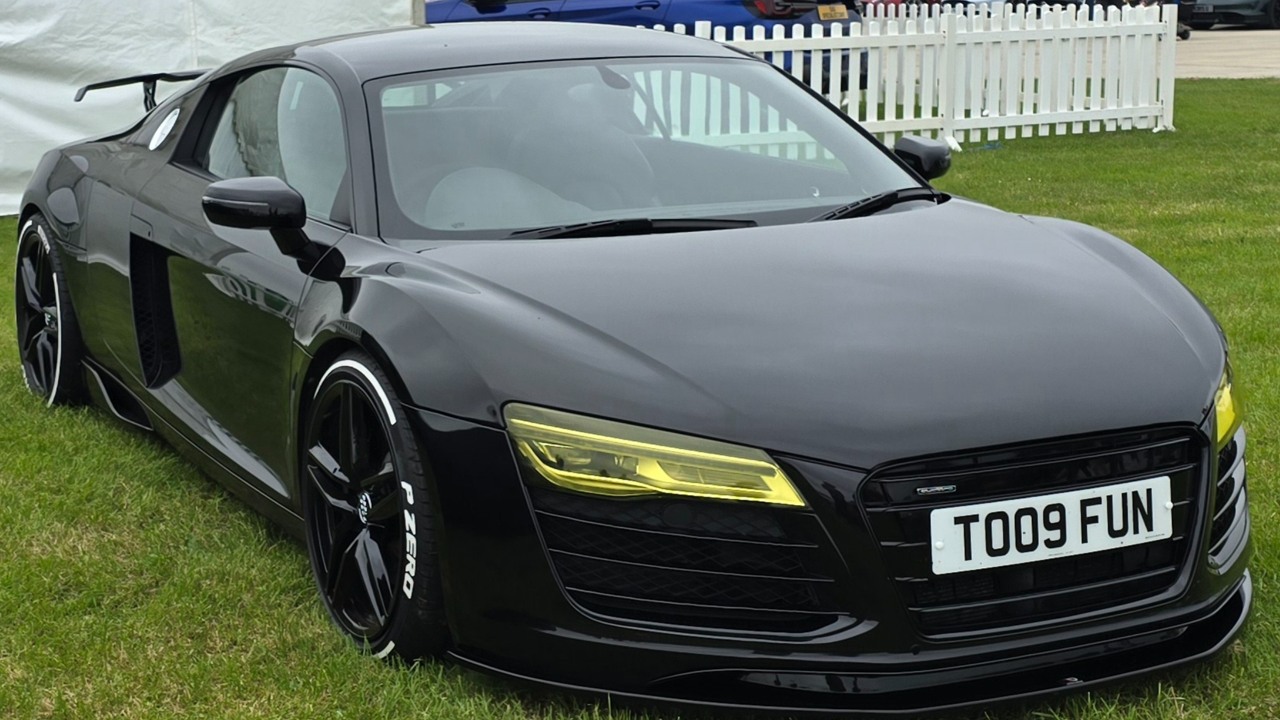
The use of lightweight materials like carbon fiber and aluminum is another area where motorsport has heavily influenced street car design. Carbon fiber, prized for its strength-to-weight ratio, was first introduced in Formula 1 cars in the early 1980s. It has since made its way into consumer vehicles, with models like the BMW i3 and Audi R8 utilizing carbon fiber components to enhance performance and efficiency.
Motorsport has also driven advancements in manufacturing techniques, such as precision engineering and production line automation. The meticulous craftsmanship required in building race cars has set new standards for quality and accuracy in the automotive industry. Techniques like CNC machining and 3D printing, initially developed for racing applications, are now common in the production of both high-performance and everyday vehicles.
Safety Innovations from Track to Road
Crash Testing and Safety Features

Safety innovations in motorsport have had a profound impact on street car design. Features such as roll cages and crumple zones, designed to protect drivers in high-speed crashes, have been integrated into consumer vehicles to enhance occupant safety. The Volvo XC90, for instance, incorporates advanced crumple zone technology, inspired by motorsport, to absorb impact energy and reduce injury risk.
Helmet technology advancements in racing have also influenced automotive safety systems. Innovations such as energy-absorbing materials and improved helmet design have translated into better head protection features in street cars, including more effective airbag systems and reinforced roof structures.
Driver Assistance Technologies
Advanced driver assistance systems (ADAS) have roots in motorsport, where technologies like traction control and anti-lock braking systems (ABS) were first developed. These systems, designed to optimize vehicle performance and safety on the track, are now standard features in many consumer vehicles. The Mercedes-Benz S-Class, for example, offers a suite of ADAS features, including adaptive cruise control and lane-keeping assistance, enhancing both safety and convenience for everyday drivers.
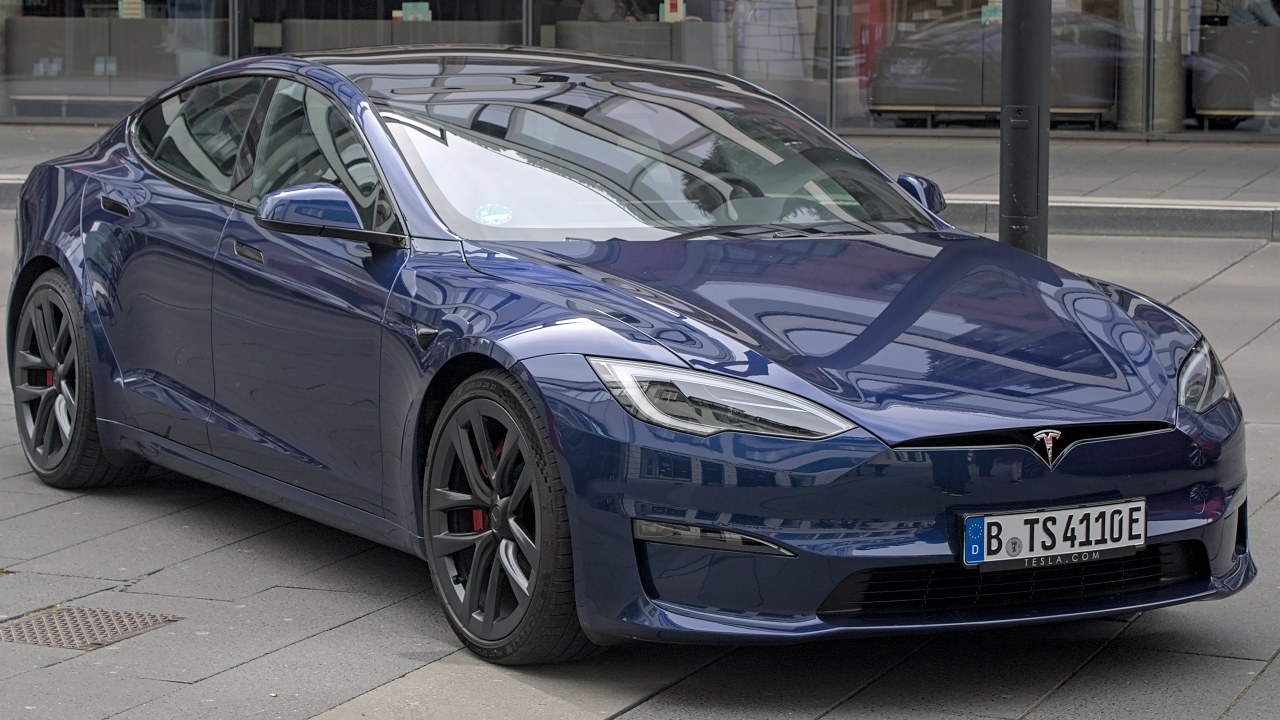
Telemetry and real-time data analysis, crucial for racing strategies, have also influenced consumer vehicle diagnostics. Modern cars, such as the Tesla Model S, use sensors and software to monitor vehicle performance, providing drivers with real-time feedback and predictive maintenance alerts, ensuring optimal functionality and safety.
Performance Enhancements and Engine Technology
Powertrain Innovations
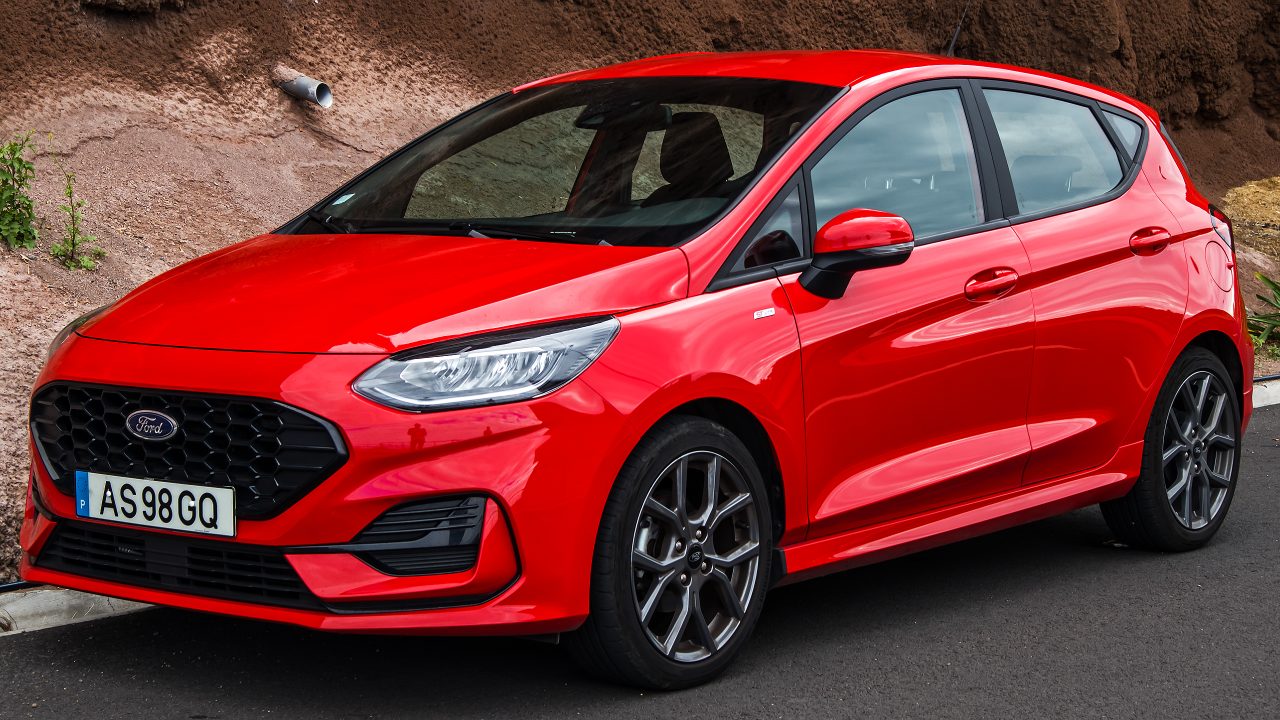
Motorsport has been a catalyst for innovations in powertrain technology, with race car engines paving the way for advancements in street car design. Turbocharging, originally developed for Formula 1, has become a common feature in performance-oriented consumer vehicles. The Ford Fiesta ST, for instance, boasts a turbocharged engine that delivers impressive power and efficiency.
Hybrid and electric powertrains, initially tested in racing series like Formula E, are increasingly integrated into commercial vehicles. The Porsche 918 Spyder, a plug-in hybrid supercar, exemplifies how motorsport technology can be adapted for high-performance street use, offering both speed and reduced emissions.
Suspension and Handling
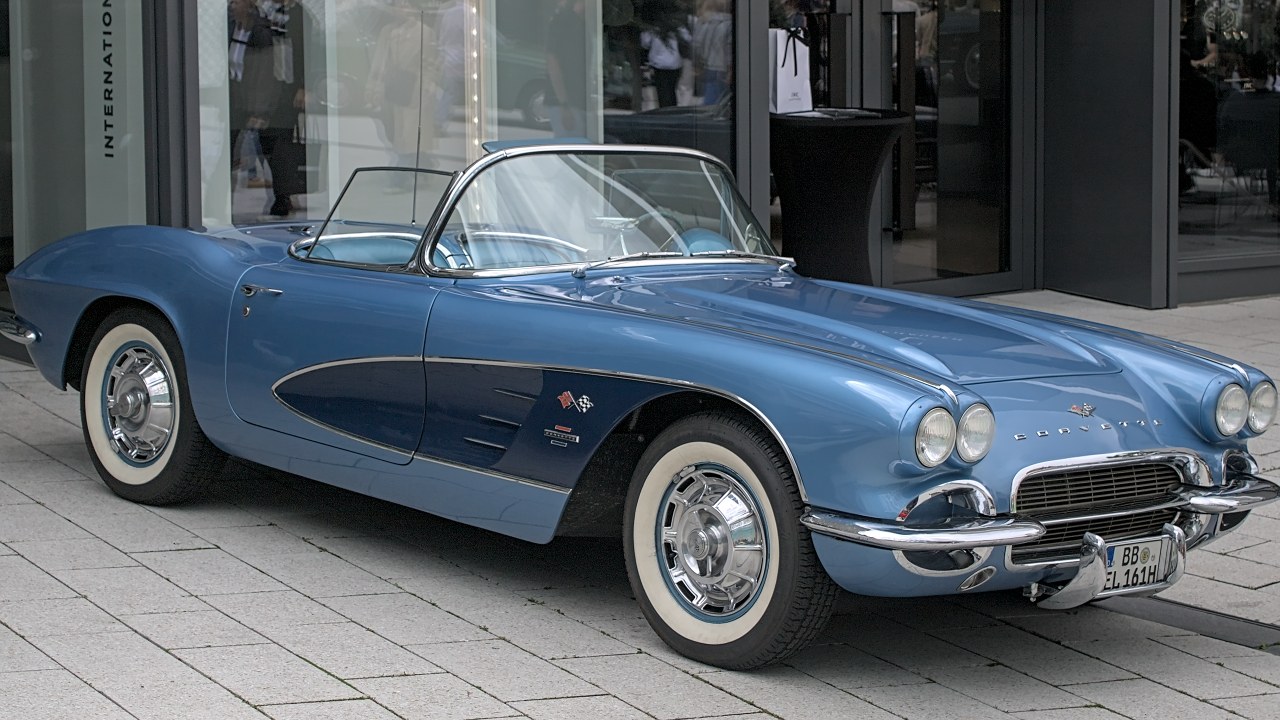
Advancements in suspension systems, such as active suspension and adaptive damping, have significantly improved the handling of street cars. Technologies developed for racing, like the Magnetic Ride Control system in the Chevrolet Corvette, adjust shock absorber settings in real-time, providing a smoother and more responsive driving experience.
Tire technology, honed in the high-stakes environment of motorsport, has also enhanced consumer tire performance and safety. The development of tires with improved grip and durability, as seen in the Michelin Pilot Sport series, ensures better handling and safety for everyday drivers, regardless of road conditions.
Motorsport’s Role in Shaping Future Automotive Trends
Sustainability and Green Racing
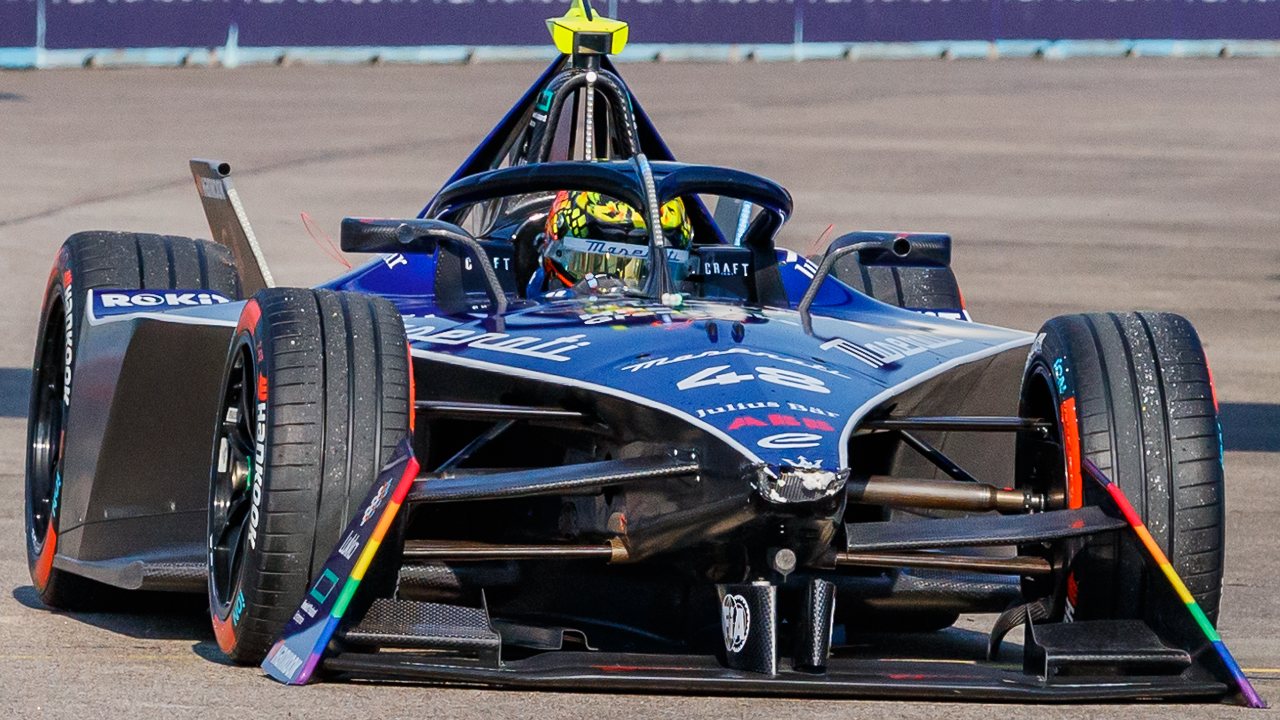
Motorsport’s shift towards sustainability is driving innovation in eco-friendly street car designs. Initiatives like Formula E and hybrid racing have encouraged automakers to develop cleaner, more efficient technologies. Electric vehicles, such as the Nissan Leaf, benefit from advancements in battery technology and energy management systems, initially tested in the racing arena.
Regulations and standards in motorsport, aimed at reducing environmental impact, have influenced the automotive industry’s focus on sustainability. These efforts encourage the development of vehicles that not only perform well but also adhere to stringent emissions standards, paving the way for a greener future.
The Influence of Racing Culture

The popularity of motorsport influences consumer preferences and trends in car design. Racing culture has inspired sporty aesthetics and performance branding in models like the Subaru WRX and Ford Mustang, appealing to enthusiasts seeking a connection to the racetrack in their everyday vehicles.
Motorsport fosters a culture of innovation and competition that drives the automotive industry forward. The relentless pursuit of speed, efficiency, and safety on the track inspires automakers to push the boundaries of what is possible, resulting in vehicles that are not only technologically advanced but also exciting to drive.
Like Fast Lane Only’s content? Be sure to follow us.
Here’s more from us:
*Created with AI assistance and editor review.