Hot rods have left an indelible mark on automotive history, evolving from post-war curiosities into enduring symbols of creativity and freedom. Their journey from the fringes of the automotive world to a celebrated cornerstone of car culture is a multifaceted story. By tracing their historical roots, cultural significance, and ongoing evolution, we can understand why hot rods continue to captivate enthusiasts around the globe.
The Historical Roots of Hot Rods
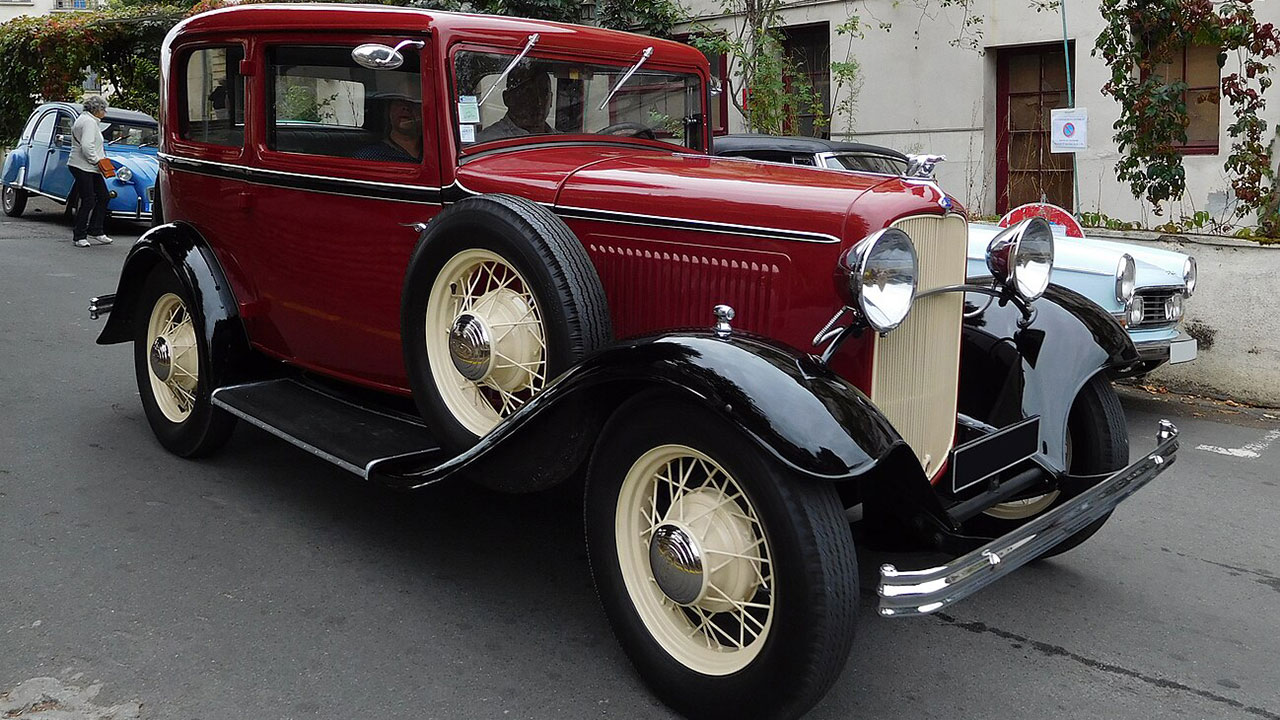
The origins of hot rods can be traced back to the post-war era, specifically the late 1940s and 1950s, when returning soldiers sought to channel their mechanical skills and adventurous spirit into modifying cars. These veterans, having been exposed to advanced technologies and engineering practices during the war, began to strip down and rebuild old cars, often using surplus military parts to boost performance. This movement marked the birth of hot rodding as a popular automotive pastime.
During this period, the influence of early racing culture, particularly drag racing, played a crucial role in popularizing hot rods. The pursuit of speed and the desire to push the limits of automotive performance were at the heart of this cultural shift. Events such as the first organized drag races on dry lake beds in California attracted thousands of spectators and participants, solidifying the hot rod’s image as a symbol of speed and innovation. As the sport gained momentum, so did the aesthetic and mechanical evolution of hot rods, with enthusiasts continually seeking to improve their designs and performance.
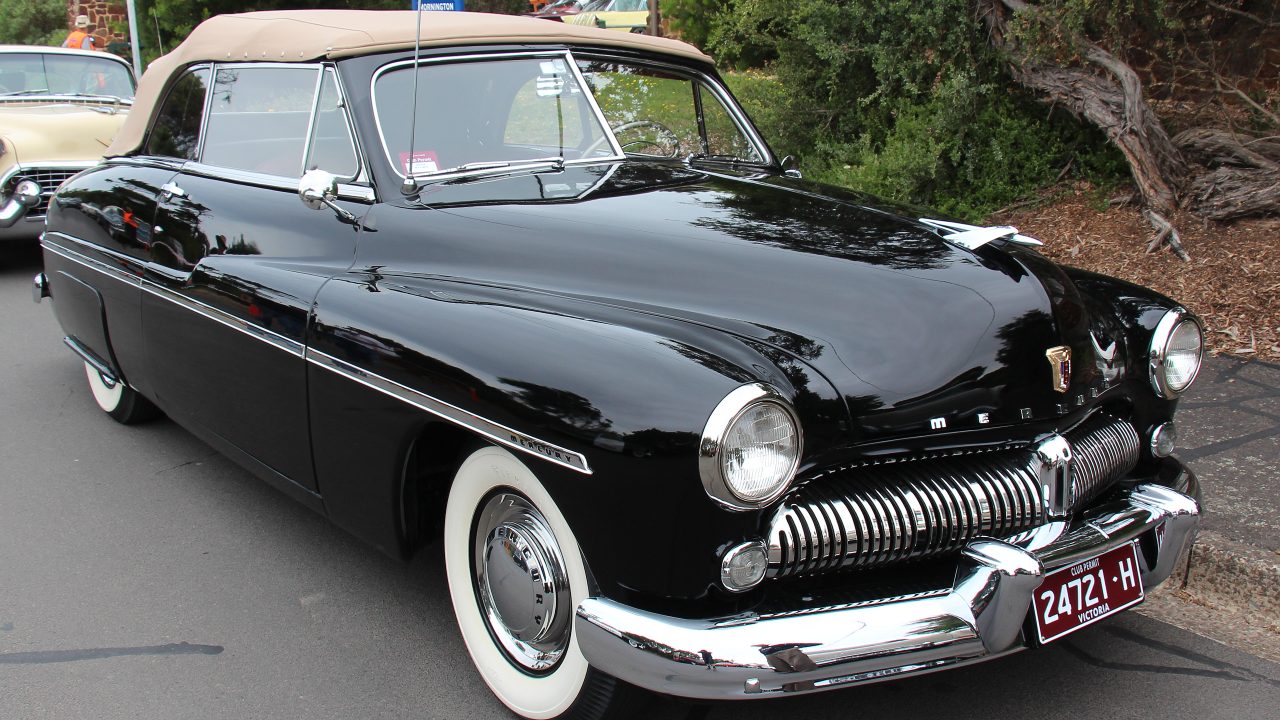
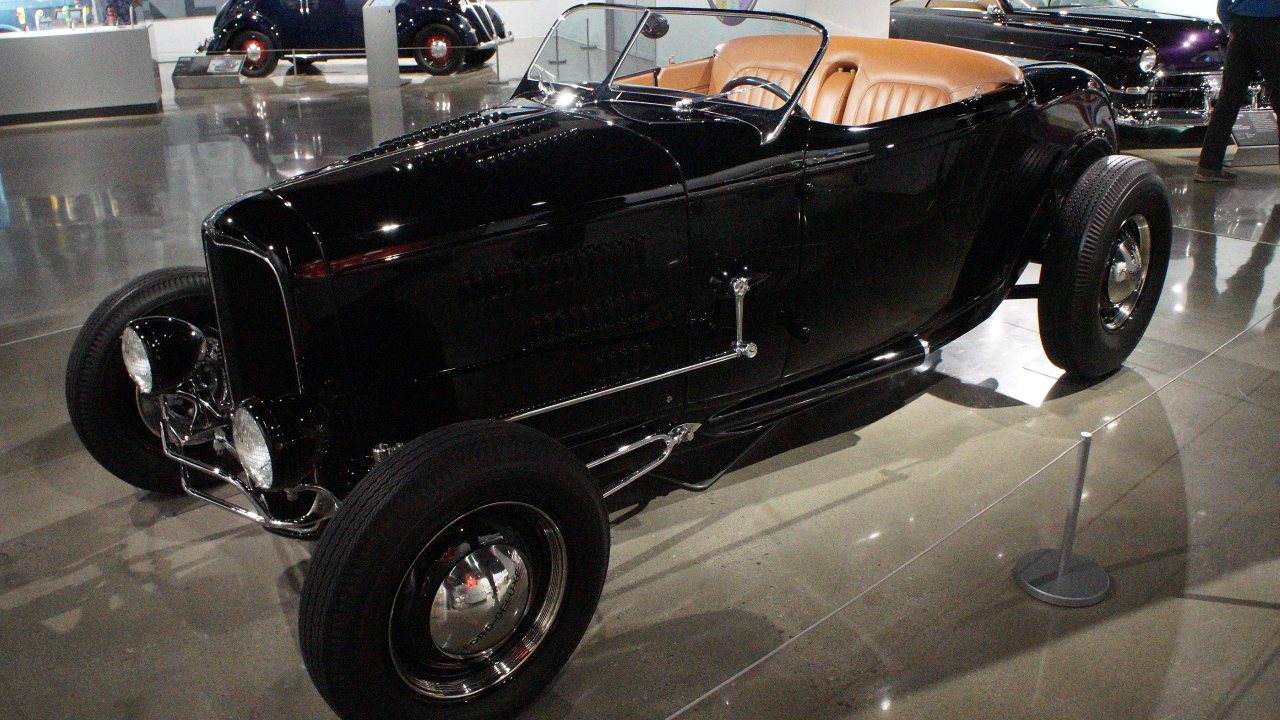
The evolution of hot rod design is a testament to the creativity and ingenuity of the community. From the early days of stripped-down roadsters like the 1932 Ford Model B to the sleek, high-performance machines of today, hot rods have undergone significant transformations. Modern interpretations often incorporate cutting-edge technology and materials while maintaining the classic lines and spirit of their predecessors. This fusion of old and new keeps the hot rod tradition alive and relevant in contemporary car culture.
Cultural Significance and Symbolism
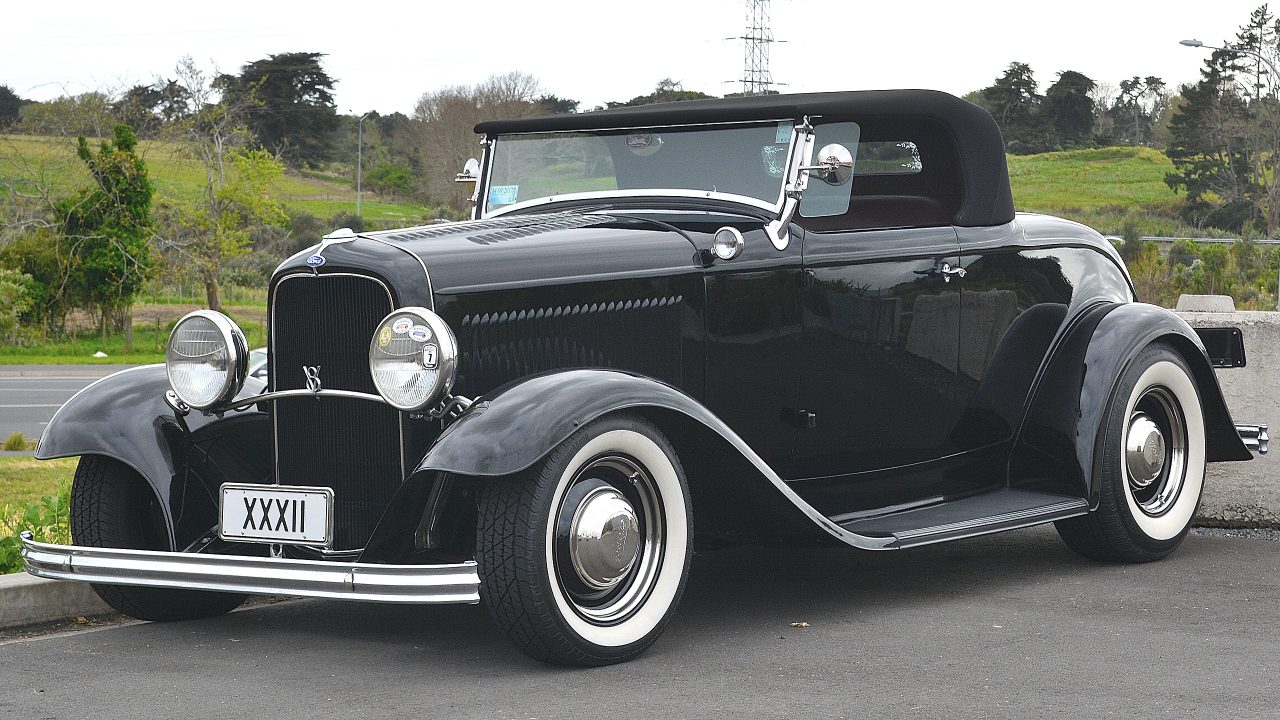
Hot rods have long been associated with freedom and rebellion, embodying a spirit of individuality and nonconformity. For many enthusiasts, building and driving a hot rod is a form of personal expression, a way to break free from the constraints of mass-produced vehicles. The unique designs and customizations reflect the owner’s personality, making each hot rod a one-of-a-kind creation that stands out on the road.
The cultural impact of hot rods extends beyond the garage and into media and entertainment. Films like “American Graffiti” and “The Fast and the Furious” have immortalized hot rods on the silver screen, while songs from bands like The Beach Boys celebrate their iconic status. Literature, too, has embraced the hot rod, with novels and magazines dedicated to the art and lifestyle of hot rodding. This presence in popular culture has helped solidify hot rods as a symbol of American ingenuity and spirit.
The hot rod community is a vibrant and inclusive subculture, with events and gatherings celebrating this unique automotive passion. Car shows like the Grand National Roadster Show and Hot Rod Power Tour attract enthusiasts from around the world, fostering a sense of camaraderie and shared appreciation for these custom creations. These events not only spotlight the craftsmanship and dedication involved in hot rodding but also serve as a platform for enthusiasts to exchange ideas and inspire future generations of builders.
Technological Innovation and Customization
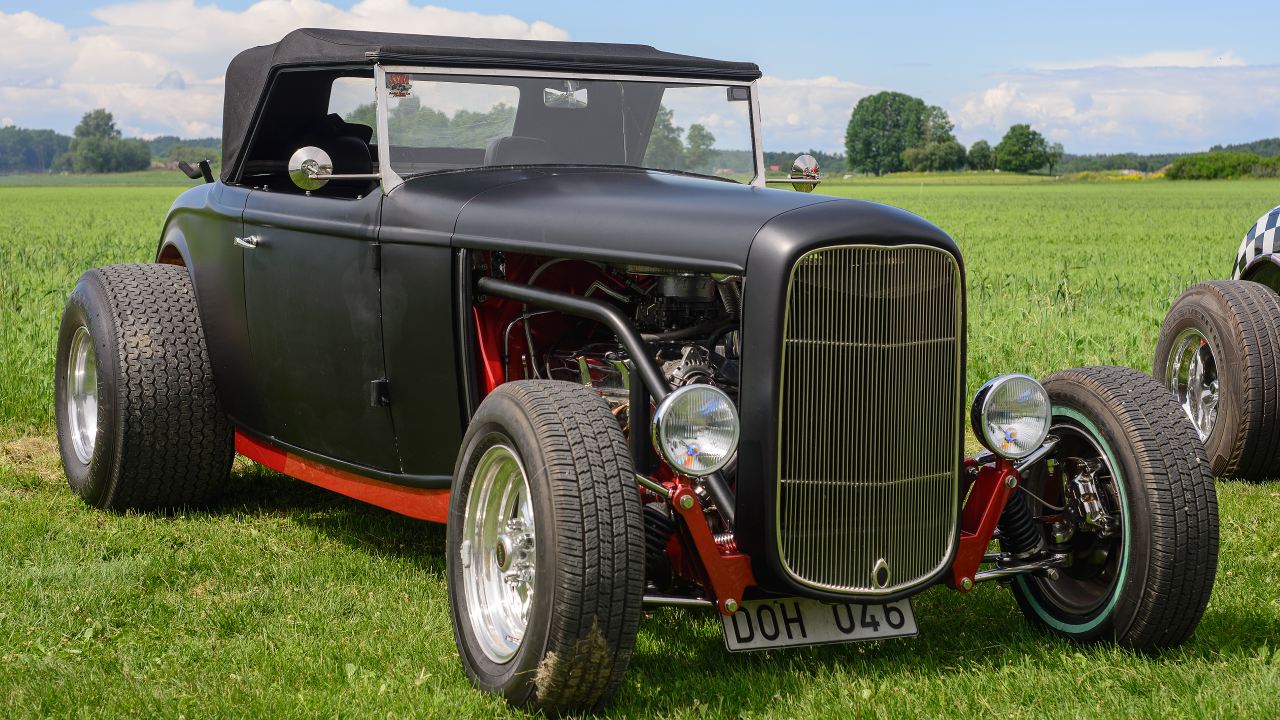
Hot rods have consistently been at the forefront of automotive innovation and customization. Enthusiasts are often pioneers in car modification, experimenting with new techniques and pushing the boundaries of what is possible. From early innovations like the introduction of superchargers and nitrous oxide systems to modern advancements in fuel injection and electronic control units, hot rodders have continually driven technological progress in the automotive world.
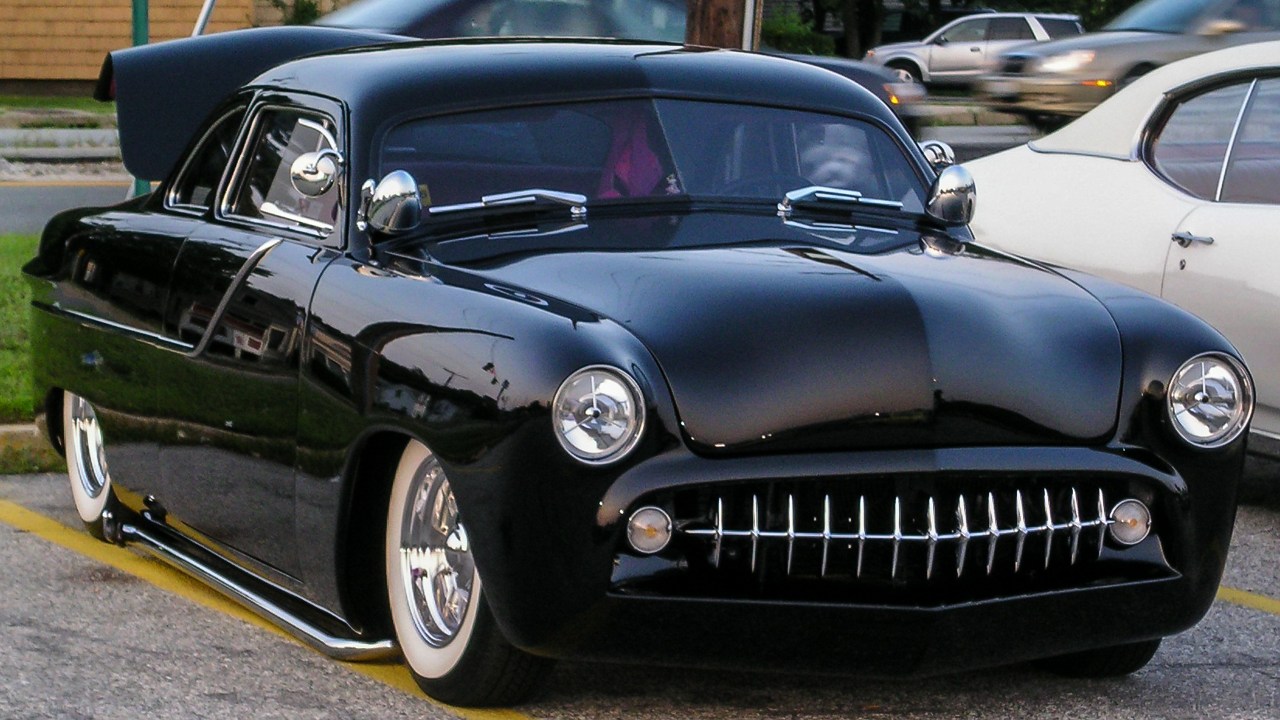
Customization is an art form within the hot rod community, where creativity and individuality reign supreme. Builders take pride in personalizing their vehicles to reflect their unique tastes and preferences. This can involve everything from custom paint jobs and intricate pinstriping to one-of-a-kind interior designs and hand-built engines. The result is a diverse array of hot rods, each telling its own story and showcasing the owner’s vision and skill.
The impact of hot rod innovation extends beyond the realm of custom cars, influencing modern automotive design and engineering. Many features and technologies that originated in the hot rod scene have been adopted by mainstream manufacturers, contributing to the evolution of contemporary vehicles. The blending of classic aesthetics with modern performance capabilities continues to inspire designers and engineers, ensuring that the spirit of hot rodding lives on in today’s automotive landscape.
The Economic and Social Impact
The hot rod industry has made significant economic contributions through manufacturing, events, and tourism. Companies specializing in aftermarket parts, custom fabrication, and restoration services have flourished, catering to the needs of hot rod enthusiasts. Major events like the SEMA Show in Las Vegas not only showcase the latest trends and innovations in the industry but also generate substantial economic activity, attracting thousands of visitors and exhibitors from around the globe.
Social dynamics within the hot rod community have evolved over time, becoming more inclusive and diverse. What was once a predominantly male-dominated hobby has opened its doors to people of all genders, ages, and backgrounds. This inclusivity has fostered social connections and friendships among enthusiasts, united by their shared passion for hot rods. Clubs and online forums provide platforms for enthusiasts to connect, share knowledge, and support one another in their automotive endeavors.
Preservation and restoration of classic hot rods are essential to maintaining automotive heritage. Enthusiasts often dedicate countless hours to restoring vintage vehicles to their former glory, preserving not only the cars themselves but also the history and craftsmanship they represent. This dedication ensures that future generations can appreciate and learn from the rich legacy of hot rodding.
The Future of Hot Rods in Car Culture
As technology continues to advance, hot rods are finding ways to adapt and integrate modern innovations while maintaining their classic appeal. Builders are experimenting with electric powertrains, hybrid systems, and advanced materials to enhance performance and efficiency. This blending of old and new allows hot rods to remain relevant in an ever-evolving automotive landscape.
Environmental considerations are becoming increasingly important in the hot rod community, prompting enthusiasts to explore eco-friendly options. The challenge lies in balancing the traditional aspects of hot rodding with the need for sustainability. Innovations such as biofuels, electric conversions, and emissions-reducing technologies are paving the way for a greener future, ensuring that hot rods can continue to thrive without compromising environmental responsibility.
The enduring allure of hot rods lies in their unique blend of history, creativity, and innovation. As they continue to evolve and inspire new generations of enthusiasts, hot rods remain a vital part of car culture, celebrated for their timeless appeal and the passion they ignite in those who build, drive, and admire them. With ongoing advancements and a commitment to preserving their legacy, hot rods are poised to remain a cornerstone of automotive culture for years to come.
Like Fast Lane Only’s content? Be sure to follow us.
Here’s more from us:
*Created with AI assistance and editor review.