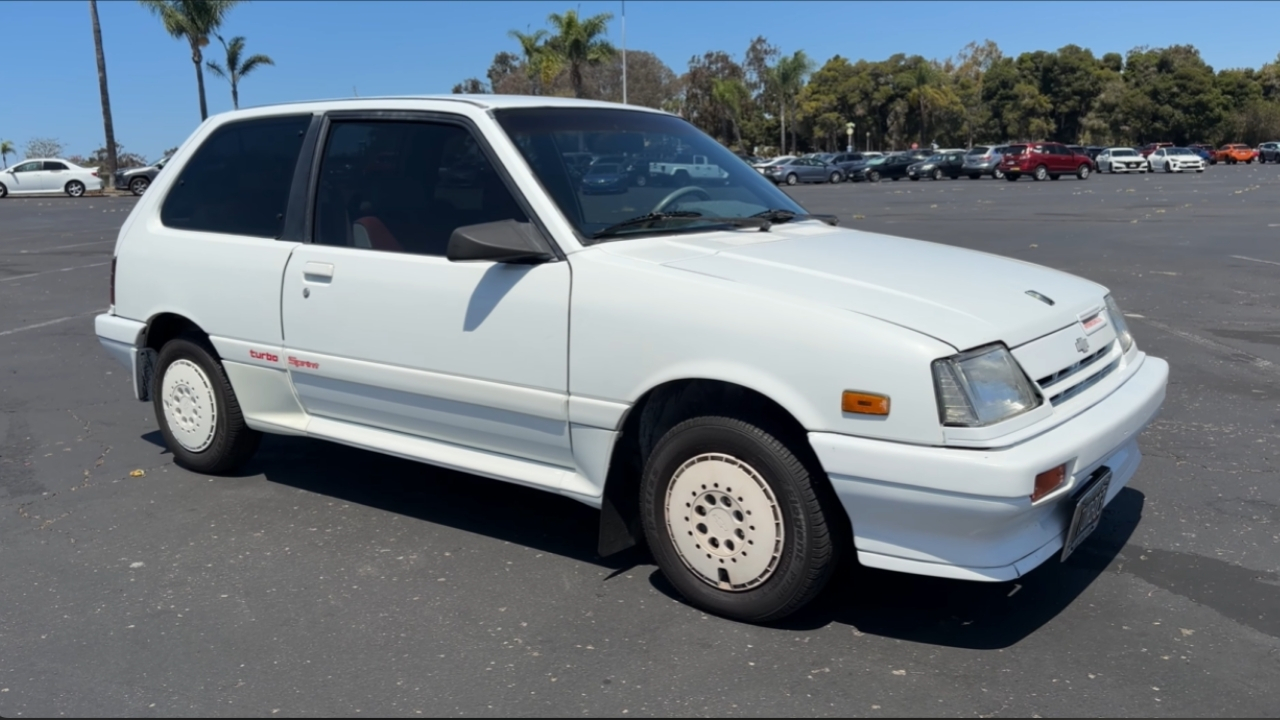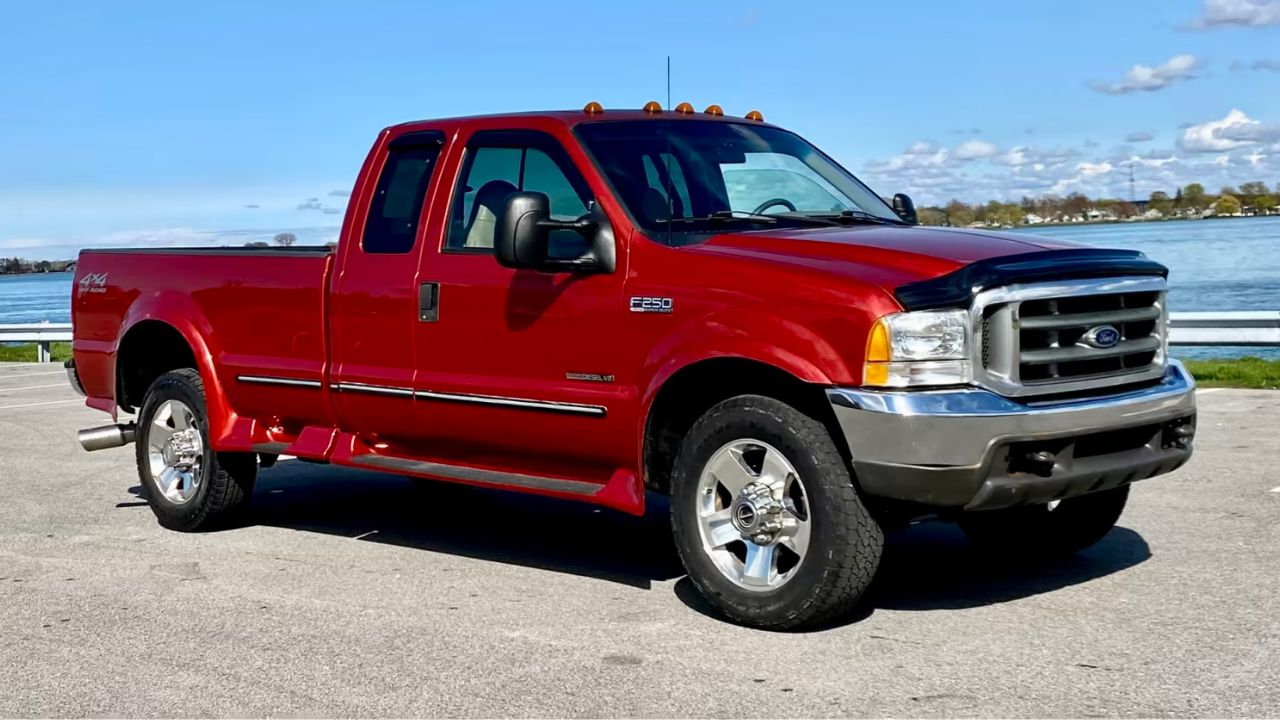
Across farmyards, construction sites, and interstate truck stops, older pickups and work trucks still command a quiet respect. Their drivetrains are described the way people talk about tools that never let a worker down: simple, strong, and willing to run almost indefinitely if treated decently. That reputation did not happen by accident, and it increasingly stands in contrast to the complexity of many modern trucks.
As buyers confront six-figure sticker prices and intricate electronics, the appeal of a truck built around a stout engine, a heavy transmission, and generously sized axles has only grown. Understanding what changed, and why those older drivetrains linger in the collective memory, helps explain both the current used-truck boom and the engineering tradeoffs facing the next generation of work vehicles.
How older truck drivetrains earned their reputation
Through much of the 1980s and 1990s, truck engineering centered on durability first and refinement second. Manufacturers overbuilt engines and gearboxes because trucks were expected to tow, haul, and idle for long hours with minimal drama. The classic Ford “OBS” (old body style) F-150, sold through the mid‑1990s, is a prime example. Its simple pushrod V8s, paired with relatively low-stressed automatic and manual transmissions, created a package that owners still praise for long-term dependability and ease of repair. Collectors now seek out clean examples of this generation precisely because its mechanical simplicity makes it easier to keep on the road.
Engines from this era were often designed with conservative power levels and generous safety margins. Inline-sixes and big-displacement V8s in heavy-duty pickups prioritized torque at low engine speeds, thick cast-iron blocks, and simple fuel systems. Some of the most admired truck engines, such as long-running cast-iron V8s from domestic brands and straight‑six diesels in three-quarter-ton and one-ton pickups, are frequently cited among the most reliable engines precisely because they avoided exotic materials or complex variable systems.
Transmissions followed the same philosophy. Four-speed automatics with wide gear spacing and heavy clutches were not especially quick to shift, but they tolerated abuse. Manual gearboxes, especially in medium-duty trucks, were designed for rebuilds rather than replacement, with straightforward synchros and robust cases. Axles and differentials matched that mindset, often using full-floating designs on heavier trucks that could handle repeated towing at or near rated capacity without premature wear.
Maintenance expectations also shaped the reputation. Owners were encouraged to change fluids on predictable intervals and could usually access most service points with basic tools. When parts did fail, they were often modular and relatively inexpensive, which reinforced the perception that these drivetrains were both tough and forgiving.
What changed in modern truck drivetrain design
Several forces pushed truck drivetrains away from that older template. Emissions rules tightened, fuel prices fluctuated, and consumer expectations shifted toward passenger-car comfort. To meet stricter standards and improve efficiency, manufacturers adopted high-pressure fuel injection, turbocharging across more of the lineup, and sophisticated engine controls. Transmissions gained more gears, sometimes ten or more, to keep engines in narrow efficiency bands.
Those changes brought clear benefits. Modern half-ton pickups deliver power and torque figures that would have embarrassed older heavy-duty trucks, while using less fuel and emitting fewer pollutants. Multi-speed automatics keep engines quieter on the highway and allow finer control under load. Advanced all-wheel-drive systems and electronic locking differentials improve traction in conditions where older part-time systems might struggle.
The tradeoff lies in complexity. High-pressure injection systems, variable valve timing, and turbochargers add components that require precise calibration and, in some cases, specialized service. Automatic transmissions with many gears depend on intricate valve bodies, mechatronics, and software. When these systems work as intended, they deliver impressive performance and refinement. When they do not, diagnosis and repair can be expensive and time-consuming.
Weight and packaging pressures also changed how drivetrains are built. To offset heavier safety structures and comfort features, engineers turned to lighter materials, thinner castings, and integrated assemblies. That approach helps meet efficiency targets but can leave less margin for abuse than the thick, overbuilt components of earlier decades. In some cases, parts that were once easily serviceable are now sealed or combined into larger units that are replaced rather than rebuilt.
Electronics further complicate the picture. Engine and transmission control modules, networked sensors, and drive-by-wire systems give manufacturers fine control over performance and emissions. They also mean that a drivetrain’s behavior is as much about software as hardware. Owners who grew up with mechanical linkages and simple vacuum lines sometimes view this shift with suspicion, especially when a sensor fault can sideline an otherwise healthy truck.
Why the reputation of older drivetrains matters now
The nostalgia for older truck drivetrains is not just sentiment. It has real effects on the used market, fleet decisions, and the way new trucks are marketed. Values for certain generations of pickups and heavy-duty models have climbed as buyers seek out trucks they believe will be easier to keep running for decades. The premium commanded by clean, low-mileage examples of 1990s and early‑2000s trucks reflects the belief that their simpler drivetrains offer lower long-term risk.
Fleet operators, especially in sectors like agriculture, oil and gas, and construction, factor drivetrain durability into total cost of ownership. A truck that can rack up hundreds of thousands of miles with predictable maintenance becomes an asset rather than a liability. Older drivetrains with long service histories provide a data-backed sense of security. Even when new trucks offer better fuel economy and safety, some operators keep older units in service as long as parts remain available.
At the same time, expectations have shifted for daily drivers. Many buyers want a truck that can tow a large trailer on the weekend, commute comfortably during the week, and still fit into a garage. That combination favors modern drivetrains with more power from smaller engines, quick-shifting transmissions, and quiet operation. The result is a split market, where one group prizes the raw, proven durability of older designs and another values the capability and comfort of newer systems.
Environmental policy adds another layer. Stricter emissions standards and potential low-emission zones in cities push manufacturers toward cleaner technologies, including hybrid and fully electric trucks. Older diesels and carbureted gasoline engines, despite their reputation for toughness, struggle to meet those requirements without expensive retrofits. Owners face a tension between keeping trusted equipment and complying with regulations that favor newer drivetrains.
Repair economics amplify that tension. When a modern truck’s complex transmission or emissions system fails out of warranty, the repair bill can approach the value of the vehicle. By contrast, rebuilding an older engine or gearbox is often more straightforward, with a large aftermarket parts supply and independent shops familiar with the work. This difference reinforces the perception that older drivetrains are not only strong but also financially safer to own over the long haul.
What comes next for truck drivetrains and perceived durability
The next chapter in truck drivetrains will test whether modern engineering can match the long-term trust earned by older designs. Manufacturers are already blending lessons from the past with new technology. Some current engines use conservative tuning and reinforced internals, aiming for longevity even as they incorporate direct injection and turbocharging. Transmissions with more gears are being refined for durability, with updated fluid specifications and improved cooling.
Hybrid systems in pickups and light commercial trucks are another frontier. By allowing engines to run in more efficient ranges and using electric torque to assist during heavy loads, hybrids can reduce mechanical stress on traditional driveline components. If these systems prove reliable over high mileage, they may eventually build a reputation similar to the legendary engines and gearboxes of previous decades. That outcome, however, depends on long-term field data that is only now accumulating.
Electric trucks present a different model of durability. Electric motors have fewer moving parts than internal combustion engines, and single-speed gear reduction units replace multi-gear transmissions. In theory, this simplicity could rival or surpass the toughness of classic drivetrains. The open questions involve battery longevity under heavy towing, thermal management in extreme climates, and the availability of affordable replacement packs once the original batteries age.
More from Fast Lane Only
- Unboxing the WWII Jeep in a Crate
- 15 rare Chevys collectors are quietly buying
- 10 underrated V8s still worth hunting down
- Police notice this before you even roll window down
*Research for this article included AI assistance, with all final content reviewed by human editors