Chevrolet has a long history of bold and innovative concept cars that often push the boundaries of automotive design. While some of these radical designs make it to the production line, many remain obscure, their fates unknown. Exploring the little-known destinies of Chevrolet’s most radical concepts reveals their impact on the automotive industry and design philosophy.
Historical Context of Chevrolet Concepts
Chevrolet has long been a key player in the automotive landscape, known for its pioneering spirit and commitment to innovation. From its inception in the early 20th century, the brand has consistently sought to redefine what a car can be. The development of concept cars has been an essential part of this journey, allowing the company to experiment with design and technology in ways that production models cannot. These concepts often serve as a testing ground for new ideas, helping to shape consumer expectations and drive future vehicle designs.
Notable eras of concept car production include the 1950s and 1960s, a time when the American auto industry was characterized by bold experimentation and flamboyant designs. During this period, Chevrolet unveiled iconic models like the Corvette Sting Ray and the Astro II, which not only captivated audiences but also influenced the direction of automotive design for decades to come. Even in recent years, Chevrolet has continued to push boundaries with concepts like the FNR-X, reflecting an ongoing commitment to innovation.
Famous Radical Chevrolet Concepts
Among the most celebrated Chevrolet concepts is the Chevrolet Corvette Indy, unveiled in 1986. This futuristic vehicle introduced a mid-engine layout and a sleek aerodynamic design that was revolutionary for its time. The Corvette Indy was not just a showpiece; it captured the imagination of automotive enthusiasts and critics alike, offering a glimpse into a potential future for one of America’s most iconic sports cars. Its design elements, such as retractable headlights and an innovative cockpit layout, showcased Chevrolet’s ability to blend performance with cutting-edge aesthetics.
Another noteworthy example is the Chevrolet Camaro Concept, revealed at the 2006 North American International Auto Show. This concept played a pivotal role in the revival of the Camaro nameplate, which had been dormant since 2002. The concept featured a retro-inspired design that harkened back to the original models of the late 1960s, while integrating modern technology and performance features. Public reaction was overwhelmingly positive, with many praising its blend of nostalgia and innovation, which ultimately paved the way for the Camaro’s successful re-launch in 2009.
Concepts That Never Made It to Production
Not all radical concepts make it to the production line, and one such example is the Chevrolet Centurion, introduced in the 1956 Motorama. This extravagant vehicle was characterized by its unique design elements, including a retractable hardtop and a strikingly futuristic cockpit. However, despite its allure, the Centurion was deemed too avant-garde for the market at the time, leading to its cancellation. The reasons behind such decisions often include cost constraints, safety regulations, and market demand, which can stifle creativity.
Designers and engineers involved in these projects often have poignant stories about the challenges they faced. In the case of the Centurion, the team was excited about pushing the envelope but soon realized that the financial implications of bringing such a concept to life were daunting. The vehicle’s elaborate features would have significantly increased production costs, making it impractical in an era when consumers were more focused on affordability and reliability than radical design.
Legacy and Influence on Future Models
The influence of radical concepts extends beyond their brief appearances at auto shows; they often serve as a catalyst for future production vehicles. For instance, elements from the Corvette Indy made their way into subsequent Corvette models, particularly the mid-engine layout that has now become a hallmark of the latest C8 Corvette. This transition demonstrates how concepts can shape the evolution of production cars, marrying visionary designs with practical functionality.
Moreover, consumer feedback plays a crucial role in this process. After the unveiling of the Camaro Concept, Chevrolet closely monitored public reactions, which helped inform decisions on design tweaks and features for the production model. This feedback loop ensures that while concepts may be radical, they are also aligned with consumer desires, ultimately leading to successful market entries. Over the years, it has become clear that concept cars are not just about showcasing creativity; they are instrumental in guiding the design and engineering of future vehicles.
Preservation and Restoration of Chevrolet Concepts
As time passes, some Chevrolet concepts fade into obscurity, yet there is a growing movement among collectors and museums to preserve these vehicles. Restorations of forgotten or discarded concept cars have become a passion project for many enthusiasts, who recognize their cultural significance in automotive history. For example, the Chevrolet Astro II, a striking concept from the 1960s, has been restored and is now displayed at various car shows, captivating new generations of car lovers.
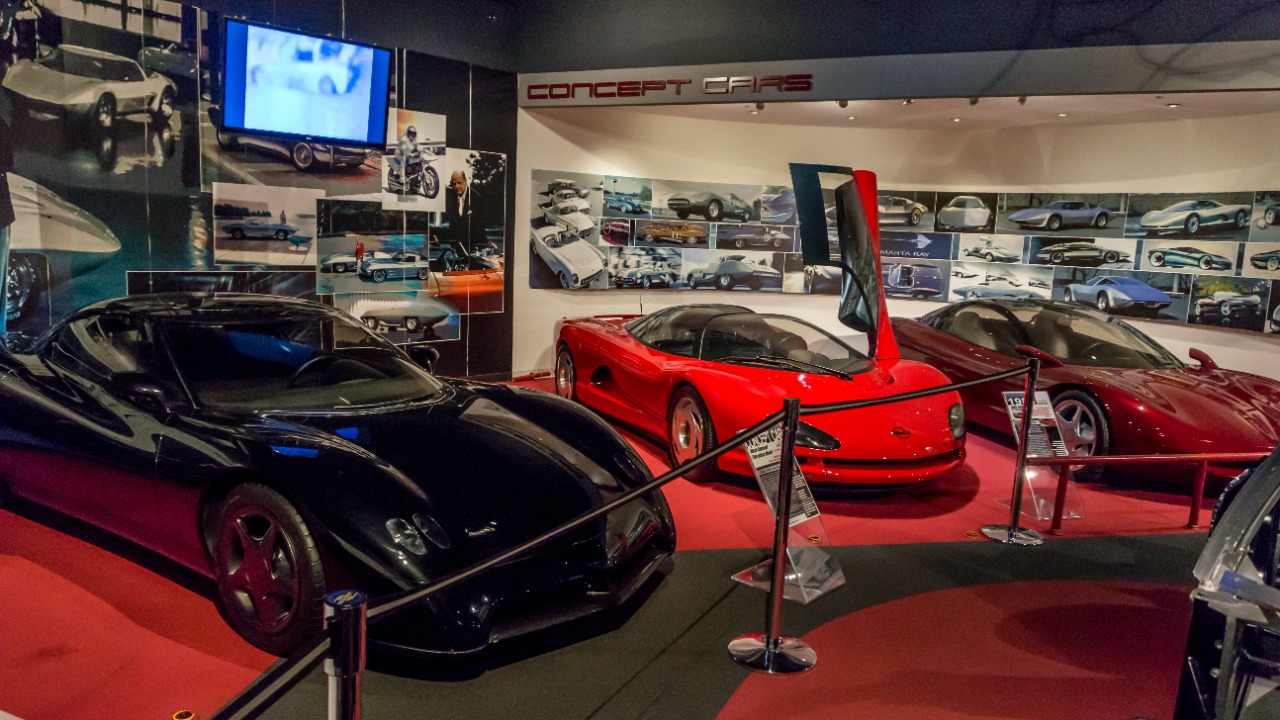
The efforts to restore these vehicles not only preserve their legacy but also provide insight into the design philosophies of their time. A visit to a museum featuring a collection of Chevrolet concepts can offer a fascinating glimpse into the evolution of automotive design. It serves as a reminder of how far the industry has come and the bold ideas that once paved the way for the vehicles we know today.
The Future of Chevrolet Concepts
Looking ahead, I am intrigued by the direction that future Chevrolet concepts may take. With the automotive industry undergoing a significant transformation due to the rise of electric and autonomous vehicles, the next wave of concepts is likely to reflect these trends. For instance, I anticipate that Chevrolet will explore sustainable materials and advanced technologies that address modern consumer needs and environmental concerns. The integration of electric powertrains and autonomous driving capabilities will likely inspire a new generation of radical designs that challenge conventional automotive aesthetics.
Moreover, as consumers become more environmentally conscious, the role of radical concepts will be crucial in demonstrating how Chevrolet can innovate responsibly. The upcoming concepts may not only focus on performance and style but also on sustainability, showcasing how the brand is adapting to the changing landscape of the automotive industry. In this context, concepts will serve as a bridge between traditional automotive values and a future that prioritizes sustainability and advanced technology.
More from Fast Lane Only
- Unboxing the WWII Jeep in a Crate
- 15 rare Chevys collectors are quietly buying
- 10 underrated V8s still worth hunting down
- Police notice this before you even roll window down
*Research for this article included AI assistance, with all final content reviewed by human editors.