Concept cars are often hailed as the future of automotive design, showcasing innovative technologies and bold aesthetics. However, many of these eye-catching models never make it to production, often for reasons that remain obscure to the average consumer.
Understanding Concept Cars
Concept cars are prototypes designed to showcase new technologies, features, and design philosophies. They serve multiple purposes: as marketing tools to gauge consumer interest, as a platform for testing new ideas, and as a means for manufacturers to push the boundaries of automotive design. While some concept cars make it to production, many remain mere dreams, sparking curiosity and discussion among enthusiasts and industry insiders alike.
The history of concept cars dates back to the early 20th century, with vehicles like the 1938 Buick Centurion demonstrating the potential of futuristic design. Over the decades, concept cars evolved into platforms for experimentation and innovation. For instance, the 1956 Chevrolet Centurion featured a fiberglass body and a unique dashboard design that would eventually influence future models. The 1986 Ford Taurus, which began as a concept, transformed the mid-size sedan market by prioritizing aerodynamics and design, demonstrating the significant impact these vehicles can have on mainstream production.
Market Viability and Consumer Demand
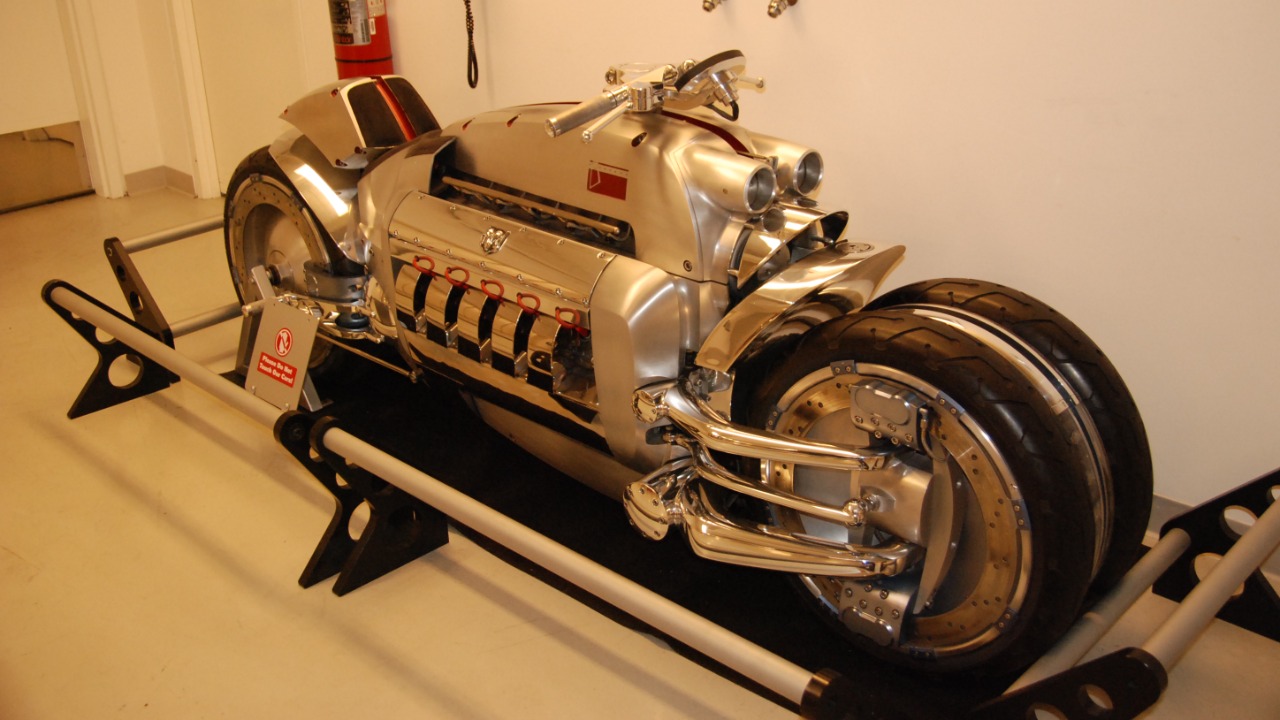
Understanding market viability is crucial for any vehicle’s success. Automakers invest significant resources into market research to determine consumer preferences. If a concept car doesn’t resonate with its intended audience, it may never see the assembly line. Take the 2003 Dodge Tomahawk, for instance. While its design and performance capabilities captured attention, it failed to appeal to a broad consumer base, leading to its discontinuation. This highlights how crucial it is to align concept designs with consumer expectations and desires.
Furthermore, shifting consumer preferences significantly influence which concept cars make it to production. The rise of environmental consciousness has led manufacturers to focus on electric and hybrid vehicles. The Tesla Roadster, introduced in 2006, tapped into consumer demand for sustainable transportation, paving the way for the electric vehicle revolution. In contrast, concepts that focus solely on aesthetics or performance without considering market trends may fall flat. For example, the 2015 Toyota Mirai, though revolutionary in its hydrogen fuel cell technology, faced skepticism due to limited infrastructure and consumer reluctance, showcasing how essential it is for concept cars to align with market realities.
Technological Limitations
While concept cars often showcase groundbreaking technologies, the leap from prototype to production can be fraught with challenges. Many innovative features, such as advanced self-driving systems or alternative fuel sources, may initially seem promising but can prove impractical for mass production. The Google self-driving car, for example, has faced significant hurdles in regulatory approval and public acceptance, raising questions about the feasibility of integrating such technologies into everyday vehicles.
Another example is the 2016 Mercedes-Benz F 015 Luxury in Motion, a concept vehicle that showcased autonomous driving and innovative interior design. While its features were ahead of their time, the complexities involved in implementing fully autonomous technology into consumer vehicles have delayed its production. The journey from concept to reality often reveals a gap between innovation and practicality that can stymie even the most exciting designs.
Regulatory and Safety Concerns
Government regulations play a significant role in automotive design and production, often determining which concepts can progress to the consumer market. Safety standards are particularly stringent, requiring manufacturers to ensure that all vehicles meet specific criteria before they can be sold. For instance, the NHTSA mandates rigorous testing for vehicle safety, which can sideline some innovative designs that don’t meet these standards. The 2014 BMW i8, while a stunning hybrid sports car, faced challenges regarding battery safety and emissions compliance that delayed its rollout.
Environmental regulations further complicate matters. The stringent emissions standards introduced in many countries have led automotive manufacturers to rethink their designs. As a result, concepts that do not align with these regulations may be scrapped. The 2018 Volkswagen ID. Buzz concept, which aims to blend nostalgia with modern electric technology, has had to navigate these waters carefully, demonstrating how regulations can significantly shape the future of concept cars.
Financial Considerations and Corporate Strategy
Financial implications are paramount when deciding whether to produce a concept car. Automakers must weigh the costs of development against the anticipated market returns. A concept vehicle that appears visually stunning may not justify the investment if the projected sales are low. The 2006 Chrysler 300C, which began as a concept, was ultimately produced due to its appealing design and market potential, while others, like the 2001 Chrysler 300C HEMI, which was too niche, were shelved despite their allure.
Corporate strategy also plays a crucial role in determining which concepts are greenlit for production. A manufacturer’s brand identity and market positioning can dictate the direction of future designs. Tesla, for instance, has focused on sustainability and innovation, continuously pushing the envelope with their concept cars to align with their brand ethos. On the other hand, traditional manufacturers like Ford or General Motors may hesitate to depart from their established designs and consumer expectations, leading to missed opportunities for groundbreaking vehicles.
The Future of Concept Cars
As we look to the future of automotive design, emerging trends suggest a significant shift in how concept cars are developed. The increasing focus on electric and autonomous vehicles is reshaping the landscape, driving manufacturers to innovate while aligning with consumer demand for sustainability. The concept of the electric SUV, for instance, is gaining traction, with models like the Rivian R1T and Ford Mustang Mach-E showcasing this trend.
Moreover, shifting consumer attitudes towards mobility and transportation are influencing the fate of future concept cars. As urbanization increases and public transportation becomes more integrated with personal vehicles, concepts that explore new mobility solutions—such as the autonomous ride-sharing vehicle—are likely to gain popularity. The 2020 Hyundai Elevate, a concept vehicle designed to traverse rugged terrains, exemplifies how manufacturers are beginning to think beyond the traditional car model to address emerging urban challenges.
In conclusion, the world of concept cars is as fascinating as it is complex. Market viability, technological limitations, regulatory concerns, and financial strategies all play crucial roles in determining whether these innovative designs ever reach consumers. As the automotive industry continues to evolve, understanding these factors will be essential for both manufacturers and consumers alike, shaping the future of mobility in ways we can only begin to imagine.
More from Fast Lane Only
- Unboxing the WWII Jeep in a Crate
- 15 rare Chevys collectors are quietly buying
- 10 underrated V8s still worth hunting down
- Police notice this before you even roll window down
*Research for this article included AI assistance, with all final content reviewed by human editors.