The automotive industry has seen many innovations and changes over the years, but some features, particularly certain giant vehicle engines, have mysteriously disappeared from the market. Understanding the little-known reasons behind this phenomenon reveals much about engineering decisions, market demands, and environmental regulations that have shaped the industry.
Historical Context of Giant Vehicle Engines
The evolution of engine technology in large vehicles, including trucks and SUVs, has been remarkable. In the late 20th century, the market was dominated by massive engines, such as the Ford 7.3L Power Stroke diesel and the Chevrolet 454 V8. These engines were designed for power and performance, allowing vehicles to tow heavy loads and navigate challenging terrains. The demand for powerful engines surged as consumers gravitated toward larger vehicles, leading manufacturers to push the envelope on engine size and output, often exceeding the 500 horsepower mark.
Key manufacturers like Ford, General Motors, and Dodge played significant roles in developing these giant engines. The introduction of vehicles like the GMC Sierra and the Dodge Ram showcased not only the capability of these engines but also the changing consumer preferences that favored power over efficiency. However, as fuel prices rose and environmental concerns took center stage, the market began to shift. Consumers started to prioritize fuel efficiency, and manufacturers responded by designing engines that were smaller yet more powerful, often utilizing technologies like turbocharging and direct fuel injection.
Environmental Regulations and Their Impact
Environmental policies have had a profound influence on engine production and design. The introduction of regulations such as the Corporate Average Fuel Economy (CAFE) standards in the 1970s mandated improvements in fuel economy across all vehicle types. These regulations accelerated the decline of traditional giant engines, as manufacturers faced pressure to meet stringent emissions standards. For instance, the phased-out 6.0L V8 engine in the Chevrolet Silverado was a direct response to these evolving regulations, leading to the introduction of more efficient alternatives.
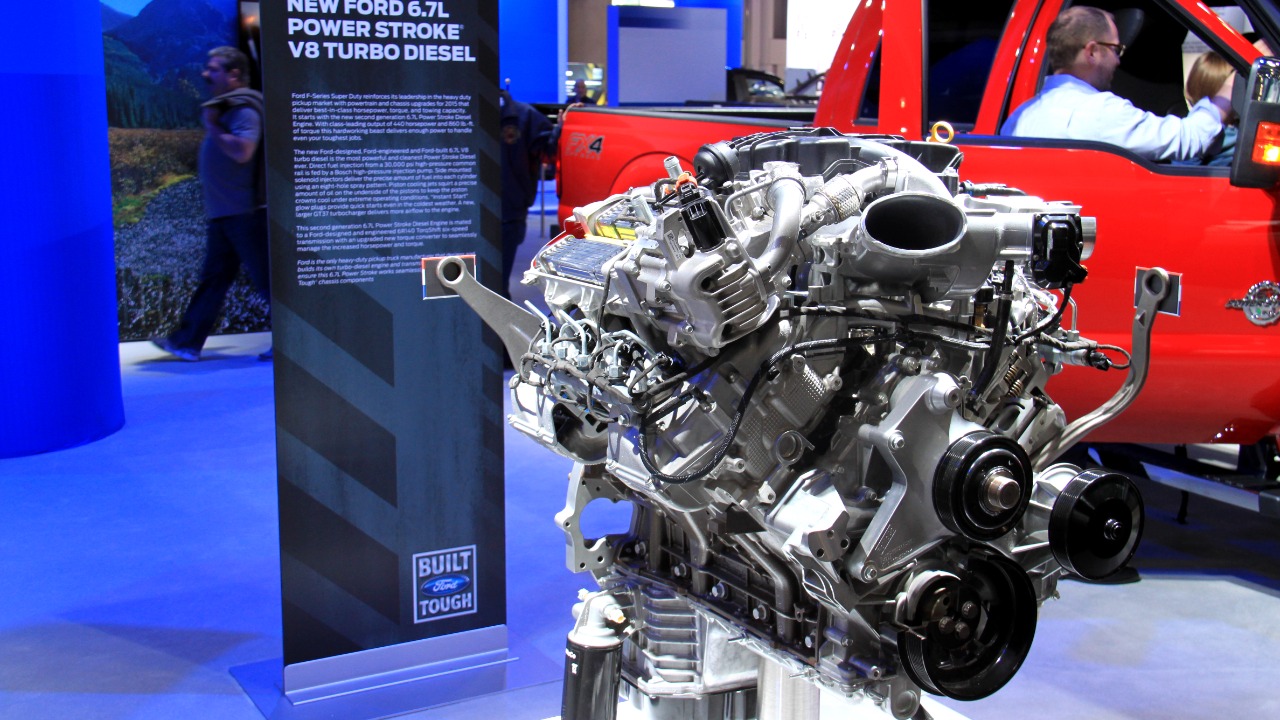
The transition to fuel efficiency standards has also prompted manufacturers to rethink their engine designs. The Environmental Protection Agency (EPA) has imposed strict emissions limits, resulting in the discontinuation of several powerful engines that could not meet these requirements. One notable case is the discontinuation of the Ford 6.4L diesel engine, which was replaced by the more efficient 6.7L Power Stroke engine, despite the latter having slightly less power but significantly better fuel economy and lower emissions.
Market Shifts and Consumer Demand
Changing consumer preferences have significantly influenced the demand for giant vehicle engines. As people became more environmentally conscious and fuel prices began to rise in the early 2000s, the allure of large engines started to fade. The growing popularity of compact SUVs and crossover vehicles, which offered better fuel efficiency and practicality, led many manufacturers to pivot away from large engines. For example, the Nissan Pathfinder transitioned from a truck-based SUV with a large V6 engine to a more fuel-efficient crossover model.
The influence of rising fuel prices cannot be understated. During the 2008 financial crisis, for instance, gasoline prices soared, prompting consumers to reconsider their vehicle choices. As a result, larger vehicles with giant engines saw a significant drop in sales. Manufacturers quickly adapted to these market shifts by investing in smaller, more efficient engines. This trend was evident in the decline of models like the Chevrolet Suburban, which had traditionally relied on powerful V8 engines but began offering more fuel-efficient options to meet consumer demands.
Technological Innovations and Alternative Solutions
The automotive landscape has also been transformed by technological innovations, particularly the rise of hybrid and electric vehicle technologies. Companies like Tesla have spearheaded this shift, demonstrating that electric powertrains can deliver impressive performance without the environmental drawbacks of traditional internal combustion engines. For example, the Tesla Model X offers acceleration that rivals many gas-powered SUVs while producing zero emissions, leading many consumers to rethink their preferences for giant engines.
Moreover, the practice of downsizing engines has become prevalent in the industry. Technologies such as turbocharging and direct injection allow manufacturers to produce smaller engines that maintain high levels of performance. The Ford EcoBoost engines are a prime example, delivering power comparable to larger engines while significantly improving fuel economy. As manufacturers embrace these innovations, the once-dominant giant engines have become less relevant and increasingly rare.
Legacy and Collectability of Disappeared Engines
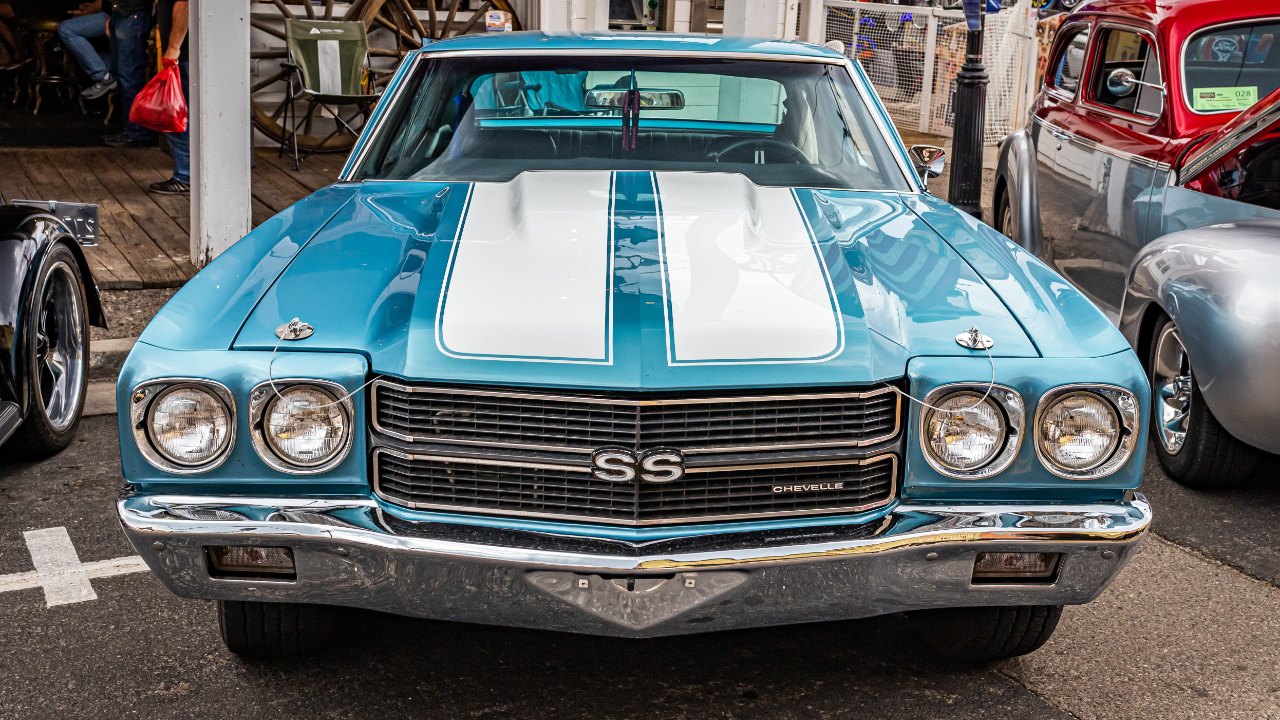
Despite their decline, there remains a sense of nostalgia and collectability surrounding giant vehicle engines. Enthusiasts often seek out classic vehicles equipped with these powerful engines, appreciating their raw performance and the unique driving experience they offer. The market for classic cars, such as the iconic 1970 Dodge Challenger, has seen a resurgence, with enthusiasts willing to pay top dollar for models featuring larger engines that are now considered rare. A recent article highlighted a survivor 1970 Dodge Challenger with one owner for 50 years, showcasing the enduring appeal of these vehicles among collectors.
The significance of these engines in automotive history cannot be overstated. Many enthusiasts view these giant engines as a symbol of a bygone era when power and performance were paramount in vehicle design. As restoration projects gain popularity, the future prospects for these engines look promising, with a dedicated community committed to preserving and celebrating their legacy. Websites like AutoEvolution provide valuable resources for collectors looking to acquire and restore these classic vehicles.
The Future of Giant Vehicle Engines
Looking ahead, the future of large engines in the automotive landscape remains uncertain. As manufacturers continue to prioritize fuel efficiency and sustainability, the demand for traditional giant engines is likely to decrease further. However, there will always be a niche market for enthusiasts who appreciate the performance and character that these engines offer. Emerging technologies, such as synthetic fuels and improved battery technology, could pave the way for a resurgence in powerful engines while addressing environmental concerns.
Ultimately, the balance between performance, efficiency, and consumer preference will shape the future of engine development. While we may not see the return of giant engines in the same capacity as before, advancements in technology may allow for a new generation of engines that combine the best of both worlds. For enthusiasts and collectors, staying informed and adaptable will be crucial in navigating this rapidly changing automotive environment.
More from Fast Lane Only
- Unboxing the WWII Jeep in a Crate
- 15 rare Chevys collectors are quietly buying
- 10 underrated V8s still worth hunting down
- Police notice this before you even roll window down
*Research for this article included AI assistance, with all final content reviewed by human editors.