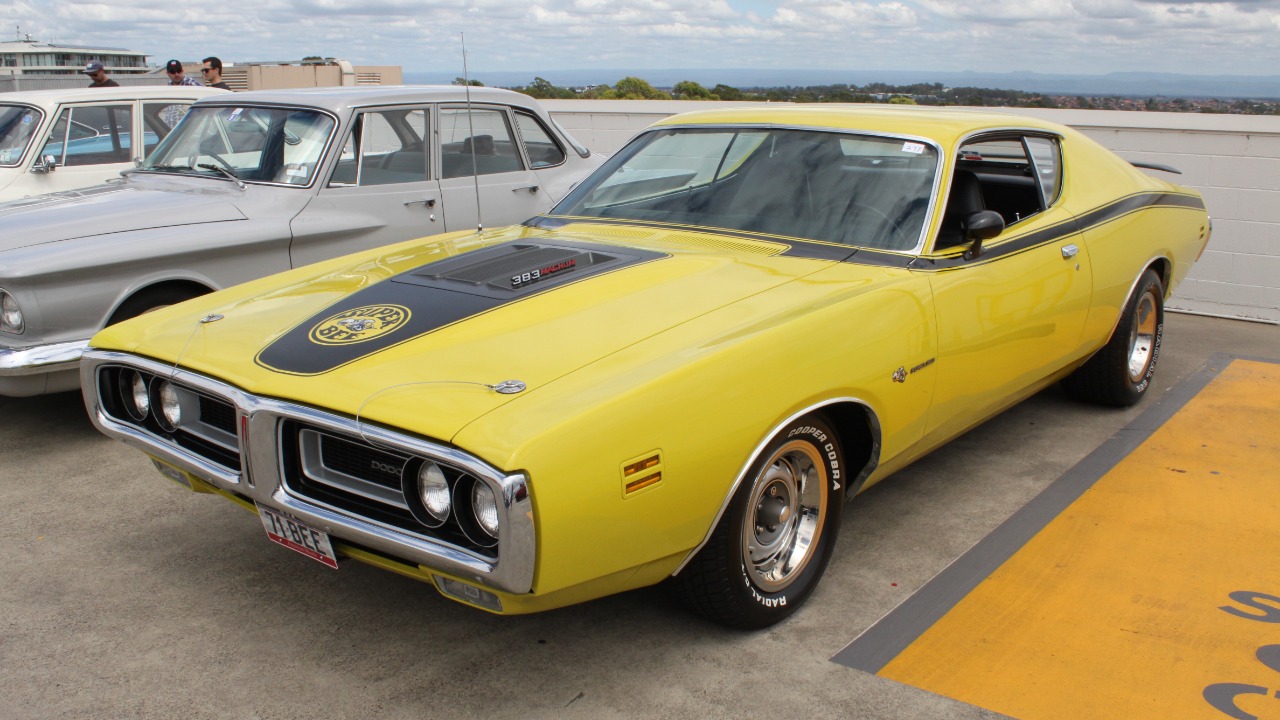
The Dodge Super Bee, a once-iconic muscle car, vanished from the automotive landscape for several decades, leaving enthusiasts puzzled. The story of its disappearance is woven into the fabric of changing regulations, market dynamics, and consumer preferences that transformed the American automotive scene. Understanding these factors sheds light on how one of the most revered muscle cars faded into obscurity and what eventually brought it back into the spotlight.
The Rise of the Dodge Super Bee
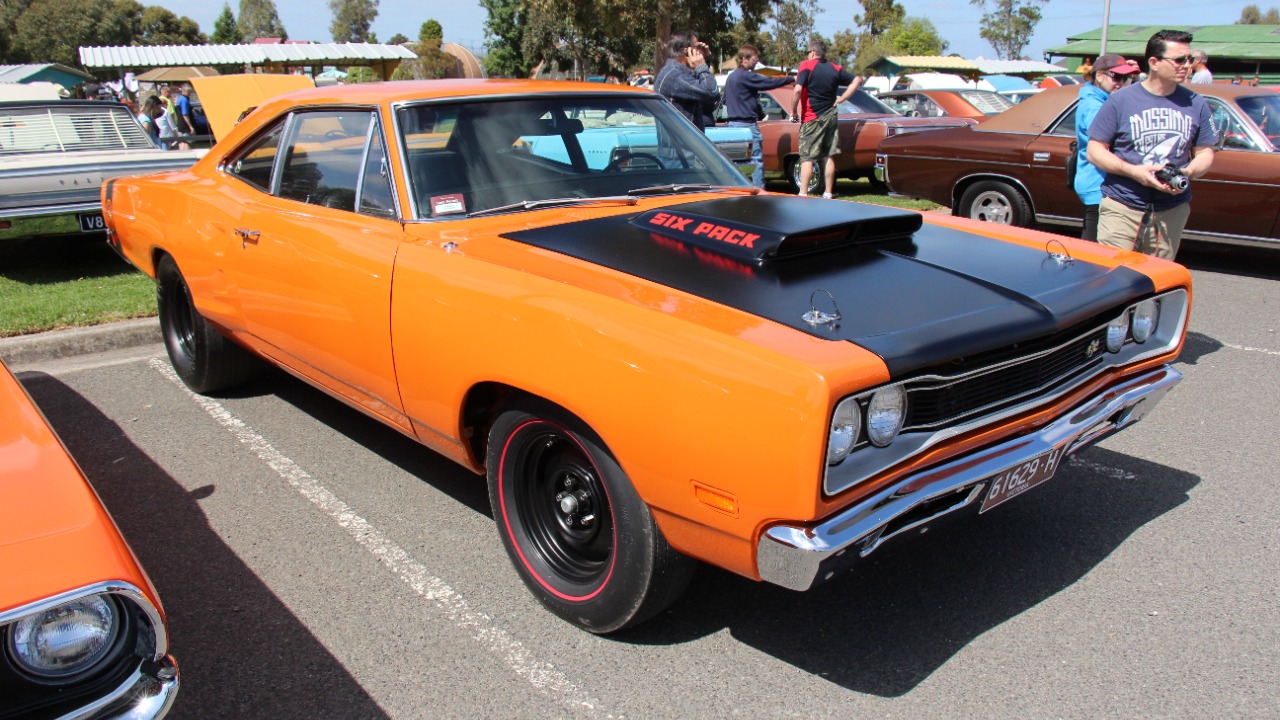
The Dodge Super Bee made its debut in 1968, a time when muscle cars were at the peak of their popularity. Designed as a performance-oriented vehicle, the Super Bee was built on the B-body platform, which provided a solid foundation for speed and power. With a 383 cubic inch V8 engine as standard and options for the formidable 426 Hemi and the 440 cubic inch V8, it quickly became a favorite among performance enthusiasts. The Super Bee was not just about raw power; it combined aggressive styling with a relatively affordable price, making it accessible to a broad audience.
Key features such as its distinctive “bee” logo, bold color options, and available performance packages captured the essence of the muscle car era. The Super Bee was marketed as a no-nonsense vehicle for those who craved speed and excitement, a theme that resonated with younger buyers looking for an exhilarating driving experience. Its success helped solidify Dodge’s reputation as a manufacturer of powerful and stylish cars, distinguishing the brand in a crowded market.
Changing Automotive Regulations and Consumer Preferences
The early 1970s marked a significant turning point for the automotive industry, as new regulations aimed at reducing emissions and improving safety began to take effect. The Clean Air Act of 1970 and subsequent legislation required manufacturers to adopt stricter emissions controls, which had a profound impact on performance vehicles like the Super Bee. As automakers scrambled to comply with these regulations, many high-performance models were either re-engineered or discontinued entirely.
Alongside regulatory changes, consumer preferences began to shift. The gas crisis of the early 1970s prompted buyers to reconsider their transportation needs, leading to a growing demand for fuel-efficient vehicles. This shift left muscle cars like the Super Bee struggling to find a place in a market that increasingly favored compact cars and sedans. As Dodge re-evaluated its product lineup, the Super Bee fell victim to these changing tides, leading to its eventual discontinuation in 1971.
The Impact of the Oil Crisis
The 1973 oil crisis sent shockwaves through the automotive industry, causing a seismic shift in consumer behavior. With fuel prices skyrocketing, the once-thriving demand for muscle cars plummeted. The Super Bee, once a symbol of power and speed, became a liability for manufacturers struggling to adapt to the new economic reality. Dodge faced tough decisions as they navigated the challenges of an industry in turmoil.
During this period, Dodge made the difficult choice to discontinue the Super Bee. The brand recognized that the market was moving away from high-performance vehicles, and it was essential to focus on producing models that aligned with consumer preferences for efficiency and practicality. The Super Bee’s absence left a noticeable gap in the muscle car market, as Dodge shifted its focus towards more economical models, effectively sidelining one of its most iconic vehicles.
The Legacy of the Super Bee During its Absence
Even in its absence, the Dodge Super Bee cultivated a legacy that would endure for decades. As the years passed, the Super Bee transformed into a collector’s item, revered by enthusiasts for its raw power and distinctive styling. Car shows and auctions began to showcase well-preserved models, sparking the interest of a new generation of fans who appreciated the nostalgia associated with classic muscle cars. The Super Bee became a symbol of a bygone era, with its history intertwined with the cultural fabric of American automotive design.
The absence of the Super Bee also influenced the muscle car market as a whole. Competitors took note of Dodge’s decision to retire the model and began to carve out their niches, capitalizing on the void left by the iconic vehicle. Brands like Chevrolet and Ford continued to push the envelope with their own performance offerings, but the Super Bee’s legacy loomed large in the minds of enthusiasts, who eagerly awaited its return. Nostalgia played a crucial role in preserving the Super Bee’s status, as older fans reminisced about their youthful experiences behind the wheel, while younger enthusiasts became intrigued by the stories and history surrounding the car.
The Return of the Dodge Super Bee
As the automotive landscape began to shift again in the early 2000s, demand for performance vehicles reignited. The muscle car renaissance was fueled by a mix of nostalgia and advancements in technology, prompting manufacturers to revisit their classic models. In this environment, Dodge recognized the opportunity to revive the Super Bee brand, launching a modern iteration in 2007 as part of the Dodge Charger lineup.
The revived Super Bee featured updated styling and performance enhancements while paying homage to its roots. Equipped with a powerful 5.7-liter HEMI V8 engine, it offered a blend of modern engineering and classic muscle car appeal. The reception was overwhelmingly positive, with both fans and critics praising Dodge for successfully capturing the essence of the original Super Bee while adapting it for contemporary audiences. The revival not only bolstered Dodge’s lineup but also reignited interest in muscle cars as a whole, showcasing the brand’s commitment to performance and innovation.
The Future of the Super Bee and Muscle Cars
As we look ahead, current trends in the automotive industry indicate a growing emphasis on performance vehicles, even as the shift toward electric cars gains momentum. Brands are experimenting with hybrid and fully electric muscle cars that promise the thrill of performance without compromising on efficiency. Dodge has already hinted at an electrified future for its muscle car lineup, with concepts showcasing how the Super Bee could evolve in a world increasingly focused on sustainability.
The ongoing legacy of the Super Bee remains relevant, as its history continues to inspire new generations of performance enthusiasts. As automakers innovate and adapt to changing consumer preferences, the spirit of the Super Bee can still be felt in modern muscle cars, capturing the excitement that first drew fans to the original models. Predictions suggest that the Super Bee, whether in its traditional form or as part of a new electric era, will continue to hold a significant place in automotive history, transcending trends and remaining a beloved icon among car aficionados.
More from Fast Lane Only
- Unboxing the WWII Jeep in a Crate
- 15 rare Chevys collectors are quietly buying
- 10 underrated V8s still worth hunting down
- Police notice this before you even roll window down
*Research for this article included AI assistance, with all final content reviewed by human editors.