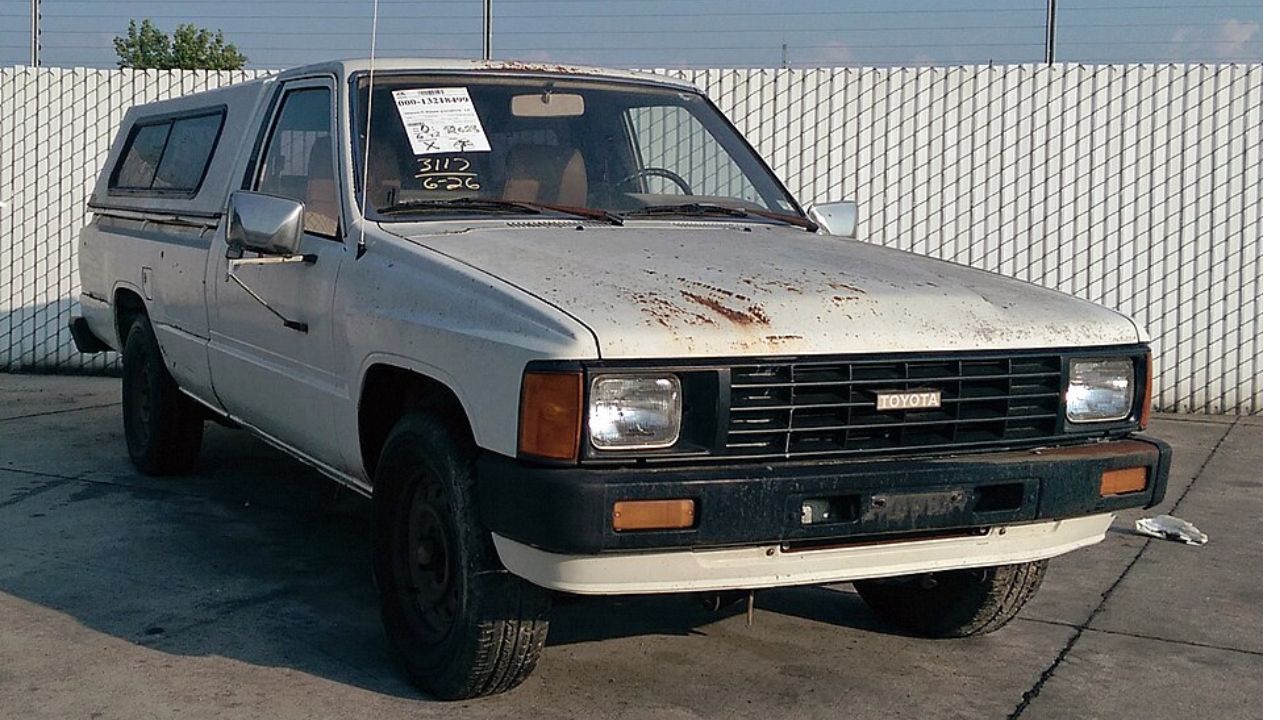
Some vehicles were built primarily to work, not to become famous. They hauled equipment, carried supplies, and handled long hours with little attention from collectors. Despite their modest reputations, these eight workhorses delivered more durability and capability than many buyers expected.
Chevrolet C30
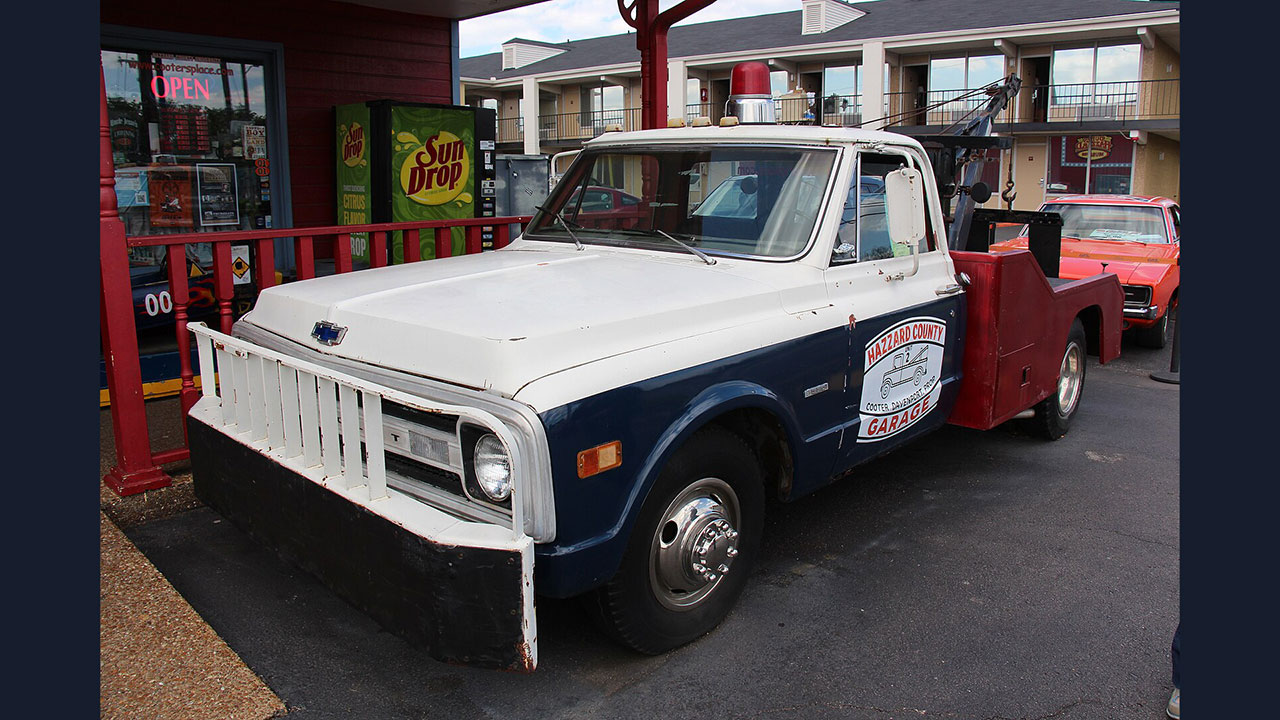
The Chevrolet C30 was built for serious hauling and commercial work. Its heavy-duty frame, strong suspension, and available V8 engines made it useful for farms, construction sites, and businesses. Many were worked hard throughout their lives, which explains why clean survivors are now less common. Those that remain demonstrate just how much abuse a traditional Chevrolet work truck could withstand.
Ford F-350
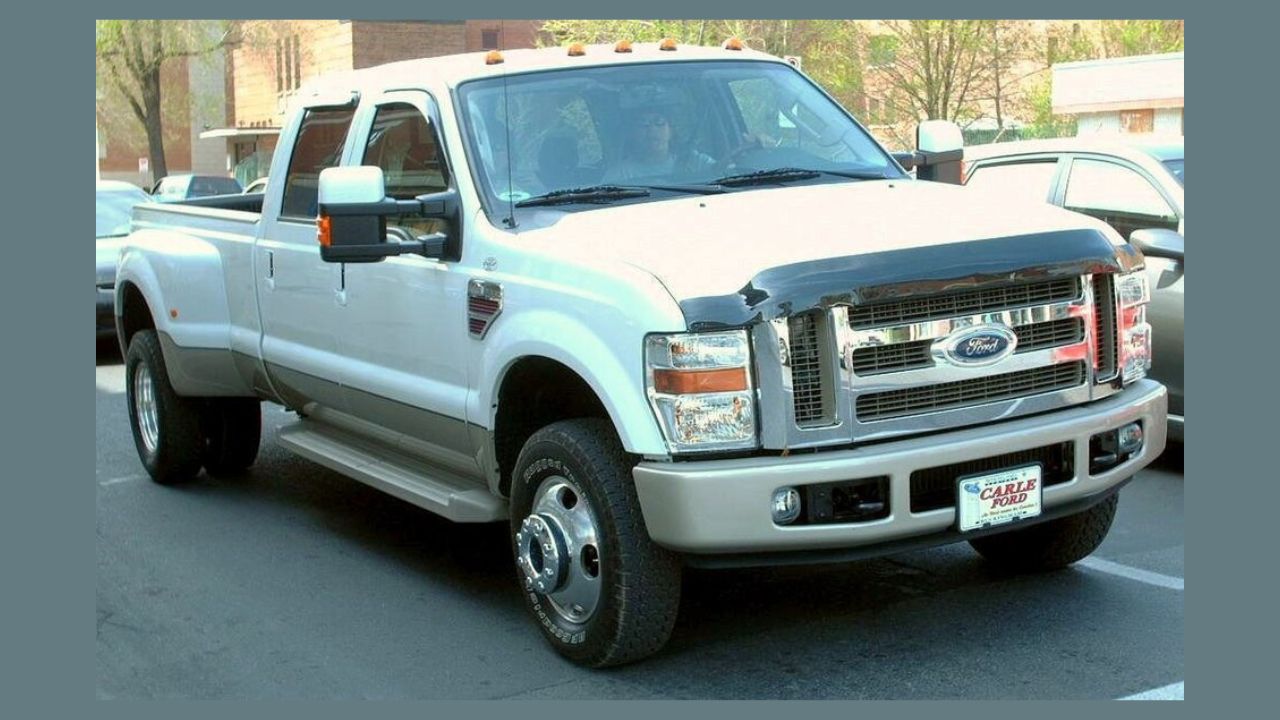
The Ford F-350 provided substantially more capability than an ordinary pickup. Its heavy-duty chassis, strong axles, and powerful engine options made it suitable for towing equipment and carrying heavy loads. Many examples spent decades working rather than sitting in garages. Its straightforward design helped owners keep older trucks useful even as newer pickups became increasingly complicated.
Dodge D300
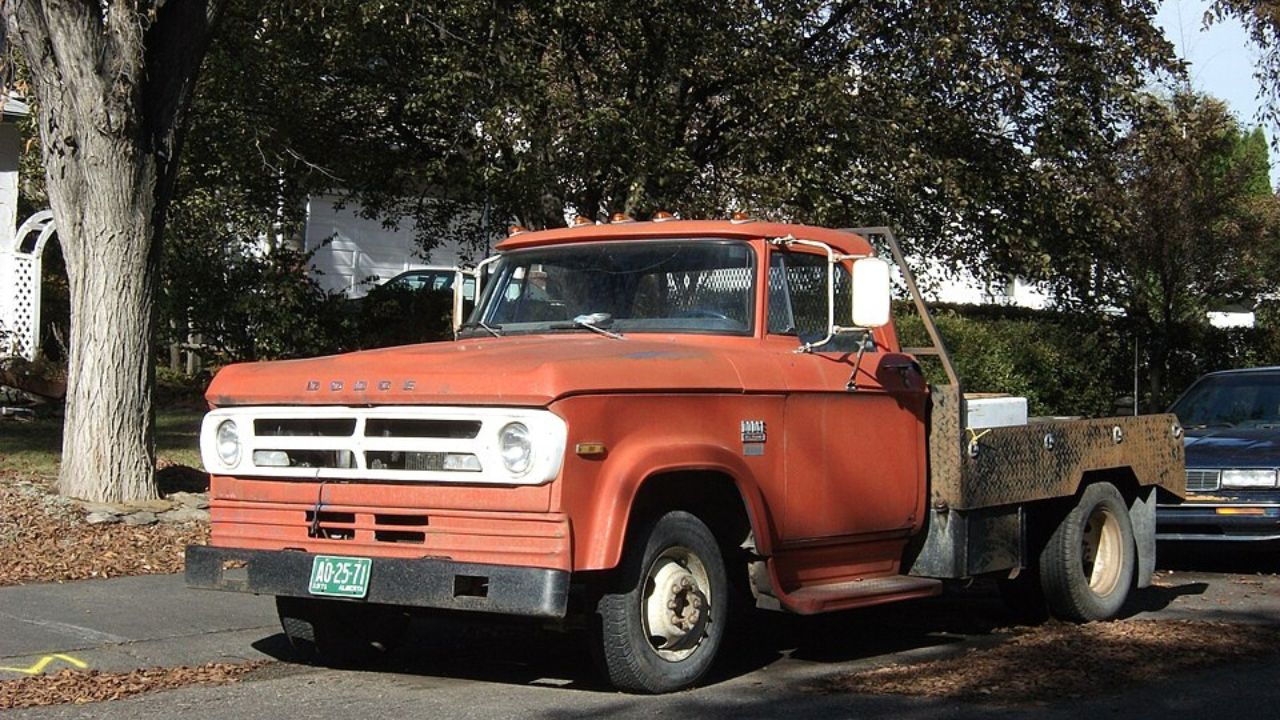
The Dodge D300 was a serious work truck designed for buyers who needed substantial hauling and towing capability. Its heavy-duty construction and available V8 engines made it suitable for demanding jobs. Although it never achieved the collector attention of some Ford and Chevrolet trucks, surviving examples remain impressive. Its simple mechanical character makes it especially appealing to enthusiasts who value traditional work-truck engineering.
International Harvester Travelall
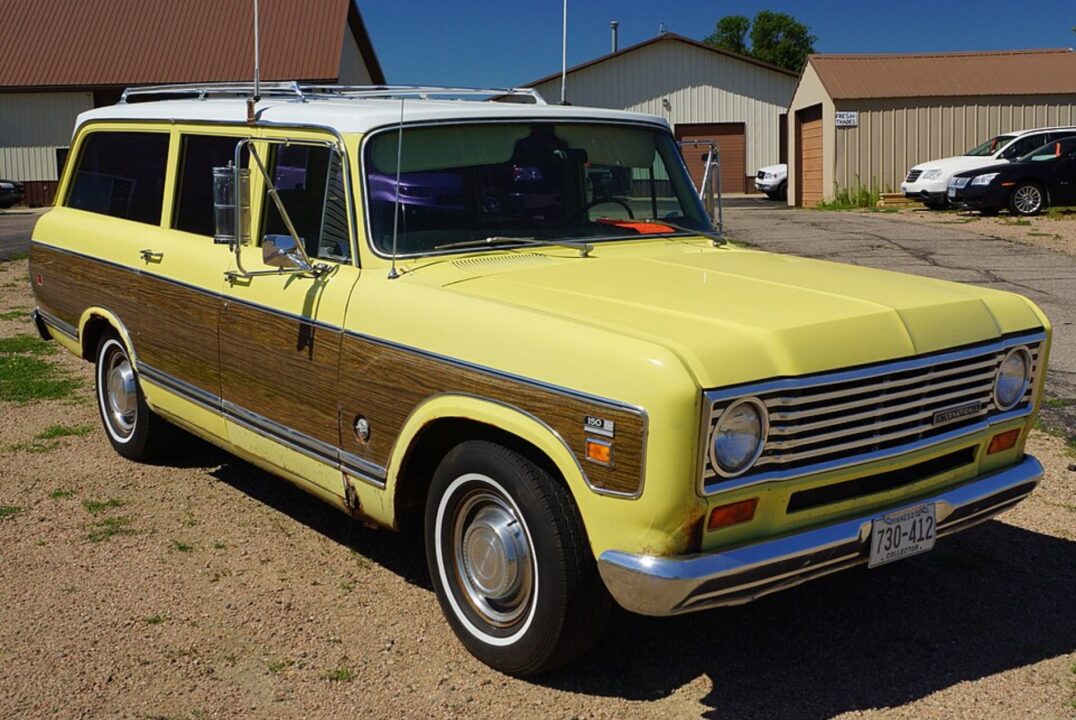
The International Harvester Travelall combined passenger-carrying space with genuine utility. Its truck-based construction made it useful for farms, businesses, and outdoor activities where a conventional station wagon was not enough. The Travelall could carry people and equipment while handling rough conditions. Its unusual combination of practicality and ruggedness has helped surviving examples gain attention from collectors of forgotten American utility vehicles.
Toyota Pickup

The Toyota Pickup became respected for offering dependable transportation in a compact and practical package. Its relatively small size made it useful on narrow roads and rural properties, while its durable engines and available four-wheel drive provided useful capability. Many were subjected to heavy everyday use, yet some continued running for decades. Its reputation for reliability eventually became one of Toyota’s strongest selling points.
Jeep J-Series
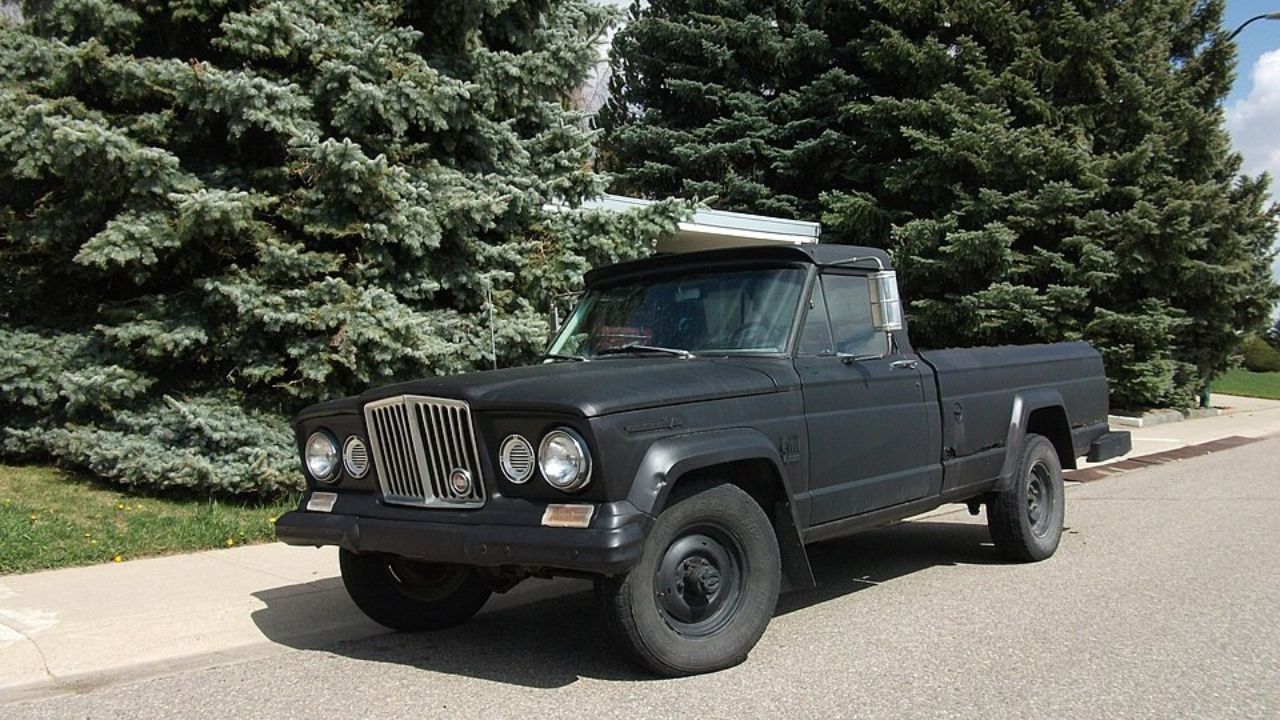
The Jeep J-Series represented a rugged American pickup designed for work and off-road use. Its sturdy frame, four-wheel-drive options, and available V8 engines made it useful for farms, construction, and outdoor work. Although overshadowed by more popular pickups, the J-Series proved remarkably capable. Surviving examples now attract enthusiasts who appreciate its combination of traditional truck construction and Jeep’s off-road heritage.
GMC Jimmy
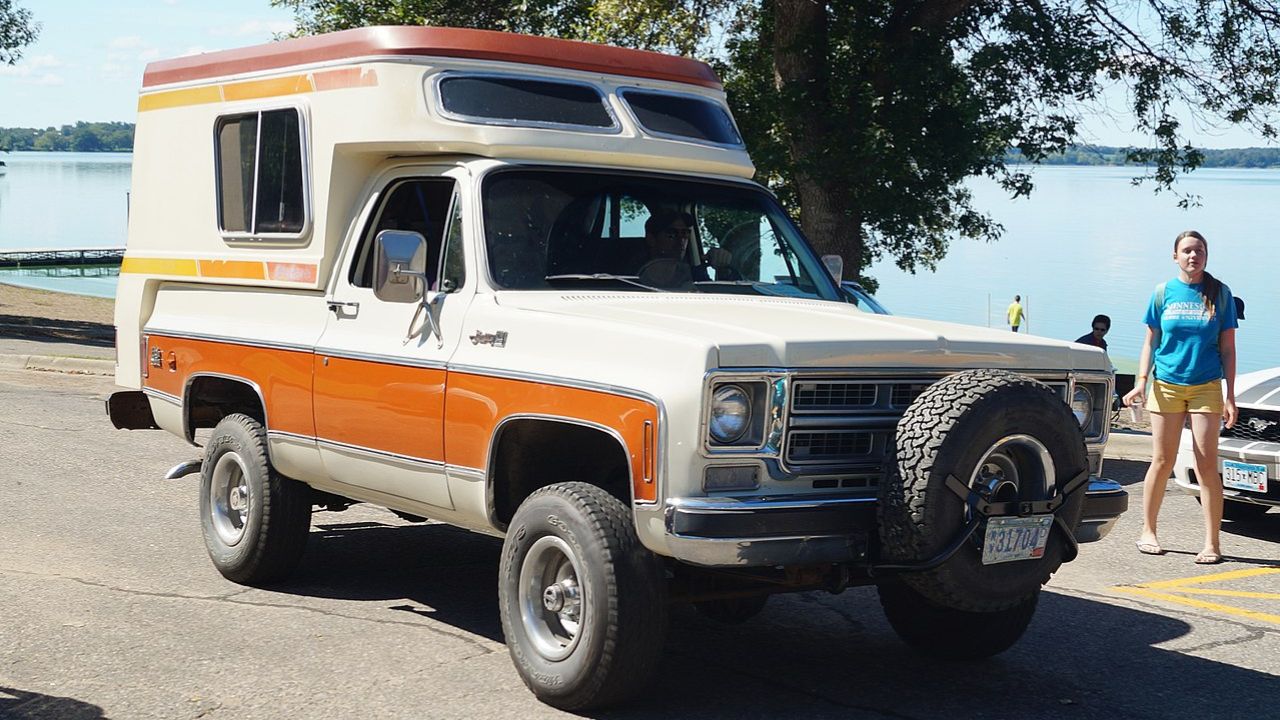
The GMC Jimmy offered truck-based capability in a smaller utility package. Its body-on-frame construction, available four-wheel drive, and strong engines made it useful for towing, rural transportation, and outdoor work. Many examples were used hard and eventually disappeared. Clean survivors are now interesting because they demonstrate how much practical capability older SUVs could provide without modern electronic complexity.
Ford Courier
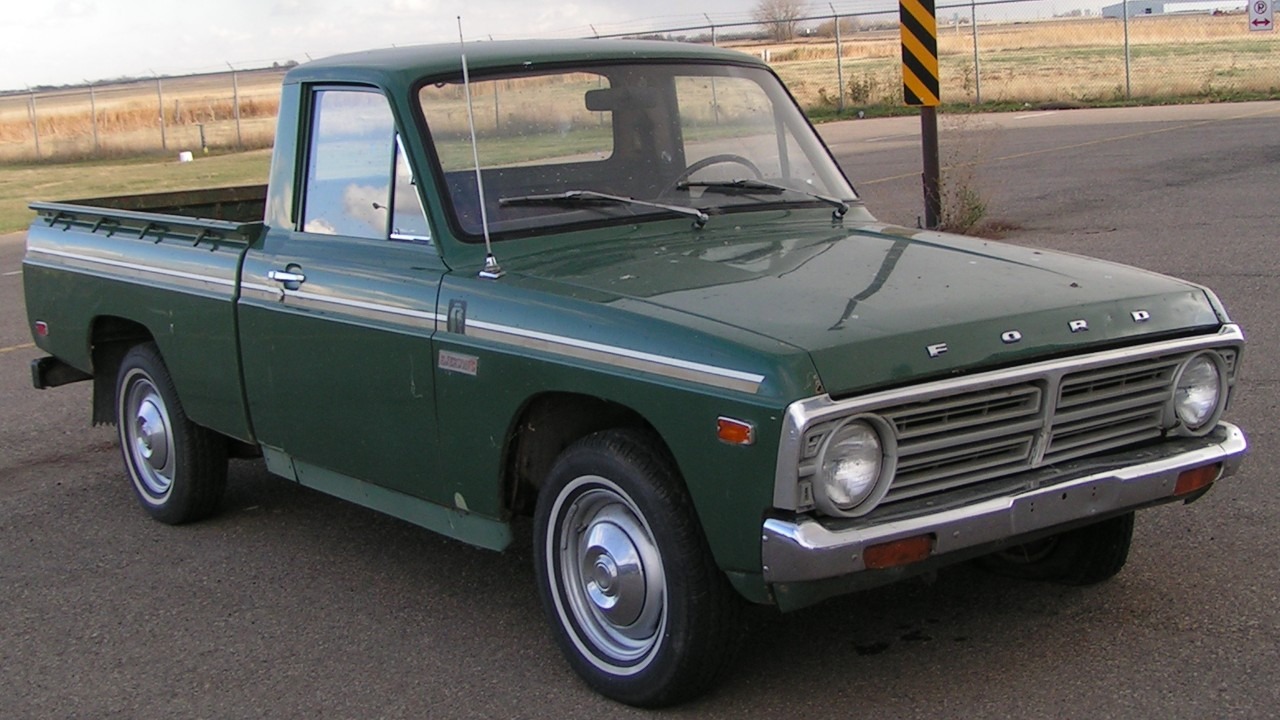
The Ford Courier gave buyers a compact alternative to full-size American pickups. Its manageable dimensions, efficient engine options, and useful cargo bed made it practical for small farms and light-duty work. Many were inexpensive daily work vehicles rather than cherished classics, so relatively few survived. Today, an original Courier can be surprisingly difficult to find and represents an overlooked chapter in Ford’s truck history.
More from Fast Lane Only
- Unboxing the WWII Jeep in a Crate
- 15 rare Chevys collectors are quietly buying
- 10 underrated V8s still worth hunting down
- Police notice this before you even roll window down
*Research for this article included AI assistance, with all final content reviewed by human editors