The world of rare production V8 engines is filled with untold stories and hidden gems that enthusiasts and collectors often overlook. From limited runs by major manufacturers to unique custom builds, these V8s offer a fascinating glimpse into automotive history.
1. The Origins of V8 Engines
The V8 engine, a marvel of automotive engineering, was first introduced in the early 20th century. Its invention revolutionized vehicle performance, offering a combination of power and smoothness that inline and flat engines could not match. The initial designs were not without challenges; manufacturers had to innovate around issues such as balance, weight distribution, and heat management. The first production V8, the Cadillac Type 51 in 1915, marked a pivotal moment in automotive history, setting the stage for future developments.
By the 1920s, several manufacturers, including Ford and Dodge, began experimenting with V8 configurations, leading to an explosion of popularity as the automotive market surged in the post-World War I era. This transition from inline and flat engines to V8 configurations was driven by consumer demand for more power and speed, with early V8s often being lauded for their superior performance in both everyday driving and motorsport.
2. Rare Production Models and Their Significance
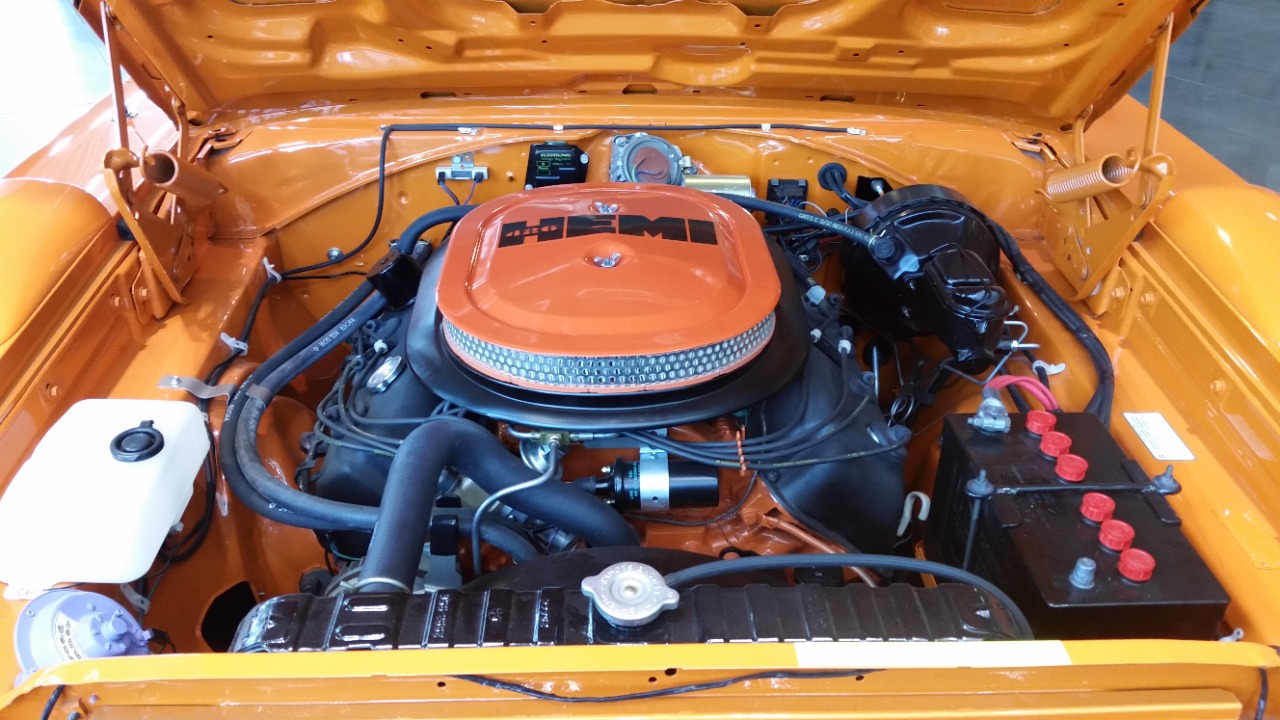
Among the notable rare production V8s, the 1968 Plymouth Hemi GTX stands out. With only a limited number produced, this model features a powerful 426 cubic inch Hemi engine, making it a favorite among collectors. Its unique attributes, such as the distinctive styling and performance capabilities, have garnered significant attention, driving up its collector value. The Hemi GTX not only represents a high point in automotive engineering but also embodies the muscle car era’s spirit.
The significance of limited production runs cannot be overstated. These vehicles often become highly sought after due to their scarcity, making them valuable assets for collectors. The stories behind their production often reveal the manufacturers’ marketing strategies and target demographics, showcasing the intersection of automotive innovation and consumer culture during their respective eras.
3. The Role of Custom Builds and One-Offs
Custom V8 builds represent a fascinating niche within the automotive community, where artisans and enthusiasts push the boundaries of engineering and design. The craftsmanship involved in these unique creations often leads to one-off projects that can be as iconic as mass-produced models. For instance, the custom-built 1955 Chevy Bel Air with a modern LS engine showcases how classic designs can be merged with contemporary technology, resulting in vehicles that are both functional and visually striking.
These one-off V8 projects have a profound impact on automotive culture, inspiring new generations of builders and enthusiasts. The creativity and innovation seen in these custom builds challenge perceptions of what a V8 engine can achieve, demonstrating that these powerhouses are not only about raw horsepower but also about artistry and personalization. The stories behind these custom builds often highlight the passion and dedication of the builders, further enriching the narrative of V8 engines in automotive history.
4. Preservation and Restoration of Rare V8s
Preserving rare V8s is essential for future generations to appreciate the engineering marvels of the past. However, the process comes with its challenges. Finding original parts, restoring worn components, and maintaining authenticity while ensuring functionality can be daunting tasks for collectors and restorers alike. Each vehicle tells a story, and preserving that narrative requires a deep understanding of the original manufacturing processes and design elements.
Restoration techniques specific to rare V8 models often involve a high level of expertise, as many parts may no longer be in production. Specialists in classic car restoration often rely on a combination of original factory manuals and a network of vintage parts suppliers. Iconic collectors, such as Jay Leno and museums dedicated to automotive history, play a crucial role in preserving these automotive treasures, ensuring that the legacy of the V8 continues for future enthusiasts to admire and learn from.
5. The Future of Rare V8s in an Evolving Automotive Landscape
The automotive landscape is rapidly evolving, particularly with the shift towards electric vehicles (EVs). This transition raises questions about the future of V8 engines and their place in an increasingly eco-conscious world. However, despite the rise of EV technology, there remains a strong market for classic cars and rare V8s, as many enthusiasts are drawn to the nostalgia and performance that these engines provide.
Interestingly, the resurgence of interest in classic cars, especially among younger generations, suggests that rare V8s may not be as endangered as some might believe. Events like the annual Muscle Car and Corvette Nationals showcase a vibrant community dedicated to preserving and celebrating these vehicles. As manufacturers explore hybrid technologies, there may also be opportunities for new rare V8 models to emerge, blending the best of both worlds: the thrilling performance of a V8 with the efficiency of modern technology.
More from Fast Lane Only
- Unboxing the WWII Jeep in a Crate
- 15 rare Chevys collectors are quietly buying
- 10 underrated V8s still worth hunting down
- Police notice this before you even roll window down
*Research for this article included AI assistance, with all final content reviewed by human editors.