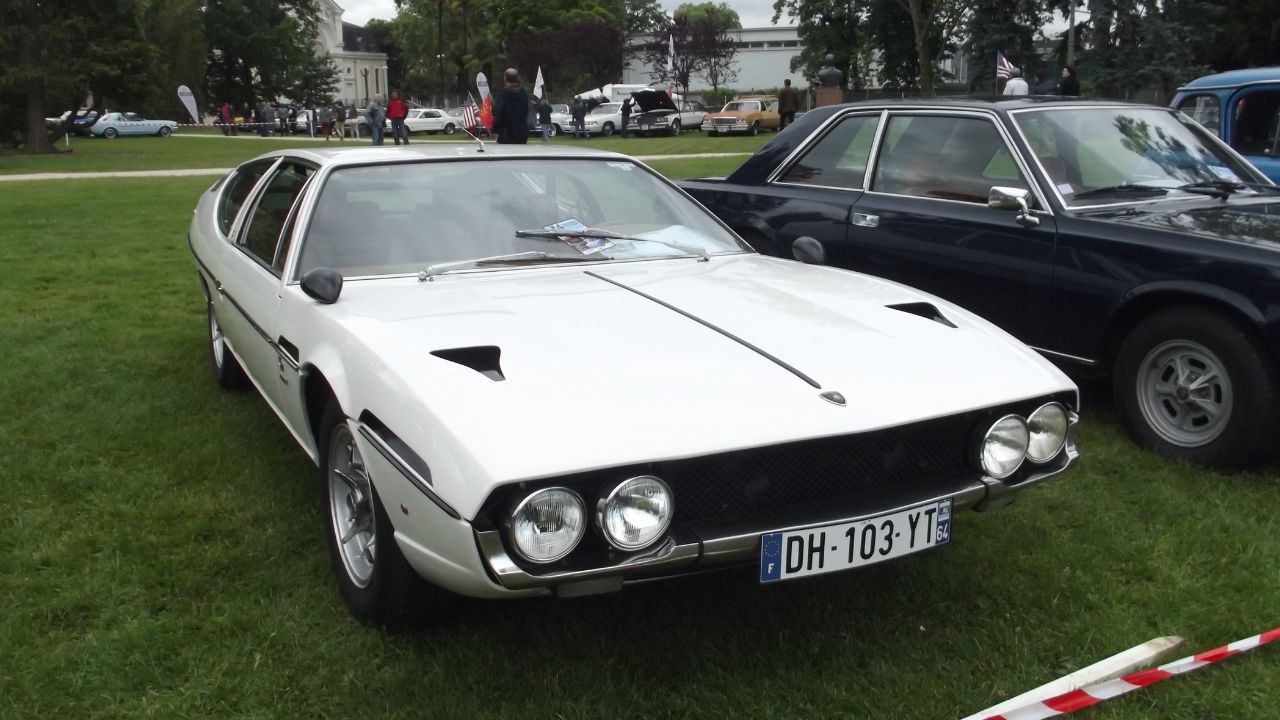
Some collector cars stand out because they combine unusual engineering, distinctive styling, or production methods that have largely disappeared. They were built during periods when manufacturers were willing to take risks and give individual models their own personality. These nine rare classics capture that spirit, offering enthusiasts something increasingly difficult to find in modern cars.
Chrysler Turbine
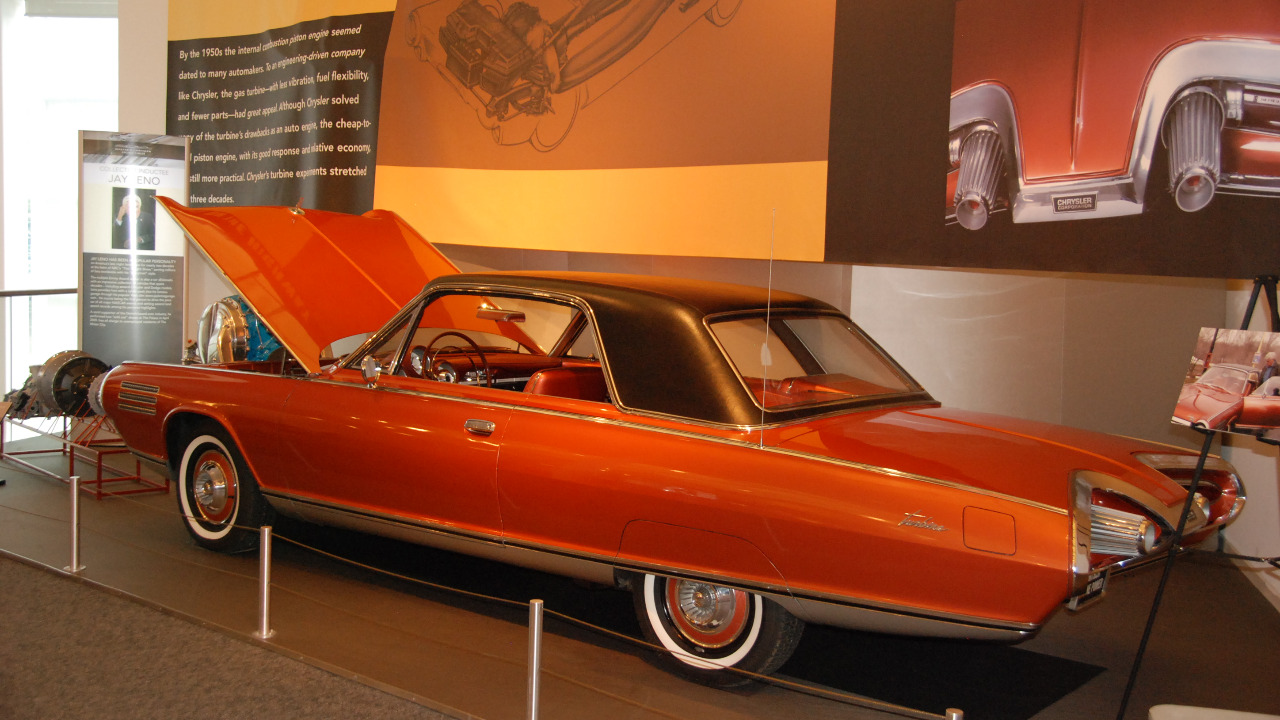
The Chrysler Turbine remains one of the most unusual cars ever produced by a major American manufacturer. Instead of a conventional piston engine, it used a gas turbine that could run on several types of fuel. Only a small number were built, making surviving examples exceptionally rare. Its futuristic engineering represents a time when automakers were willing to experiment with radically different propulsion systems.
Citroën DS

The Citroën DS was years ahead of conventional cars with its hydropneumatic suspension, advanced braking system, distinctive aerodynamic body, and unusual interior controls. Its engineering was ambitious even by modern standards. The DS was not simply styled differently; it approached the automobile from an entirely different direction. That combination of innovation and eccentricity makes surviving examples highly desirable.
Tucker 48
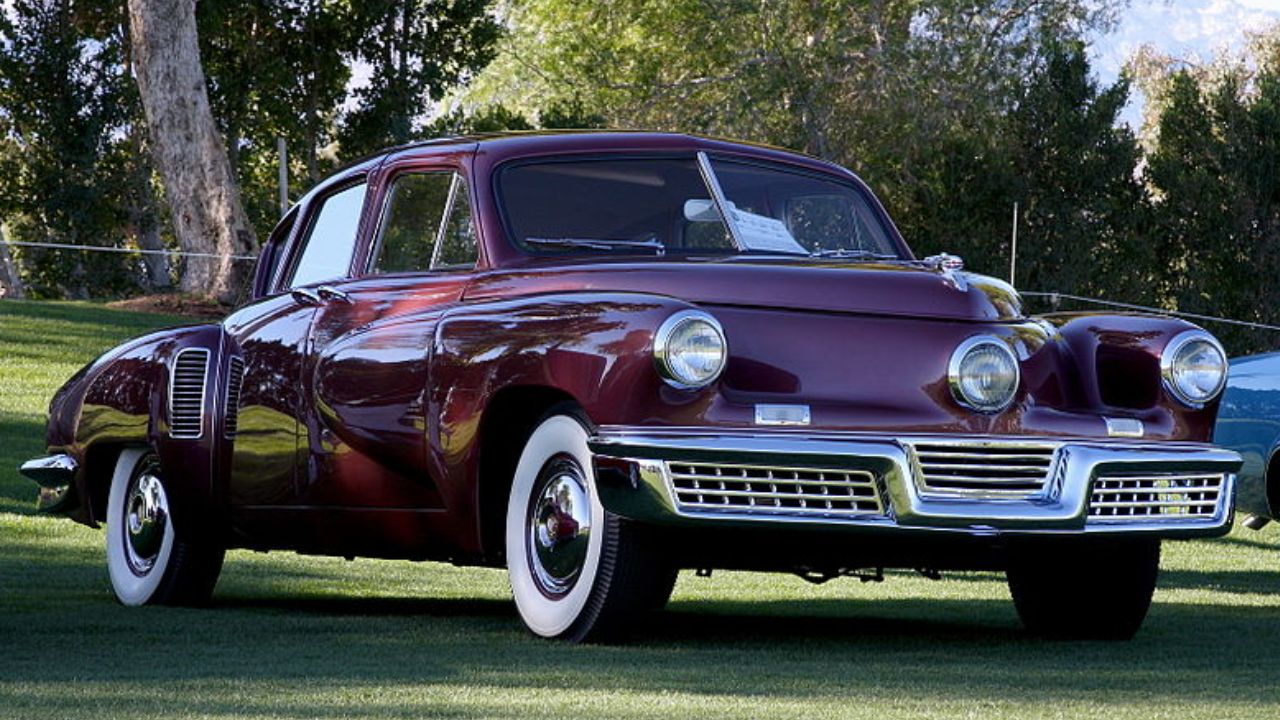
The Tucker 48 was designed around a series of unconventional ideas intended to improve safety and performance. Its rear-mounted engine, central steering headlight, padded dashboard, and unusual construction made it unlike other American cars of the period. Production was extremely limited, ensuring its rarity. Today, the Tucker represents one of the most fascinating missed opportunities in American automotive history.
Stout Scarab
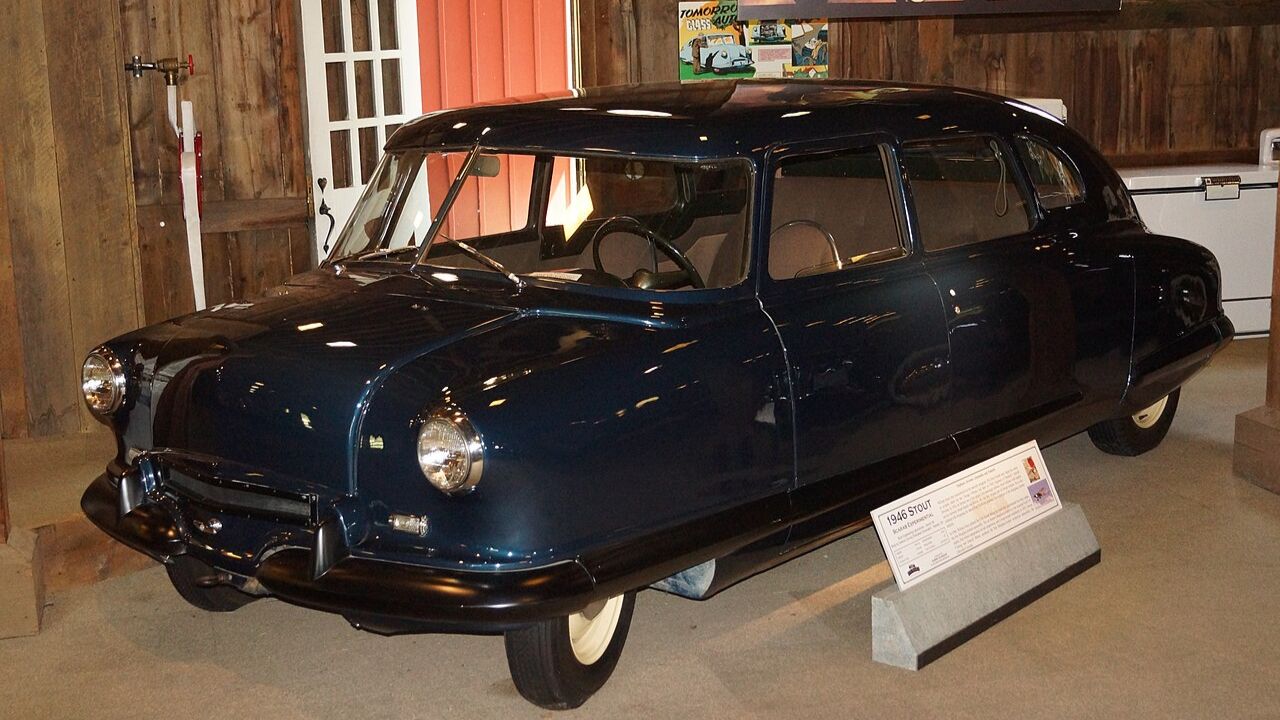
The Stout Scarab looked almost nothing like conventional automobiles of its era. Its cab-forward design, spacious interior, and rear-mounted engine anticipated ideas that would become common decades later. Production was tiny, making surviving examples exceptionally scarce. Its unusual proportions and pioneering packaging demonstrate just how experimental some early American automotive designs could be.
Lancia Stratos
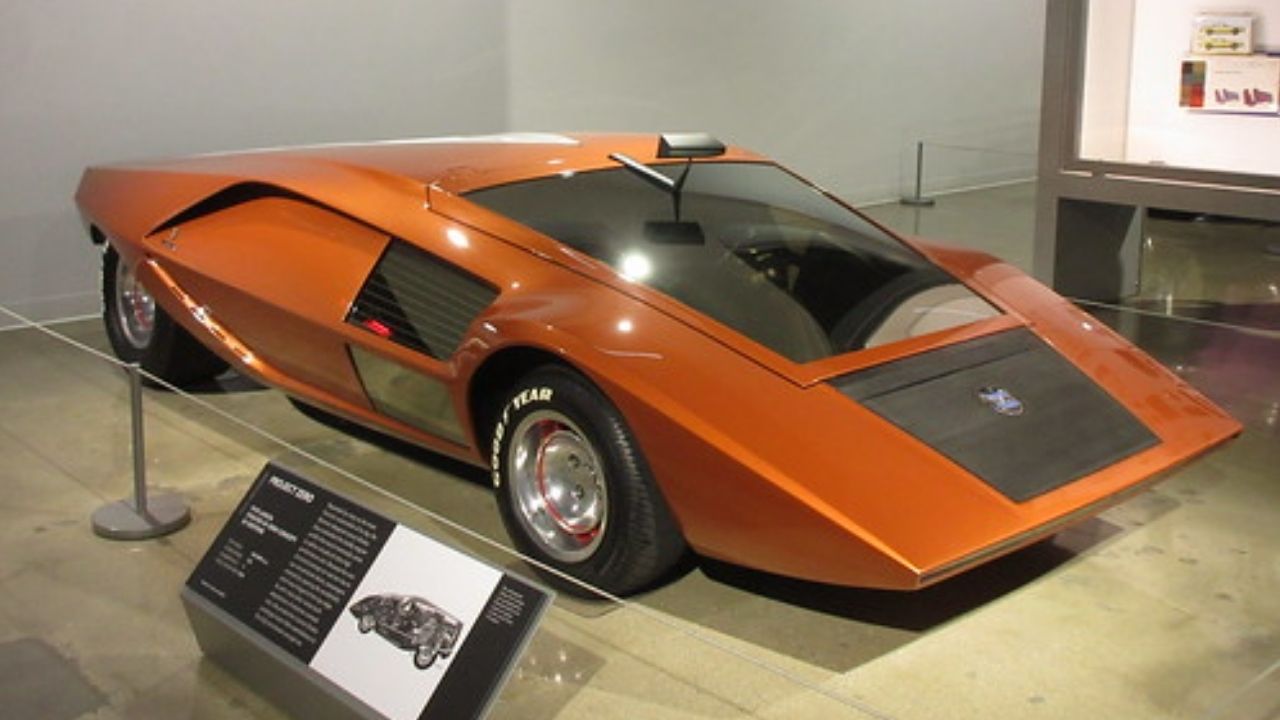
The Lancia Stratos was developed with competition in mind and featured a compact mid-engine layout that gave it exceptional agility. Its wedge-shaped body was designed around its rallying purpose rather than traditional luxury-car proportions. Limited road-car production ensured scarcity from the start. Few classics demonstrate such a direct connection between motorsport engineering and road-going design.
Lamborghini Espada
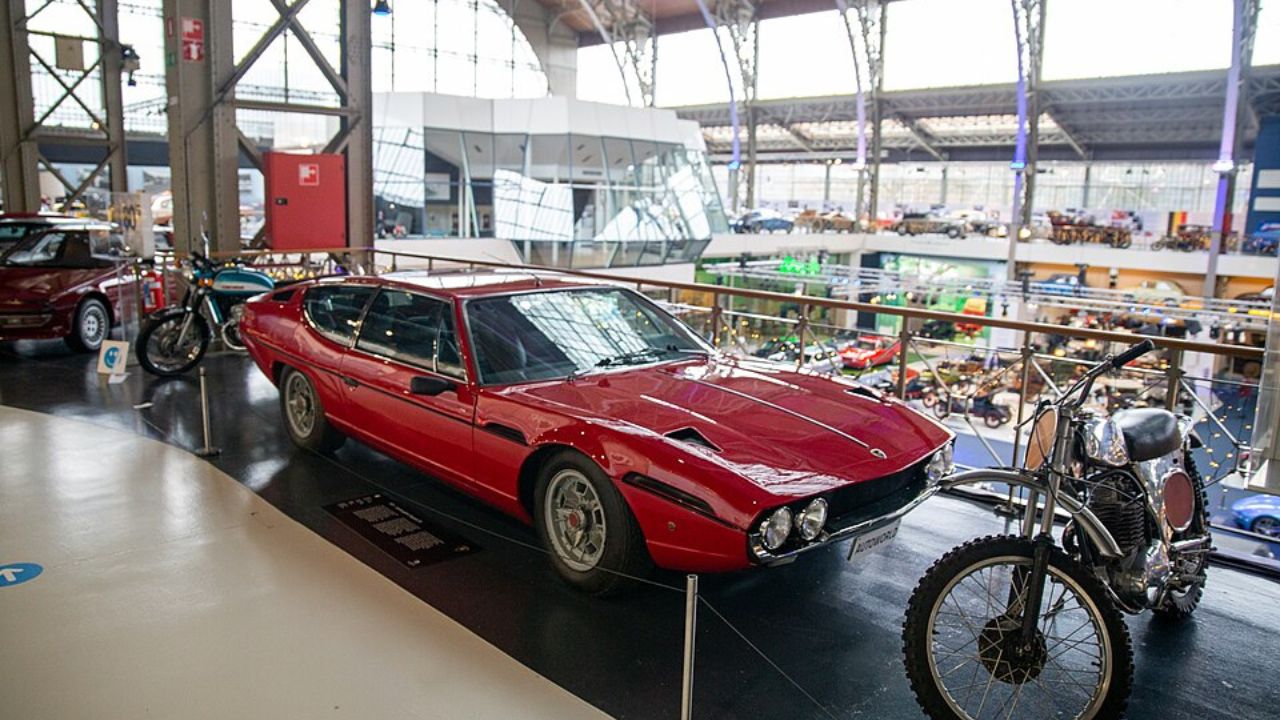
The Lamborghini Espada combined exotic Italian styling with a surprisingly practical four-seat layout. Its front-mounted V12 gave it tremendous performance, while its long, dramatic body provided genuine passenger space. The formula is almost impossible to imagine from today’s supercar market. Its rarity and unusual combination of performance and practicality make it particularly attractive to collectors.
Jensen Interceptor
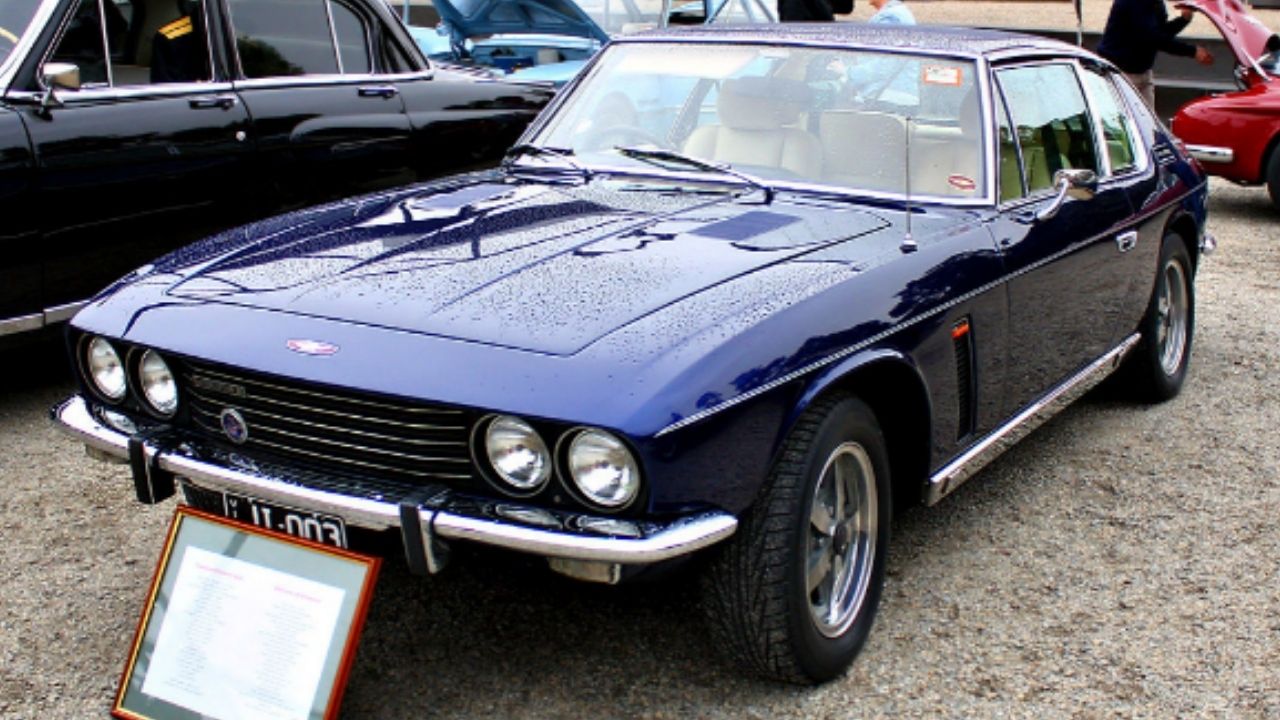
The Jensen Interceptor paired British craftsmanship with a powerful American V8 and distinctive Italian-inspired bodywork. It also offered luxury equipment and, in some versions, four-wheel drive. That unusual combination made it unlike most contemporary grand tourers. Surviving examples are increasingly valued because the Interceptor represents a period when manufacturers could combine components and ideas from completely different automotive cultures.
De Tomaso Pantera
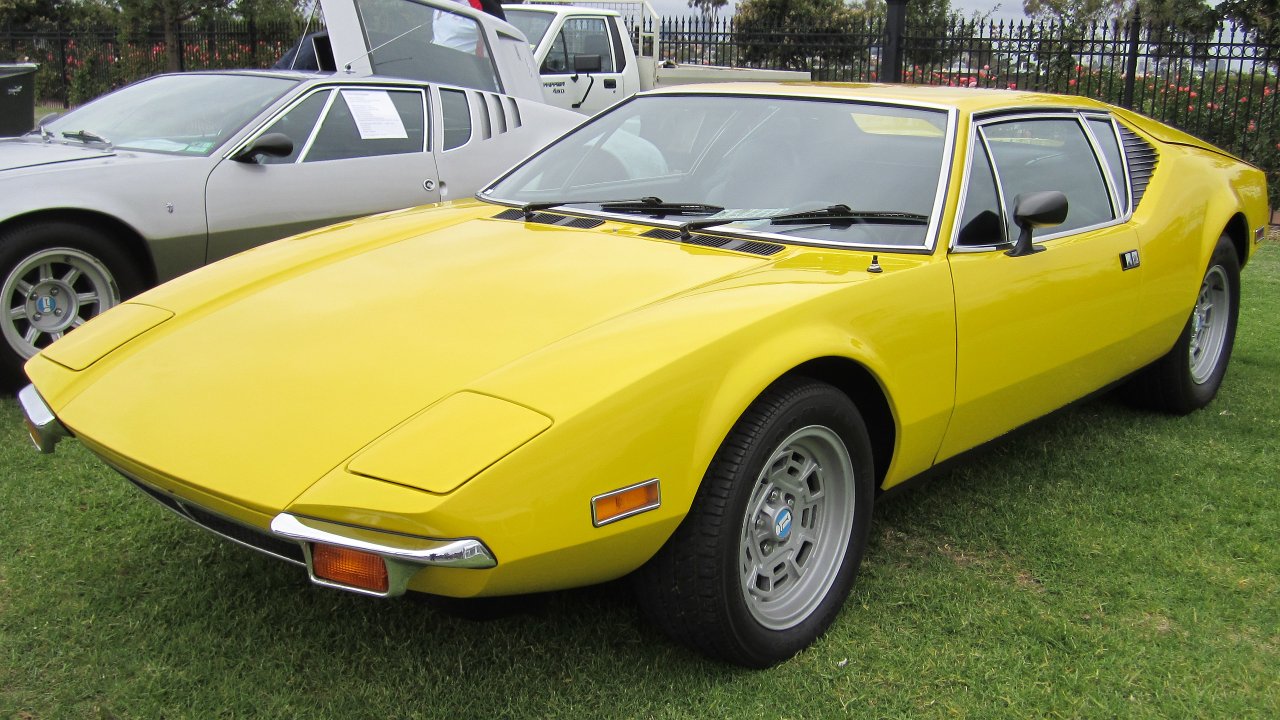
The De Tomaso Pantera brought Italian styling and a powerful American V8 together in a relatively compact mid-engine sports car. Its combination of exotic appearance and familiar mechanical hardware made it unusually approachable for its class. Production was far lower than that of mainstream performance cars. Today, the Pantera remains one of the most interesting examples of cross-cultural automotive engineering.
Oldsmobile Toronado
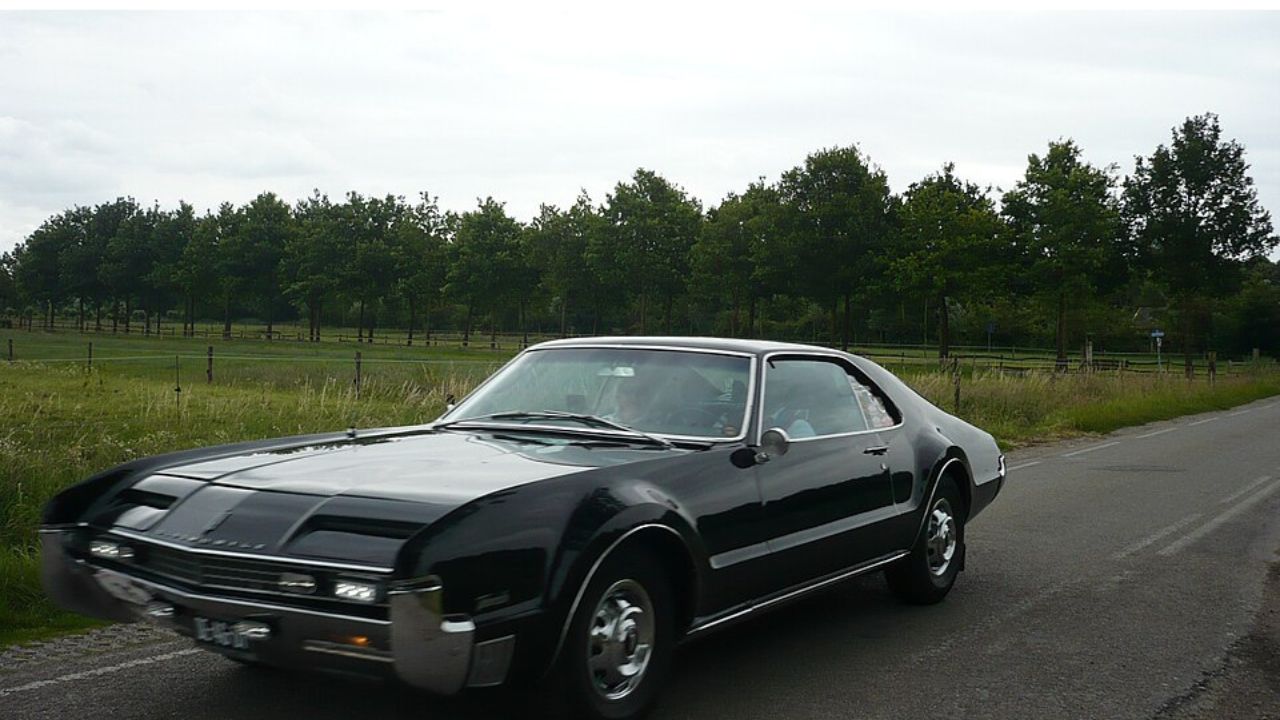
The Oldsmobile Toronado challenged conventional American-car engineering with front-wheel drive and a large V8. Its dramatic bodywork and unusual drivetrain made it one of the boldest production cars of its era. The layout allowed Oldsmobile to create a spacious cabin without relying on a traditional rear-wheel-drive platform. It remains a striking reminder of how adventurous Detroit engineering could be.
More from Fast Lane Only
- Unboxing the WWII Jeep in a Crate
- 15 rare Chevys collectors are quietly buying
- 10 underrated V8s still worth hunting down
- Police notice this before you even roll window down
*Research for this article included AI assistance, with all final content reviewed by human editors